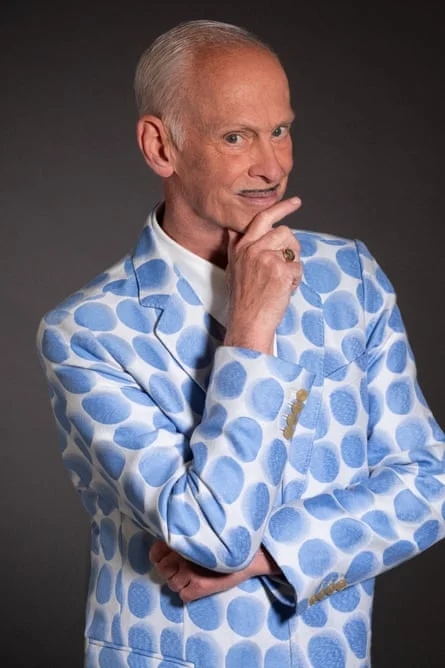
John Waters, the celebrated "Pope of Trash," finds himself reflecting on a pivotal, and for him, rather unsettling moment in his storied career: the day his 1988 musical comedy, Hairspray, received a PG rating. "It was horrible," Waters candidly admits, recalling the significant departure this family-friendly classification represented from his earlier, notoriously transgressive cinematic output. Until Hairspray, Waters had cultivated an image as a filmmaker unafraid to push boundaries, often to shocking extremes.
Born in Baltimore, Maryland, in 1946, John Waters quickly established himself as a cinematic provocateur. His early works, often featuring the drag queen Divine in groundbreaking roles, were characterized by their deliberate pursuit of the outrageous and the taboo. Films like Eat Your Makeup (1968) daringly recreated the assassination of John F. Kennedy, a mere five years after the event, with Divine portraying a flamboyant Jackie Kennedy. Multiple Maniacs (1971) introduced the infamous "rosary job" and a surreal rape scene involving a giant lobster. Perhaps most famously, Pink Flamingos (1972) cemented Waters’ reputation for pushing the limits of taste, featuring Divine’s iconic, stomach-churning consumption of a fresh dog turd on screen. These films, while controversial, earned Waters a dedicated cult following and the moniker "Pope of Trash" from author William S. Burroughs, a testament to his unique and often disturbing artistic vision.
Against this backdrop of deliberate shock value, Hairspray emerged as an unexpected pivot. The film, set in a fictionalized early 1960s Baltimore, centers on a vibrant television dance show and the dreams of a teenage girl, Tracy Turnblad, to break down racial barriers on the program. While Hairspray is undeniably a more accessible film than its predecessors, it is not devoid of Waters’ signature eccentricities. The movie incorporates subtle yet distinct touches of his characteristic style, including moments of darkly comedic ugliness, such as vomit on a fairground ride or a rat interrupting a romantic scene. It also features Debbie Harry, a pop culture icon in her own right, playing a character smuggling a bomb concealed within her elaborate beehive wig. Furthermore, Divine delivered a memorable dual performance as both a kindly Baltimore housewife and a staunchly racist television executive. The result, as Rolling Stone magazine astutely observed, was a family film that could appeal to a surprisingly broad spectrum of viewers, capable of delighting "both the Bradys and the Mansons."
The Unexpected Mainstream Appeal of "Hairspray"
Speaking from his home in the picturesque seaside town of Provincetown, Massachusetts, Waters, now in his eighties, still shudders at the memory of that PG rating. "I was scared," he confesses. "I thought my fans were going to turn on me." This apprehension stemmed from the profound shift Hairspray represented in his career trajectory. While his earlier films were often relegated to midnight screenings and underground circuits, Hairspray achieved significant mainstream success, earning a place in the hearts of a wider audience and proving that his unique brand of social commentary could resonate beyond his core cult following.

The film’s critical and commercial success was undeniable. It garnered positive reviews, including the aforementioned praise from Rolling Stone, and went on to become a cultural phenomenon. Its themes of racial integration and adolescent empowerment struck a chord, particularly in the context of the burgeoning Civil Rights Movement era it depicted. This success not only validated Waters’ creative vision but also opened doors to new opportunities.
The Genesis of "Hairspray"
The genesis of Hairspray can be traced back to Waters’ personal experiences and observations of Baltimore in the early 1960s. The era of segregation on television dance shows, the vibrant youth culture, and the burgeoning social changes provided fertile ground for his storytelling. Waters envisioned a film that would celebrate individuality, challenge prejudice, and do so with his characteristic wit and flair. He famously cast Ricki Lake, then a relatively unknown actress, as Tracy Turnblad, a decision that proved instrumental in the film’s success. Lake’s energetic and endearing performance captured the spirit of the character and resonated with audiences.
The film’s narrative skillfully interwove Tracy’s quest for integration on "The Corny Collins Show" with her burgeoning romance and her mother Edna’s journey of self-acceptance. Edna, played by Divine, undergoes a significant transformation throughout the film, shedding her reclusive nature and embracing her identity. This subplot, exploring themes of body image and societal acceptance, added another layer of depth to the film’s otherwise lighthearted tone.
The musical numbers, choreographed by Miles Devery, became iconic, with songs like "You Can’t Stop the Beat" becoming anthems of positivity and change. The film’s soundtrack, featuring a blend of original songs and period-appropriate hits, further contributed to its enduring appeal.
The Darker Heart of Waters’ Cinema: "Desperate Living"
In stark contrast to the sunny optimism of Hairspray, the boutique label Criterion’s recent release of a bells-and-whistles Blu-ray edition of Desperate Living (1977) serves as a potent reminder of the raw, unadulterated edge that defined Waters’ earlier work. This film, set in the anarchic miscreants’ ghetto of Mortville, is a gloriously scuzzy adult fairytale, ruled by the unhinged Queen Carlotta, brought to life by the inimitable Edith Massey.
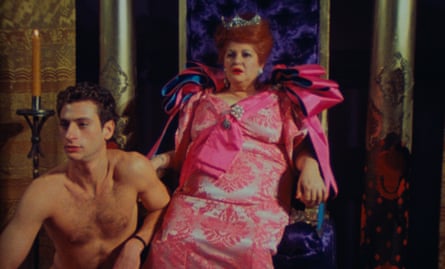
Desperate Living stands as one of Waters’ most audacious and uncompromised creations. The film’s narrative eschews traditional plot structures in favor of a wild, episodic exploration of a society where the outcasts and the marginalized have carved out their own bizarre kingdom. Queen Carlotta, a tyrannical and capricious ruler, presides over Mortville with an iron fist, issuing nonsensical decrees and indulging in increasingly bizarre acts of cruelty. The film is populated by a cast of eccentric characters, including a lesbian couple undergoing gender reassignment surgery and a former actress seeking revenge.
The Absence of Divine and the Film’s Tone
A notable aspect of Desperate Living is the absence of Waters’ frequent muse, Divine. Originally slated to play a snarling lesbian character undergoing a phalloplasty and an abortion, Divine was unavailable due to theatrical commitments. Waters speculates that Divine also sought a degree of separation to further explore his acting capabilities. This absence, while not diminishing the film’s impact, arguably contributes to its distinctively darker and less high-spirited tone compared to some of Waters’ other works. "It’s my angriest movie," Waters admits, "And my ugliest."
The film does not shy away from graphic and unsettling imagery. The infamous scene where a car drives over a dog, while shocking, is contextualized by Waters as an act of necessity, with the animal having been sourced from a hospital laboratory freezer and already deceased. However, the practical realities of filmmaking, as Waters wryly concedes, involved the painstaking removal of the partially defrosted canine from the vehicle’s axle for a second take, highlighting the often grotesque and unglamorous side of cinematic creation. The film also features a cockroach crawling over the naked body of stripper Liz Renay and a morbid opening credit sequence depicting a skinned rat served on fine china, further cementing its reputation for challenging sensibilities.
A Shift in Creative Process and Substance
Desperate Living also marked a significant personal milestone for Waters: it was the first film he wrote without the aid of marijuana. "Most people when they have success, they become cocaine addicts or something," he observes. "But the minute I had success, I stopped taking drugs." His rationale was a desire to remain focused and undistracted by substances, a stark contrast to the perceived creative freedom they might offer. He has, by his own admission, experimented with a range of drugs, expressing particular disdain for ecstasy, which he believes promotes an unwelcome universal affection.
Thematic Resonance: Rats, Roaches, and Resistance
Despite their superficial differences, a recurring motif connects Hairspray and Desperate Living: an obsession with rats and roaches. In Desperate Living, these creatures are not merely incidental; they are woven into the fabric of the film’s disturbing aesthetic, symbolizing decay and the underbelly of society. The appearance of a cockroach on Liz Renay’s body and the graphic depiction of dead rats in a cauldron underscore the film’s commitment to visceral imagery.
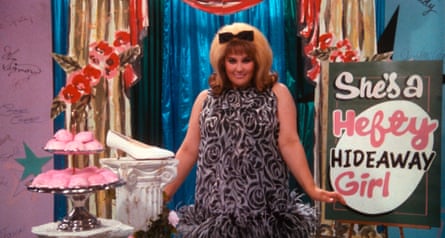
Interestingly, this fascination extends to Hairspray. The film features a rodent cameo and a dance number called "The Roach," performed by Tracy Turnblad in a cockroach-patterned dress. Waters laments the decline of novelty dances and songs in contemporary cinema, yearning for the era when such quirky cultural artifacts were commonplace. He recalls a scene in his comparatively more benign 1998 film, Pecker, where rats are depicted mating in a garbage can, a testament to his enduring fascination with these often-reviled creatures.
Beyond the shared fascination with vermin, both films, in their own distinct ways, explore themes of resistance against oppressive forces. Hairspray, while treating the Civil Rights era with a deft touch, conveys a palpable sense of indignation against racial segregation. Similarly, Desperate Living, through its depiction of Queen Carlotta’s tyrannical rule and the populace’s struggle for agency, serves as a potent allegory for challenging fascism and tyranny. Waters’ commentary on contemporary American politics, particularly his strong repudiation of Donald Trump’s remarks about Baltimore, draws a direct line between the film’s dystopian vision and current societal anxieties. He draws parallels between Queen Carlotta’s capricious decrees and public health pronouncements of certain political figures, including a pointed critique of RFK Jr.’s stance on vaccines.
Waters’ Enduring Philosophy: Humor as a Catalyst for Change
Despite the often chaotic and provocative nature of his films, John Waters maintains a clear and consistent set of guiding principles. He vehemently rejects the notion that his movies operate without rules. "No, there are rules," he asserts. "The rules are: mind your own business and don’t judge people if you don’t know the whole story." This philosophy of empathy and understanding underpins his work, even in its most extreme manifestations.
Waters believes that humor, rather than anger alone, is the most effective tool for societal change. "I think they say that anger can be good, but the way you change things is through humour," he states, reflecting on the messages embedded within his filmography. While he acknowledges the boundaries of what can be joked about, particularly in sensitive geopolitical situations, he insists on making fun of things he likes, not things he hates. This approach, he suggests, has allowed him to maintain his artistic integrity and continue his provocative work for over six decades.
The Legacy of Divine and the Future of Provocation
The passing of Divine in 1988, just weeks after the release of Hairspray, remains a profound loss for Waters. "I’m still shocked," he says, but he also recognizes Divine’s enduring impact. He believes Divine fundamentally altered the landscape of drag performance, imbuing it with a punk rock edge and a willingness to embrace unconventionality. Divine’s unapologetic embrace of his identity, including his physique and willingness to shock, paved the way for a new generation of performers to express themselves with greater freedom and daring.
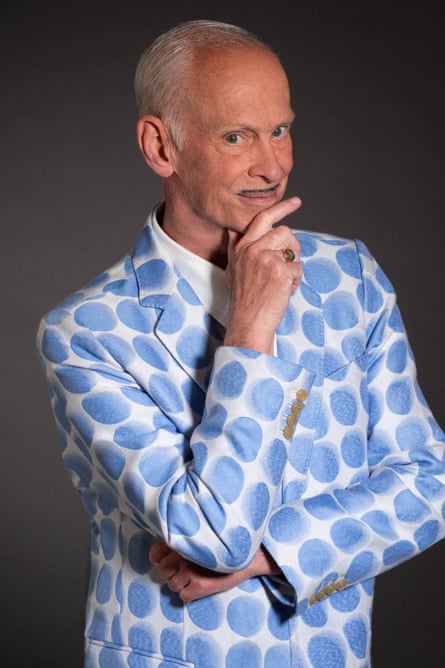
While Waters has not directed a feature film since A Dirty Shame in 2004 and has faced challenges in securing funding for new projects, his influence continues to resonate. The recent critical re-appraisals of his earlier works, like the Criterion releases of Hairspray and Desperate Living, ensure that his legacy as a fearless filmmaker and a sharp social commentator remains vibrant. His spoken-word tours and written works continue to entertain and provoke, demonstrating that the "Pope of Trash" is far from finished with his mission to challenge conventions and celebrate the gloriously unconventional. His enduring message, delivered with his signature sonorous drawl, is a powerful reminder that even in the darkest and most absurd corners of cinema, there lies a profound truth about human resilience and the transformative power of laughter.