Samuel Goldwyn Films has officially announced the acquisition and upcoming release of the independent western-horror hybrid The Wolf and the Lamb, marking a significant entry into the "Weird West" subgenre for the 2026 film season. Directed by newcomer Michael Schilf, the film is scheduled for a simultaneous debut in select North American theaters and on Video on Demand (VOD) platforms on April 24, 2026. The announcement was accompanied by the release of a theatrical trailer and promotional poster, providing the first public look at a project that has bypassed the traditional film festival circuit in favor of a direct-to-market strategy.
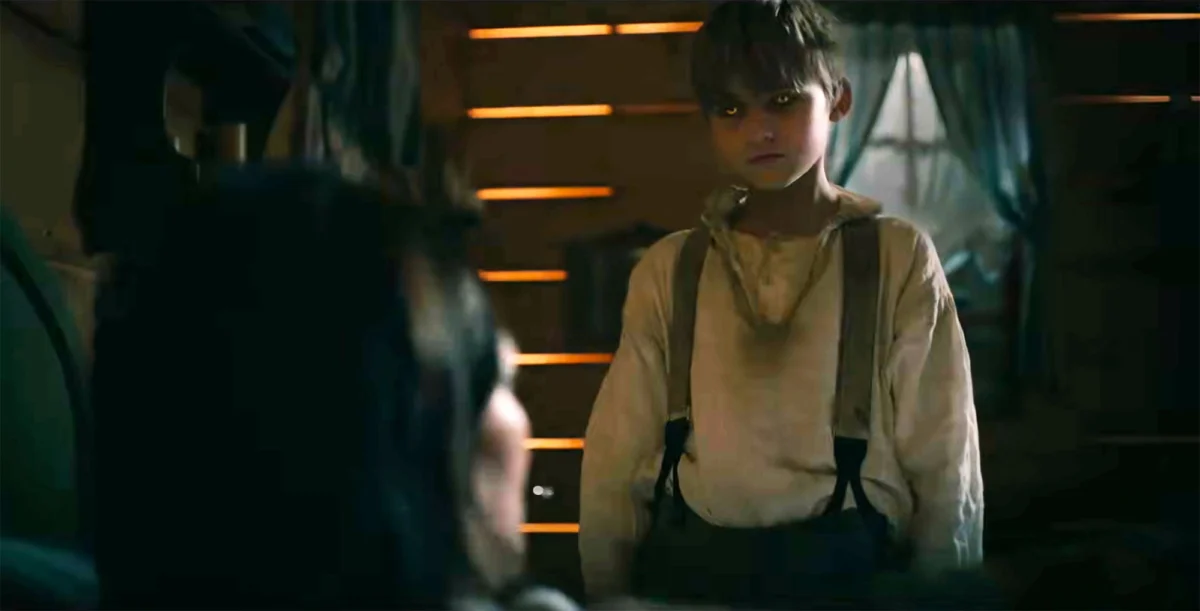
The narrative centers on Jo Beckett, portrayed by Cassandra Scerbo, a dedicated schoolteacher residing in a secluded rural community during the late frontier era. The plot is set in motion when Beckett’s young son, Henry (played by Jaydon Clark), disappears under mysterious circumstances. As the search for the child intensifies, the film transitions from a standard period drama into a psychological and supernatural thriller. The narrative follows Beckett as she navigates a community consumed by paranoia, local folklore, and religious fervor. The trailer suggests a significant tonal shift in the final act, revealing that the town’s afflictions are tied to predatory supernatural forces, specifically identified as a "teethy" vampire threat.
Production Background and Creative Team
The Wolf and the Lamb represents the feature film directorial debut of Michael Schilf, who also co-wrote the screenplay alongside Miah Smith. Schilf, who has previously worked in short films and screenwriting education, developed the story with Smith to blend the tropes of the American Western with gothic horror elements. The production was spearheaded by a team of independent producers, including Nicholas Adam Clark, Chase Kuker, Jordan Kuker, Miah Smith, and Jordan Wagner.
Unlike many high-profile independent horror films of recent years, such as those distributed by A24 or Neon, The Wolf and the Lamb did not hold a premiere at major festivals like Sundance, SXSW, or Fantasia. Industry analysts note that this distribution path—moving directly from post-production to a Samuel Goldwyn Films acquisition and a spring release—suggests a confidence in the film’s commercial appeal within the VOD market, where genre-bending horror often finds a dedicated audience.

Samuel Goldwyn Films has a documented history of identifying niche genre films that bridge the gap between arthouse aesthetics and mainstream horror. Their involvement provides the film with a wider reach than typical independent releases, ensuring presence on major digital storefronts such as Apple TV, Amazon Prime Video, and Vudu, alongside limited theatrical engagements in key markets.
Ensemble Cast and Character Analysis
The production features a notable ensemble cast, combining veteran character actors with established television stars. Cassandra Scerbo takes the lead as Jo Beckett. Scerbo, known for her roles in the Sharknado franchise and the gymnastics drama Make It or Break It, appears to be pivoting toward more dramatic, high-stakes genre work with this role. Her character serves as the emotional anchor, representing the clash between maternal instinct and an unraveling reality.
The supporting cast includes several actors with significant experience in genre and period storytelling:
- Adrianne Palicki: Best known for her roles in Friday Night Lights, John Wick, and Agents of S.H.I.E.L.D., Palicki brings a recognizable presence to the film. While her specific role remains under wraps, her involvement signals the film’s aim for a higher production value.
- Zach McGowan: An actor with extensive experience in rugged, historical roles (Black Sails, The 100), McGowan’s casting aligns with the film’s gritty Western setting.
- Angus Macfadyen: Known for his portrayal of Robert the Bruce in Braveheart and his work in the Saw franchise, Macfadyen often portrays authoritative or morally complex figures, fitting the film’s themes of local authority and communal hostility.
- Q’orianka Kilcher: Kilcher, who rose to prominence in Terrence Malick’s The New World and appeared in Yellowstone, adds a layer of prestige to the cast. Her participation often coincides with projects that explore historical tensions and folklore.
- Sammi Rotibi and James Landry Hébert: Both actors have a history of supporting roles in major Western and thriller productions, including Django Unchained and Westworld, respectively.
The chemistry between these performers is expected to drive the tension in the film’s "rural town" setting, where the threat is as much about the breakdown of social order as it is about the supernatural entities lurking in the shadows.
Chronology of the Release and Marketing Campaign
The marketing timeline for The Wolf and the Lamb has been condensed, a strategy often employed for independent horror to maintain momentum from the first trailer to the release date.

- Early April 2026: Samuel Goldwyn Films finalized the distribution rights and initiated the "teaser" phase of the marketing campaign.
- April 17, 2026: The official trailer was released via digital platforms and YouTube, accompanied by the first high-resolution posters. This release provided the first confirmation of the film’s vampire elements.
- Mid-April 2026: Promotional efforts shifted toward social media, focusing on the "Western Mystery" aspect before leaning into the "Supernatural Horror" reveal.
- April 24, 2026: The film is scheduled to launch in select US theaters and across all major VOD platforms.
This rapid rollout is designed to capture the attention of horror enthusiasts looking for fresh content during the spring season, which is traditionally a fertile ground for independent genre releases before the summer blockbuster window opens.
Genre Context: The Resurgence of the "Weird West"
The Wolf and the Lamb arrives during a period of renewed interest in the "Weird West"—a subgenre that fuses Western settings with horror, fantasy, or science fiction. While the Western was once considered a "dead" genre in Hollywood, the infusion of horror elements has revitalized it for modern audiences.
Precedents for this style include S. Craig Zahler’s Bone Tomahawk (2015), which blended frontier survival with cannibalistic horror, and Emma Tammi’s The Wind (2018), which explored supernatural isolation on the prairie. The Wolf and the Lamb appears to follow in these footsteps but distinguishes itself by incorporating vampire mythology, a trope more commonly associated with European gothic settings than the American frontier.
By setting a vampire story in a rural Western town, the film taps into specific American anxieties regarding isolation, the unknown wilderness, and the failure of traditional institutions (faith and law) to protect the individual. The "wolf and lamb" metaphor in the title further emphasizes the predatory nature of the antagonists and the perceived vulnerability of the protagonist, though the trailer hints at a reversal of these roles as Jo Beckett is forced to fight back.
Industry Implications and Distribution Strategy
The decision to release The Wolf and the Lamb simultaneously in theaters and on VOD reflects the ongoing evolution of the mid-budget film market. For independent films that lack a $50 million marketing budget, the "day-and-date" release model allows for maximum accessibility.

Data from the 2024-2025 film seasons suggests that genre films—particularly horror—perform exceptionally well on VOD platforms, often recouping production costs through digital rentals even with a limited theatrical footprint. Samuel Goldwyn Films has mastered this model, leveraging digital visibility to compensate for the decline in wide-release theatrical windows for non-franchise films.
Furthermore, the film’s focus on "folk horror" elements aligns with current audience trends. Following the success of films like Midsommar and The Witch, there has been a significant appetite for horror that utilizes local myths and historical settings to create a sense of dread. The Wolf and the Lamb’s use of "eerie behavior" spreading through a town like a contagion suggests a thematic link to social paranoia, a common trope in successful modern horror.
Conclusion and Final Outlook
As the April 24 release date approaches, The Wolf and the Lamb stands as a test case for whether a newcomer director can successfully navigate the complexities of a multi-genre narrative. With a cast of seasoned professionals and the backing of an established distributor like Samuel Goldwyn Films, the project has the necessary components to reach its target demographic.
The film’s ultimate success will likely depend on how effectively it balances its disparate elements: the grounded drama of a mother searching for her son, the historical accuracy of its Western setting, and the high-concept horror of its supernatural reveals. For audiences, the film offers a departure from standard slasher or paranormal investigator tropes, providing a rugged, atmospheric exploration of faith and survival on the American frontier.
The Wolf and the Lamb will be available for public viewing starting April 24, 2026, marking a pivotal moment for director Michael Schilf and a potential new highlight in the ever-expanding landscape of independent American horror.