The esteemed actress Mary Beth Hurt, a celebrated figure in both film and theater whose nuanced performances graced iconic works such as Woody Allen’s "Interiors" and George Roy Hill’s "The World According to Garp," has passed away at the age of 79. Her death was confirmed to be a result of complications from Alzheimer’s disease. The poignant announcement came via a joint statement on Facebook from her daughter, Molly Schrader, and her husband, the distinguished writer and director Paul Schrader.
"She was an actress, a wife, a sister, a mother, an aunt, a friend, and she took on all those roles with grace and kind ferocity," the statement read, reflecting the profound impact Hurt had on those closest to her. "Although we’re all grieving there is some comfort in knowing she is no longer suffering and reunited with her sisters in peace." This sentiment underscores the personal toll of her illness and offers a sense of solace in her passing.
Hurt, born Mary Beth Supinger, carved a significant niche in the entertainment industry through her commitment to complex characters and her distinctive presence on screen and stage. Her career, spanning several decades, was marked by a discerning approach to her roles, often seeking out parts that offered substantial dramatic weight and emotional depth. This deliberate selectivity contributed to a body of work that is both critically lauded and deeply resonant.
A Career Defined by Grace and Ferocity
Mary Beth Hurt’s journey in the performing arts began with a strong foundation in theater. She made her Broadway debut in 1974, swiftly establishing herself as a formidable talent. Her performances garnered multiple Tony Award nominations, including nods for her work in "Crimes of the Heart," "Trelawny of the Wells," and "Benefactors." These nominations were a testament to her consistent ability to deliver compelling and memorable stage portrayals.
Her transition to film was equally impactful. Hurt’s cinematic debut arrived in 1978 with Woody Allen’s introspective drama "Interiors." The film, often cited for its Bergman-esque tone and exploration of familial discord, provided Hurt with a platform to showcase her subtle yet powerful acting capabilities. Her portrayal in "Interiors" was met with significant critical acclaim, marking her as a significant new voice in cinema.
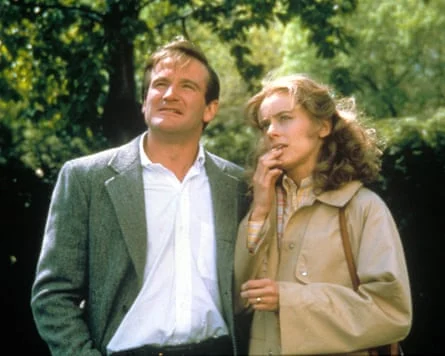
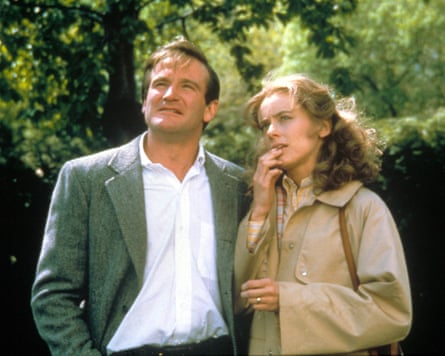
The following years saw Hurt solidify her status with memorable roles in a string of notable films. She starred alongside Robin Williams in George Roy Hill’s critically acclaimed "The World According to Garp" (1982), a film that explored themes of gender, identity, and unconventional family structures. Her ability to inhabit characters with a quiet strength and emotional vulnerability became a hallmark of her performances.

Other significant film credits include "Slaves of New York" (1989), a look at the downtown art scene, and two highly regarded films from 1993: Martin Scorsese’s period drama "The Age of Innocence," based on Edith Wharton’s novel, and Fred Schepisi’s "Six Degrees of Separation," a thought-provoking examination of race, class, and deception.
Hurt also had a notable collaboration with her husband, Paul Schrader. She appeared in his directorial efforts "Light Sleeper" (1992) and "Affliction" (1997). Her presence in these films added another layer of gravitas to Schrader’s often dark and psychologically complex narratives.
A Deliberate Choice of Roles
Throughout her career, Mary Beth Hurt maintained a conscious and strategic approach to selecting her projects. In a 1989 interview with The New York Times, she articulated her philosophy on choosing roles, stating, "Fifty per cent of the roles I’m offered in films are nothing. I don’t mean size-wise. There’s nothing of any interest in them. So I do the ones that are interesting, unless I haven’t done one in a long while. Then I’ll do one that isn’t interesting." This statement reveals a commitment to artistic integrity and a dedication to engaging with characters that offered her an opportunity for genuine exploration and expression.
This selective approach extended to her preference for ensemble work over leading roles. In a 2010 interview, she elaborated on this preference, explaining, "I’ve never been extremely comfortable playing the lead. I don’t like the responsibility; there’s a feeling that I have to be good. Besides, I found secondary parts much more interesting, especially when I was younger and the ingenue roles were pretty bland." This perspective highlights her understanding of character dynamics and her appreciation for the collaborative nature of filmmaking and theater. She found greater artistic satisfaction in contributing to the richness of a story through well-crafted supporting roles, often portraying characters who were integral to the narrative’s thematic development.
Later Career and Personal Life
Hurt’s later filmography continued to feature her in impactful roles, demonstrating her enduring talent. She appeared in films such as "Lady in the Water" (2006), directed by M. Night Shyamalan, a fantasy drama that explored storytelling and mythology. She also featured in "The Exorcism of Emily Rose" (2005), a supernatural horror film, and "Young Adult" (2011), a sharp comedy-drama penned by Diablo Cody. Her final film appearance was in "Change in the Air" (2018).
Her personal life was marked by two significant marriages. She was first married to actor William Hurt from 1971 to 1982. Following their divorce, she married writer and director Paul Schrader, with whom she shared a deep professional and personal connection.
In 2023, Paul Schrader shared an update on Mary Beth Hurt’s health, posting that she had been moved to a memory care facility in New York. This news offered a glimpse into the private struggles she had been facing with Alzheimer’s disease in her final years.
A Legacy of Quiet Strength
Mary Beth Hurt’s passing leaves a void in the acting community, a space once filled by her compelling performances characterized by intelligence, emotional depth, and an understated power. Her ability to imbue characters with a quiet ferocity, as described by her family, allowed audiences to connect with the complexities of human experience on a profound level.
The news of her death has resonated with colleagues and admirers, who have begun to share their memories and tributes. The artistic community mourns the loss of a performer who consistently elevated the material she was given, leaving an indelible mark on the films and plays she graced. Her legacy is not only defined by the roles she played but also by the integrity and passion she brought to her craft, inspiring future generations of actors to pursue meaningful and impactful storytelling.
The Alzheimer’s Association estimates that over 6 million Americans are living with Alzheimer’s disease, a progressive neurodegenerative disorder that affects memory, thinking, and behavior. The disease’s impact extends beyond the individual, profoundly affecting families and loved ones who navigate the challenging journey of caregiving and remembrance. Mary Beth Hurt’s battle with Alzheimer’s highlights the pervasive nature of this illness and the courage required to face its debilitating effects. Her family’s acknowledgment of her release from suffering offers a measure of peace to those who cared for her and admired her work.
Her marriage to William Hurt, another prominent actor who himself passed away in 2022, marked a significant chapter in her life and career. Their union, though ending in divorce, was a part of Hollywood history, and both actors went on to forge independent and successful paths. Her subsequent marriage to Paul Schrader, a filmmaker known for his auteurist vision, allowed for a creative partnership that enriched both their lives and careers.
The mention of her reunion with her sisters in the family’s statement suggests a poignant personal narrative of loss and peace, adding a layer of intimate reflection to the public announcement of her death. This personal context, shared with vulnerability, underscores the multifaceted nature of her life beyond her celebrated professional achievements.
Mary Beth Hurt’s contribution to cinema and theater is a testament to the power of thoughtful performance and a commitment to artistic excellence. Her passing at 79 marks the end of an era for an actress who consistently delivered performances of remarkable depth and authenticity, leaving behind a body of work that will continue to be appreciated for its nuanced portrayal of the human condition.