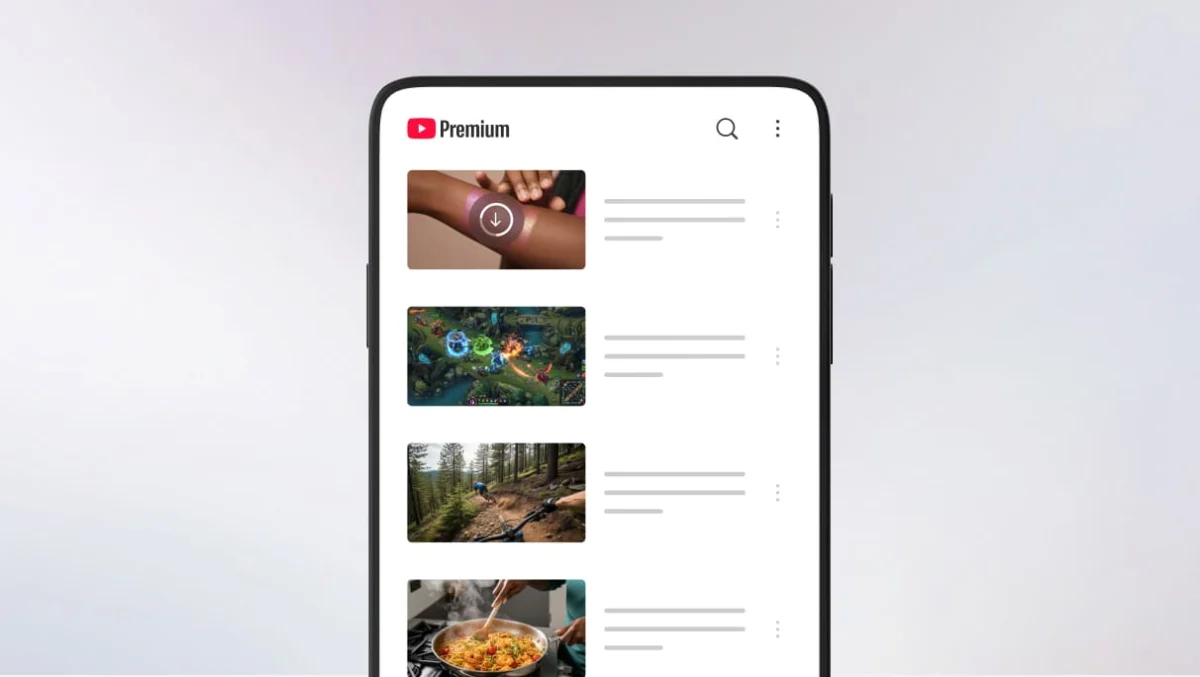
YouTube, the global leader in streaming video and a primary subsidiary of Alphabet Inc., has officially announced a price increase for its suite of subscription services, including YouTube Premium, YouTube Music, and the recently introduced Premium Lite. This adjustment, which marks the most significant shift in the platform’s pricing structure in recent years, comes as the streaming industry faces mounting economic pressures and a universal trend toward "streamflation." Effective immediately for new subscribers, the price hike reflects the company’s stated commitment to balancing high-quality user experiences with the financial sustainability of the artists and content creators who provide the platform’s massive library of media.
Under the new pricing architecture, the core YouTube Premium plan—which offers an ad-free experience, background play, and offline downloads—will see a $2 monthly increase, rising from $13.99 to $15.99. For many long-term users, this represents a notable shift in the value proposition of the service. Meanwhile, the standalone YouTube Music plan and the experimental Premium Lite plan will each see a $1 monthly increase, bringing their costs to $11.99 and $8.99, respectively. The most substantial change occurs within the Family Plan, which is designed to provide access for up to six household members. This tier will rise by $4 per month, reaching a new monthly rate of $26.99.
A Detailed Breakdown of the New Pricing Tiers
The updated pricing structure is designed to segment YouTube’s massive audience into various service levels based on their specific consumption habits. The core YouTube Premium service remains the flagship offering, providing a comprehensive package that removes advertisements from all videos across all devices, including smart TVs and gaming consoles. Additionally, it allows for "background play," a feature that has become essential for users who utilize YouTube for podcasts or music while multitasking on mobile devices.
The YouTube Music tier is positioned as a direct competitor to industry titans like Spotify and Apple Music. At $11.99 per month, it provides an ad-free music experience and access to a library that YouTube now claims exceeds 300 million tracks. This library is unique in the industry because it integrates official studio releases with live performances, remixes, and user-uploaded covers that are not available on other platforms.
Premium Lite, which was introduced to select markets and recently expanded, serves as a middle ground for users primarily concerned with ad reduction. While it does not include the full suite of features like offline downloads or background play, and some ads may still appear on specific content, it offers a lower entry point for those seeking a less interrupted viewing experience.
The Family Plan, despite its $4 increase, remains a focal point for household value. At $26.99, the cost per user (if the maximum of six members is reached) remains significantly lower than individual subscriptions. However, YouTube has tightened its enforcement of household requirements, ensuring that all members on a family plan reside at the same physical address to prevent unauthorized account sharing.
Chronology of YouTube’s Subscription Evolution
To understand the current price hike, it is necessary to look at the evolution of YouTube’s monetization efforts over the past decade. The platform has transitioned from a purely ad-supported model to a sophisticated hybrid ecosystem.
- 2014: The Launch of Music Key. YouTube first dipped its toes into the subscription model with "Music Key," a beta service that provided ad-free music videos and background play for a limited audience.
- 2015: YouTube Red. The service was rebranded as "YouTube Red," expanding ad-free viewing to all videos on the platform and introducing original programming known as "YouTube Originals."
- 2018: The Transition to Premium. YouTube Red was retired in favor of "YouTube Premium," which decoupled the music service from the video service while offering a bundled option. It was during this period that the $11.99 price point for Premium became the standard.
- 2022-2023: Incremental Adjustments. In late 2022, YouTube raised the price of the Family Plan in the United States. This was followed by a 2023 price hike for individual plans, which saw the base rate move to $13.99.
- 2024-2025: The Current Landscape. The latest announcement represents a continuation of this upward trajectory, as the company seeks to align its revenue with the increasing costs of licensing, infrastructure, and creator payouts.
Market Context and the "Streamflation" Phenomenon
YouTube’s decision does not occur in a vacuum. The entire digital media landscape is currently undergoing a period of significant price correction. For years, streaming services operated at a loss or with razor-thin margins to capture market share. Now, as the market reaches saturation and investor pressure for profitability increases, companies across the board are raising rates.
Netflix, the pioneer of the subscription video-on-demand (SVOD) model, raised its prices in March, with increases ranging from $1 to $2 across its various tiers. Amazon Prime Video followed suit by introducing an additional $2.99 monthly charge for users who wish to maintain an ad-free experience. In the music sector, Spotify raised the cost of its core Premium plan to $11.99 earlier this year, matching the new price point set by YouTube Music.
This collective movement, dubbed "streamflation" by industry analysts, reflects the rising costs of content production and the increased technical overhead required to stream high-definition and 4K video to billions of users globally. For YouTube, the challenge is unique because it must manage not only licensed content but also a staggering volume of user-generated content, which requires massive server capacity and advanced AI moderation tools.
Official Response and Strategic Justification
In a statement provided to The Hollywood Reporter, a YouTube spokesperson emphasized that the price adjustment is necessary to sustain the platform’s complex ecosystem. "We’re updating the price for YouTube Premium plans in the US for the first time since 2023 to continue delivering a high-quality experience that supports creators and artists on YouTube," the spokesperson stated. "This change allows us to maintain the features our members value most: ad-free viewing, background play, and a massive library of 300M+ tracks on YouTube Music."
The company’s focus on supporting "creators and artists" is a key component of its public relations strategy. Unlike traditional streaming services that pay for licensed content, YouTube operates a revenue-sharing model. A portion of the revenue generated from YouTube Premium subscriptions is distributed to creators based on how much time Premium subscribers spend watching their videos. By increasing the subscription price, YouTube effectively increases the pool of funds available to its creator base, which is vital for retaining talent in an era where platforms like TikTok and Instagram are aggressively competing for the same pool of influencers.
Supporting Data: The Scale of YouTube’s Operations
The financial and operational scale of YouTube is nearly unparalleled in the media world. Recent data highlights why the platform remains a dominant force despite the price increases:
- Subscriber Growth: As of the most recent public disclosures, YouTube has surpassed 125 million subscribers across its Premium and Music tiers. While this is a fraction of its total 2.5 billion monthly active users, the subscription segment represents a rapidly growing and highly stable revenue stream compared to the volatility of the advertising market.
- Revenue Contribution: In Alphabet’s quarterly earnings reports, YouTube’s advertising revenue often exceeds $8 billion per quarter. However, the "Google Other" category, which includes YouTube subscriptions, has shown consistent double-digit growth, indicating that the platform is successfully diversifying its income.
- Content Library: YouTube Music’s library of 300 million tracks dwarfs the approximately 100 million tracks typically cited by Spotify and Apple Music. This is largely due to the inclusion of non-traditional audio content.
- Viewing Habits: According to Nielsen’s "The Gauge" report, YouTube consistently accounts for the largest share of TV viewing time in the United States among streaming platforms, often surpassing Netflix. This high engagement level provides YouTube with significant pricing power, as users are less likely to cancel a service they use daily.
Analysis of Broader Implications and Future Outlook
The price hike for YouTube Premium suggests several long-term implications for the digital economy. First, it signals the end of the "cheap content" era. As the cost of living and the cost of doing business rise, digital services are no longer exempt from inflationary pressures. Consumers are being forced to become more selective about their "subscription stacks," potentially leading to a rise in "churn"—the rate at which users cancel and renew services based on specific content releases or financial constraints.
Second, the increase reinforces the importance of the "bundle." By offering Music and Video together in the Premium tier, YouTube creates a "sticky" product. A user might be willing to leave a video-only service, but they are less likely to leave a service that also serves as their primary music provider and podcast player.
Finally, the move highlights the tension between the free and paid versions of the internet. As YouTube makes its paid tier more expensive, it may also increase the ad load on its free tier to encourage conversions. This strategy, while effective for driving revenue, risks alienating the platform’s massive base of free users.
In conclusion, while the price increase may be met with initial resistance from some consumers, YouTube’s dominant market position and unique content offering provide it with a robust buffer. By aligning its prices with industry standards and emphasizing the support of the creator economy, YouTube is positioning itself to maintain its status as the world’s largest media company while navigating the complexities of a shifting economic landscape. Subscribers can expect the new rates to appear on their next billing cycle, marking a new chapter in the platform’s ongoing evolution.