The conclusion of the eighth season of Outlander on the Starz network has marked a significant milestone in the landscape of contemporary period dramas, bringing a televised journey that began in 2014 to a formal close. On Friday, May 15, 2026, the series aired what was billed as its final episode, concluding over a decade of storytelling centered on the lives of Claire and Jamie Fraser. However, the nature of the series finale, characterized by its narrative ambiguity and the continued literary output of author Diana Gabaldon, has prompted industry analysts and the show’s global audience to question whether the franchise has truly reached its definitive end. While Starz has maintained that Season 8 serves as the series’ conclusion, the surrounding circumstances—including the production of a prequel series and the existence of unadapted source material—suggest that the Outlander universe may be entering a new phase of expansion rather than a permanent retirement.
The Narrative Landscape of the Season 8 Finale
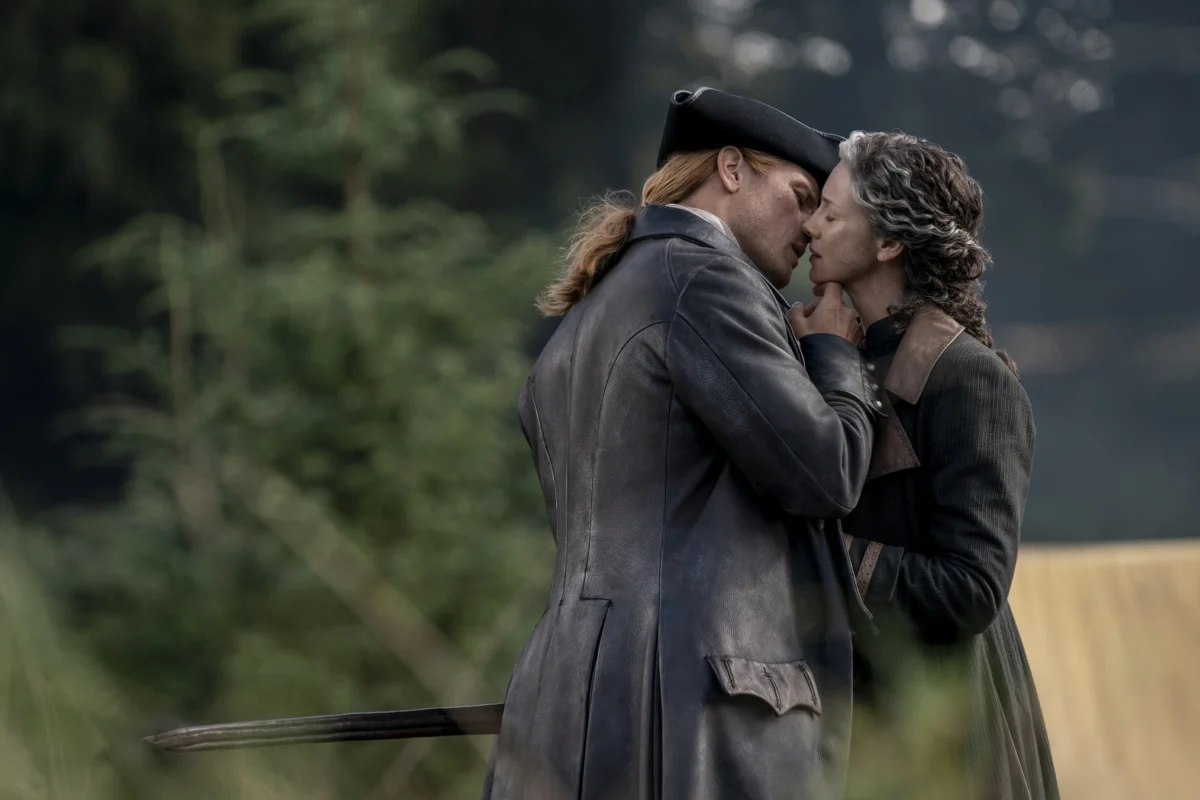
The series finale of Outlander was designed to provide a sense of closure while simultaneously respecting the ongoing nature of the characters’ lives within the source material. Inspired by Diana Gabaldon’s internationally bestselling novels, the television adaptation has navigated the complexities of time travel, historical upheaval, and multi-generational family dynamics. The final episode of Season 8, which aired in the spring of 2026, left the ultimate fate of Jamie Fraser (Sam Heughan) and Claire Fraser (Caitriona Balfe) open to interpretation. This creative decision was a departure from the more definitive resolutions seen in other long-running dramas, leading to immediate speculation regarding a potential revival or a series of follow-up films.
Showrunner Matthew B. Roberts has addressed these speculations with measured optimism. During a post-finale interview, Roberts indicated that while the current production cycle has concluded, the creative team remains open to revisiting the world of the Frasers. The ambiguity of the finale serves a dual purpose: it allows the television series to stand as a complete work while leaving the door ajar for future adaptations of Gabaldon’s forthcoming literary works.
Chronology of the Outlander Television Franchise
To understand the current status of the franchise, it is necessary to examine the timeline of its development and its impact on the Starz network’s programming strategy:
- August 2014: Outlander premieres on Starz, adapted from the first novel in Diana Gabaldon’s series. It quickly becomes a flagship program for the network, noted for its high production values and faithful adaptation of the source material.
- 2014–2023: The series spans seven seasons, covering the events of the first seven novels. During this period, the show becomes a significant driver of international tourism to Scotland, a phenomenon dubbed "The Outlander Effect."
- 2024: Production begins on the eighth and final season. Simultaneously, Starz announces the development of a prequel series, Outlander: Blood of My Blood.
- May 15, 2026: The Season 8 finale airs. The episode concludes the primary narrative of the Frasers as established in the television writers’ room, but does not encompass the entirety of the planned book series.
The Discrepancy Between Screen and Page
One of the primary drivers for a potential Season 9 or a sequel project is the status of the Outlander literary series. Diana Gabaldon has consistently stated that her saga will comprise ten main novels. At the time of the Season 8 finale, the television show had largely exhausted the material from the ninth book, "Go Tell the Bees That I Am Gone." However, Gabaldon is currently working on the tenth and final novel, titled "A Blessing For A Warrior Going Out."
Because the television series concluded before the publication of the tenth book, a significant portion of the Frasers’ ultimate story remains unfilmed. This creates a unique situation in the television industry, similar to the divergence seen in HBO’s Game of Thrones, though in this instance, the show has ended before the author could provide the final written roadmap. If Starz or another production entity were to greenlight a ninth season or a limited event series in the future, the narrative would likely center on the events of "A Blessing For A Warrior Going Out," providing a bridge between the ambiguous TV finale and the author’s intended conclusion.
Economic and Cultural Impact: The Outlander Effect
The potential for Outlander’s continuation is not merely a creative consideration but an economic one. The series has been a cornerstone of Starz’s subscription model. Data from the network and third-party analytics firms indicate that Outlander consistently ranked among the top original programs for viewer retention and international licensing revenue.
Furthermore, the "Outlander Effect" on the Scottish economy has been documented by VisitScotland, the national tourism organization. Since the show’s debut, historic sites featured in the series, such as Doune Castle (standing in for Castle Leoch) and Blackness Castle (Fort William), have seen increases in visitor numbers exceeding 200%. The production also fostered a robust local film industry, providing thousands of jobs and training opportunities for Scottish crews. The cessation of the series represents a potential shift in these economic benefits, providing a secondary incentive for stakeholders to maintain the franchise through spin-offs or eventual revivals.

Expansion Through Prequels: Blood of My Blood
While the future of the main series remains uncertain, the franchise is officially continuing through the prequel series, Outlander: Blood of My Blood. This project explores the origins of the Fraser and Beauchamp families, focusing on the parallel love stories of Jamie Fraser’s parents, Ellen MacKenzie and Brian Fraser, in 18th-century Scotland, and Claire Fraser’s parents, Julia Moriston and Henry Beauchamp, in World War I-era England.
The existence of Blood of My Blood suggests that Starz is committed to the Outlander intellectual property (IP) as a "universe" rather than a single narrative thread. By diversifying the timeline, the network can maintain the brand’s presence without requiring the immediate return of the original lead actors, Caitriona Balfe and Sam Heughan, who have expressed interest in pursuing other professional projects after twelve years with the franchise.
Potential Cast Re-engagements and Future Formats
Industry experts suggest that if Outlander were to return, it might not take the form of a traditional sixteen-episode season. Given the rising costs of period drama production and the busy schedules of its stars, a more likely scenario involves a limited series or a series of television films. This format would allow the original cast—including Balfe, Heughan, Sophie Skelton (Brianna), and Richard Rankin (Roger)—to return for a condensed filming schedule to adapt the final novel.
In statements regarding their departure from the roles, both Balfe and Heughan have spoken of the deep emotional connection they share with the characters. While they have transitioned into executive producer roles and expanded their careers into film and other television ventures, neither has explicitly ruled out a return to the roles of Claire and Jamie under the right creative circumstances.
Analysis of the Series Finale’s Implications
The decision to end Season 8 on a "vague note" is a strategic narrative choice. In the context of the series, Jamie and Claire have always existed in a state of flux, caught between different centuries and warring political factions. By leaving their fate interpretative, the writers have avoided the "definitive death" trope, thereby preserving the viability of the characters for future stories.
From a journalistic perspective, this move reflects a broader trend in "peak TV," where successful franchises rarely stay dormant. Networks increasingly rely on established IP with built-in fan bases to mitigate the risks of new content development. Given Outlander’s high engagement metrics, the "Series Finale" label may be viewed as the end of a specific production contract rather than the end of the narrative itself.
Conclusion and Strategic Outlook
As of mid-2026, the official position of Starz remains that Outlander has concluded its run with Season 8. However, the confluence of an unfinished literary saga, a dedicated global audience, and a proven economic track record suggests that the franchise is in a state of hiatus rather than termination. The launch of Outlander: Blood of My Blood will serve as a critical test for the brand’s longevity without its primary protagonists.
Should the prequel succeed in maintaining the network’s viewership standards, the pressure to adapt Diana Gabaldon’s tenth book into a televised event will likely intensify. For now, the legacy of Outlander stands as a landmark achievement in cable television, having successfully blended historical fiction, romance, and science fiction into a cohesive narrative that spanned over a decade. The Frasers’ journey on screen may have paused, but the infrastructure for its continuation remains firmly in place, awaiting the final chapters of the written word.