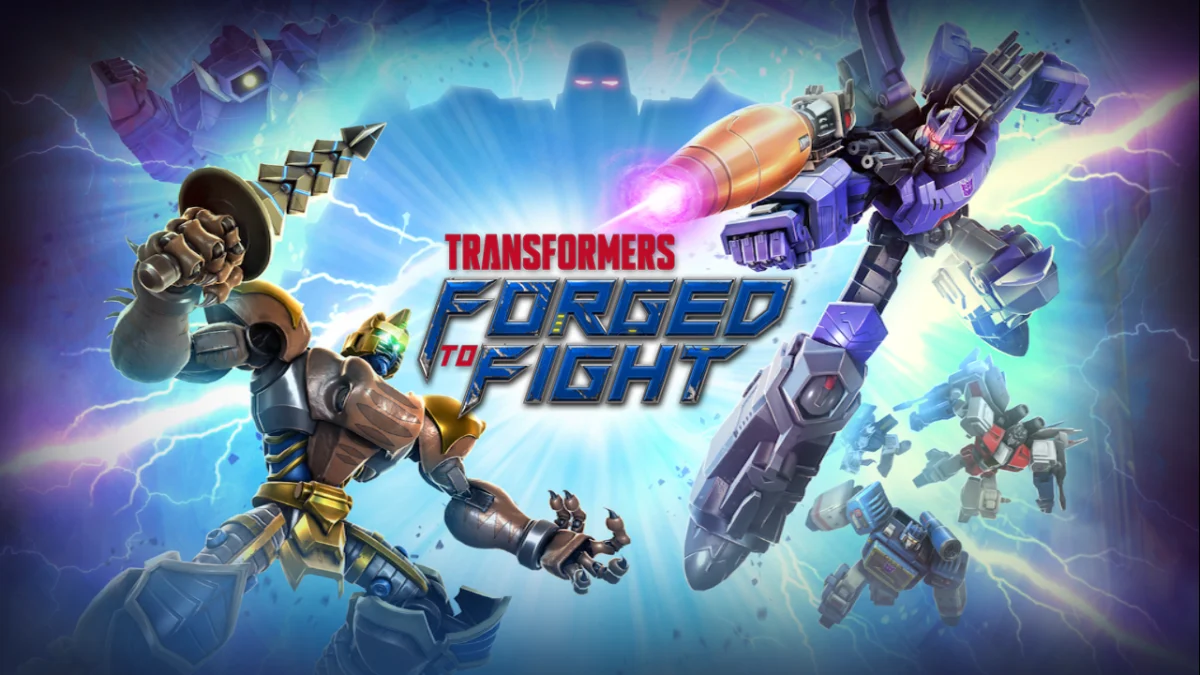
The digital battlefield for Autobots and Decepticons on Netflix is set to fall silent once more, as the action-RPG TRANSFORMERS Forged to Fight is officially slated to depart the Netflix Games library on May 8th, 2026. This announcement, confirmed via an in-app notice within the Netflix ecosystem, marks a significant moment for the title, representing its second cessation of service in a span of just three years and reigniting discussions about the ephemeral nature of licensed digital content and the evolving strategy of Netflix’s burgeoning gaming division.
A Brief History of Cybertronian Combat on Mobile
TRANSFORMERS Forged to Fight, originally developed and published by Kabam, first burst onto the mobile gaming scene in April 2017. Launched across iOS and Android platforms, it quickly garnered attention for its unique blend of 3D fighting mechanics, deep character customization, and base-building elements. Players were invited to assemble an ultimate team of Autobots and Decepticons from across the vast Transformers multiverse, engaging in intense one-on-one arena battles, exploring dynamic environments, and defending their own outposts against enemy incursions. The game featured an impressive roster of iconic characters, from Optimus Prime and Megatron to more niche fan favorites, each with unique abilities and transformations, appealing to a broad spectrum of Transformers enthusiasts.
Kabam, a well-known developer in the mobile gaming space with titles like Marvel Contest of Champions under its belt, initially invested heavily in Forged to Fight, providing regular content updates, new characters, and seasonal events that kept the player base engaged. However, like many live-service mobile games, Forged to Fight eventually faced the challenges of maintaining a consistent player count and generating sufficient revenue to support ongoing development. Despite its initial popularity, the game’s independent servers were officially shut down by Kabam in early 2023, effectively rendering the game unplayable for its dedicated community. This initial shutdown left many fans disappointed, seemingly consigning the title to the ever-growing "digital graveyard" of discontinued mobile games.
Yet, a lifeline emerged. Just months after its initial closure, on May 10th, 2023, TRANSFORMERS Forged to Fight made a surprising comeback, relaunched exclusively as part of the Netflix Games catalog. This revival offered a new lease on life for the title, presenting it to a vast audience of Netflix subscribers who could access it without ads or in-app purchases – a key differentiator for Netflix’s gaming strategy. The move was heralded by some as a positive example of game preservation and a way to introduce beloved titles to new players, free from the typical monetization pressures of the free-to-play mobile market.
Netflix’s Ambitious Foray into Gaming
Netflix’s venture into video games officially commenced in late 2021, marking a strategic pivot for the streaming giant beyond its core video content. The company’s rationale was multi-faceted: to increase subscriber engagement, reduce churn, and diversify its entertainment offerings in an increasingly competitive market. Initially, Netflix adopted a strategy of curating a library of mobile-first titles, including both licensed intellectual properties and original games developed in-house or by acquired studios. The value proposition for subscribers was clear: access to a growing collection of premium mobile games, completely free of ads, additional purchases, or separate subscriptions, all included with their existing Netflix membership.
Over the past few years, Netflix has steadily expanded its gaming portfolio, which now boasts over 90 titles, ranging from casual puzzle games to critically acclaimed indie darlings and high-profile licensed productions. The initial wave included a mix of genres and experiences, designed to appeal to a broad audience. This expansion was not without significant investment, with industry analysts estimating Netflix’s spending on its gaming division to be in the hundreds of millions of dollars, aimed at acquiring studios, licensing popular IPs, and developing exclusive content. The goal was to establish Netflix not just as a leader in streaming media, but as a formidable player in the global gaming market, which consistently outperforms film and music industries combined in terms of revenue. The company’s ambition has also seen it branch out into cloud gaming trials and a greater focus on games playable on television sets, further blurring the lines between its traditional streaming service and a comprehensive entertainment platform.
The Lifecycle of a Licensed Game: A Three-Year Run Concludes
The impending departure of TRANSFORMERS Forged to Fight on May 8th, 2026, precisely two days shy of its three-year anniversary on the Netflix platform, strongly indicates the expiration of a standard licensing agreement. In the entertainment and gaming industries, it is common practice for companies like Netflix to license third-party content for a predetermined period, often ranging from one to five years, with three-year terms being particularly prevalent for mobile titles. These agreements dictate the terms of distribution, including duration, geographic availability, and financial arrangements.
For TRANSFORMERS Forged to Fight, this suggests that the initial agreement between Netflix and Kabam (or Hasbro, the ultimate rights holder of the Transformers IP) has simply run its course. The decision not to renew such an agreement can stem from various factors. Economically, renewal costs can be substantial, and if a game’s engagement metrics or perceived value to the subscriber base do not justify the expense, companies often opt to let the license lapse. From a strategic perspective, Netflix may be re-evaluating its gaming portfolio to focus on titles that better align with its evolving content strategy, perhaps prioritizing newer, more exclusive games or those that integrate more deeply with its own original IPs. The lack of significant updates or ongoing support for Forged to Fight during its Netflix tenure further supports the notion that it was likely a fixed-term arrangement without long-term renewal intentions, especially if the game was not a major driver of new subscriptions or engagement.
Player Experience and Lingering Frustrations
For the community of players who embraced TRANSFORMERS Forged to Fight on Netflix, its second shutdown is likely to be met with a mixture of disappointment and resignation. While the game offered a compelling experience, allowing players to delve into a deep fighting and role-playing system, building their dream team of Cybertronian warriors, its journey on Netflix was not without its drawbacks.
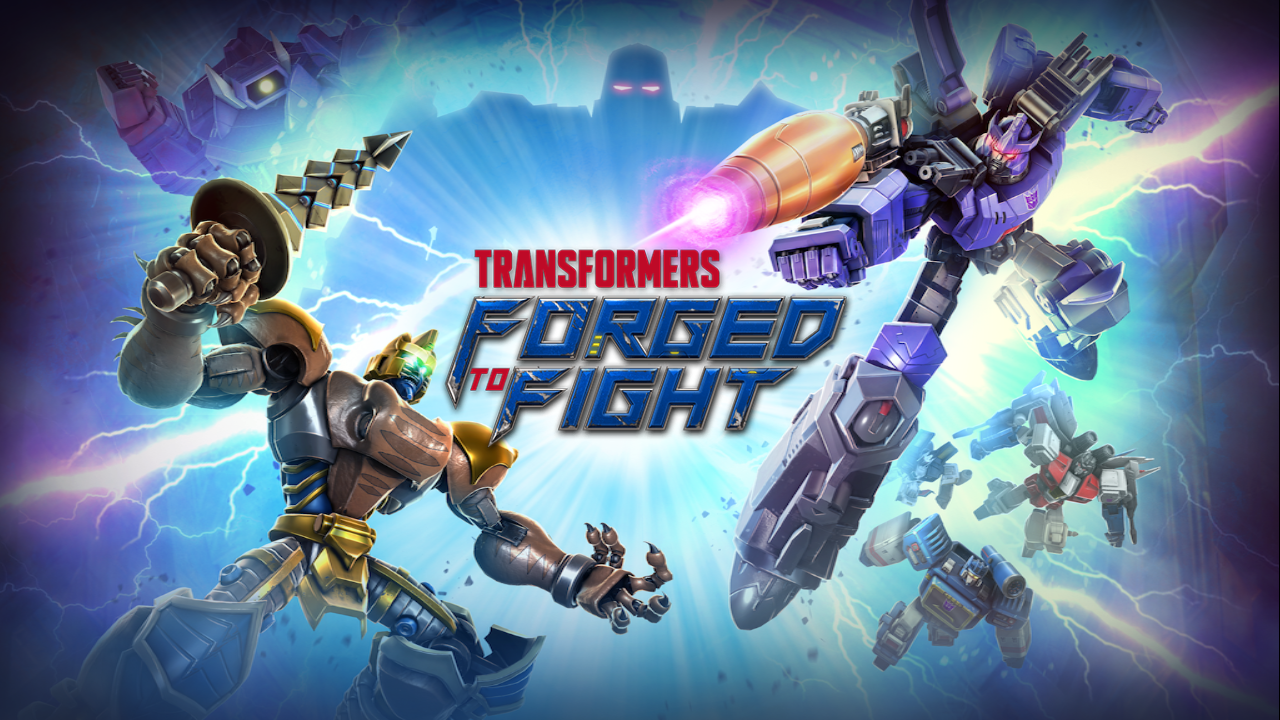
Despite its revival, the game was "largely abandoned" in terms of post-launch support. Beyond a few minor content updates early in its Netflix run, the game received minimal attention, leading to a stagnant experience for long-term players. This neglect reportedly resulted in "frequent bugs reported on Reddit," undermining the overall quality of the gameplay experience. Players often found themselves grappling with technical glitches, balance issues, or a lack of fresh content, which naturally eroded engagement over time.
A critical concern for players is the game’s reliance on a constant internet connection and Netflix’s cloud saving infrastructure. Unlike some single-player mobile titles that might allow for offline play or local saves, TRANSFORMERS Forged to Fight‘s online-only nature means that once the servers are pulled from the Netflix ecosystem, all player progression, meticulously built teams, and acquired resources will be effectively "locked away." This raises the poignant issue of digital ownership and the impermanence of game saves tied to external platforms. While some developers, when exiting a streaming service or digital storefront, offer save-transfer options to standalone versions of their games, Kabam has not announced any such plans. This absence of a migration path means that the efforts and time invested by players in building their ultimate roster of Autobots and Decepticons will be irrecoverable, a stark reminder of the fragile nature of digital content in a live-service model.
Kabam’s Silence and Industry Standards
As of the announcement, Kabam, the original developer, has remained publicly silent regarding the game’s second shutdown and its future prospects. While our inquiries for comment from Kabam on whether the game will live on elsewhere following its departure from Netflix have been made, no official statement has been released. This silence, while typical in such situations where licensing agreements are proprietary, contributes to the uncertainty for players.
In the broader mobile gaming industry, the practice of offering save-transfer options varies wildly. For a game that has already seen one shutdown and subsequent revival, the technical and logistical challenges of setting up a new, independent server infrastructure for Forged to Fight—or even a simple save export/import tool—might be deemed too costly or complex for a title that is already being sunsetted. Developers must weigh the cost of supporting an older game against the potential return on investment, and for a game that has already demonstrated declining engagement, such an undertaking is often not prioritized. This leaves players in a difficult position, forced to accept the inevitable loss of their digital progress.
Netflix’s Evolving Gaming Portfolio: Shifting Priorities
The removal of TRANSFORMERS Forged to Fight is not an isolated incident but rather a continuation of a "noticeable trend" that Netflix has been demonstrating over the past few years. As the initial wave of gaming licensing deals begins to expire, the company has been "quietly trimming down its older mobile catalog" to make strategic room for "newer, high-profile ventures." To date, "over 50 games have been removed" from the Netflix Games library, indicating a dynamic and often ruthless approach to content curation. While the article initially mentions Tomb Raider: Reloaded, Grand Theft Auto: San Andreas, and Hades as high-profile titles, it’s important to note that GTA: San Andreas and Hades are still available. However, Tomb Raider: Reloaded was indeed among the titles removed, signaling this active curation.
This pattern suggests a strategic shift within Netflix’s gaming division. Having launched with a broad array of titles to establish its presence, the company is now refining its focus. There’s a clear emphasis on "party games," designed to leverage the "living room" experience and promote social interaction, aligning with Netflix’s family-friendly brand image. Furthermore, Netflix is actively pursuing "more high-profile licensed pickups" such as the highly anticipated Red Dead Redemption (scheduled for release on the platform) and developing "massive IP tie-ins," often based on its own successful TV shows and films. This strategy aims to create stronger synergy between its video content and gaming offerings, potentially drawing in existing subscribers to the gaming section and attracting new ones.
The evolution of Netflix’s gaming strategy reflects the broader challenges of operating a subscription-based gaming service. User acquisition and retention are paramount, and constantly refreshing the library with engaging, high-quality titles is crucial. While quantity was perhaps an initial goal, the current trend points towards a focus on quality, exclusivity, and titles that can generate significant buzz or cater to specific, growing market segments, such as casual gaming and family entertainment.
Broader Implications for Digital Game Preservation
The repeated shutdowns of TRANSFORMERS Forged to Fight serve as a potent reminder of the inherent impermanence of digital-only, server-dependent games, especially those reliant on licensing agreements. In an era where physical media is increasingly rare and games are often distributed as live-service titles requiring constant online connectivity, the concept of long-term digital preservation faces significant hurdles. When a game’s existence is tied to the financial viability of its servers, the renewal of licenses, or the strategic decisions of platform holders, its lifespan can be unexpectedly cut short.
For consumers, this means that investments in time, effort, and sometimes even real money (in the original free-to-play model) can be rendered moot without warning. The "digital graveyard" is a growing concern for gaming historians, archivists, and passionate players alike, as countless titles disappear from public access, becoming unplayable and lost to future generations. The case of Forged to Fight highlights the need for robust industry standards for game preservation, whether through offline play options, open-source initiatives, or guaranteed access to server infrastructure for discontinued titles.
A Final Warning to Commanders
For players still immersed in the world of TRANSFORMERS Forged to Fight on Netflix, consider this your urgent, one-month warning. With the May 8th, 2026, deadline rapidly approaching, the clock is ticking to wrap up your campaigns, grind out those last arena victories, or simply enjoy a final few battles with your favorite bots. Once the game is delisted from the iOS and Google Play stores under the Netflix publisher banner, and its cloud saving infrastructure is disconnected, your progression will be effectively lost. Make the most of your remaining time on Cybertron, as this chapter of TRANSFORMERS Forged to Fight is soon to be permanently closed.