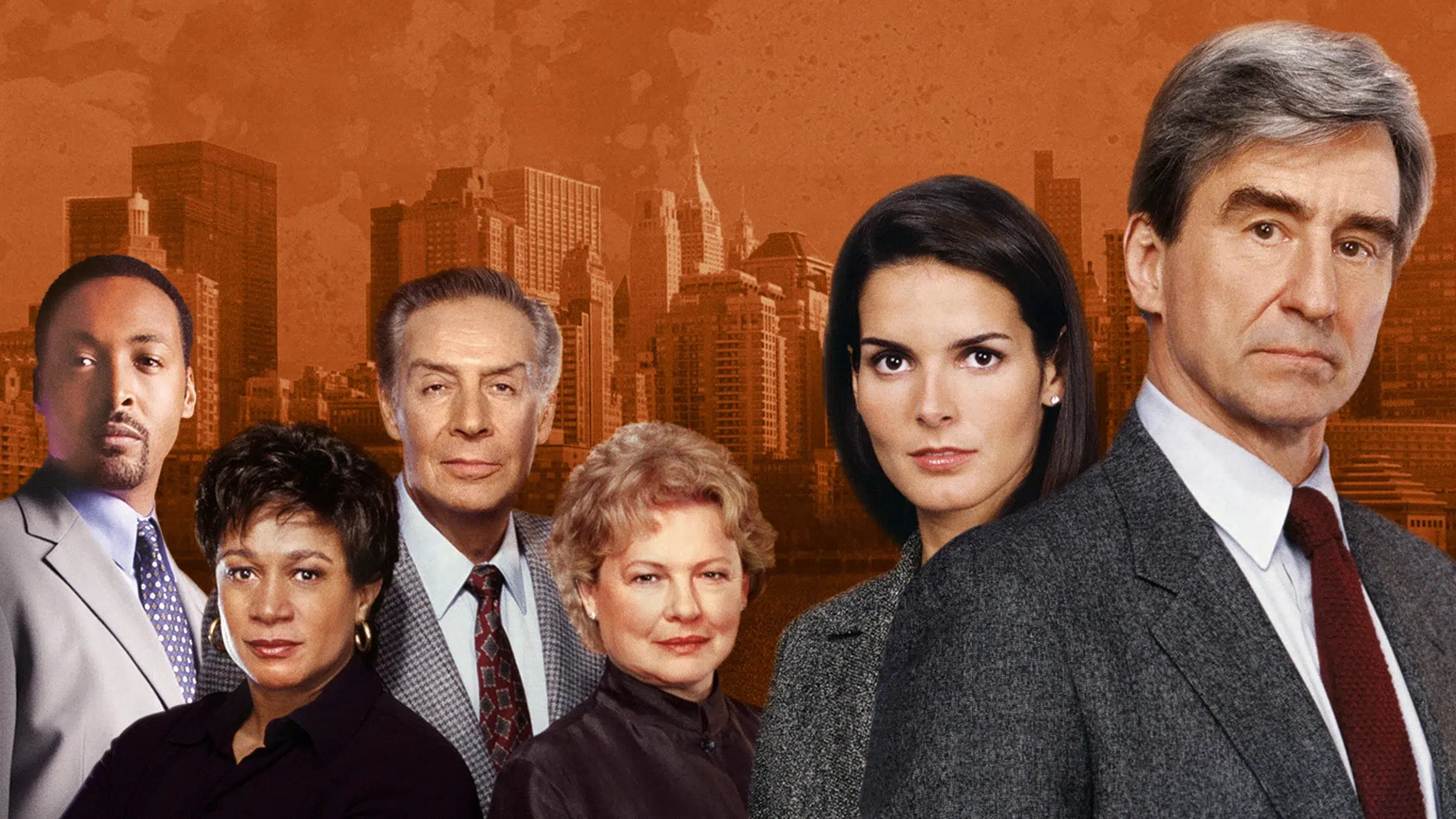
In a strategic move poised to significantly bolster its licensed content library, Netflix has announced the acquisition of streaming rights for the original Law & Order series, Dick Wolf’s seminal procedural drama. The iconic show, a cornerstone of American television for decades, is set to make its debut on the streaming giant this coming Monday, April 20th, exclusively for Netflix US subscribers. This unexpected addition to April’s release roster signals a notable shift in content distribution strategies, bringing one of television’s most enduring franchises to a platform where it has previously only hosted spin-offs.
The announcement, a last-minute surprise for many industry observers and fans alike, confirms a deal struck with NBCUniversal to license the classic iteration of the crime and courtroom drama. While the exact number of seasons being made available remains partially under wraps, internal metadata from Netflix servers reportedly indicates the inclusion of at least Seasons 8 and 19, suggesting a substantial, albeit potentially non-sequential, batch of episodes. This marks a significant moment for the series, which has largely resided on NBCUniversal’s in-house streaming service, Peacock, and competitor Hulu in recent years.
The Enduring Legacy of a Television Institution
Law & Order is far more than just a television show; it is a cultural phenomenon that fundamentally reshaped the landscape of episodic drama. Created by Dick Wolf, the series first premiered in 1990 and embarked on an extraordinary 20-season run, concluding its initial broadcast in 2010. Its longevity was unprecedented for a primetime drama at the time, establishing a benchmark for procedural storytelling. The show’s innovative format and compelling narratives earned it numerous accolades, including the Emmy Award for Outstanding Drama Series in 1997, and it consistently drew millions of viewers, becoming a staple in American households.
The brilliance of Law & Order lies in its distinctive bifurcated structure. Each episode meticulously details a criminal investigation from two distinct perspectives: the "Law" and the "Order." The first half immerses viewers in the gritty work of New York Police Department homicide detectives as they investigate a crime, gather evidence, and apprehend suspects. The narrative then seamlessly transitions to the "Order" segment, focusing on the prosecutorial efforts of the District Attorney’s office, showcasing the intricate legal maneuvers, ethical dilemmas, and dramatic courtroom battles required to secure a conviction. This unique format not only provided a comprehensive view of the justice system but also allowed for a rapid-fire exploration of timely and often controversial themes, famously drawing inspiration from "ripped from the headlines" cases.
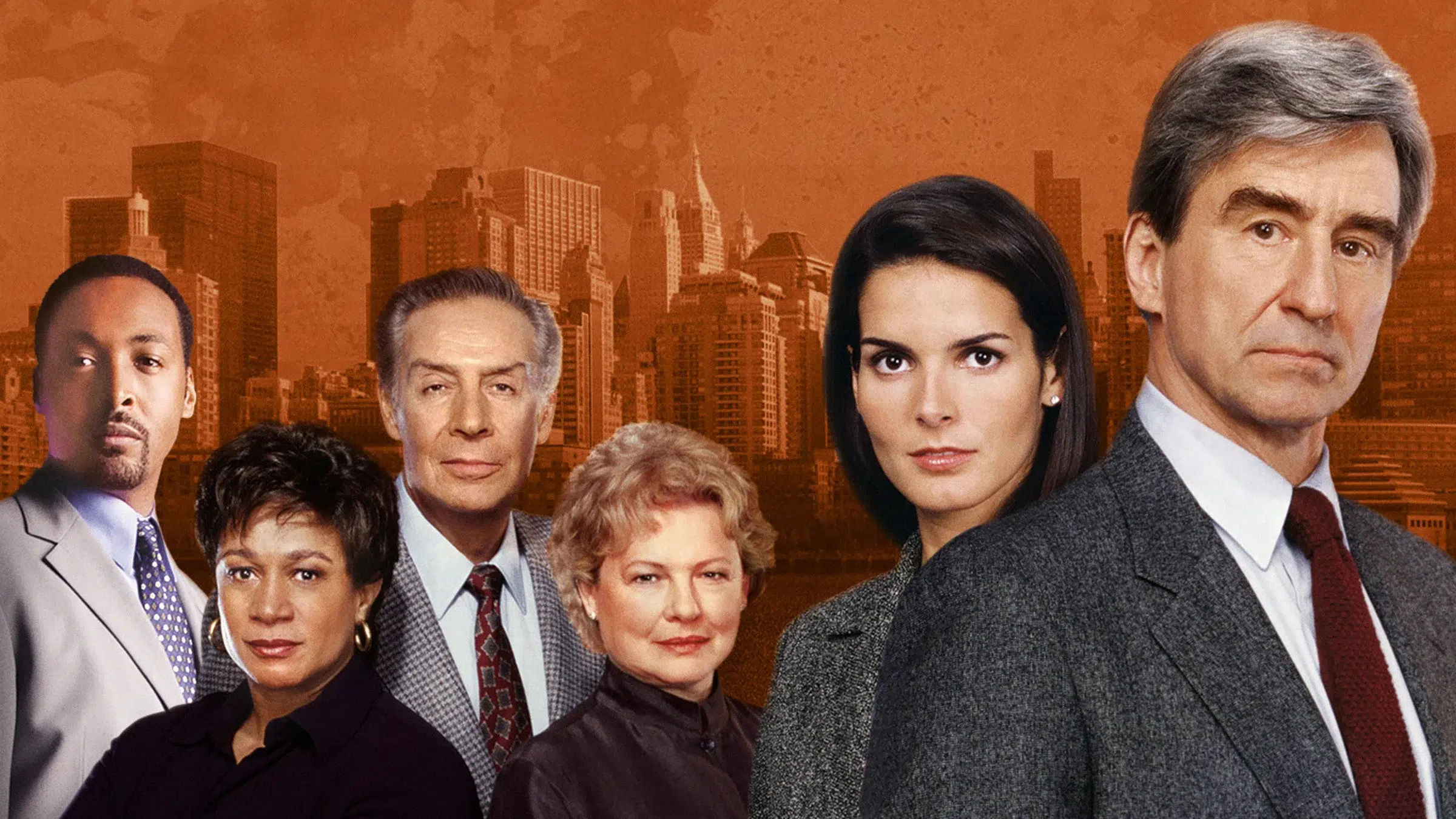
Over its two-decade tenure, Law & Order introduced audiences to a pantheon of memorable characters, whose performances became synonymous with the series. Among the most beloved figures were Jerry Orbach as the wry, street-smart Detective Lennie Briscoe, whose dry wit often cut through the grim realities of crime, and Sam Waterston as the fiercely principled Executive Assistant District Attorney Jack McCoy, whose unwavering commitment to justice defined the show’s moral compass. These characters, alongside a rotating ensemble of talented actors, grounded the series in a sense of authenticity and familiarity, cultivating a loyal fan base that appreciated its consistent quality and intellectual engagement. The show’s ability to offer neatly resolved, self-contained cases within each episode made it an ideal "comfort binge" long before the term became common parlance, a quality that is expected to translate well to the on-demand streaming environment.
The Expansion of the Dick Wolf Universe and Streaming Wars
Law & Order‘s success was so profound that it spawned an entire universe of spin-offs, collectively known as the "Wolfverse." The most prominent of these, Law & Order: Special Victims Unit (SVU), launched in 1999 and has since surpassed the original series in longevity, becoming the longest-running live-action primetime series in television history. Other successful iterations include Law & Order: Criminal Intent, Law & Order: Trial by Jury, and the more recent Law & Order: Organized Crime, alongside the expansion into the Chicago and FBI franchises. This vast empire underscores Dick Wolf’s unparalleled influence on the procedural genre and his mastery of serialized storytelling.
The journey of Law & Order content across various streaming platforms reflects the dynamic and often tumultuous landscape of the streaming wars. For many years, Law & Order: SVU was a highly popular and heavily binged staple of the Netflix US library, contributing significantly to the platform’s viewership. However, as major media conglomerates began to consolidate their content to fuel their proprietary streaming services, SVU was eventually pulled from Netflix. This trend saw NBCUniversal, the parent company of the Law & Order franchise, reclaim much of its valuable intellectual property to bolster Peacock, its own direct-to-consumer offering. The return of the original Law & Order to Netflix, even in a partial capacity, represents a potential strategic recalibration, suggesting that content owners are increasingly open to licensing agreements that generate additional revenue streams while still promoting their in-house platforms.
Which Seasons and the Competitive Landscape
While Netflix has confirmed "a batch of different seasons," the precise catalog remains a subject of considerable speculation among fans and industry analysts. The discovery of official title artwork for Season 8 and Season 19 within Netflix’s servers provides a tantalizing clue, indicating that the selection might span different eras of the show’s original run. This selective licensing approach is not uncommon in the current streaming climate, where rights holders often parcel out specific seasons or limited collections rather than the complete archives. For instance, even Peacock, NBCUniversal’s in-house platform, currently hosts a curated selection of only nine seasons of the flagship Law & Order series, rather than its entire 20-season classic run. Hulu, by contrast, has remained a stronghold for the franchise, currently holding the complete 20-season classic run, making it the most comprehensive streaming destination for purists.
The implications of Netflix securing a "massive batch of episodes" are significant. If the deal encompasses more than a dozen seasons, it would represent a considerable competitive advantage for Netflix’s licensed library, particularly in the ever-intensifying battle for subscriber attention and retention. Procedural dramas, with their self-contained episodes and enduring appeal, are known for their high rewatchability and "comfort viewing" factor, making them valuable assets for any streaming service. This acquisition signals Netflix’s continued commitment to diversifying its content offerings beyond original productions, acknowledging the power of established, beloved franchises in attracting and retaining a broad audience.
Broader Implications and Fan Reception
The decision by NBCUniversal to license Law & Order to Netflix, despite having Peacock, suggests a pragmatic approach to content monetization. While exclusive content is crucial for driving subscriptions to proprietary platforms, the revenue generated from licensing deals with major streamers like Netflix can be substantial. This dual strategy allows content creators to maximize the value of their intellectual property by reaching wider audiences and securing licensing fees, even if it means sharing popular titles with competitors. For Netflix, the move aligns with its ongoing strategy to supplement its robust slate of original programming with highly sought-after licensed content, ensuring a diverse and appealing catalog for its vast subscriber base.
Fan reaction to the news has been overwhelmingly positive, with many expressing excitement at the prospect of revisiting classic episodes of Law & Order on a platform as ubiquitous as Netflix. The show’s distinct "DUN DUN!" sound effect and its iconic opening narration have become deeply ingrained in popular culture, evoking a strong sense of nostalgia for viewers who grew up with the series. The accessibility of a significant portion of the original series on Netflix is expected to introduce it to a new generation of streamers while delighting long-time aficionados who may no longer subscribe to cable or other specialized streaming services.
However, the international audience will have to exercise patience, as this licensed pickup is strictly for Netflix US for the moment. This regional restriction is common in content licensing agreements, reflecting the complexities of global distribution rights. While international subscribers previously gained access to Law & Order: SVU a couple of years prior, the current deal underscores the fragmented nature of global streaming rights, where availability can vary significantly from country to country.
In conclusion, the arrival of Law & Order on Netflix US is more than just another content addition; it is a testament to the enduring power of classic television and a strategic play in the evolving landscape of streaming entertainment. It highlights the fluid nature of content ownership and distribution, where even previously exclusive titles can find new homes to reach broader audiences and generate additional revenue. As of April 20th, Netflix subscribers in the United States can once again immerse themselves in the intricate world of crime and justice, affirming Law & Order‘s timeless appeal and its unwavering status as a television institution.