Horror Franchise Culminates in Gory Spectacle at Panic Fest
The highly anticipated conclusion to Justin M. Seaman’s "The Barn" saga, "The Barn: Part III," made its chilling debut at the recent Panic Fest Film Festival, offering horror aficionados a potent blend of practical effects, relentless gore, and a nostalgic nod to the VHS era of slasher films. While the film eschews complex narrative for visceral thrills, its technical execution and dedication to the genre’s roots have positioned it as a standout independent horror release of the year.
A Legacy of Terror: The Barn’s Enduring Mythos
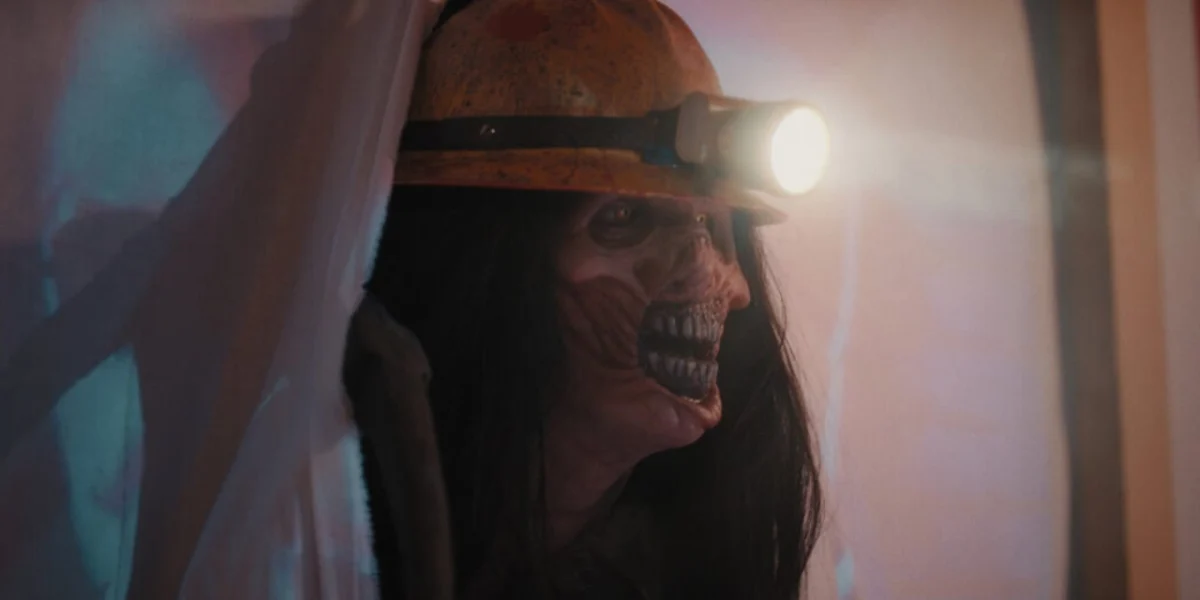
"The Barn: Part III" arrives as the final chapter in a series that began with the self-titled "The Barn" in 2016, followed by its direct sequel, "The Barn: Part II," in 2022. Director Justin M. Seaman has consistently steered the franchise with a clear passion for practical creature effects and a commitment to delivering a high-octane horror experience. The core narrative revolves around a malevolent trio of Halloween-themed supernatural entities: The Boogeyman, Hollow Jack, and the Candy Corn Scarecrow. These figures, unleashed from the cornfields, have historically wreaked havoc during the holiday season, creating a recurring cycle of terror for the fictional town.
The first installment, "The Barn," introduced this terrifying premise, establishing the lore and the initial encounters with these monstrous beings. "The Barn: Part II" continued this tradition, deepening the mythology and further exploring the consequences of the entities’ resurfacing. "The Barn: Part III" aims to bring this sprawling narrative to a definitive close, serving as a capstone to the barnyard violence and supernatural mayhem that has defined the series.
Chronology of Carnage: From Past Terrors to Present Peril
"The Barn: Part III" strategically bridges its narrative across time. The film opens with a cold, direct sequence featuring two returning characters from the previous installment, immediately immersing the audience in the established world of terror. Unlike its predecessors, which largely focused on a singular timeframe, this final chapter boldly leaps forward 27 years into the present day.
The adult siblings, Josh and Heather Harper, portrayed by Courtney Gains and Kelli Maroney respectively, are now tasked with the monumental challenge of preventing a recurrence of the Halloween-time tragedy. Their efforts, while seemingly effective for a period, are ultimately undermined by the impulsive actions of a new generation. This narrative pivot underscores a central theme of cyclical violence and the enduring nature of supernatural threats, even across decades.
The catalyst for the renewed onslaught comes from Megan (Amanda Byrne) and Kyle (Tristan Olsen), two high school students enduring relentless bullying. In a misguided attempt to exact revenge on their tormentors, they pilfer Kyle’s uncle’s "Halloween bible," a forbidden tome that, when invoked, summons the infamous trio of monsters. Their naive intention is to unleash a brief, frightening spectacle, akin to a localized Halloween scare, rather than the full-blown demonic invasion that ensues. This critical miscalculation reawakens the dormant evil, unleashing the horrors upon the unsuspecting town.
A Showcase of Practical Effects and Creature Design
The true strength of "The Barn: Part III," and indeed the entire franchise, lies in its unwavering commitment to practical special effects and imaginative creature design. The film is a veritable smorgasbord of inventive gore, meticulously crafted by Cody Ruch and Samantha Sanford, who are credited with the film’s special effects and creature design. The sheer volume and variety of violent encounters are staggering, serving as a testament to the artistry and dedication involved.
Each scene appears to be a deliberate exploration of the team’s capacity to depict gruesome and imaginative dismemberment. The practical nature of the effects lends a tangible, visceral quality to the on-screen violence, a stark contrast to the often sterile digital effects prevalent in modern horror. The film’s visual impact is amplified by its willingness to push boundaries, with graphic depictions of dismembered bodies, exploding heads, and unsettling eye-popping sequences that rival the most extreme examples of the genre.
The narrative, while acknowledging the existence of a deeper lore that may involve cults and the personification of Death itself, primarily functions as a framework for these elaborate set pieces. The story’s connective tissue is intentionally sparse, serving as a means to an end: showcasing the monsters’ brutal efficiency. This approach, while potentially alienating to viewers seeking intricate plots, is precisely what appeals to fans of the classic slasher subgenre.
![‘The Barn: Part III’ Makes Gore Look so Good [Panic Fest Review]](https://www.dreadcentral.com/wp-content/uploads/2026/04/still_feature_barn_part_3-1024x512-2.jpg)
Community Under Siege: The Fall Festival Massacre
The escalating terror culminates in a full-scale assault on the town’s annual Fall Festival. This setting provides a fertile ground for the supernatural trio to unleash their mayhem upon a wide swath of the population. The carnage is indiscriminate, with festival-goers falling victim to the monsters’ insatiable hunger for destruction. The film doesn’t shy away from depicting the widespread devastation, transforming a scene of community celebration into a nightmarish tableau of horror.
Adding a peculiar yet memorable element to the film’s bestiary are the "baby pumpkins." These diminutive gourds, imbued with a sinister sentience, join in the gruesome festivities, adding a darkly comedic and unsettling twist to the proceedings. Their role as miniature predators, consuming the entrails of the fallen, further solidifies "The Barn: Part III’s" commitment to gleeful, over-the-top horror.
A Satisfying Conclusion for Dedicated Fans
For long-time followers of "The Barn" franchise, "The Barn: Part III" is designed to provide a sense of closure. The film’s climax is described as "suitably big," drawing comparisons to the epic scale of Sam Raimi’s "Army of Darkness." This grand finale aims to tie up loose ends and offer a satisfying conclusion for those who have been invested in the characters and the unfolding mythology.
The reviewer, despite admitting to being a newcomer to the series, found the sheer spectacle and practical gore compelling enough to generate an interest in the franchise’s origins. This suggests that "The Barn: Part III" succeeds not only as a conclusion but also as a potential gateway for new audiences, promising a similarly satisfying gore quotient in the earlier films.
Indie Gem in the Horror Landscape
"The Barn: Part III" stands as a testament to the enduring power of independent filmmaking within the horror genre. In an era often dominated by major studio productions, Seaman and his team have crafted a film that champions practical effects, creative creature design, and a no-holds-barred approach to gore. Its premiere at Panic Fest, a festival known for showcasing cutting-edge independent horror, further solidifies its status as a notable release.
The film’s success lies in its clear understanding of its target audience and its unwavering dedication to delivering the goods. While the narrative may be secondary to the visual spectacle, the film’s execution of its chosen path is undeniably effective. "The Barn: Part III" is a "tricky little slasher," as described, and undeniably an "exceptional indie treat" for those who appreciate the art of practical horror.
Panic Fest: A Platform for Genre Innovation
The Panic Fest Film Festival, where "The Barn: Part III" premiered, has established itself as a crucial platform for independent horror filmmakers. The festival showcases a diverse range of genre films, from psychological thrillers to supernatural epics, and has become a vital launchpad for emerging talent and a meeting point for the horror community. The selection of "The Barn: Part III" for its premiere highlights the festival’s commitment to supporting films that push creative boundaries and celebrate the diverse tapestry of horror cinema. The festival’s continued success underscores the vibrant and evolving nature of the horror genre, with independent productions playing a pivotal role in its innovation and longevity.
Implications for the Indie Horror Market
The success of films like "The Barn: Part III" has significant implications for the independent horror market. It demonstrates that a strong vision, coupled with a dedication to practical effects and genre conventions, can resonate deeply with audiences, even without a blockbuster budget. This can inspire other independent filmmakers to pursue ambitious projects and invest in the craft of filmmaking. Furthermore, the film’s reception suggests a continued appetite for practical effects-driven horror, potentially encouraging a resurgence of this approach in future productions. The ability of independent films to find dedicated fan bases and achieve critical recognition at festivals like Panic Fest signals a healthy and dynamic landscape for genre cinema.