Marginal MediaWorks has announced the completion of principal photography for its Southern indie horror film, Last Day. Written and directed by Kevin Arbouet, the high-concept project was filmed over a single night within an apartment building situated in the heart of the Deep South. This announcement, reported by TheWrap, signals a significant development for the independent film scene, particularly within the horror genre, which often finds fertile ground for innovative storytelling in regional settings.
The film’s premise centers on a contained, high-stakes narrative, a common trope in effective horror that allows for intense character development and escalating dread. By confining the action to a single night within a specific, evocative location—an apartment building in the Deep South—Last Day aims to leverage atmosphere and tension to its fullest. This approach often allows filmmakers to create a sense of claustrophobia and immediate danger, forcing characters to confront their fears and external threats in a concentrated period. The choice of setting is particularly resonant, as the American South has a rich history in folklore, mythology, and storytelling, often imbued with a unique blend of beauty and inherent unease, which can be powerfully translated to the horror genre.
Key Cast and Creative Team
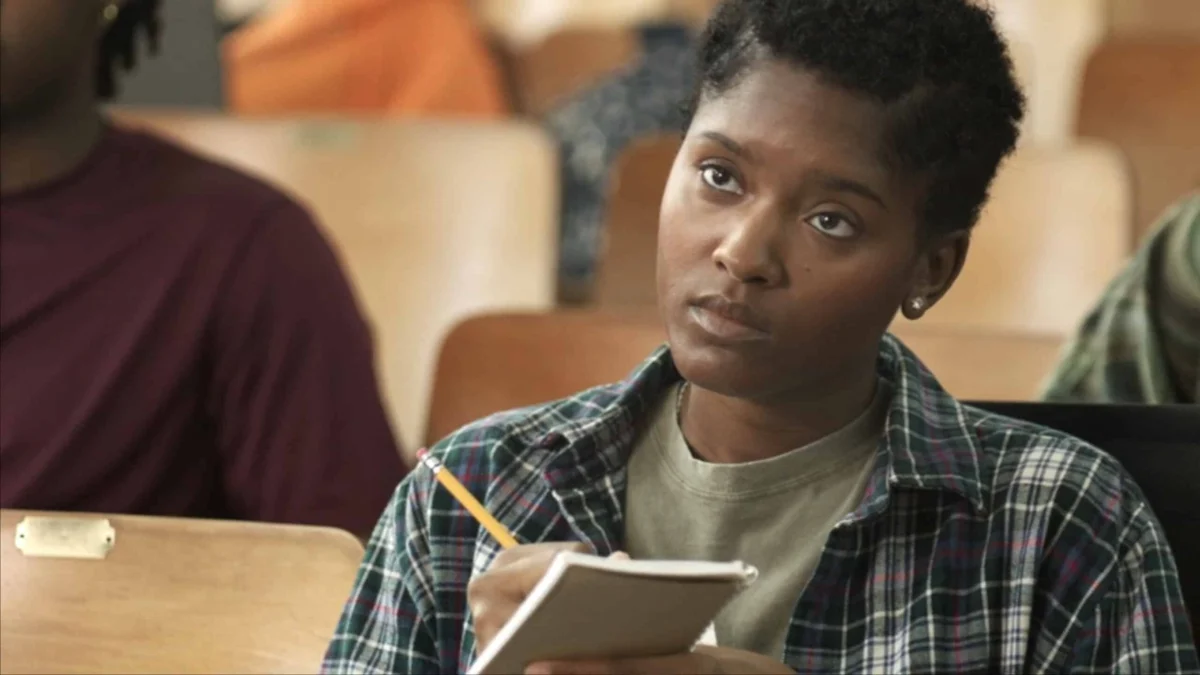
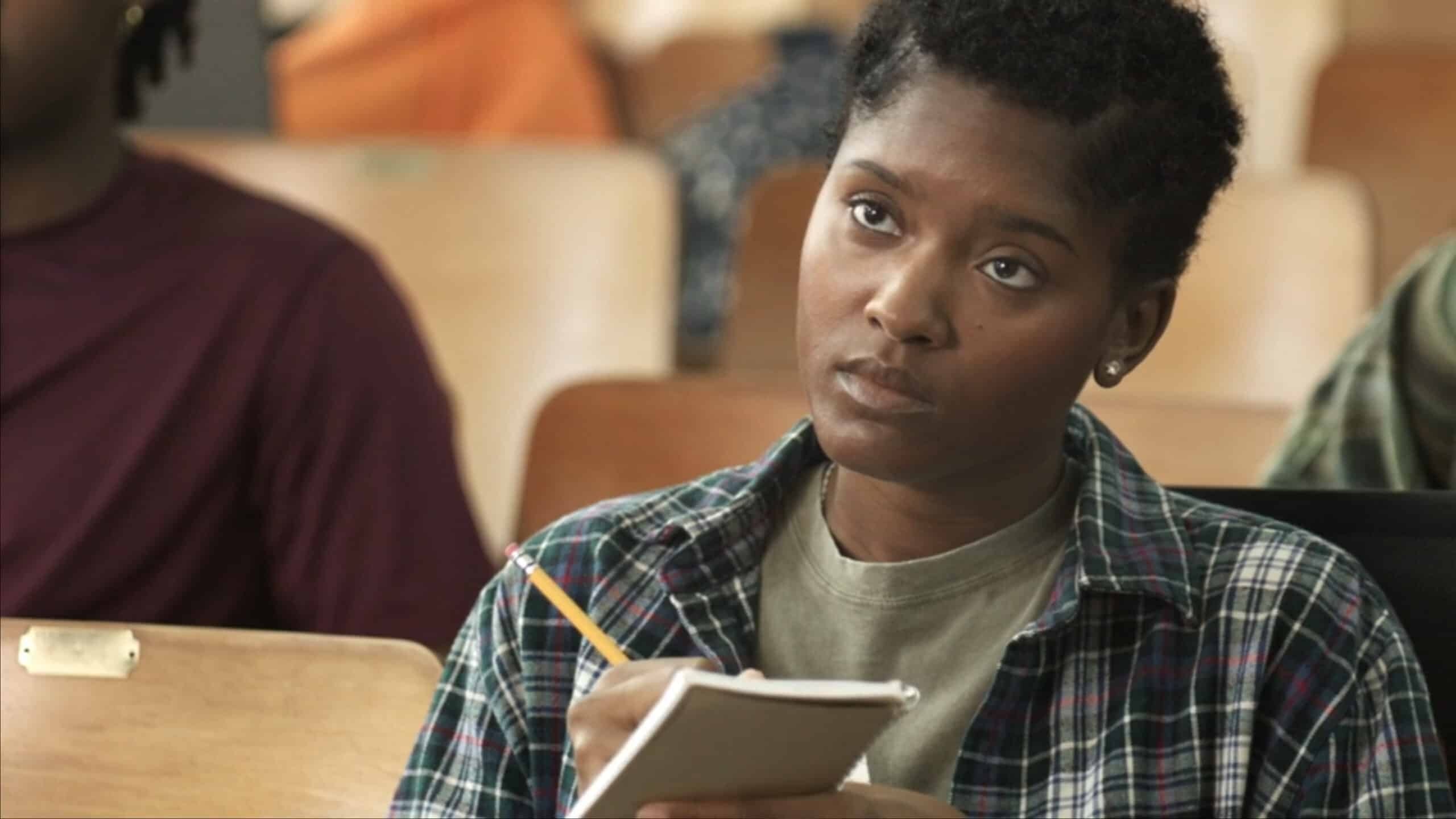
The ensemble cast of Last Day features a notable lineup of actors known for their work in both film and television. Tanyell Quian, recognized for her roles in Queen Sugar, Nickel Boys, and the horror film Ma, takes on the central role of a single mother. Her character’s unwavering determination to protect her son forms the emotional core of the narrative. This portrayal promises to explore themes of maternal instinct and the extreme measures individuals will undertake when faced with profound threats.
Portraying Quian’s son is Ellis Hobbs IV, an actor who has previously appeared in The Deliverance and The Angry Black Girl and Her Monster. His involvement suggests a dynamic on-screen relationship that will be crucial to the film’s dramatic impact. The presence of both actors, with their respective backgrounds in genre and dramatic productions, indicates a commitment to delivering compelling performances.
Further bolstering the cast are Brandon Gilpin, known for his role in the critically acclaimed series P Valley, and Royce Johnson, a familiar face to fans of Marvel’s Netflix universe, having appeared in Daredevil and The Punisher. Their inclusion suggests a well-rounded cast capable of handling the demands of a horror narrative, likely bringing a mix of gravitas and intensity to their roles. The combination of established genre actors and rising talents often signals a project that aims for both broad appeal and authentic representation within its chosen field.
The production is spearheaded by Marginal MediaWorks, a company that has been actively contributing to the independent film landscape. Sanjay M. Sharma, the founder of Marginal, and Milan Chakraborty are serving as producers. Their involvement underscores Marginal’s commitment to nurturing and bringing to fruition ambitious independent projects, particularly within genres that allow for creative freedom and distinctive voices. The company’s focus on regional storytelling, as evidenced by the Louisiana setting, aligns with a growing trend in filmmaking to explore diverse geographical and cultural narratives.
Production Details and Regional Significance
The decision to shoot Last Day on location in Baton Rouge, Louisiana, is a strategic one. Louisiana, with its unique cultural tapestry, distinctive landscapes, and established film incentives, has become an increasingly popular filming destination. The state offers a rich visual palette, from its atmospheric swamps and bayous to its urban and suburban locales, each capable of contributing significantly to the mood and setting of a film. For a horror film like Last Day, the inherent mystique and storied history of the region can amplify the sense of unease and contribute to the overall narrative.
The production’s completion in Baton Rouge suggests a collaboration with local crews and talent, further embedding the film within the community and potentially drawing upon regional storytelling traditions. The "Southern indie horror" designation itself points to a subgenre that has gained traction, often characterized by its ability to blend traditional horror elements with specific cultural nuances, social commentary, and a grounded sense of place. Films in this category frequently explore themes of tradition, isolation, and the darker aspects of human nature, often set against a backdrop that is both beautiful and foreboding.
The timeline of the production, while not explicitly detailed beyond the wrap of principal photography, implies a concentrated effort, typical for indie film productions where efficiency and focused execution are paramount. The "one-night" premise of the film’s narrative also suggests a shooting schedule that might have mirrored this intensity, requiring meticulous planning and execution to capture the necessary footage within a limited timeframe.
Thematic Exploration and Genre Context
The "high concept horror" label applied to Last Day suggests a premise that is easily grasped yet offers significant potential for inventive twists and turns. This often translates to a film that can engage a broad audience while still offering something unique and thought-provoking. The core conflict, revolving around a mother’s protection of her son, is a universally relatable theme that can be powerfully amplified within a horror context. This allows the film to explore deeper psychological anxieties and primal fears, transcending simple jump scares to delve into the emotional stakes of survival.
Independent horror cinema has a proven track record of incubating groundbreaking talent and pushing the boundaries of the genre. Films that emerge from this sector often do so with a distinct artistic vision, less constrained by the commercial pressures that can influence major studio productions. Marginal MediaWorks’ investment in Last Day aligns with this trend, signaling a belief in Arbouet’s directorial and writing capabilities and the project’s potential to resonate with genre enthusiasts.
The specific mention of the film taking place over "one night" is a narrative device that can generate considerable suspense. It implies a ticking clock, a sense of inevitability, and a limited window for characters to resolve their predicament. This structural constraint can heighten the tension, forcing immediate action and decision-making under duress. Furthermore, the confined setting of an apartment building allows for the exploration of interpersonal dynamics under extreme pressure, where the threat can come from both external sources and within the immediate environment.
Broader Impact and Industry Implications
The completion of Last Day contributes to the ongoing vibrancy of the independent film industry, particularly in the horror genre. For Marginal MediaWorks, this project represents another step in their mission to support and distribute compelling cinematic narratives. The success of such independent ventures often paves the way for future opportunities, both for the production company and for the creative talent involved.
The involvement of actors with established credits in genre films like Ma, The Deliverance, and Daredevil indicates a growing crossover between mainstream and independent productions, as actors seek out diverse and challenging roles across different production scales. This can elevate the profile of independent films and attract a wider audience.
The emphasis on a "Southern indie horror" film also highlights the increasing recognition of regional narratives within the broader film landscape. These stories often offer a fresh perspective, drawing on unique cultural histories and social contexts that can provide a rich source of material for compelling filmmaking. The success of such films can encourage further investment in regional filmmaking initiatives and showcase the diverse talent pools present outside of traditional production hubs.
As Last Day moves into its post-production phase, anticipation will likely build for its official release. The film’s success will depend on its ability to deliver on its high-concept premise, captivate audiences with its performances, and effectively utilize its atmospheric setting to create a memorable and terrifying experience. The independent horror genre continues to be a fertile ground for innovation, and Last Day appears poised to contribute to this dynamic landscape. The continued development of films like this underscores the importance of supporting independent cinema, which frequently serves as a crucial incubator for new ideas and emerging talent in the film industry.