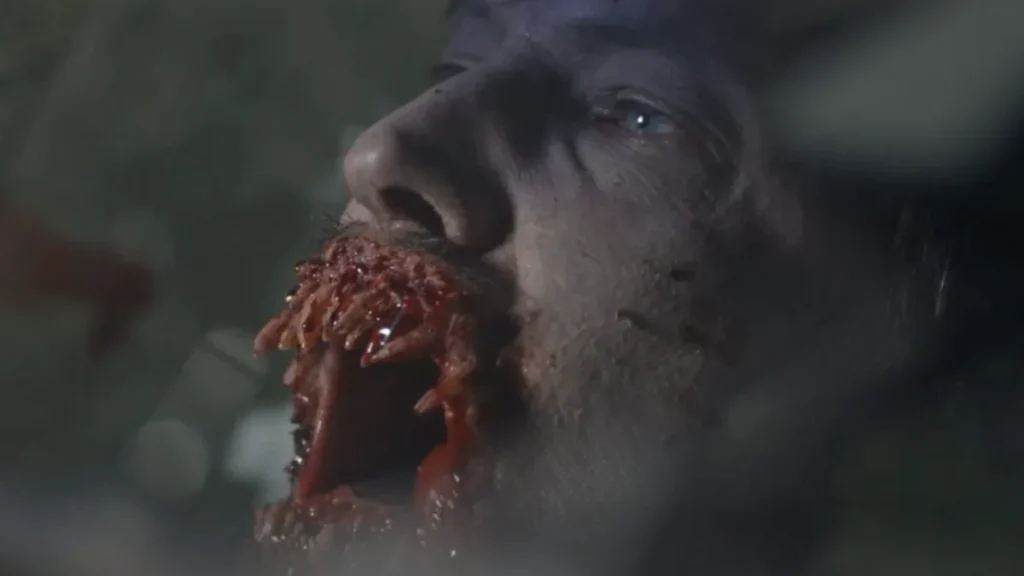
Hollywood’s persistent underestimation of the horror genre’s financial viability, despite decades of evidence to the contrary, has once again been highlighted by the unexpected box office trajectory of the film "Obsession." While studios often relegate horror to the periphery, waiting for breakout successes to declare the genre’s resurgence, a closer examination of industry trends and fan engagement reveals a more consistent and reliable performance from horror films, particularly those that emerge from independent channels and gain traction within dedicated fan communities. The success of "Obsession," alongside the anticipated performance of "Backrooms," serves as a stark reminder of Hollywood’s reactive approach, often missing the early indicators of potential hits until they are undeniable.
The industry’s perception of horror is frequently characterized by a cyclical narrative: a horror film achieves significant box office returns, leading to pronouncements of "horror is back," only for the genre to be seemingly overlooked again until the next success story emerges. This pattern ignores the genre’s consistent ability to generate substantial revenue, often with significantly lower production budgets compared to tentpole franchises. While blockbuster superhero films and established intellectual property (IP) command multi-billion dollar figures, horror films achieving $40 million, $50 million, or even $100 million can appear modest in comparison to the metrics that conglomerates and shareholders prioritize. This focus on sheer scale, however, can obscure the impressive return on investment and the significant cultural impact that many horror films achieve.
The recent performance of "Obsession," directed by Curry Barker, and the buzz surrounding Kane Parsons’ "Backrooms" have reportedly left many within the Hollywood establishment in a state of surprise. This reaction, however, appears to be at odds with the early indicators and the inherent power of genre-specific fan communities. For those deeply embedded in the horror landscape, the success of these films was not a sudden development but rather a predictable outcome of burgeoning talent and a receptive audience.
The Rise of Independent Voices and Fan Anticipation
The discourse surrounding "Obsession" and "Backrooms" has ignited a familiar frustration within the horror community: the industry’s tendency to react rather than proactively identify and support emerging talent. The author of the original piece expressed significant irritation, noting that predictions of "Backrooms" achieving a $20 million opening were considered conservative, with projections of $40 million to $50 million now appearing likely. This anticipation was not a matter of conjecture but was rooted in an understanding of the genre’s grassroots momentum.

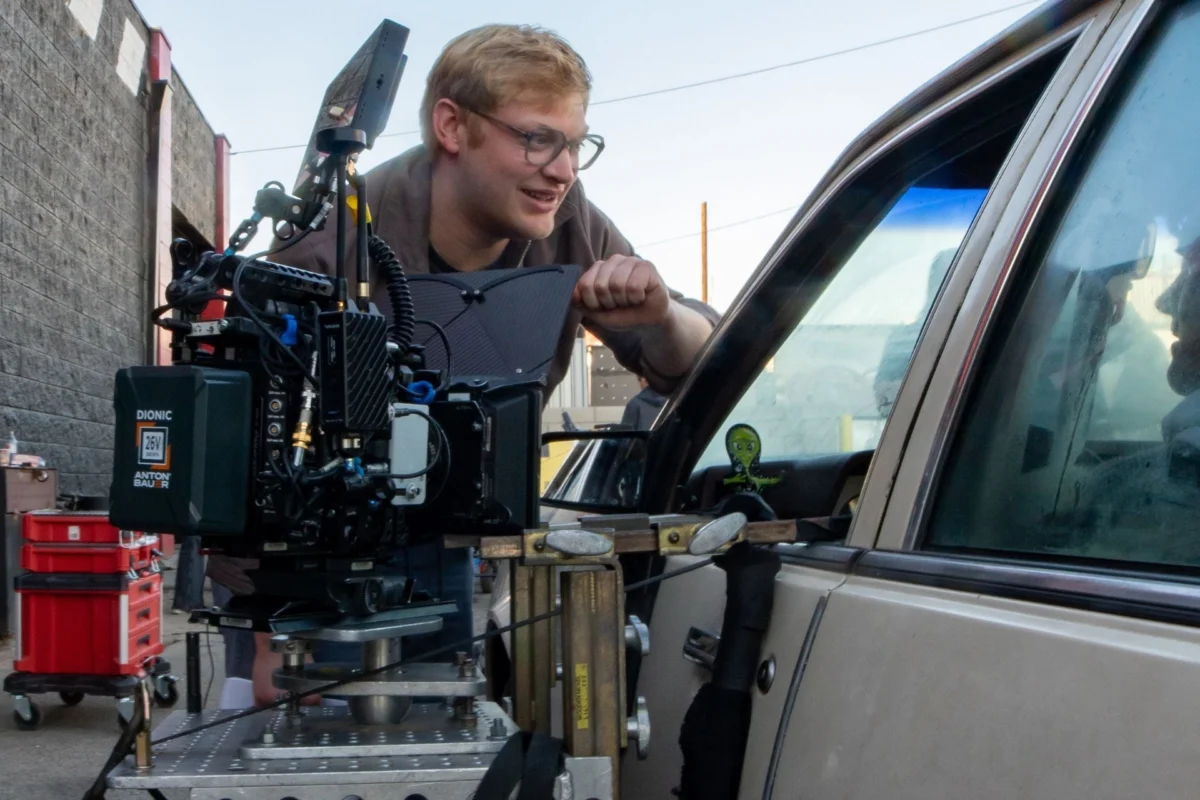
Curry Barker, the director of "Obsession," had already garnered significant attention within horror circles for his earlier work, notably "Milk & Serial." This independently produced film, despite its minimal budget, was recognized for its freshness and vitality, often surpassing the impact of studio-released horror fare. The acquisition of "Obsession" by Focus Features following its premiere at TIFF Midnight Madness was seen as a significant step, but the subsequent mainstream surprise at its box office performance contradicts the established awareness among dedicated fans and industry insiders who had been tracking Barker’s career trajectory.
The phenomenon of "Obsession" achieving greater returns in its second weekend than its first is cited as a particularly rare and remarkable box office feat, underscoring the film’s sustained audience engagement. This success is attributed, in large part, to the deep understanding and prescient engagement of horror fans. These fans are often at the forefront of identifying promising filmmakers, following YouTube creators, discovering short films, and recognizing festival buzz. They possess an intuitive understanding of when a filmmaker has "it" – a unique vision and ability to connect with audiences.
Hollywood’s Reactive Stance: A Pattern of Missed Opportunities
The core of the frustration expressed lies in Hollywood’s "reactive bullshit." The industry is frequently criticized for its reluctance to invest in promising projects or filmmakers until they have already demonstrated commercial success. This approach prioritizes de-risking investments by waiting for a project to prove itself, thereby capitalizing on established success rather than cultivating it. This behavior is likened to the dangerous four-way intersection analogy: problems are identified, potential dangers are acknowledged, but no action is taken until a tragedy occurs, prompting immediate intervention.
This pattern is particularly evident in the career of Curry Barker. While industry publications are now reporting significant, multi-million dollar offers for Barker to direct projects sight unseen, this comes only after "Obsession" has achieved widespread recognition. This belated acknowledgment stands in contrast to the earlier investments made by entities like Jason Blum’s Blumhouse, James Wan’s Atomic Monster, and Focus Features. These companies, recognizing Barker’s potential and the appeal of "Obsession," took a calculated risk by acquiring the film for an estimated $15 million, demonstrating a belief in the filmmaker and the project prior to its box office validation.
The article emphasizes the importance of loyalty and suggests that Barker should prioritize those who believed in him from the outset. It argues that Hollywood’s claims of seeking "new voices" and "original filmmakers" often ring hollow, as the industry primarily desires these elements only after they have proven their commercial viability. This approach seeks the upside of innovation without embracing the inherent gamble. The industry, in this view, prefers to arrive after the audience has already laid the groundwork for success.

Historical Precedents of Audience-Driven Horror Success
The narrative of "Obsession" is not an isolated incident but rather a recurring theme in the history of horror cinema. Landmark films such as "Paranormal Activity," "The Blair Witch Project," and "Terrifier" all experienced a similar arc: initial discovery and championing by the audience, followed by Hollywood’s eventual scramble to capitalize on their success and claim a degree of foresight. In each case, the audience, particularly dedicated horror fans, identified the potential and drove the initial momentum.
This dynamic underscores the unique position of horror fans, who are often accustomed to operating outside the mainstream industry’s gaze. They are the scouts, identifying and supporting emerging talent and unconventional projects long before they gain traction with wider audiences or industry gatekeepers. The genre’s enduring appeal lies, in part, in its ability to thrive on this grassroots energy, cultivating filmmakers and narratives that might otherwise be overlooked by more risk-averse studio systems.
The Broader Impact: Horror’s Enduring Resilience
The success of "Obsession" transcends a simple box office story; it serves as a potent reminder that the horror genre does not require Hollywood’s imprimatur to birth the next generation of influential filmmakers. The fans themselves are instrumental in this process, recognizing and elevating talent long before the industry catches up. This inherent resilience of horror is a testament to its passionate fanbase and its ability to generate compelling content independently.
The industry’s repeated refrain of "Horror is back" following each successful release overlooks the genre’s consistent presence and its unwavering ability to connect with audiences. Horror never truly leaves; it merely fluctuates in its visibility within the Hollywood ecosystem. The critical factor is not the genre’s disappearance but rather Hollywood’s willingness to pay attention.
The implications of this ongoing dynamic are significant. For filmmakers, it highlights the importance of cultivating relationships with dedicated fan bases and independent production companies that are willing to take risks. For the industry, it presents a clear opportunity to re-evaluate its approach to talent identification and investment, moving beyond a purely reactive model to one that proactively supports and nurtures emerging voices within genres that have a proven track record of audience engagement and financial success. The continued success of films like "Obsession" suggests that the future of horror, and potentially significant financial returns, lies in recognizing and empowering the passion that already exists within its dedicated community.