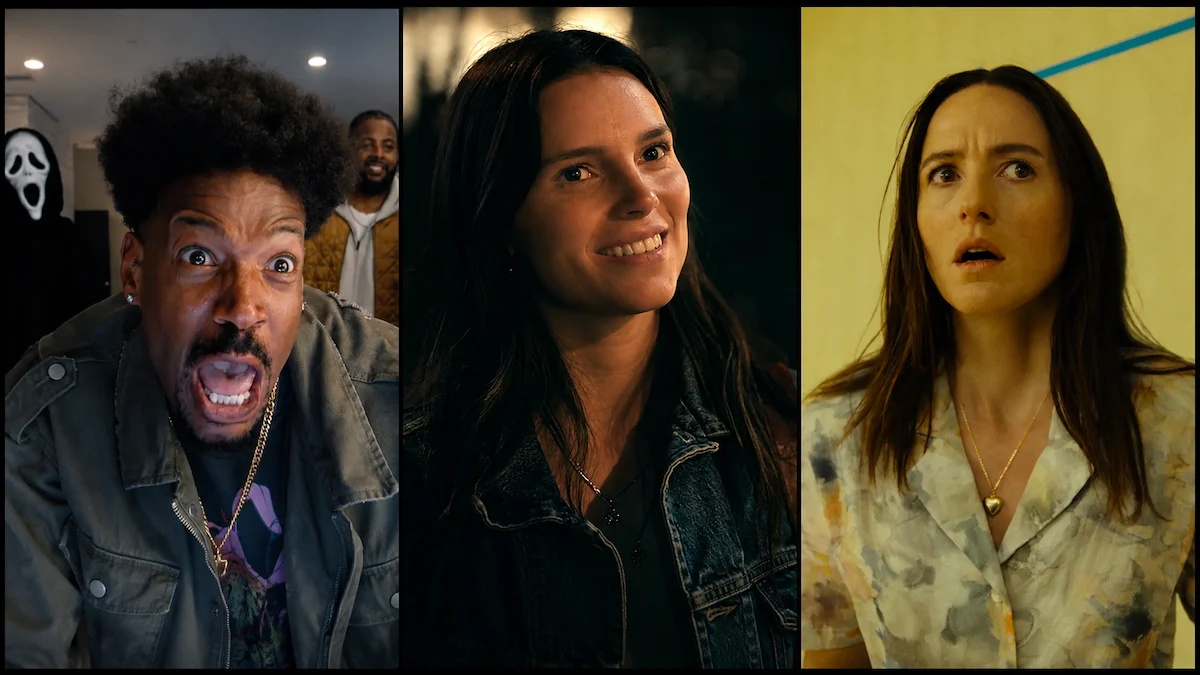
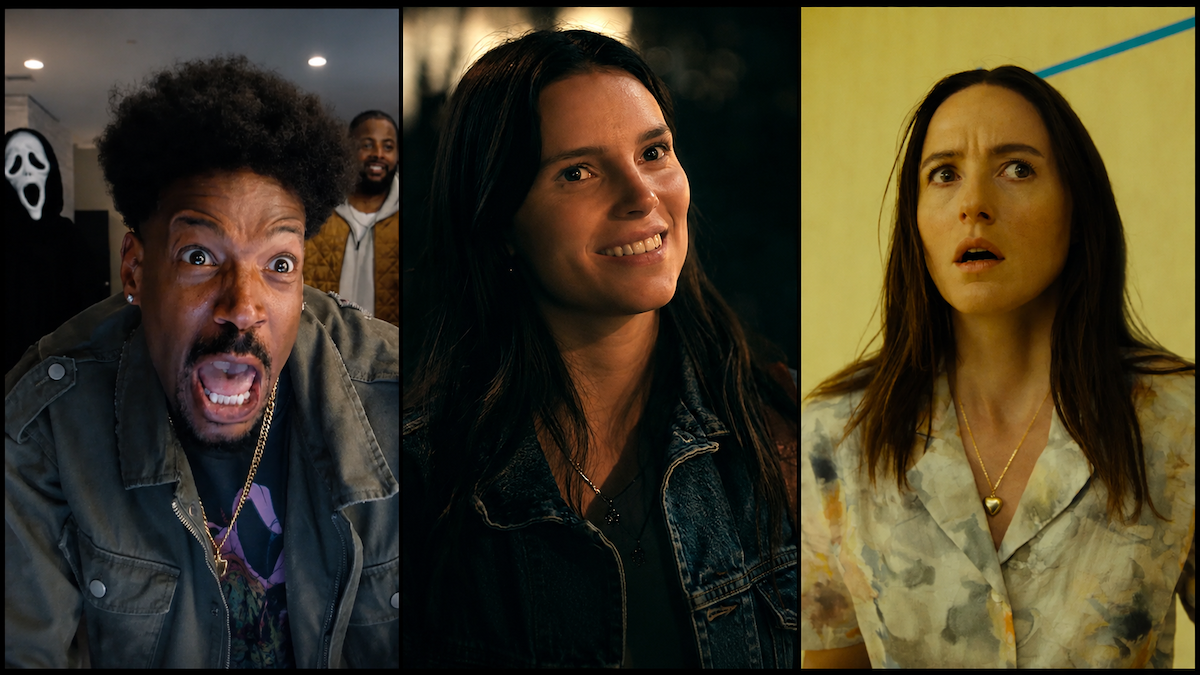
The contemporary film landscape is experiencing a seismic shift, with the horror genre consistently defying industry expectations and delivering unprecedented box office triumphs. In a period typically dominated by blockbuster sequels and family-friendly animation, a slate of horror films, including the surprise mega-hit "Obsession," the viral sensation "Backrooms," and the revitalized franchise entry "Scary Movie," have not only achieved remarkable financial success but have also redefined the genre’s commercial potential. These successes underscore a persistent audience appetite for original and engaging horror content, challenging conventional wisdom about theatrical windows and the power of word-of-mouth marketing.
"Obsession" Achieves Monumental Box Office Success
The most significant story emerging from recent box office reports is the astonishing financial performance of "Obsession." The film has shattered expectations, crossing the $200 million mark in domestic box office receipts and surging past $300 million in worldwide gross. This colossal figure places "Obsession" firmly among the ranks of the highest-grossing horror films of all time, outperforming genre titans such as "Get Out" ($141 million domestic), "The Blair Witch Project" ($140 million domestic), "Paranormal Activity" ($107 million domestic), and even the highly successful 2018 reboot of "Halloween" ($159 million domestic).
This level of success for an original horror property, particularly one that was not initially projected for such widespread appeal, is a testament to its critical reception and audience engagement. Reports indicate that the film’s narrative depth, coupled with a standout performance from lead actress Inde Navarrette, has resonated strongly with viewers. Industry analysts have noted that Navarrette’s portrayal is generating significant buzz, with some suggesting it warrants awards consideration, drawing parallels to the critical acclaim previously bestowed upon Toni Collette for her performance in "Hereditary." The film’s unexpected trajectory highlights a potential for critically lauded performances within the horror genre to gain mainstream recognition.
The production of "Obsession" was reportedly undertaken with modest expectations, making its current financial standing even more remarkable. Focus Features, the distributor, has seen a substantial return on investment, further solidifying the financial viability of investing in high-quality, character-driven horror narratives. The film’s sustained performance suggests a strong connection with its audience, likely driven by organic word-of-mouth and positive critical reviews that emphasized its compelling storytelling and thematic resonance.
"Backrooms" Continues Its Ascent as a Viral Phenomenon
While "Obsession" has captured much of the spotlight, the A24-distributed "Backrooms" has quietly but relentlessly achieved its own significant box office milestones. The film has now surpassed $175 million in domestic earnings and has secured over $100 million internationally, pushing its global total to an impressive $300 million worldwide. This achievement is particularly noteworthy considering the film’s origins as an internet creepypasta, a testament to the power of online virality translating into mainstream cinematic success.
"Backrooms" has also managed to outperform several established horror benchmarks, including "The Blair Witch Project," "Halloween" (2018), and "Get Out," in its overall box office gross. Its success, produced by the formidable duo of Blumhouse and Atomic Monster, signifies a potent combination of creative adaptation and strategic marketing. The film’s ability to connect with a generation raised on internet culture has proven to be a formidable commercial strategy, demonstrating that compelling concepts originating from online communities can translate into significant theatrical revenue.
The fact that both "Obsession" and "Backrooms" are poised to conclude their theatrical runs with worldwide grosses exceeding $300 million is an extraordinary anomaly in the current market. A year ago, such a prediction would have been considered highly improbable. This dual success story emphasizes the genre’s robust health and its capacity to generate multiple, massive hits simultaneously, irrespective of their origin—be it an original concept or an internet-born narrative.
"Scary Movie" Reboot Revitalizes a Legacy Franchise
The "Scary Movie" franchise, once considered by many to be past its prime, has experienced a significant resurgence with its latest installment. The reboot has achieved a commendable $100 million in domestic box office earnings and an additional $100 million internationally, resulting in a $200 million worldwide total. This performance positions the film as one of the most successful entries in the franchise’s history, indicating a renewed audience interest in the parody subgenre of horror.

The film’s opening weekend was robust, followed by a substantial, though anticipated, drop in its second week. However, it has since settled into a healthy theatrical run, demonstrating enduring audience appeal. The success of this reboot suggests that there is still a market for well-executed horror parodies, provided they can offer fresh perspectives and relevant comedic commentary.
Industry observers suggest that the filmmakers behind the new "Scary Movie" may have learned valuable lessons from the original films. The early success of the reboot is attributed, in part, to its ability to balance comedic elements with a coherent narrative structure, a characteristic that was central to the appeal of the original "Scary Movie," which effectively satirized "Scream." There is speculation that future installments could draw inspiration from the structural and thematic elements of recent horror hits, such as "Obsession," to create even more targeted and successful parodies. The potential for a sequel is high, with producers likely eager to capitalize on this revitalized franchise momentum.
"Leviticus" Represents a Different Kind of Specialty Release
In contrast to the blockbuster performances of the aforementioned titles, NEON’s "Leviticus" has occupied a different segment of the market, representing a more modest, yet strategically important, specialty release. The film, acquired at the Sundance Film Festival, garnered attention for its timely themes and clear narrative premise, appealing to a niche audience interested in socially conscious horror.
While "Leviticus" opened to approximately $3 million domestically, a figure that some have labeled as a "flop," industry analysts caution against such a definitive categorization. NEON, as a relatively young distribution company, is actively building its filmography and pipeline. Not every acquisition is expected to become a breakout hit like "Longlegs" or "The Monkey." "Leviticus" was recognized for its potential to generate discussion and its relevance to contemporary societal issues. International sales likely played a significant role in its acquisition, suggesting a calculated investment strategy.

The film’s performance is consistent with that of many specialty releases, which often find their primary audience through streaming platforms after their theatrical run. The author of the original article expressed a degree of appreciation for "Leviticus," noting its thematic ambition and its use of horror to explore the spread of hate in society, drawing parallels to the stylistic and thematic elements of "It Follows." Despite not achieving widespread box office success, the film is seen as a valuable addition to NEON’s catalog, contributing to the company’s curated slate of provocative cinema. The limited theatrical turnout, while disappointing to some, reflects the inherent challenges of marketing independent horror films to a broad audience.
Broader Implications for the Film Industry
The collective success of "Obsession," "Backrooms," and "Scary Movie" offers a compelling narrative about the current state of Hollywood and the enduring power of the horror genre. In an era marked by increasing production costs and the perceived dominance of established franchises, these films demonstrate that original concepts, viral phenomena, and revitalized legacy properties can achieve extraordinary financial returns.
The sustained performance of these horror films, even as summer blockbuster season commences with major releases like "Toy Story 5" from Disney, highlights a significant audience segment that actively seeks out and supports genre films in theaters. This resilience challenges the notion that audiences are exclusively drawn to tentpole releases, suggesting that compelling storytelling and genre appeal can still drive significant ticket sales.
Furthermore, the success of "Obsession" and "Backrooms" underscores the continued relevance of longer theatrical windows and the impact of word-of-mouth marketing. In an age of instant streaming accessibility, these films have demonstrated that a dedicated theatrical run can build momentum and cultivate a dedicated fanbase, ultimately leading to greater commercial success.

The implications for Hollywood are clear: the horror genre remains a remarkably safe and profitable bet. Whether through original intellectual property, adaptations of internet lore, or the reinvention of existing franchises, horror fans consistently demonstrate their willingness to engage with and support these films in cinemas. As the summer unfolds, the industry will be watching to see if this trend continues, but for now, the dominance of horror at the box office is an undeniable force. The genre’s ability to consistently deliver scares and thrills, combined with its proven commercial viability, solidifies its position as a cornerstone of the modern film industry.