The author’s childhood encounter with the iconic werewolf transformation in the 1948 film Abbott and Costello Meet Frankenstein serves as a poignant entry point into a deeper exploration of the enduring and often paradoxical appeal of horror cinema. This formative experience, which resulted in a profound and lasting fear of the supernatural, darkness, and solitude, contrasts sharply with the genre’s widespread popularity and profitability. As a psychiatrist, the author grapples with this dichotomy: how can simulated terror be so captivating for many, while deeply traumatic for others?
The Booming Box Office of Fear
The demand for simulated terror has never been higher, a trend that defies broader shifts in the film industry. Even as traditional movie theaters strive to recapture pre-pandemic audiences, and as comedy and drama releases increasingly find their homes on streaming platforms, the horror genre has charted a different course. Data from the North American box office in 2023 reveals a remarkable surge, with horror films grossing approximately 70% more than they did a decade prior. This robust financial performance underscores the genre’s resilience and its unique ability to draw audiences to cinemas.
Cinematic Neurosis: When Fear Lingers
The author’s personal experience with the werewolf transformation is not an isolated incident. Surveys conducted in the late 1990s indicated that one in four U.S. undergraduate students reported enduring fears stemming from frightening childhood movie experiences. This phenomenon, where a cinematic encounter can trigger intense and persistent psychological distress, is recognized in clinical psychology.
The term "cinematic neurosis" describes a reaction to a film so potent that it can meet the criteria for post-traumatic stress disorder (PTSD). This can manifest as persistent arousal, anxiety, and intrusive thoughts or images that replay the traumatic experience. While PTSD is typically associated with survivors of violence or disaster, the diagnosis can accommodate reactions to seemingly ordinary events that are nonetheless experienced as catastrophic. A 1948 comedy, on its surface, does not fit the typical profile of a trauma-inducing event, yet the author’s experience and the case of "Ms. X" illustrate how films can indeed qualify as catalysts for such reactions.
A Case Study in Persistent Fear
A particularly striking example, documented in a 2007 psychiatric journal, involved a woman identified only as Ms. X. She experienced a severe crisis at the age of 22, convinced she was possessed, and plagued by flashbacks of The Exorcist, which she had seen as a teenager. While her case was extreme and complicated by pre-existing mental health challenges, it highlights the profound and sometimes debilitating impact that horror films can have. The author acknowledges that their own symptoms are a "quieter version" of this experience, demonstrating a spectrum of reactions to cinematic fear.
The Uncanny: Freud’s Explanation for Our Dread
To understand why horror films resonate so powerfully with some, it is essential to explore the psychological underpinnings of fear itself. For centuries, humanity has been drawn to frightening narratives, from the mythical Minotaur of ancient Greece to the monstrous Grendel in Beowulf, and the vampires of medieval lore to the gothic tales of Edgar Allan Poe.
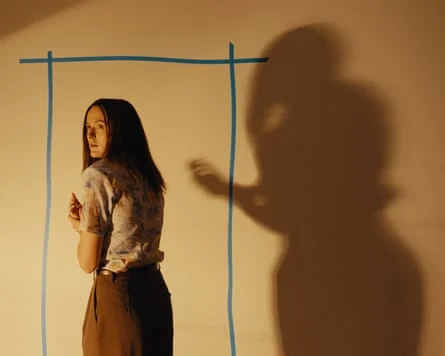
Sigmund Freud, a pivotal figure in psychoanalytic theory, proposed that the most potent scary stories tap into a specific dread he termed the "uncanny" (in German, unheimlich). This concept literally translates to "un-homely," describing something that is strangely familiar yet unsettlingly alien. Freud’s most compelling illustration of the uncanny is the "double" – two beings that appear identical but are fundamentally distinct, such as an evil twin, a malevolent mirror image, or the classic Jekyll and Hyde. The terror arises not from the mere existence of monsters, but from the unsettling realization that the monster might share our own familiar spaces, our own identity.
Modern Horror and the Uncanny Landscape
Contemporary horror cinema has demonstrably embraced the uncanny. The recent box office successes of Backrooms and Obsession, both created by Gen Z YouTubers, exemplify this trend. Backrooms, for instance, plunges viewers into an endless, liminal expanse of seemingly familiar yet unnervingly altered shop basements, devoid of people and purpose. The architecture is recognizable, yet fundamentally wrong. Obsession explores the unraveling of a relationship after a young man’s desperate wish for his girlfriend to love him more than anyone else in the world. Both films effectively render the uncanny by taking familiar people, places, and objects and rendering them "un-homed," stripping them of their comforting familiarity.

The Psychological Rehearsal of Fear
The deliberate summoning of dread through horror films can be understood as a form of psychological rehearsal. These films create a safe, controlled environment where audiences can vicariously experience terror, chaos, and helplessness without real-world consequences. This mechanism mirrors the function of bedtime fairy tales, which often feature witches, caged children, and malevolent stepmothers. By gently exposing children to frightening elements, parents and storytellers aim to provide a form of inoculation against future fears.
The Body’s Response to Simulated Danger
However, the human body does not always distinguish between a rehearsal and the genuine article. The author’s own research into the mind-body connection highlights the remarkable physiological responses elicited by horror films. Blood pressure can rise, and immune cells can become activated in a state of readiness, as if an actual threat were present. The brain’s fear centers are not only triggered by sudden jump scares but also by the prolonged, suspenseful build-up that precedes them.
When the Fear Center is Damaged
Further evidence of the brain’s role in experiencing fear comes from studies of individuals with neurological damage. In 2012, researchers documented the case of a woman referred to as SM, whose illness had destroyed her amygdala, the brain’s primary fear-processing center. SM lost the ability to be frightened by horror films. While she could still experience emotions like anger, sadness, disgust, and happiness when watching film clips, she showed no fear response to movies like The Blair Witch Project or Arachnophobia. This case underscores the biological basis of our fear responses.
Societal Anxieties Reflected in Horror
Stephen King, in his seminal work Danse Macabre, argued that horror fiction often serves as a conduit for societal anxieties that cannot be openly expressed. He observed the prevalence of alien-invasion films during the Red Scare era of the 1950s, such as Earth vs. the Flying Saucers and Invasion of the Body Snatchers. King posited that Earth vs. the Flying Saucers served as a fantastical allegory for the perceived threat of communism from external forces, while Invasion of the Body Snatchers presented a more insidious narrative of internal subversion and replacement. The latter, he suggested, is always the more terrifying prospect. This theme of insidious infiltration, of the familiar turning strange from within, has resonated through generations of horror cinema, from The Exorcist and Alien to Jordan Peele’s acclaimed films Get Out and Us. In the current decade, characterized by widespread fear and societal fragmentation, the heightened popularity of horror cinema is, therefore, unsurprising.
Factors Contributing to Traumatic Reactions in Children
The author’s personal experience at age six offers insight into why some children react to horror films with trauma rather than exhilaration. Several factors predispose children to such reactions:
- Age: Children under the age of seven often struggle to reliably distinguish fantasy from reality. The comforting phrase "it’s just a story" can fall on deaf ears.
- Empathy Levels: Children with higher levels of empathy may experience greater distress as they identify more intensely with the suffering of characters on screen.
- Fantasy Empathy: A particular trait, termed "fantasy empathy," describes a heightened readiness to become immersed in fictional worlds. Individuals with this trait might find themselves so deeply engrossed in a film that they experience the events as if they were real.
- Pre-existing Emotional Difficulties: Research suggests that children who have experienced loss or other emotional challenges at home are more likely to confront horror with trauma. For these children, the monster on screen can become a repository for feelings that have no other outlet.
The Unseen Roots of Childhood Fear
The author’s therapeutic journey revealed that the profound fear ignited by the werewolf transformation was not solely about the on-screen spectacle. Instead, it unearthed a pre-existing anxiety rooted in the home environment. The man transforming into a beast resonated with a deeper fear: the potential for loved ones to suddenly become unrecognizable, for calm to give way to unpredictable rage. The werewolf did not implant this fear but rather "unleashed something that was already beneath the surface." This realization underscores the complex interplay between external stimuli and internal emotional landscapes.
Bridging the Gap Between Fantasy and Reality
For parents of frightened children, or for individuals who still carry a child’s fear within them, overcoming deep-seated terror requires more than verbal reassurance. The key lies in demonstrating the artificiality of the fear. One study demonstrated this by showing frightened children footage of an actor undergoing the process of being transformed into the Hulk, step by step. They witnessed the application of latex and paint, observing that the monster was, in fact, still a man. Children who saw this transformation process exhibited less fear afterward than those who did not.
A Personal Strategy for Navigating Fear
This method of demystifying the fantastical has proven effective for the author. When a film begins to exert its grip, the strategy is to momentarily detach and visualize the reality behind the illusion: the camera operator, the boom microphone, the director in their headphones, the bored crew members standing mere feet from the monster. This brief act of stepping outside the narrative, while still retaining the capacity to re-enter it, creates a "second self" at the periphery of the set, allowing the primary self to remain immersed in the story without succumbing to overwhelming fear. It is a personal act of doubling, a conscious effort to maintain a critical distance.
Ultimately, this approach allows for a controlled engagement with the terror of the screen. As the author prepares to watch something scary, perhaps evoking the "Upside Down" from a popular horror franchise, there is an awareness that they are also a grown adult, safe on their sofa, with the lights on and the house peacefully quiet. This brief, conscious detachment provides the necessary breath and grounding before diving back into the depths of cinematic fear.