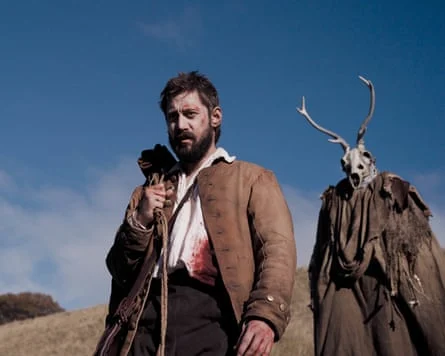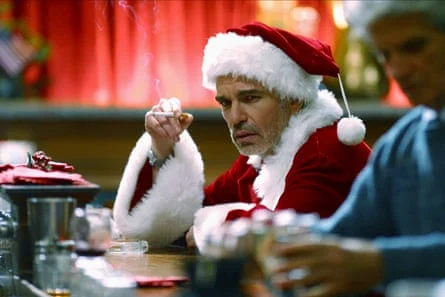
A year ago, the idea of a filmmaker gaining traction for a wide-release feature film through YouTube was a nascent, though not entirely unheard of, origin story. Siblings Michael and Danny Philippou had recently debuted Bring Her Back, following up their breakout horror hit Talk to Me. While the film received decent reviews and moderate box office returns, the slightly diminished commercial performance did not foreshadow a dramatic shift in their trajectory. Similarly, the critical reception for Shelby Oaks, the theatrical debut from long-time YouTube film critic Chris Stuckmann, which premiered later in 2025, was decidedly lukewarm. Despite initial buzz from horror festivals, the film’s found-footage pastiche and perceived lack of emotional depth failed to ignite widespread enthusiasm.
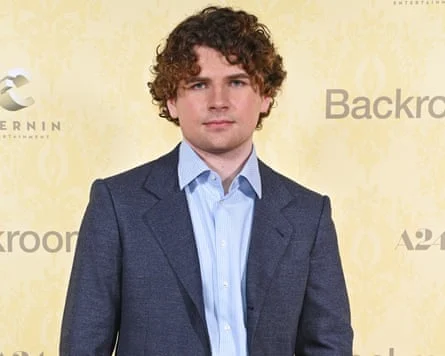
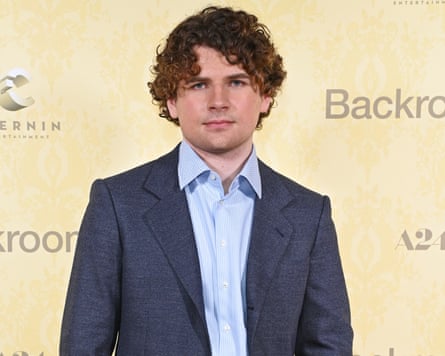
However, 2026 has marked a significant inflection point. In January, YouTuber Markiplier (Mark Fischbach) independently released his adaptation of the video game Iron Lung into theaters, where it outperformed numerous major studio releases. This was swiftly followed by the debut of Obsession from Curry Barker, a creator known for his viral comedy sketches. Made on a shoestring budget of under a million dollars, Obsession has emerged as the summer’s box office phenomenon, achieving the rare feat of surpassing its opening weekend gross in its second and third weekends. This success story is unfolding in multiplexes alongside Backrooms, directed by 20-year-old Kane Parsons. Parsons, who previously gained a significant following for his YouTube shorts adapting the "Backrooms" internet creepypasta, has now seen his feature-length interpretation become the number one movie in North America. The film, set in a series of unsettling, sparsely furnished, fluorescent-lit "liminal spaces," is poised to become distributor A24’s highest-grossing film to date, having opened to stronger numbers than many high-profile 2026 releases, including Wuthering Heights, Scream 7, The Devil Wears Prada 2, and the latest Pixar offering. The emergence of these three YouTube-trained filmmakers at the helm of some of the year’s most impactful and surprising cinematic successes has fueled a burgeoning discourse: is YouTube, rather than traditional film school, the new crucible for tomorrow’s directors?

The Diverse Paths to the Silver Screen
The "YouTube training" for these emerging filmmakers encompasses a wide spectrum of experiences. Kane Parsons, for instance, brought a background in visual effects and his established web series to his directorial debut, a path not dissimilar to past feature directors who transitioned from VFX or television. Chris Stuckmann, as noted, built his reputation primarily through film criticism. Curry Barker’s journey from sketch comedy to horror filmmaking mirrors, in a broader sense, the evolution of creators who leverage established online platforms to explore new creative avenues. The Philippou brothers, under their handle RackaRacka, previously specialized in elaborate special effects demonstrations and comedic stunts, as evidenced by their viral "Marvel vs. DC" video, showcasing a distinct visual flair that foreshadowed their cinematic ambitions. Markiplier, arguably possessing the most conventional YouTuber background, rose to fame through his gaming playthrough videos, a format that inherently involves engaging with narrative and interactive content.
The Dominance of Horror: A Genre Ripe for New Voices
A notable trend across these successes is the prevalence of the horror genre, even for creators who did not exclusively focus on it on their previous platforms. Curry Barker’s pivot to horror bears resemblance to Zach Cregger, a former sketch comedian who found critical acclaim with ambitious and unpredictable horror films like Barbarian and Weapons. While Obsession may not reach the same level of inventive ambition as Cregger’s work, it shares a penchant for a compelling premise with intricate, often darkly humorous, complications. The transition from sketch comedy to Obsession appears more organic than the Philippou brothers’ shift from provocative humor to the exploration of serious trauma in Talk to Me.
Several factors likely contribute to horror’s prominence in this emerging trend. Post-pandemic, the horror genre has demonstrated a robust marketability, often outperforming comedy, which experienced a contraction in the late 2010s. The demand for visceral cinematic experiences, once partially filled by superhero films, has now found a strong outlet in horror. This genre, with its typically lower risk budgets, has historically welcomed emerging voices from outside the traditional Hollywood studio system. Furthermore, horror is a youth-driven genre at the box office, and these younger filmmakers often exhibit a keen understanding of what resonates with their peer demographic, sometimes more so than their older counterparts.
Analyzing the Impact: Commercial Success and Creative Nuances
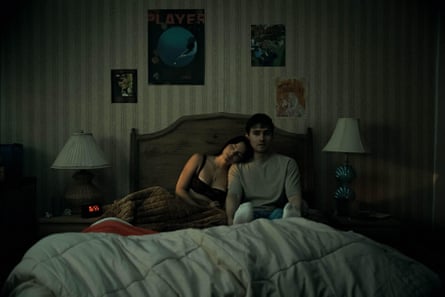
The commercial success of these YouTube-originated films is undeniable. Iron Lung, Obsession, and Backrooms have collectively demonstrated a significant audience appetite for content driven by creators with established online followings. Backrooms, in particular, has resonated with audiences despite its abstract setting of "liminal spaces." Parsons’ ability to translate the unsettling atmosphere of the internet meme into a visually striking cinematic experience has been a key factor. However, this intense focus on audience engagement can, at times, lead to films that feel calculated rather than deeply personal. While Backrooms excels in its visual depiction of a dreamlike, unsettling environment, some critics note a challenge in developing fully realized characters beyond the meticulously designed world. This suggests a filmmaker deeply immersed in the aesthetics of industrial architecture, video games, and liminality, but perhaps with less accumulated life experience to imbue the narrative with greater emotional depth. Even Obsession, which offers a more grounded narrative, has faced scrutiny for its depiction of young adult socioeconomic realities, with questions arising about the plausibility of its characters’ financial situations.
YouTube as a Platform, Not a Pedagogy
The question of whether YouTube itself constitutes a training ground for filmmakers is complex. It functions more as a platform with vast and varied content, akin to MTV’s role in the 1980s and 90s, which provided early exposure for many music video directors. Just as a successful YouTuber learns to optimize for clicks and engagement, MTV showcased content that performed well on its platform without necessarily imparting formal filmmaking instruction. The directors who thrived in the music video realm often emerged from similar backgrounds as traditional filmmakers, though notable exceptions like Spike Jonze and Michel Gondry, with roots in skateboarding photography and music, demonstrate the potential for less conventional pathways.
Demographic Trends and the Future of Filmmaking
The demographic makeup of these successful YouTube-turned-filmmakers warrants consideration. With the exception of Markiplier, who has partial Asian heritage, the prominent figures discussed—the Philippous, Chris Stuckmann, Curry Barker, and Kane Parsons—are white men. While YouTube has undeniably democratized access to content creation and branding for younger, independent filmmakers, it is not entirely revolutionary to see ambitious young white men leveraging this platform. The lower barrier to entry compared to film school may foster a sense of digital meritocracy, but it can also inadvertently favor those with pre-existing resources and time to invest in content creation, potentially skewing the landscape away from a pure underdog narrative.
The Enduring Resilience of Cinema
Despite these observations, a more encouraging aspect of this trend is the genuine desire of these creators to produce feature films. In an era where shifting viewing habits and the prevalence of second screens have led some to question the attention spans of younger audiences, the success of films like Backrooms and Obsession directly challenges such assumptions. These youth-driven phenomena are proving that audiences are willing to engage with long-form cinematic narratives. The fact that Curry Barker, Kane Parsons, and Markiplier are dedicated to crafting movies, rather than merely churning out daily online content, speaks to the enduring appeal and resilience of cinema. If YouTube is indeed emerging as a new form of "film school," it signifies that, for a growing number of individuals, the art and craft of filmmaking remain profoundly compelling and worth pursuing. This evolution represents not just a shift in how films are made, but a testament to the enduring power of storytelling on the big screen.