The preparations and initial events for America’s 250th anniversary, a milestone often referred to as the Semiquincentennial, have been met with a series of unexpected challenges and controversies. While the nation gears up to commemorate its founding in 2026, a noticeable dissonance has emerged between the intended grandeur of the celebrations and the reality on the ground. From high-profile performance cancellations to questionable artistic installations and merchandise sourcing issues, the lead-up to this significant historical marker has been far from seamless.
Artistic Withdrawals and Unfinished Monuments
A significant concern for the Semiquincentennial festivities has been the withdrawal of numerous musical acts from scheduled concerts. This exodus, reported to involve a substantial number of artists, has cast a shadow over planned musical tributes intended to honor American history and culture. While specific reasons for each withdrawal have not been universally disclosed, the sheer volume suggests underlying issues with the organization, artistic direction, or logistical support of these events. The loss of anticipated performers not only diminishes the scale of the celebrations but also raises questions about the effectiveness of the planning committees and their ability to secure and retain talent for such a nationally significant occasion.
Adding to the visual disarray is the state of a mock-up of Donald Trump’s proposed "Triumphal Arch" for the Great American State Fair. Reports indicate that the structure is visibly deteriorating, described as "oozing," which has drawn criticism and further highlighted the organizational shortcomings. The project, intended to be a significant symbolic representation, has instead become a point of concern, raising questions about the oversight and quality control of public art installations associated with the anniversary. Such a prominent symbol of a planned celebration failing to maintain its integrity detracts from the celebratory mood and invites scrutiny of the allocation of resources and project management.
Merchandise Missteps and Global Sourcing Concerns
The celebratory Americana apparel range from Disney, a brand synonymous with American culture and nostalgia, has also faced scrutiny. A portion of the collection was found to have been manufactured in China. This revelation has sparked debate regarding the authenticity of "Americana" branding when the products are produced overseas. In a nation celebrating its independence and industrial heritage, the sourcing of key commemorative merchandise from a foreign country, particularly one with complex geopolitical and economic relationships with the United States, has been perceived by some as ironic or even contradictory to the spirit of the anniversary. This issue taps into broader discussions about domestic manufacturing, global supply chains, and the definition of patriotic consumerism.
An Unexpected Commemorative Item Emerges
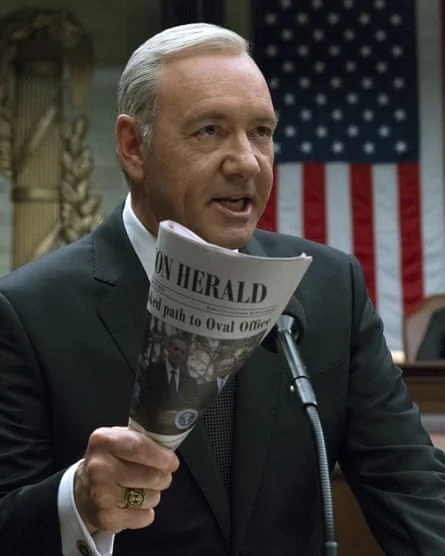
Amidst these widely reported challenges, a development of a decidedly more peculiar nature has captured public attention: the emergence of a special edition signet ring being sold by actor Kevin Spacey. The item, marketed as a commemorative piece for America’s independence, has generated considerable surprise and, in many quarters, bewilderment. The actor, whose career has been significantly impacted by multiple allegations of sexual misconduct, has launched this product through his official online store, offering it as a pre-order item.
The ring, described as "gold-tone" stainless steel, is priced at £110, with a personalized option available for £228. Purchasers opting for personalization have a maximum of 20 characters, though the site states that "offensive or inappropriate messages will not be accepted." Delivery is estimated to take three months. The product’s description on Spacey’s store states it bears the Latin inscription "Per Ardua, Ad Astra," which translates to "Through adversity, to the stars." This motto is notably also the motto of the Royal Air Force (RAF), adding another layer of unusual association for a product commemorating American independence.
Symbolism and Controversy of the Spacey Ring
The ring’s design is further complicated by its explicit reference to the character Frank Underwood, played by Spacey in the Netflix series House of Cards. The prominent "FU" engraving on the ring is a direct nod to Underwood’s initials. This choice of imagery is particularly striking given the context of Spacey’s professional downfall. The actor was dismissed from House of Cards following numerous allegations of sexual harassment and assault, leading to significant legal and financial repercussions. While an arbitration ruling ordered Spacey to pay Netflix’s production company $31 million, this amount was later reduced to $1 million by a court in 2024.
The decision to leverage the persona of Frank Underwood, a character whose association has become irrevocably tainted by Spacey’s personal controversies, for a commemorative product in 2026 is a strategic choice that has drawn considerable comment. Spacey’s past professional accolades include two Academy Awards for his performances in The Usual Suspects and American Beauty. However, by referencing a television series that has become a symbol of professional misconduct and its consequences, rather than his more universally acclaimed cinematic achievements, Spacey appears to be anchoring his current endeavor to the period of his greatest professional relevance, however controversial that relevance may have become.

Analysis of Spacey’s Commercial Endeavor
This move by Kevin Spacey can be viewed through several lenses. Firstly, it represents an attempt by the actor to re-engage with his audience and re-establish a commercial presence in the wake of his professional exile. The use of an online store and a limited-edition product suggests a direct-to-consumer model, bypassing traditional industry gatekeepers. The inscription "Per Ardua, Ad Astra" can be interpreted not only as a general sentiment of overcoming challenges but also as a personal statement from Spacey, alluding to his own journey through legal and professional adversity towards a hoped-for resurgence.
Secondly, the choice of Frank Underwood as the thematic anchor for the ring is a calculated one. Underwood, a Machiavellian figure known for his ruthless ambition and ability to navigate treacherous political landscapes, resonates with a certain narrative of overcoming obstacles. By invoking this character, Spacey may be attempting to tap into an existing fanbase that admired his portrayal, irrespective of the personal controversies that followed. This strategy mirrors a phenomenon observed in other areas of popular culture, where creators or performers may attempt to leverage past successes or personas to maintain relevance, even when those associations are complex or problematic.
Furthermore, the timing of this release, coinciding with the lead-up to America’s 250th anniversary, adds an ironic twist. While national celebrations are intended to foster a sense of unity and shared heritage, the emergence of a product tied to an individual embroiled in significant scandal injects an element of dissonance. The ring, with its "I love America" sentiment juxtaposed against the "FU" and the personal narrative of overcoming adversity, presents a complex and arguably controversial statement for a national commemoration.
Production and Delivery Details
The sale of the rings is time-limited, with a deadline of July 22nd for potential buyers. The Shopify platform hosting the sales page indicates that the rings are being manufactured on demand. This "made-to-order" approach, coupled with what is described as "Kevin Spacey’s active work schedule," explains the extended delivery timeframe of several months. This detail suggests that the production process is not a large-scale, pre-planned operation but rather a bespoke arrangement, potentially with a single manufacturer.
The product care instructions advise users to avoid contact with water, moisture, perfumes, lotions, harsh chemicals, and to refrain from exercising while wearing the ring. These precautions are standard for jewelry designed to maintain its finish and integrity, but they also highlight the product’s material composition and the need for careful maintenance.
Potential Market Reception and Broader Implications
The ultimate success of this venture remains to be seen. It is difficult to ascertain the extent of Spacey’s current popularity or the market demand for such a symbolically charged item. The article humorously suggests that the streets could soon be filled with individuals "publicly professing their support for him via the medium of ugly jewellery," a sentiment that underscores the polarizing nature of the product.
If the scheme proves to be commercially successful, it could set a precedent for other public figures facing career repercussions due to allegations of misconduct. The article provocatively speculates about future commemorative items, such as a "decorative Harvey Weinstein anklet," highlighting the potential for a trend where individuals attempt to monetize their notoriety or personal narratives of redemption through merchandise. Such a development, if it were to occur, would undoubtedly spark further debate about accountability, public perception, and the commodification of controversial public personas.
The juxtaposition of the significant challenges facing the official Semiquincentennial celebrations with the emergence of this deeply personal and controversial commemorative product creates a striking narrative. It underscores the unpredictable nature of public events and the complex ways in which individuals navigate their public image and commercial interests, even in the shadow of significant controversy. The 250th anniversary of American independence, intended to be a moment of national unity and reflection, has inadvertently become a backdrop for a unique and unexpected commercial venture, prompting questions about symbolism, celebrity, and the evolving landscape of public discourse.