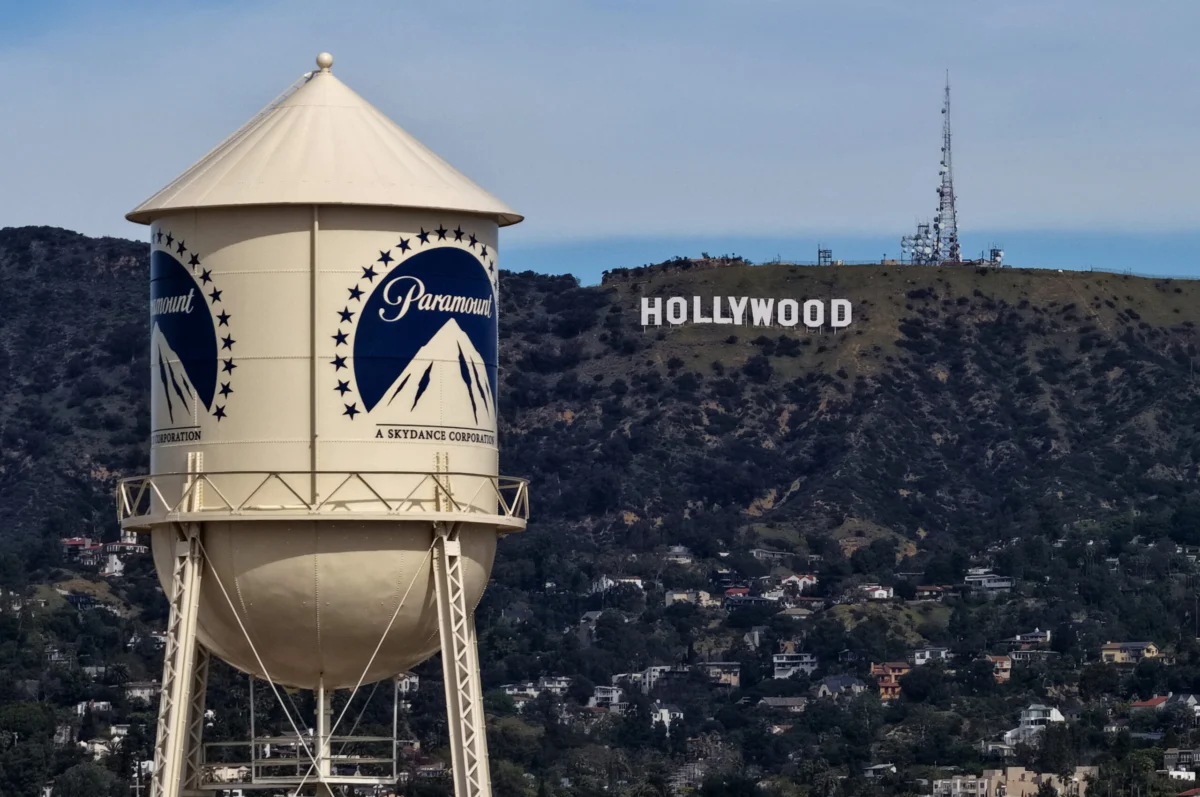
The $111 billion acquisition of Warner Bros. Discovery by Paramount Global has hit a significant judicial roadblock as a U.S. District Court extended a temporary restraining order, effectively freezing the transaction until at least August 18. Judge Araceli Martínez-Olguín issued the 14-day extension to provide legal counsel for both the media giants and the coalition of states opposing the deal sufficient time to finalize the procedural framework for an upcoming preliminary injunction hearing. This delay marks a critical juncture in what is being characterized as one of the most consequential antitrust battles in the history of the American entertainment industry.
The extension is intended to facilitate a structured agreement on the schedule and format of legal proceedings. If granted, a preliminary injunction would prevent the merger from closing until a full trial on the merits of the case is completed. The legal battle centers on allegations from several state attorneys general who contend that the union of Paramount and Warner Bros. Discovery would create a duopolistic environment, substantially throttling competition across multiple sectors, including wide-release theatrical distribution and the licensing of premium cable content.
The Antitrust Challenge and Market Concentration
The core of the legal opposition rests on the Clayton Antitrust Act, with the states arguing that the merger would lead to a "substantial lessening of competition." By combining two of the "Big Five" storied Hollywood studios, the resulting entity would command an unprecedented share of the domestic box office and television syndication markets. According to the states’ filings, the combined portfolio—which includes Paramount Pictures and Warner Bros. Pictures—would grant a single corporate board control over a vast majority of top-grossing theatrical releases, potentially leading to higher ticket prices and fewer choices for exhibitors.
Furthermore, the states have expressed deep concern regarding cable licensing. The merger would bring together a massive array of networks, including HBO, CNN, TNT, and Discovery from the WBD side, with Paramount’s CBS, MTV, Nickelodeon, and Comedy Central. Regulators argue that this consolidation would give the new entity "must-have" leverage in negotiations with cable and satellite providers, likely resulting in increased carriage fees that are ultimately passed on to consumers.
Adding to the complexity of the litigation is a separate but related lawsuit filed by the Writers Guild of America (WGA). The guild alleges that the merger represents a "monopsony" threat—a market condition where there is only one or very few buyers for a specific service. The WGA contends that the reduction in the number of major studios will result in lower compensation for creative talent, diminished residual structures, and less favorable deal terms for writers, who will have fewer competing outlets to pitch their projects.
Paramount’s Legal Strategy and the "Market Definition" Debate
In response to the mounting legal pressure, Paramount has mounted a robust defense led by high-profile attorney Jeffrey Kessler. In recent court filings, Paramount urged the court to move toward a three-day evidentiary hearing scheduled for next month. Kessler argued that such a hearing is essential to "address critical factual issues involving market definition, real-world competitive dynamics, barriers to expansion, and incentives."
Paramount’s legal team intends to present expert witnesses to challenge the states’ economic models. The studio’s primary defense rests on the argument that the traditional "studio" market definition is antiquated in an era dominated by tech giants like Netflix, Amazon, and Apple. Paramount maintains that the states’ calculation of market share is "fundamentally faulty" because it fails to account for the competitive pressure exerted by digital streaming platforms that are not bound by the same distribution constraints as legacy media companies.
The studio argues that the merger is not a move toward a monopoly, but rather a necessary defensive consolidation required to survive in a globalized, tech-heavy media landscape. By combining resources, Paramount and WBD claim they can more effectively compete for consumer attention and invest in the high-budget content required to sustain their respective streaming services, Paramount+ and Max.
The Financial Pressure of the "Ticking Fee"
While the legal arguments play out in the Northern District of California, a financial clock is looming over the corporate suites in New York and Los Angeles. The merger agreement includes a "ticking fee" provision—a common but high-stakes clause in large-scale acquisitions designed to incentivize a swift closing.
According to the contract terms, if the transaction is not consummated by September 30, Paramount will be hit with a daily penalty of $6.9 million. This fee is intended to compensate Warner Bros. Discovery shareholders for the uncertainty and potential loss of value during a prolonged regulatory review. For Paramount, the August 18 extension of the restraining order brings the company dangerously close to this deadline.
The studio previously offered a compromise: it would agree not to close the deal for up to a month if the court held the preliminary injunction proceedings at the end of August. The goal was to secure a judicial decision before the September 30 deadline triggered the multi-million-dollar daily penalties. However, the states have opposed this expedited timeline, arguing that a multi-day evidentiary hearing is inappropriate for a preliminary injunction stage and that Paramount is attempting to force a "mini-trial" without allowing the plaintiffs adequate time for discovery and preparation.
Timeline of the Merger Dispute
The path to this week’s court order has been marked by rapid escalations in legal maneuvering:
- Initial Announcement: The $111 billion merger was announced earlier this year, framed as a "transformational" event for the media industry.
- Regulatory Scrutiny: Shortly after the announcement, the Department of Justice and a coalition of state Attorneys General launched an investigation into the deal’s impact on consumer pricing and labor markets.
- WGA Intervention: The Writers Guild of America filed its formal complaint, highlighting the potential for suppressed wages and limited creative competition.
- The First Restraining Order: On Monday, the court granted the states’ initial bid to pause the deal, preventing an immediate closing.
- The Extension: On the most recent court date, Judge Martínez-Olguín extended that pause by 14 days, citing the need for a cohesive schedule for the injunction hearing.
- Upcoming Arguments: The court is scheduled to hear oral arguments on the motion for a preliminary injunction on August 3.
Broader Industry Implications and Potential Outcomes
The outcome of this case will likely set a precedent for future media consolidations. If the preliminary injunction is granted, the deal could be effectively killed, as the delay of a full trial often exhausts the financial patience of investors and triggers "walk-away" clauses in merger agreements. Paramount has signaled that if the injunction is denied, it intends to close the deal immediately, forcing the states into the much more difficult position of trying to "unwind" a merged company—a process often compared to "unscrambling an egg."
Industry analysts suggest that the court’s decision will hinge on how Judge Martínez-Olguín views the "market." If the court accepts Paramount’s view that the relevant market includes all forms of digital entertainment, the merger’s combined share may look less threatening. However, if the court adopts the states’ narrower view—focusing specifically on theatrical distribution and linear cable licensing—the concentration of power may be deemed an unacceptable risk to competition.
Beyond the financial and legal ramifications, the merger’s fate holds significant consequences for the workforce in Hollywood. A successful merger would likely lead to massive layoffs as the two companies seek "synergies"—corporate shorthand for eliminating overlapping departments in marketing, accounting, and production. For the creative community, the loss of another major studio "door" represents a shrinking of the marketplace that could define the industry for decades to come.
As the August 3 hearing approaches, the eyes of Wall Street and Hollywood remain fixed on the courtroom. The $6.9 million daily penalty serves as a stark reminder that in the world of mega-mergers, time is quite literally money, and the judicial system currently holds the stopwatch. With $111 billion and the future of two iconic American institutions on the line, the next two weeks of legal jockeying will determine whether this media titan is born or if the "Streaming Wars" will continue with the current players intact.