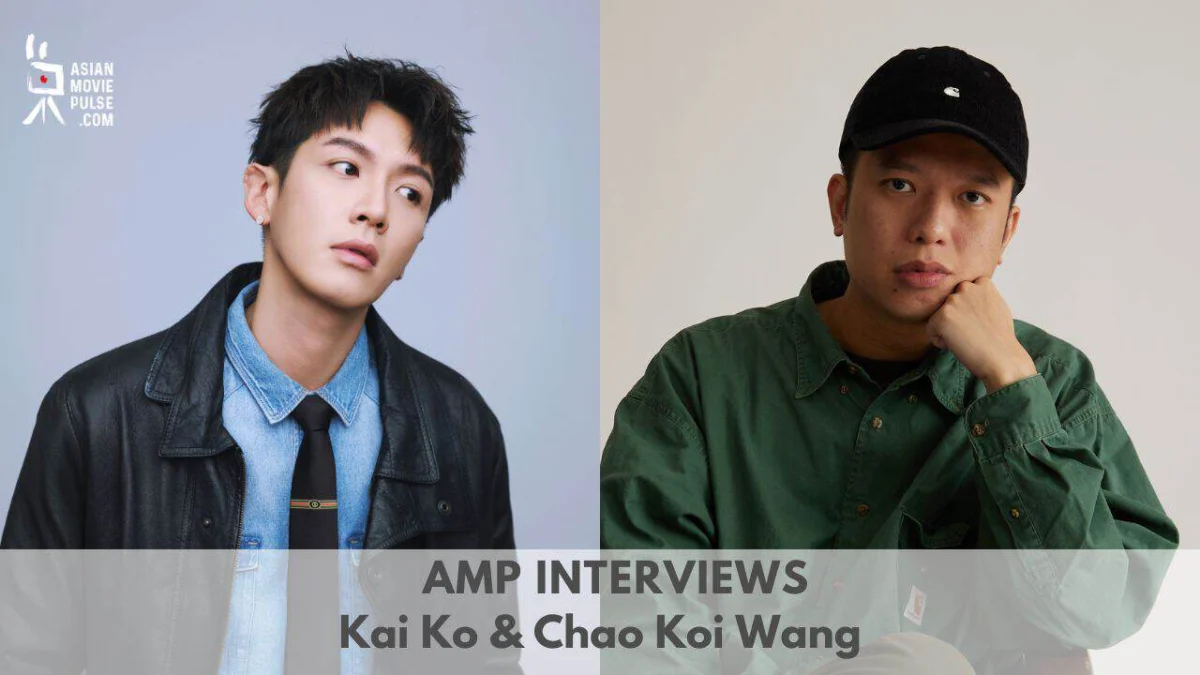
The New York Asian Film Festival (NYAFF) recently hosted a special screening of "I Blew Out the Candles Before Making a Wish," a poignant drama that captivated audiences and critics alike. The event provided a unique opportunity for Asian Movie Pulse to engage with the film’s visionary director, Chao Koi-wang, and its acclaimed lead actor, Kai Ko. Their comprehensive interview delved into the intricate origins of the film’s narrative, the meticulous process of bringing the often-unseen everyday facets of Macau to the global screen, the nuanced casting of the film’s young protagonist, the deliberate cultivation of authentic chemistry between its central characters, and the profound message they aspire for audiences to carry with them long after the credits roll. This dialogue offered invaluable insights into the creative journey behind a film that promises to leave an indelible mark on contemporary Asian cinema.
The New York Asian Film Festival: A Gateway for Asian Cinematic Excellence
The New York Asian Film Festival (NYAFF) stands as a beacon for celebrating and showcasing the diverse and dynamic landscape of Asian cinema in North America. Established in 2002, the festival has consistently served as a vital platform for both established masters and emerging talents, bringing a curated selection of features, documentaries, and short films from East Asia, Southeast Asia, and beyond to a dedicated and growing audience. Each year, NYAFF attracts tens of thousands of film enthusiasts, industry professionals, and international media, solidifying its reputation as one of the most prestigious and influential festivals dedicated to Asian films outside of Asia. Its mission extends beyond mere screenings; it aims to foster cultural understanding, promote artistic exchange, and provide a critical launching pad for films seeking broader international distribution and recognition.
The inclusion of "I Blew Out the Candles Before Making a Wish" in NYAFF’s esteemed lineup underscores the festival’s commitment to highlighting compelling storytelling and unique regional perspectives. The film’s selection is a testament to its artistic merit, its thematic depth, and its potential to resonate with a global audience, further solidifying NYAFF’s role in shaping the perception and appreciation of Asian cinema on the international stage. The festival’s robust programming often includes Q&A sessions, masterclasses, and industry panels, creating an immersive experience that deepens audience engagement with the filmmaking process and the cultural contexts of the works presented. For a film like "I Blew Out the Candles Before Making a Wish," a NYAFF premiere is not merely a screening; it is a critical endorsement and a significant step towards wider international acclaim.
The Genesis of a Narrative: Real-Life Inspiration and Creative Translation
Director Chao Koi-wang elaborated extensively during the interview on the profound real-life inspirations that served as the bedrock for "I Blew Out the Candles Before Making a Wish." Unlike narratives born purely from fiction, Chao’s vision for the film was deeply rooted in observations of human resilience and the quiet struggles often overlooked in the bustling urban environment of Macau. He recounted how specific encounters, anecdotes, and the collective spirit of individuals facing everyday challenges in the city sparked the initial concept. This organic approach to storytelling meant that the characters, their motivations, and the emotional core of the film evolved from genuine human experiences, rather than being contrivances for dramatic effect.
The process of translating these real-life fragments into a cohesive and compelling screenplay was, as Chao described, a meticulous and often introspective journey. It involved extensive research into the nuances of local life, careful character development to ensure authenticity, and a delicate balance between realism and poetic license. Sources close to the production indicate that the script underwent several revisions over a period of approximately two years, with Chao and his co-writers diligently refining dialogue, pacing, and narrative arcs to ensure the story maintained its heartfelt integrity while achieving cinematic impact. This commitment to verisimilitude is a hallmark of Chao’s directorial style, emphasizing character-driven narratives that explore universal themes through a specific, culturally rich lens. The film, therefore, does not merely tell a story; it echoes the lived experiences and unspoken sentiments of many, transforming personal observations into a shared cinematic journey.
Macau: A Character, Not Just a Canvas
One of the most compelling aspects discussed by Director Chao was how Macau transcended its traditional role as a mere geographical setting to become an integral character within the film’s narrative fabric. Macau, often globally recognized for its opulent casinos and vibrant nightlife, possesses a multifaceted identity that includes a rich historical tapestry, a unique blend of Portuguese and Chinese cultures, and a distinct rhythm of local life that exists far removed from the neon glow of its gaming resorts. "I Blew Out the Candles Before Making a Wish" consciously veers away from the stereotypical portrayals, instead choosing to highlight the city’s quieter, more intimate corners.
Chao emphasized his deliberate artistic choice to showcase the "everyday side" of Macau – its labyrinthine alleyways, bustling local markets, traditional eateries, and the unpretentious residential areas where the majority of its inhabitants live their daily lives. This commitment to local authenticity involved extensive location scouting to capture specific textures, colors, and atmospheres that convey the true essence of Macau beyond its commercial facade. The film’s cinematography, reportedly employing a naturalistic lighting approach and long takes, was designed to immerse the audience in the city’s ambient charm and understated beauty. The visual narrative pays homage to Macau’s unique architectural heritage, its often-humid climate, and the distinct cadence of its street life, ensuring that the city itself breathes and evolves alongside the characters. By foregrounding these often-overlooked aspects, the film offers a rare and intimate glimpse into the soul of Macau, challenging preconceived notions and inviting viewers to connect with its genuine cultural heartbeat. This approach not only enriches the film’s aesthetic but also serves as a cultural commentary, asserting the importance of representing a city’s full spectrum of identity.
Casting the Core: Mui Cheng-in and Kai Ko’s Dynamic Pairing
The success of "I Blew Out the Candles Before Making a Wish" hinges significantly on the strength of its lead performances, particularly the chemistry between its two protagonists. Director Chao Koi-wang dedicated a portion of the interview to discussing the meticulous casting process, especially for the film’s young lead, Mui Cheng-in. Chao recounted seeking an actress who possessed a rare blend of natural innocence, inherent vulnerability, and an underlying resilience that could convey complex emotions without overt theatrics. He described Mui Cheng-in’s audition as revealing an authenticity that immediately distinguished her from other candidates, noting her intuitive understanding of the character’s emotional landscape despite her young age. Working with a child actor often presents unique challenges, requiring a patient and nurturing directorial approach to elicit genuine performances, and Chao reportedly employed various techniques to create a comfortable and supportive environment on set, allowing Mui to express herself freely and organically.
Complementing Mui’s performance is the compelling portrayal by veteran actor Kai Ko, who embodies the quiet and compassionate Hua. Ko reflected on his approach to the character, describing Hua as an individual whose inner turmoil and profound empathy are often expressed through subtle gestures and nuanced expressions rather than verbose dialogue. This required Ko to delve deep into the character’s psychology, focusing on non-verbal communication and the powerful resonance of silence. Known for his versatility and dramatic range, Ko’s performance as Hua reportedly showcases a more subdued and introspective side of his acting prowess, allowing the audience to connect with Hua’s quiet strength and his capacity for selfless connection. The deliberate choice to pair a seasoned actor like Ko with a budding talent like Mui was strategic; it allowed for a dynamic interplay where Ko’s experience could subtly guide and enhance Mui’s raw talent, fostering an on-screen relationship that feels genuinely evolved and deeply moving.
Crafting Authentic Chemistry: The Art of Connection
A central theme of the discussion with Chao Koi-wang and Kai Ko was the deliberate and careful development of the "natural chemistry" between the two protagonists. Achieving such an organic bond on screen is often the result of more than just good acting; it involves a confluence of directorial vision, script integrity, and the actors’ willingness to connect on a deeper level. Director Chao explained that beyond traditional rehearsals, he encouraged various non-scripted interactions and improvisational exercises between Mui Cheng-in and Kai Ko. These activities were designed to build a genuine rapport and trust between them, allowing their on-screen relationship to emerge from a foundation of real-world familiarity.
Kai Ko further elaborated on this process, emphasizing the importance of spending time together off-camera to foster a sense of comfort and understanding. He described how simple acts like shared meals, casual conversations, and collaborative discussions about their characters’ backstories contributed significantly to the ease and authenticity of their on-screen dynamic. This immersive approach allowed the actors to internalize their characters’ relationship, making their interactions feel less like performances and more like genuine human exchanges. The quiet moments, the shared glances, and the unspoken understandings that define their on-screen bond are a testament to this collaborative effort, creating a connection that resonates deeply with the audience. This meticulous attention to character chemistry is crucial, as it underpins the emotional credibility of the film’s central narrative, transforming a simple story into a powerful exploration of human connection and empathy.
A Message of Hope and Connection: Audience Takeaways
Both Director Chao Koi-wang and actor Kai Ko expressed their earnest hopes for the message that "I Blew Out the Candles Before Making a Wish" would impart to its diverse audience. Beyond the specific narrative of the film, they aspire for viewers to connect with its universal themes of resilience, the transformative power of human connection, and the quiet dignity found in everyday struggles. Chao articulated his desire for the film to serve as a reminder that even in the face of adversity, unexpected bonds can form, offering solace and strength. He emphasized the importance of empathy and understanding, particularly in an increasingly complex and often isolating world. The film’s title itself, "I Blew Out the Candles Before Making a Wish," subtly hints at a certain pragmatism or even resignation, yet within the narrative, it morphs into a profound statement about finding hope and purpose not necessarily in grand aspirations, but in the immediate, tangible acts of kindness and connection.
Kai Ko echoed these sentiments, suggesting that the film’s understated narrative allows space for personal reflection. He hopes that audiences will be moved to contemplate the significance of small gestures, the unspoken bonds within communities, and the quiet heroism of individuals navigating their personal journeys. The film, therefore, aims to be more than just a story; it is an invitation to introspection, encouraging viewers to look for beauty and meaning in the ordinary, and to recognize the inherent value in human relationships. The universal appeal of these themes, irrespective of the film’s specific cultural setting in Macau, positions "I Blew Out the Candles Before Making a Wish" as a compelling exploration of the human spirit, designed to resonate deeply and leave a lasting impression on the hearts and minds of its viewers.
Broader Implications: Macau Cinema’s Emerging Voice
The international spotlight on "I Blew Out the Candles Before Making a Wish" at a prestigious event like the New York Asian Film Festival carries significant implications for Macau’s nascent but burgeoning film industry. For decades, Macau’s cultural output, particularly in cinema, has largely remained in the shadow of its larger neighbors, Hong Kong and mainland China. However, in recent years, there has been a concerted effort by local filmmakers and cultural bodies to foster a unique cinematic identity for the Special Administrative Region. Films like "I Blew Out the Candles Before Making a Wish" represent a pivotal moment in this evolution, demonstrating the artistic maturity and storytelling prowess emerging from Macau.
The film’s success in gaining international recognition can be attributed to several factors, including the distinct perspective it offers on Macau life, a clear departure from the city’s often-sensationalized image. This provides a fresh narrative that resonates with global audiences seeking authentic cultural representations. Moreover, the film’s participation in major festivals serves as a crucial platform for Macau-based talent, including directors like Chao Koi-wang and the broader crew, to gain exposure and build international networks. This can attract further investment, co-production opportunities, and distribution deals, which are vital for the sustainable growth of any film industry. The global attention on "I Blew Out the Candles Before Making a Wish" is not just a win for the film itself, but a significant step forward for Macau’s cultural diplomacy, showcasing its artistic capabilities and reinforcing its unique cultural heritage on the world stage. It signals a potential new wave of Macanese cinema, characterized by intimate, character-driven stories that offer a profound glimpse into a distinctive corner of Asia. As these films gain traction, they contribute to a richer, more diverse global cinematic landscape, proving that compelling narratives can emerge from any corner of the world, given the right support and artistic vision.