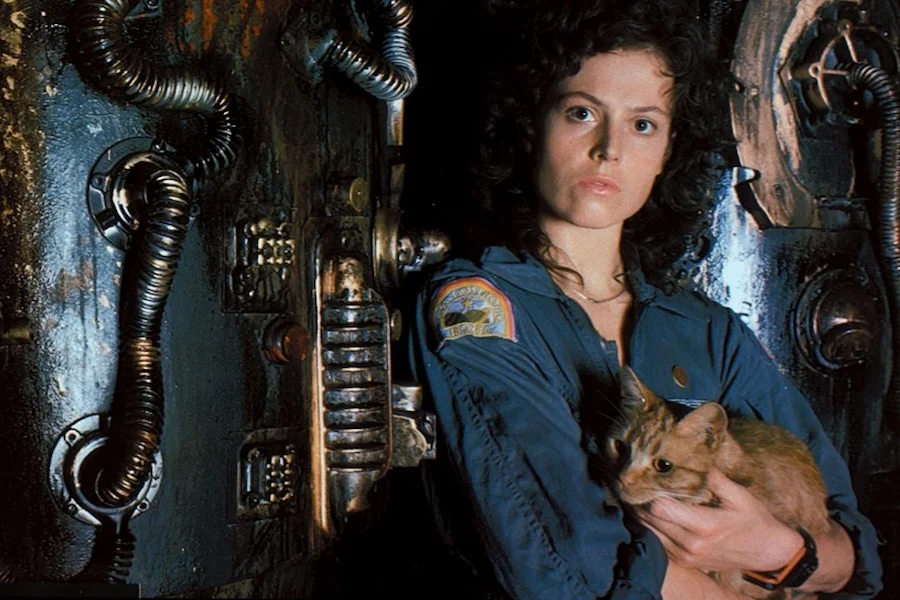
The enduring fascination with the Alien franchise, a cinematic universe that has captivated audiences for decades, has been further ignited with the recent addition of three significant special editions to HBO Max’s streaming library. This move offers fans an opportunity to revisit and re-evaluate cornerstone installments of the series: Alien 3: The Assembly Cut, Aliens: Director’s Cut, and Alien Resurrection: Special Edition. These curated versions promise a richer, more nuanced viewing experience, potentially reshaping long-held opinions and sparking renewed debate among the franchise’s dedicated fanbase. The availability of these extended and director-approved cuts marks a significant moment for enthusiasts seeking a deeper connection with Ridley Scott’s seminal 1979 masterpiece and its subsequent explorations.
Revisiting the Franchise: A History of Evolution and Controversy
The Alien saga, since its inception, has been characterized by its ability to push cinematic boundaries and elicit strong, often polarized, reactions from critics and audiences alike. While Ridley Scott’s original Alien is almost universally lauded as a landmark achievement in horror and science fiction, the films that followed have navigated a more contentious path. James Cameron’s Aliens (1986) shifted the tone from claustrophobic horror to action-packed science fiction, earning critical acclaim and commercial success, though some purists lamented the departure from the original’s pure terror.
David Fincher’s Alien 3 (1992) proved to be the most divisive, facing significant production challenges and studio interference that many believe compromised Fincher’s vision. Its bleak narrative and controversial plot points, including the fate of key characters, led to its widely criticized reception. Even Alien Resurrection (1997), directed by Jean-Pierre Jeunet, known for its unique visual style and dark humor, has found a passionate, albeit smaller, contingent of admirers who appreciate its unconventional approach to the xenomorph mythos. The very existence of these differing opinions underscores the complexity and multifaceted nature of the Alien narrative.
The Assembly Cut: A Reclaimed Vision for Alien 3
Among the newly available editions, Alien 3: The Assembly Cut stands out as a particularly compelling addition. This version, reportedly assembled without the direct involvement of director David Fincher, offers approximately 30 minutes of additional footage compared to the 1992 theatrical release. According to The Hollywood Reporter, this expanded cut significantly alters the film’s narrative by incorporating extended takes, deleted scenes, and plot-altering sequences.
One notable difference highlighted is the expanded role of the inmates in their attempts to contain the alien. In The Assembly Cut, the inmates reportedly succeed in trapping the creature in the toxic waste room, a crucial plot point that is undermined in the theatrical version when a prisoner deliberately releases it. This addition, among others, is believed to address some of the notorious plot holes that plagued the original release and provides clearer resolutions for certain supporting characters. The reintroduction of these narrative elements is expected to offer a more coherent and satisfying experience for those who felt the theatrical cut was incomplete or disjointed. The Assembly Cut aims to present a version of Alien 3 that more closely aligns with Fincher’s original intentions, offering a glimpse into what might have been.
Unpacking the Nuances: Director’s and Special Editions
Beyond Alien 3, the HBO Max additions include James Cameron’s Aliens: Director’s Cut. This version, previously often referred to as the Aliens: Special Edition, is widely considered by the director himself to be his preferred edit. While the differences between the theatrical and director’s cuts of Aliens are less drastic than those in Alien 3, they contribute to a more developed understanding of the characters and the narrative. The director’s cut typically includes expanded sequences, such as Ripley’s interactions with the android Bishop and further exploration of the colonial marines’ personalities and camaraderie. These additions enhance the emotional weight of the film and deepen the audience’s connection to the characters facing the overwhelming xenomorph threat. James Cameron’s own endorsement of this version lends it significant weight, suggesting it represents his most refined artistic statement on the film.
Alien Resurrection: Special Edition also joins the lineup, though its expansion is more modest, adding only about seven minutes to the theatrical runtime. However, this brief addition reportedly includes a significant scene at the end of the film, set on Earth. This revelation, if accurate, could profoundly impact the interpretation of the film’s conclusion and its place within the broader Alien mythology. The inclusion of a scene depicting Earth could offer a stark contrast to the sterile, often desolate environments of the previous films, potentially hinting at new narrative directions or thematic explorations for the franchise. The nature of this scene remains a point of intrigue for fans eager to dissect every facet of the Alien universe.
The Implications for Franchise Discourse and Fan Engagement
The availability of these definitive cuts on a major streaming platform like HBO Max is more than just a content update; it signifies a potential turning point in the ongoing discourse surrounding the Alien franchise. For years, fans have debated the merits of each film, often relying on home video releases or unofficial compilations to access alternative versions. Now, with these official special editions readily accessible, a new wave of critical analysis and fan discussion is likely to emerge.
The Assembly Cut of Alien 3, in particular, offers a tangible opportunity to reassess a film that has been largely written off by many. By restoring lost footage and clarifying plot points, this version could elevate Alien 3 from a perceived misstep to a more complex and potentially appreciated entry in the series. Similarly, the renewed focus on the director’s preferred cuts of Aliens and Alien Resurrection allows for a more authoritative engagement with those films, encouraging viewers to consider the directors’ original visions without the constraints of theatrical distribution.
A New Era of Alien Appreciation
The addition of these special editions to HBO Max provides a valuable resource for both long-time fans and newcomers alike. It offers a chance to experience the Alien saga with greater depth and authorial intent, potentially fostering a more nuanced appreciation for the franchise’s enduring legacy. As audiences delve into these revisited narratives, the conversations surrounding the iconic xenomorph and its terrifying universe are bound to evolve, proving that even established cinematic sagas can offer new discoveries and fresh perspectives. The ability to "catch ’em all," as the original article playfully suggests, now extends beyond mere collection to encompass a more profound understanding and re-evaluation of one of science fiction’s most influential franchises. This initiative by HBO Max serves as a testament to the lasting power of these films and the dedicated fanbase that continues to explore their intricate lore.