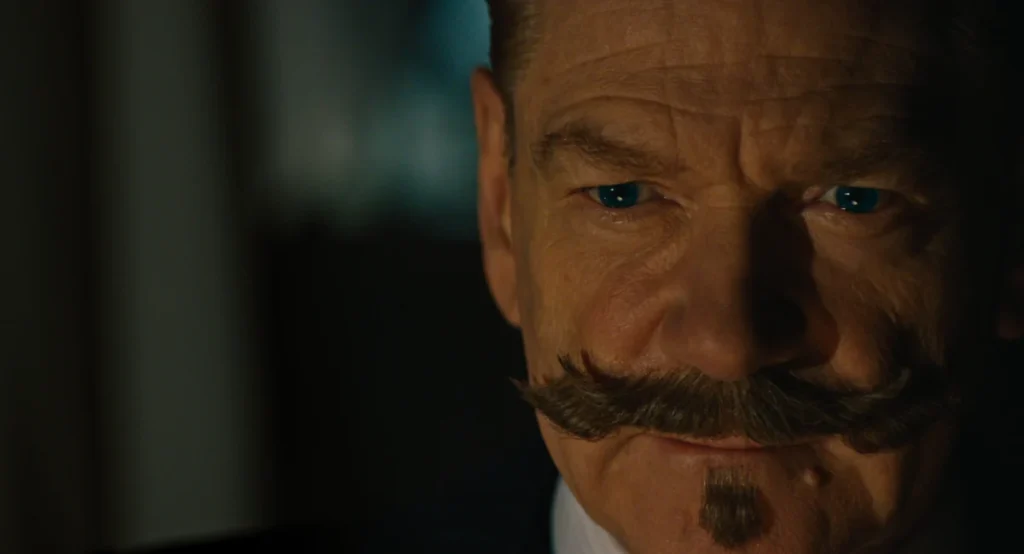
AMC’s highly anticipated anthology series, The Terror, is set to return with its third installment, The Terror: Devil in Silver, premiering on May 7th on AMC+ and Shudder. The new season, inspired by Victor LaValle’s critically acclaimed 2012 novel of the same name, promises to plunge viewers into a chilling new nightmare, anchored by a terrifying premise and the compelling presence of lead actor Dan Stevens. The recently released trailer offers a glimpse into a world where psychological horror intertwines with supernatural dread, setting the stage for a deeply unsettling experience.
A Descent into a Nightmare Hospital
The narrative of The Terror: Devil in Silver centers on Pepper, a man who finds himself trapped in a harrowing predicament after being wrongfully committed to a psychiatric hospital. This is not just any institution; it is portrayed as a place where the line between sanity and madness blurs, and where malevolent forces seem to hold sway. The trailer hints at a deeply disturbing environment, suggesting that the hospital harbors not only the lingering specter of past traumas from its patients and staff but also a monstrous demon. This premise draws parallels to classic narratives exploring the horrors of involuntary commitment, such as Ken Kesey’s One Flew Over the Cuckoo’s Nest, but Devil in Silver appears to elevate the stakes by introducing a palpable supernatural threat. The implication is that Pepper’s admission into this particular facility, one from which an insurance company seems unwilling or unable to expedite his release, is the beginning of a truly inescapable ordeal.
Victor LaValle’s novel, published in 2012, garnered significant praise for its potent blend of social commentary and visceral horror. The story delves into themes of systemic injustice, mental health treatment, and the pervasive fear of being unheard and unseen. LaValle, who is also credited as a writer and showrunner for the series, has a proven track record of crafting narratives that are both intellectually stimulating and emotionally resonant. His involvement in the adaptation process ensures a faithful yet dynamic translation of his literary vision to the screen.
Dan Stevens Leads a Stellar Ensemble Cast
Central to the appeal of The Terror: Devil in Silver is the casting of Dan Stevens in the lead role of Pepper. Stevens, who has consistently impressed audiences with his versatile performances, notably in films like The Guest and Beauty and the Beast, brings a compelling intensity to the trailer. His presence alone is a significant draw, promising a nuanced portrayal of a character facing unimaginable horrors. The trailer dedicates substantial screen time to Stevens, highlighting his character’s descent into fear and desperation.
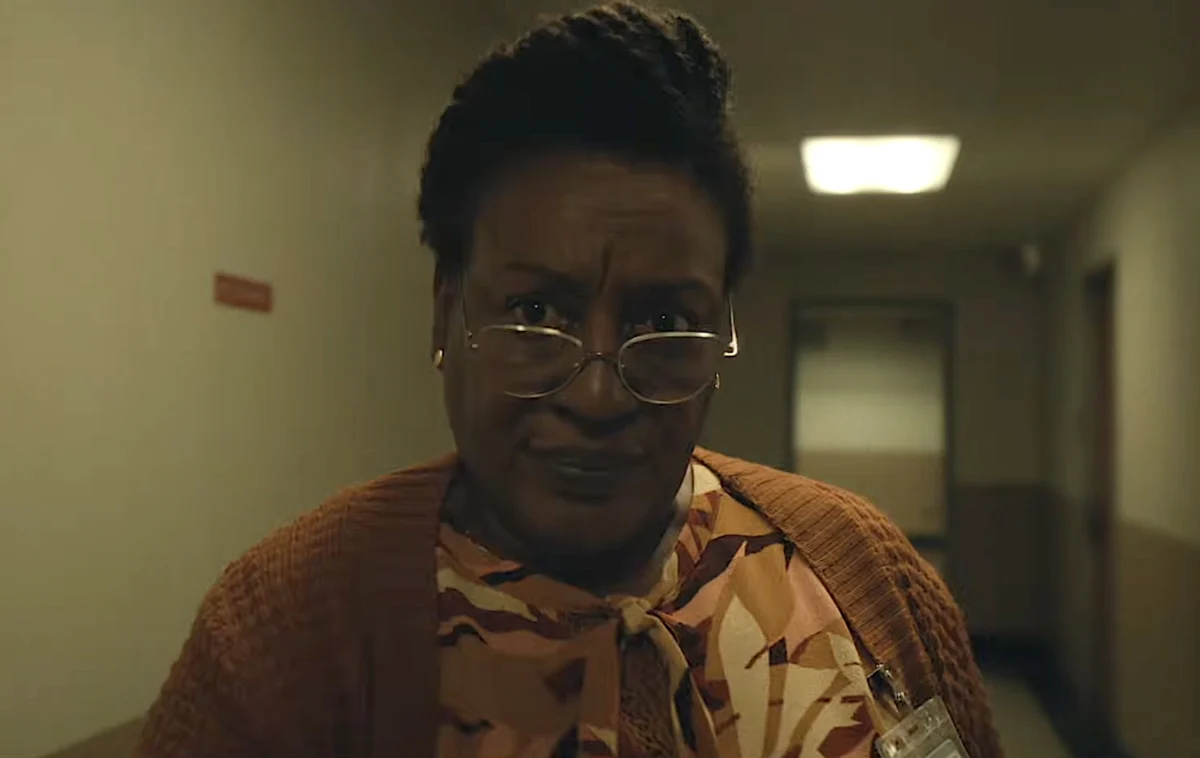
Beyond Stevens, the season boasts an impressive roster of accomplished character actors. Stephen Root, known for his distinctive voice and versatile roles in projects like Barry and Office Space, joins the cast alongside Michael Aronov, who garnered critical acclaim for his performance in The Farewell. Marin Ireland, a familiar face from Homeland and The Umbrella Academy, and the legendary CCH Pounder, whose career spans decades of memorable performances in Avatar and Sons of Anarchy, are also slated to appear. Judith Light, a two-time Tony Award winner and Emmy recipient for her work in Transparent and The Sopranos, further bolsters the ensemble. While their specific roles remain undisclosed, their inclusion suggests a depth and richness to the supporting narrative that will complement Stevens’ central performance.
A Legacy of Terrifying Narratives
The Terror anthology series, since its inception, has established itself as a platform for ambitious and thought-provoking horror storytelling. The first season, based on Dan Simmons’ novel of the same name, captivated audiences with its harrowing depiction of the ill-fated Franklin Expedition. The season masterfully blended historical fiction with supernatural horror, chronicling the descent of a naval expedition into madness and death in the treacherous Arctic landscape. Its critical acclaim cemented the series’ reputation for delivering atmospheric and intellectually engaging scares.
The second season, The Terror: Infamy, shifted focus to an original story set within a Japanese American internment camp during World War II. This installment explored the profound horrors of institutional racism and the psychological toll of imprisonment, further amplified by a supernatural element in the form of a yokai. While lauded for its bold exploration of a significant yet often overlooked chapter in American history and its compelling premise, Infamy received a more divided critical reception, with some praising its thematic depth and others finding its narrative execution less cohesive than its predecessor.
Despite the varied responses to its second season, The Terror franchise has consistently demonstrated a commitment to pushing the boundaries of the horror genre. Each season takes significant creative risks, offering narratives that are not only terrifying but also imbued with social relevance and historical context. The Terror: Devil in Silver appears to continue this tradition, drawing from a contemporary novel that grapples with modern anxieties and the enduring nature of fear.
Behind the Scenes: A Creative Powerhouse
The production of The Terror: Devil in Silver is helmed by a team of accomplished creatives. Karyn Kusama, a director celebrated for her work on atmospheric thrillers like The Invitation and the cult favorite Jennifer’s Body, is set to direct the season’s first two episodes and serve as an executive producer. Her distinctive directorial style, which often blends psychological tension with visceral horror, makes her an ideal fit for the series.
Executive producers for the season include Dan Stevens himself, signaling his deep investment in the project beyond his acting role. Visionary filmmaker Ridley Scott, whose extensive career includes seminal works in science fiction and horror such as Alien and Blade Runner, also lends his considerable talent to the production. Chris Cantwell, co-creator of the critically acclaimed AMC series Halt and Catch Fire, and Victor LaValle, the author of the source material, round out the executive producing team.
LaValle and Cantwell share writing credits for the season, with LaValle also taking on showrunning duties. This close collaboration between the author and a seasoned television writer is expected to ensure that the adaptation remains true to the spirit and thematic core of the novel while translating effectively to the visual medium. Their combined efforts are poised to deliver a season that is both faithful to its source material and a compelling piece of television in its own right.
Broader Implications and Expectations
The introduction of The Terror: Devil in Silver marks another significant chapter in AMC’s ongoing exploration of genre television. The network has consistently invested in ambitious, high-quality programming that appeals to a discerning audience, and The Terror franchise has become a flagship for its commitment to mature and impactful storytelling. The series’ willingness to tackle dark themes and employ a deliberate, atmospheric pacing has cultivated a dedicated fanbase.
The decision to adapt Victor LaValle’s Devil in Silver speaks to a growing trend in the entertainment industry to bring diverse and resonant literary voices to the screen. LaValle’s work, which often centers on the experiences of marginalized communities and explores the psychological impact of societal pressures, offers a unique perspective within the horror landscape. This adaptation has the potential to introduce his powerful narrative to a wider audience, fostering greater awareness and discussion around the themes he explores.
The success of The Terror: Devil in Silver will likely be measured not only by its viewership numbers but also by its ability to provoke thought and discussion. The series’ blend of supernatural dread and psychological realism, coupled with its exploration of systemic failures and the enduring human capacity for resilience in the face of unimaginable terror, positions it as a potentially significant contribution to the horror genre and to television programming at large. As viewers anticipate the May 7th premiere, the promise of a deeply unsettling and thought-provoking journey into the heart of a chilling narrative looms large.