Twenty years after the original film captivated audiences and redefined the rom-com genre, The Devil Wears Prada 2 has arrived, offering a sprightly and amiable sequel that revisits the iconic characters of Manhattan’s high-fashion magazine, Runway. The film, which premiered to considerable anticipation, sees the return of Anne Hathaway as Andrea "Andy" Sachs and Meryl Streep as the formidable editor-in-chief, Miranda Priestly. While the fashion and publishing industries have undergone seismic shifts in the intervening two decades, the core essence of these characters, particularly their sartorial choices and commanding presences, remains remarkably consistent.
The narrative picks up with Andy, who, after a successful but unfulfilling stint at a prestigious broadsheet newspaper, finds herself back at Runway. This return is necessitated by a career setback involving a "Jeff Bezos-type meanie," implying a loss of her previous role due to corporate downsizing or a particularly cutthroat business environment. The offer to become features editor at Runway, described as a "mephistophelean offer," signifies a reluctant but necessary re-engagement with the world she once fled. The film cleverly juxtaposes the magazine’s former opulent status with its current, more precarious digital existence. Gone are the colossal budgets and perceived invincibility; Runway now grapples with the realities of a fickle digital landscape, driven by the relentless pursuit of clicks and eyeballs. The magazine is compelled to distance itself from ethically questionable labor practices, such as the "sweatshop economy," a significant departure from its past perceived indifference.
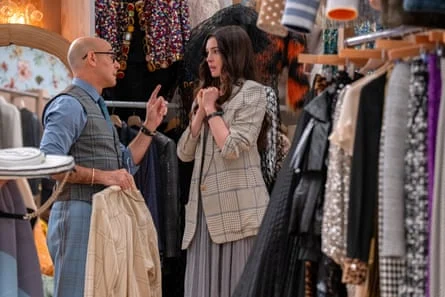
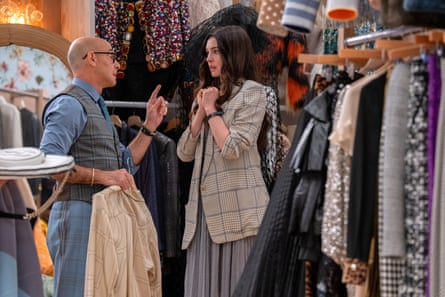
Miranda Priestly, as portrayed by Meryl Streep, appears ageless, her commanding presence undiminished. Similarly, Stanley Tucci reprises his role as Nigel, Miranda’s loyal and worldly second-in-command, whose private melancholy remains a subtle undercurrent. Their enduring dynamic provides a grounding force amidst the evolving industry. The film also introduces new dynamics, including Amari, Miranda’s new assistant, played by Simone Ashley, who actively guides Miranda in navigating contemporary workplace language and sensitivities, particularly concerning "body positivity and rejecting heteronormativity." This reflects a broader societal shift that even the formidable Miranda must acknowledge, albeit with pursed lips.
H2: The Evolving Landscape of Fashion Media
The Devil Wears Prada 2 meticulously captures the profound transformation of the fashion industry and its media outlets over the past twenty years. The original film, released in 2006, depicted a world still largely dominated by print media, with glossy magazines dictating trends and wielding immense power. The sequel, however, immerses viewers in the digital age, where the currency is engagement, virality, and an ever-present pressure to adapt to rapidly changing consumer behaviors and expectations.
Industry analysts have noted the significant decline in advertising revenue for print publications, forcing many to pivot to digital-first strategies. According to a 2023 report by Statista, global print advertising spending has seen a steady decline over the past decade, while digital advertising revenue has surged. This economic reality is a central theme in the sequel, illustrating how even an institution as seemingly unshakeable as Runway must now contend with the imperative of generating online traffic and appealing to a younger, digitally native audience. The film’s portrayal of Runway’s struggle to maintain its prestige while chasing clicks underscores the challenges faced by legacy media organizations in the contemporary digital ecosystem.
H3: A Nostalgic Return, With Modern Twists
The sequel’s narrative deliberately echoes key moments from the original film, offering a sense of familiarity and satisfying for long-time fans. These homages include Andy’s awkward interactions with Nigel in the cafeteria, Nigel’s sartorial interventions for Andy, and a trip to a fashion capital, this time Milan, which serves as a backdrop for key plot developments. A particularly amusing callback for connoisseurs of the original is the reappearance of Andy’s infamous "awful blue polyblend sweater," a garment that once symbolized her initial cluelessness and now serves as a humorous reminder of her journey.

Furthermore, the film includes a subplot involving a corporate coup, a classic trope that mirrors the power struggles inherent in the high-stakes world of fashion publishing. Andy’s involvement in thwarting this coup showcases her growth and her ability to navigate the treacherous political landscape of Runway, demonstrating that while the industry has changed, the underlying dynamics of ambition and backstabbing remain.
H2: Character Arcs and New Additions
Anne Hathaway’s portrayal of Andy Sachs in the sequel highlights her evolution from a wide-eyed ingenue to a seasoned professional. Her return to Runway, while driven by necessity, allows her to leverage her past experiences and newfound maturity. The film explores her professional growth and her ability to adapt to the evolving demands of the fashion industry.
Emily Blunt returns as Emily, Miranda’s former top assistant, who has now ascended to the prestigious position of Head of Dior. Blunt’s performance is lauded for its stylish delivery and sharp wit, as she articulates the recession-proof nature of ultra-luxury brands targeting the elite 0.1%. This character arc represents a significant shift, demonstrating that even those who once operated in Miranda’s shadow can achieve formidable power and influence. The film also features a cameo from Justin Theroux as Benji, Emily’s "grinningly daft-yet-sinister plutocrat boyfriend," adding a layer of darkly comedic intrigue to the supporting cast.
H3: The Romance Factor: A Point of Contention
While the film generally receives positive reception for its humor and character returns, the romantic subplot has been a point of critique. Andy’s romance with a "dull Australian real estate magnate," played by Patrick Brammall, is described as "bafflingly dreary and chemistry-free." This tepid portrayal has been noted as a weakness, particularly in contrast to the strong professional dynamics that define the film. The film also features Kenneth Branagh as Miranda’s latest romantic interest, a prince-consort boyfriend who is bizarrely cast as the lead violinist in a string quartet, adding an element of unexpected eccentricity to Miranda’s personal life.
H2: Star Power and the Elusive Cameo
The Devil Wears Prada 2 incorporates a number of "star-fan cameos," a common practice in contemporary cinema. While the article suggests these are "managed well enough," it also notes that the absence of a highly anticipated cameo—that of Anna Wintour, the real-life inspiration for Miranda Priestly—was keenly felt. Wintour, the long-standing editor-in-chief of American Vogue, represents the ultimate embodiment of the powerful, influential figure in fashion media, and her absence is presented as a missed opportunity for the film to fully connect with its real-world inspirations.
The strategic inclusion of cameos, when executed effectively, can enhance a film’s appeal and generate buzz. However, an overreliance on them can sometimes detract from the core narrative. The article suggests that the film strikes a delicate balance, integrating these appearances without allowing them to overshadow the main storyline.
H3: Behind the Scenes and Critical Reception
The sequel benefits from the return of key creative talent from the original film, including screenwriter Aline Brosh McKenna and director David Frankel. This continuity in creative vision is crucial for maintaining the spirit and tone of the beloved original. The article’s author admits to a prior "grumpy and obtuse response" to the first film, which was later rectified upon rewatching it, highlighting the enduring impact and nuanced appreciation that such films can garner over time. This personal reflection adds a layer of authenticity to the review, acknowledging how initial perceptions can evolve.
The film’s humor is particularly highlighted, especially in the interactions between Miranda and Andy. The ambiguity surrounding Miranda’s memory of Andy—whether she truly doesn’t recall her or is merely feigning ignorance—adds a layer of psychological intrigue to their relationship, a hallmark of the original film’s sophisticated character dynamics.
H2: Broader Implications and Industry Analysis
The success and themes explored in The Devil Wears Prada 2 offer a valuable lens through which to examine the current state of the fashion and publishing industries. The film’s portrayal of the digital shift, the economic pressures on legacy media, and the evolving expectations of a younger generation of consumers and employees, are all critical issues facing these sectors.
The film’s assertion that "ultra-luxury brands for the 0.1% are recession-proof" is a salient point in the current economic climate. While many industries struggle with economic downturns, the high-end luxury market often demonstrates resilience due to its affluent customer base. This aspect of the film reflects a well-documented trend in the fashion industry, where brands catering to the ultra-wealthy are often less susceptible to market fluctuations.
The sequel’s exploration of corporate culture, particularly regarding inclusivity and evolving language, also resonates with contemporary workplace discussions. Miranda Priestly’s need to adapt to these changes, however grudgingly, signifies a broader societal imperative for organizations to embrace diversity and foster more equitable environments. The film subtly underscores that adapting to these changes is not just about compliance but about long-term relevance and sustainability in a rapidly changing world.
Ultimately, The Devil Wears Prada 2 appears to be a well-executed continuation that honors its predecessor while engaging with the realities of the present. It offers a blend of nostalgic comfort, sharp wit, and relevant social commentary, making it a noteworthy addition to the cinematic landscape of fashion and workplace dynamics. The film’s ability to resonate with audiences nearly two decades after the original is a testament to the enduring appeal of its characters and the timeless themes it explores. The enduring power of the original film, and its sequel’s successful reinterpretation, suggests that the narratives of ambition, aspiration, and personal growth within the glamorous yet demanding world of fashion continue to captivate and inspire.