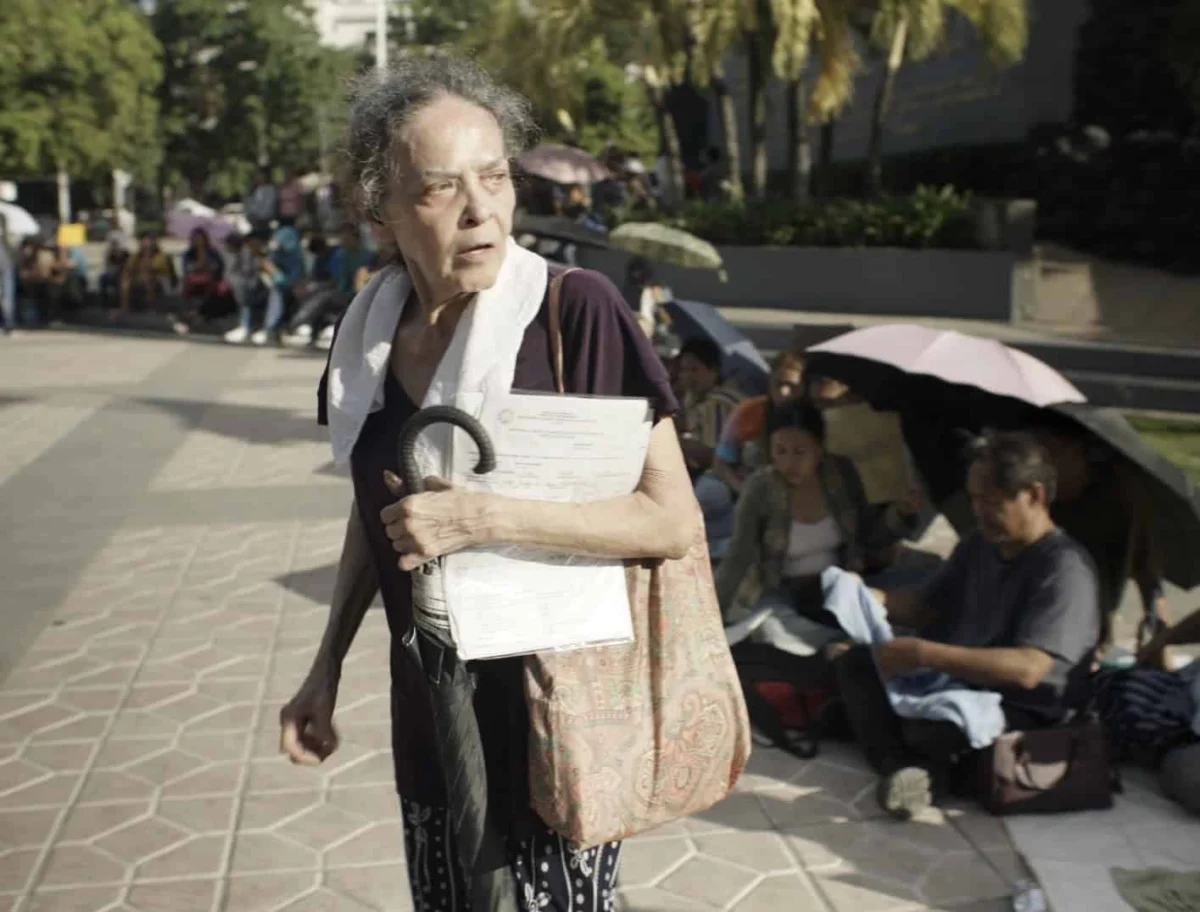
Filipino auteur Adolfo Alix Jr. has once again captivated international audiences with his latest cinematic offering, "Queue," which held its highly anticipated world premiere at the prestigious Moscow International Film Festival. The film, a profound exploration of systemic challenges, public health crises, and the often-overlooked struggles of the elderly in the Philippines, solidifies Alix Jr.’s reputation as a master storyteller with a keen eye for social commentary and a unique ability to draw powerful performances from seasoned actresses. At its core, "Queue" is a harrowing yet deeply human narrative, presented through the ambitious and technically demanding device of a single, uninterrupted take, anchored by a tour-de-force performance from veteran actress Gina Pareño.
A Director’s Vision: Thematic Depth and Signature Collaborations
Adolfo Alix Jr. has, over the past two decades, consistently demonstrated a distinctive knack for crafting compelling narratives around the experiences of older women, often collaborating with some of Philippine cinema’s most iconic figures. His previous works with legendary actresses such as Anita Linda, Jaclyn Jose, and Nora Aunor have eloquently showcased this predilection, yielding critically acclaimed performances and enriching the tapestry of Filipino cinema. In "Queue," Alix Jr. continues this tradition, casting Gina Pareño in a role that demands immense emotional and physical endurance, further cementing his commitment to giving a voice and a platform to these often underrepresented perspectives on screen. This recurring motif in his filmography highlights not just a directorial preference but a deliberate artistic choice to explore themes of aging, resilience, and the societal roles of women beyond their conventional portrayals.
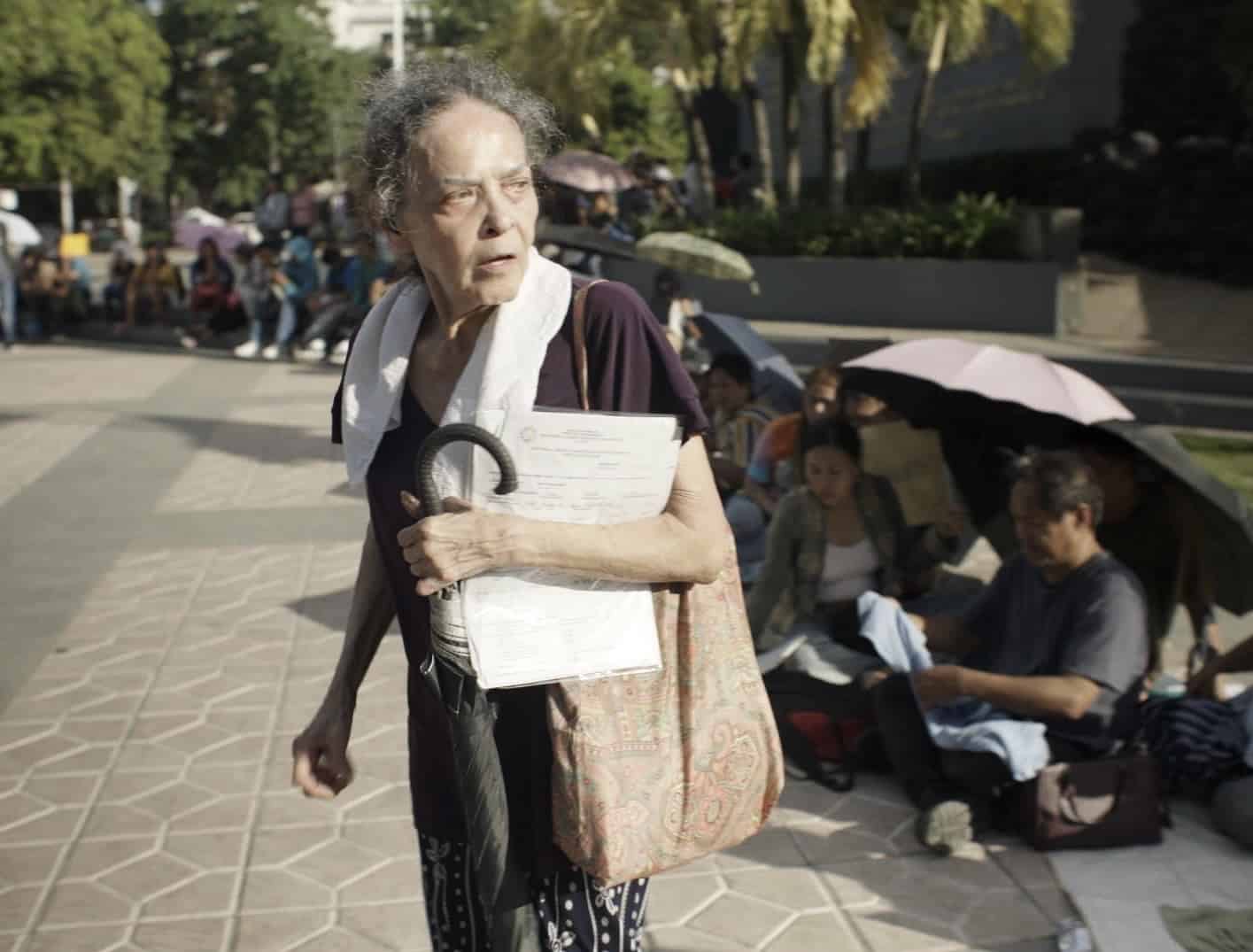
The film meticulously unravels the labyrinthine ordeal faced by Regina, a 75-year-old woman, as she navigates the arduous government medical assistance program. Her singular goal is to secure crucial financial aid for her ailing husband’s escalating hospital bills, a plight that resonates deeply with countless families in the Philippines. However, the day depicted in "Queue" is far from ordinary, quickly devolving into a complex web of personal turmoil and systemic frustrations. Regina’s age-related mental issues begin to manifest, her granddaughter who was meant to accompany her is mysteriously absent, and an acquaintance accuses her of absconding with her phone. Amidst this personal chaos, she observes a younger woman seemingly involved in dubious activities within the queue, hears a young officer mention the possibility of a faster line through an online QR code, and witnesses the arrest of a young beggar boy. As Regina desperately searches for her granddaughter, she simultaneously attempts to decipher the bewildering events unfolding around her, all while the seemingly interminable queue stretches endlessly before her.
The Kafkaesque Bureaucracy and the Never-Ending Wait
Alix Jr.’s narrative approach in "Queue" can be aptly described as Kafkaesque, a journey into the absurd and dehumanizing intricacies of public health bureaucracy. The film traces Regina’s "trip" through a system designed, it seems, to confound rather than assist. She knows precisely what she needs, yet the procedures appear to conspire against her, treating citizens as adversaries rather than individuals seeking help. This portrayal is a stark indictment of administrative inefficiencies and the systemic neglect often experienced by the vulnerable. The "never-ending queue" becomes the film’s central, potent metaphor, symbolizing not only the literal waiting lines but also the perpetual state of struggle faced by the poor in the Philippines. It highlights a dead-end reality for the protagonist and, by extension, for a significant portion of the nation’s underprivileged population, trapped in a cycle of want and bureaucratic indifference.
Initially, Regina’s accusations of corruption and her perception of certain individuals as enemies might appear to stem from her deteriorating mental state, blurring the lines between reality and delusion. However, as the narrative progresses, Alix Jr. masterfully peels back these layers, revealing a grim reality that hits with shocking force. A series of previously ambiguous scenes gradually coalesce, gaining chilling clarity and making complete sense, confirming Regina’s fragmented perceptions as tragically accurate insights into the pervasive corruption embedded within the system. This narrative device elevates the film beyond a mere personal struggle, transforming it into a powerful social commentary on the insidious nature of systemic malfeasance.
Cinematic Masterpiece: The One-Shot Technique and Gina Pareño’s Brilliance
The implementation of the one-shot approach in "Queue" is nothing short of exemplary, a testament to Alix Jr.’s directorial precision and artistic courage. This technical choice creates an immersive, real-time experience, drawing viewers intimately into Regina’s unfolding nightmare. The continuous take evokes a style reminiscent of Brillante Mendoza’s celebrated works, particularly in its unflinching commitment to intense realism. This stylistic choice could easily have become a tiresome gimmick, but its success is undeniably bolstered by the phenomenal performance of Gina Pareño. She carries the entire film on her shoulders, delivering a powerhouse portrayal that transcends the technical challenge, transforming it into an organic extension of the character’s lived experience.
Pareño’s performance is a masterclass in subtlety and raw emotion. Whether she is desperately searching for her granddaughter, wryly mocking an ex-boyfriend, confronting a woman who emerges as a palpable "enemy," or feigning collapse, her presence is a true wonder to behold. Her ability to navigate these diverse emotional states within a single, continuous take is a remarkable feat of acting. She infuses Regina with a compelling blend of vulnerability, resilience, and an undeniable spirit that makes the one-shot approach not just successful, but essential to the film’s impact. The synergy between the narrative’s inherent tension and Pareño’s nuanced performance generates an appealing sense of angst that permeates every frame, making the audience feel every frustration and every fleeting moment of hope alongside Regina.
Beyond the technical marvel, the film also employs road movie aesthetics with impressive effectiveness. The episodic narrative unfolds organically, with events succeeding and intermingling in an ideal chronological and thematic order. This structure, combined with the continuous shot, gives the impression of an unedited slice of life, enhancing the film’s gritty realism. The cinematography, too, stands at a very high level, perfectly complementing the movie’s raw aesthetic and Pareño’s earthy performance. It leans heavily towards a documentary style, capturing the harsh realities of the urban landscape and the weary faces within the queue with unflinching honesty.
Contextualizing ‘Queue’: Social Realism and Filipino Society
"Queue" is not merely a film; it is a vital entry into the rich tradition of social realism in Filipino cinema. This genre, championed by legendary filmmakers such as Lino Brocka and Ishmael Bernal, has historically served as a mirror reflecting the socio-political realities of the Philippines. Alix Jr. masterfully inherits and reinvigorates this legacy, using "Queue" to comment on contemporary issues that continue to plague the nation.
The film’s exploration of public health challenges is particularly pertinent. The Philippines grapples with significant disparities in healthcare access, particularly for its indigent population. According to various health sector reports, a substantial portion of healthcare expenditures remains out-of-pocket, pushing many families into poverty or deeper debt. Government programs, while existing, are frequently criticized for bureaucratic hurdles, insufficient funding, and slow implementation, leading to the very kind of arduous queuing depicted in the film. For instance, the National Health Accounts of the Philippines consistently indicate that a significant percentage of health spending comes directly from households, underscoring the financial burden on individuals, especially for chronic illnesses or emergencies.
Furthermore, the film’s courageous tackling of corruption resonates with broader national concerns. International indices, such as the Corruption Perception Index, have frequently highlighted issues of governance and integrity in the Philippines, reflecting public frustration over misuse of funds and abuse of power. Regina’s initial "delusions" about shady dealings within the queue are, sadly, not far from the documented realities of petty and grand corruption that can undermine public services, including those meant for the most vulnerable. The film provides a visceral portrayal of how such corruption filters down to affect everyday citizens, eroding trust in institutions and exacerbating suffering.
The plight of the elderly, central to Regina’s story, is another critical societal issue. While Filipino culture often venerates elders, economic hardships and inadequate social safety nets mean that many senior citizens, especially those from lower-income brackets, face immense challenges in accessing medical care, securing financial stability, and maintaining dignity. Films like "Queue" serve as a crucial reminder of these struggles, advocating for greater attention and more effective policies to support an aging population that often finds itself at the mercy of complex and unresponsive systems.
Global Recognition: The Moscow International Film Festival and Beyond
The world premiere of "Queue" at the Moscow International Film Festival (MIFF) signifies a significant achievement for Filipino cinema. As one of the oldest film festivals in the world, MIFF holds considerable prestige and provides an invaluable platform for showcasing diverse cinematic voices to a global audience. For "Queue," a film deeply rooted in specific Filipino socio-political realities, its selection underscores the universality of its themes – the struggle against bureaucracy, the resilience of the human spirit, and the quest for justice in an imperfect world.
While official statements from the director, cast, or festival organizers are not yet widely disseminated, the very presence of "Queue" at such an esteemed event speaks volumes. It implies a recognition of Alix Jr.’s artistic merit, the film’s technical innovation, and the powerful social commentary it delivers. Early critical reception from the festival circuit has reportedly lauded the film for its unflinching realism, its courageous narrative, and Gina Pareño’s unforgettable performance, positioning it as a strong contender in the international festival landscape.
Sources close to the production indicated that the journey of "Queue" from its conceptualization to its international premiere was a testament to the dedication of its cast and crew, particularly given the inherent challenges of executing a single-take film. The meticulous planning and extensive rehearsals required for such an ambitious project further highlight the commitment to achieving Alix Jr.’s artistic vision and delivering a profoundly impactful cinematic experience.
Broader Impact and Legacy
"Queue" stands as an excellent film that successfully achieves multiple objectives: it honors the rich legacy of Filipino social drama, reinvigorates the genre with innovative stylistic choices, and provides a searing critique of contemporary societal issues. For fans of realist cinema, it is undoubtedly a must-watch, offering an immersive and thought-provoking experience that lingers long after the credits roll.
Beyond its artistic merits, "Queue" carries significant cultural and social implications. It serves as a powerful call for reflection on the state of public services, the pervasive issue of corruption, and the welfare of the elderly in the Philippines. By bringing these often-invisible struggles to the forefront of a global stage, the film has the potential to spark crucial conversations, inspire advocacy, and perhaps even contribute to a renewed push for systemic reforms. Adolfo Alix Jr., through "Queue," not only delivers a compelling cinematic work but also reinforces the vital role of art in documenting, critiquing, and ultimately, shaping the societal narrative. Its impact is poised to resonate within the Philippines and among international audiences, cementing its place as a significant contribution to world cinema.