While featuring standout supporting performances and a few genuine laughs on the margins, Roommates struggles to find a strong connection between its central duo, marking another uneven entry in Happy Madison Productions’ extensive catalog for Netflix. The film, released amidst a busy year for the production company, attempts to blend familiar collegiate comedy tropes with a fresh creative team but ultimately falls short of delivering a cohesive or memorable experience.
The Latest Chapter in the Happy Madison-Netflix Partnership
Roommates arrives on Netflix as the latest collaborative effort from producers Adam Sandler and Tim Herlihy, stalwarts of Happy Madison Productions. This film follows a series of high-profile releases in 2025, including Kinda Pregnant starring Amy Schumer and the highly anticipated sequel, Happy Gilmore 2. The partnership between Happy Madison and Netflix, which began in 2014, has been a cornerstone of the streaming giant’s comedy offerings, reportedly generating billions of hours of viewership despite often receiving mixed-to-negative critical reviews. This lucrative, multi-picture deal has allowed Sandler and his associates considerable creative freedom, cementing Netflix as the primary platform for their signature brand of comedy.
The production of Roommates reflects this ongoing strategy. Adam Sandler’s Happy Madison Productions has carved a niche for itself by producing films that cater to a broad audience, frequently featuring a recurring ensemble of comedic actors and a distinct, often irreverent, humor style. While critics often lament the lack of critical acclaim for these projects, Netflix’s consistent renewal of the deal underscores the commercial success and subscriber engagement they generate. Roommates was positioned to continue this trend, leveraging the established brand while introducing new talent both in front of and behind the camera. The film’s place in the 2025 lineup, particularly after the buzz surrounding Happy Gilmore 2, highlights Netflix’s continued investment in this comedy pipeline.
A New Direction with Established Pedigree: Director and Writers
At the helm of Roommates is up-and-coming Canadian filmmaker Chandler Levack, known for her critically acclaimed work on I Like Movies. Levack’s involvement brings an intriguing dynamic, given her background in independent cinema and her recent recognition as a "Director to Watch" by the Palm Springs International Film Festival for her upcoming film, Mile End Kicks. Her previous work often showcases a nuanced understanding of character and coming-of-age narratives, suggesting a potential for Roommates to transcend typical studio comedy fare. However, the challenge for directors transitioning from indie successes to larger studio productions, especially within a well-defined brand like Happy Madison, often lies in balancing their artistic vision with established commercial expectations. Levack’s direction in Roommates was thus keenly observed for how it would meld her distinctive voice with the Happy Madison aesthetic.
The screenplay for Roommates was penned by current Saturday Night Live scribes Jimmy Fowlie and Ceara Jane O’Sullivan, a duo celebrated for their contributions to the long-running sketch comedy show, including the widely praised "Domingo" sketch. The transition from writing short, punchy sketches for live television to crafting a feature-length narrative presents its own set of challenges. SNL writers are adept at creating memorable characters and quick comedic beats, but sustaining character arcs and plot cohesion over 100 minutes requires a different skill set. Their involvement hinted at a script rich with sharp dialogue and situational humor, leveraging their proven comedic instincts honed in the fast-paced environment of SNL. The question, however, remained whether their talent for episodic comedy could translate effectively into a feature film that requires a more sustained narrative and character development.
Synopsis: The Rocky Road to College Friendship

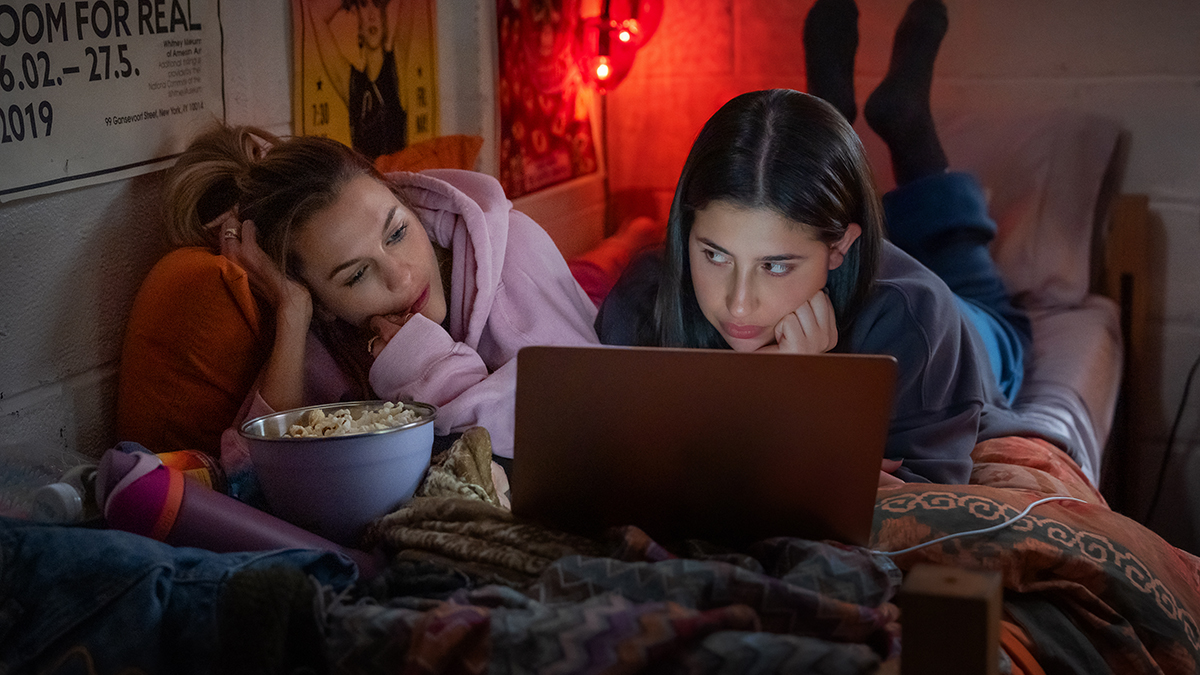
The narrative of Roommates centers on Devon, portrayed by Sadie Sandler, an incoming college freshman eager to leave behind a high school experience marked by social awkwardness and failed friendships. Devon’s ambition is to forge new connections, a journey that begins with her assigned roommate, Chelsea, played by Chloe East. Chelsea is depicted as the quintessential embodiment of "zero f-cks given," an abrasive and unapologetically independent individual whose personality sharply contrasts with Devon’s more reserved and anxious demeanor.
Initially, following college orientation and the initial excitement of moving in, Devon and Chelsea experience a brief "honeymoon" period, suggesting a nascent friendship. However, this early camaraderie quickly devolves into a protracted "war of passive aggression." The film explores the intricate dynamics of forced cohabitation, where differing personalities, expectations, and lifestyles inevitably clash. The central conflict revolves around whether these two disparate individuals can salvage their budding friendship and navigate the challenges of communal living, or if their relationship is destined for a "death by 1000 cuts." This setup offers fertile ground for a character-driven comedy exploring themes of identity, adaptation, and the complexities of forming bonds in a new environment.
An Ensemble Cast of Comedic Talent
Beyond its central duo, Roommates boasts an impressive roster of comedic talent, a hallmark of many Happy Madison productions. This ensemble strategy often aims to provide comedic relief and depth, even if the primary narrative struggles.
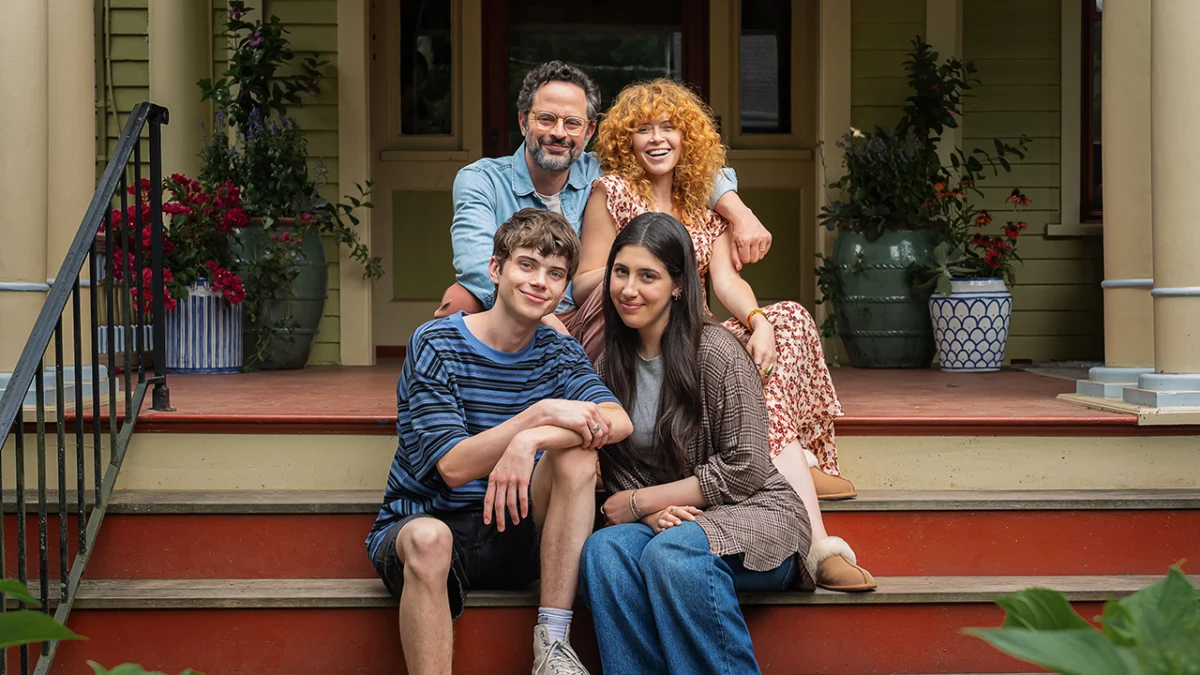
Natasha Lyonne (Poker Face) and Nick Kroll (The League, Big Mouth) play Devon’s parents, offering their distinct comedic styles to the parental figures. Lyonne’s deadpan delivery and Kroll’s energetic, often exasperated, portrayal were expected to provide significant laughs and grounding for Devon’s character. Their roles, while supporting, are crucial in establishing Devon’s background and emotional state as she embarks on her college journey. Kroll, in particular, has a reputation for elevating even thin material, a fact acknowledged by the reviewer who noted his persistent efforts to "make something out of nothing" in the film.
Further enhancing the cast are Saturday Night Live members Sarah Sherman and Martin Herlihy, who take on various on-campus roles. Sherman’s unique, often bizarre, comedic presence and Herlihy’s dry wit, a signature of his work with "Please Don’t Destroy," were anticipated to inject additional humor. Herlihy’s portrayal of George, an outlandish loser, is singled out as an MVP, providing some of the film’s most memorable moments, including the "Funyun bag" costume and accompanying line, "There wasn’t anything Funyun about that conversation." These peripheral characters often shine in Happy Madison films, serving as comic relief that sometimes outshines the main storyline.
Veteran comedic actors Janeane Garofalo, Carol Kane, and frequent Adam Sandler collaborator Steve Buscemi also appear in smaller supporting parts. Their presence underscores the film’s commitment to packing its cast with recognizable faces, a tactic that often draws audiences. While their roles might be brief, their collective experience and established comedic personas contribute to the overall comedic atmosphere, even if their characters are not central to the plot’s progression. This strategy, while ensuring a high density of talent, also risks underutilizing these performers if the script doesn’t provide them with substantial material.
Critical Reception: A Disconnect at the Core
Despite the promising combination of fresh directorial talent, experienced writers, and a star-studded cast, Roommates faced significant criticism for its inability to coalesce into a truly effective comedy. The central issue, as identified by numerous reviews, was the profound lack of chemistry between the two lead actresses, Sadie Sandler and Chloe East. In a film that hinges on the evolving, and often contentious, relationship between its protagonists, this deficiency proved to be a fatal flaw. The dynamic between Devon and Chelsea, intended to be an "odd couple" pairing, failed to generate either compelling drama or consistent humor, leaving audiences disengaged from their struggles.
The humor, or lack thereof, was another major point of contention. While the film boasted a team of SNL writers, many of the strongest comedic moments were relegated to the periphery. Early scenes, such as the cafeteria lady’s reaction to a valedictorian speech or the public spat between a previous set of roommates (played by Ivy Wolk and Storm Reid), garnered laughs. However, as the focus shifted to Devon and Chelsea’s escalating passive-aggressive war, the comedic attempts dwindled. Jokes became sparse, and many fell flat, leaving the core of the film feeling tonally unappealing for a comedy. The reviewer specifically noted that while Nick Kroll valiantly attempted to infuse humor into his scenes, the script simply did not provide enough material for the primary characters to generate sustained laughter or charm. This highlights a common pitfall in ensemble comedies where supporting characters are given stronger comedic beats than the leads, leading to an imbalance that undermines the main narrative.
Furthermore, the film was criticized for its "lacking plot cohesion" and failure to develop "remarkable characters." Devon was perceived as a "bland architecture major with a lack of personality," while Chelsea’s "chaotic" nature was deemed "not in a fun way." The narrative struggled to find meaning in their core relationship, depicting a cycle of disengagement and destruction without offering substantial takeaways or character growth. The reviewer pointed out a "wildly unearned left turn of an ending with no redeeming value," suggesting that the conclusion felt arbitrary and failed to provide a satisfying resolution to the characters’ conflicts. This narrative misstep further compounded the issues of weak character development and inconsistent humor, preventing the film from achieving even basic comedic competence.
The "Nepo Baby" Discourse and Sadie Sandler’s Performance
The film’s casting of Sadie Sandler, daughter of Adam Sandler, inevitably placed it within the ongoing "nepo baby" discourse in Hollywood. This conversation scrutinizes the casting of children of established industry figures, questioning whether their opportunities are earned on merit or facilitated by their connections. Roommates features not only Sadie Sandler but also Martin Herlihy, son of producer Tim Herlihy, inadvertently participating in this very debate. The reviewer, while critical of the film’s overall quality, defended Sadie Sandler’s performance, noting her growth and potential. She was previously praised for her role in You Are So Not Invited to My Bat Mitzvah and showed promise in Jay Kelly. However, the Roommates role, according to the review, did not play to her strengths, particularly her comedic timing and biting wit, suggesting that the script failed to provide her with material worthy of her developing talent. This analysis differentiates between an actor’s inherent ability and the quality of the material they are given, arguing that the film’s shortcomings should not be a "referendum on the lead."
Broader Implications and Future Outlook
The reception of Roommates adds another data point to the complex relationship between Happy Madison Productions and Netflix. While the partnership has been commercially successful for Netflix in terms of viewership, critical consensus often remains lukewarm. This raises questions about the long-term strategy: can Netflix continue to prioritize volume and recognizable names over critical acclaim for its comedy slate? The continued production of films like Roommates, which leverage star power and familiar comedic structures, suggests that the current model remains viable for Netflix’s business objectives, even if it doesn’t consistently produce critically lauded content.
For director Chandler Levack and writers Jimmy Fowlie and Ceara Jane O’Sullivan, Roommates represents a significant foray into mainstream studio comedy. While the film’s critical reception may not be glowing, the experience of working within a major production framework, especially with a prolific entity like Happy Madison, provides valuable industry exposure and learning opportunities. Their future projects will likely be watched to see how they apply these experiences and whether they continue to blend their unique voices with broader commercial appeal.
Ultimately, Roommates serves as a cautionary tale in comedy filmmaking: even with a wealth of talent and a proven production machine, a weak script, underdeveloped characters, and a lack of chemistry between leads can undermine the entire endeavor. The film’s reliance on peripheral jokes and an unearned ending prevented it from making the grade, positioning it as another "Happy Madison/Netflix miss" in the eyes of critics, despite the persistent efforts of its dedicated cast and crew. While it might offer sporadic laughs for those who appreciate the Happy Madison brand of humor, it fails to provide the foundational elements necessary for a truly engaging or memorable collegiate comedy.