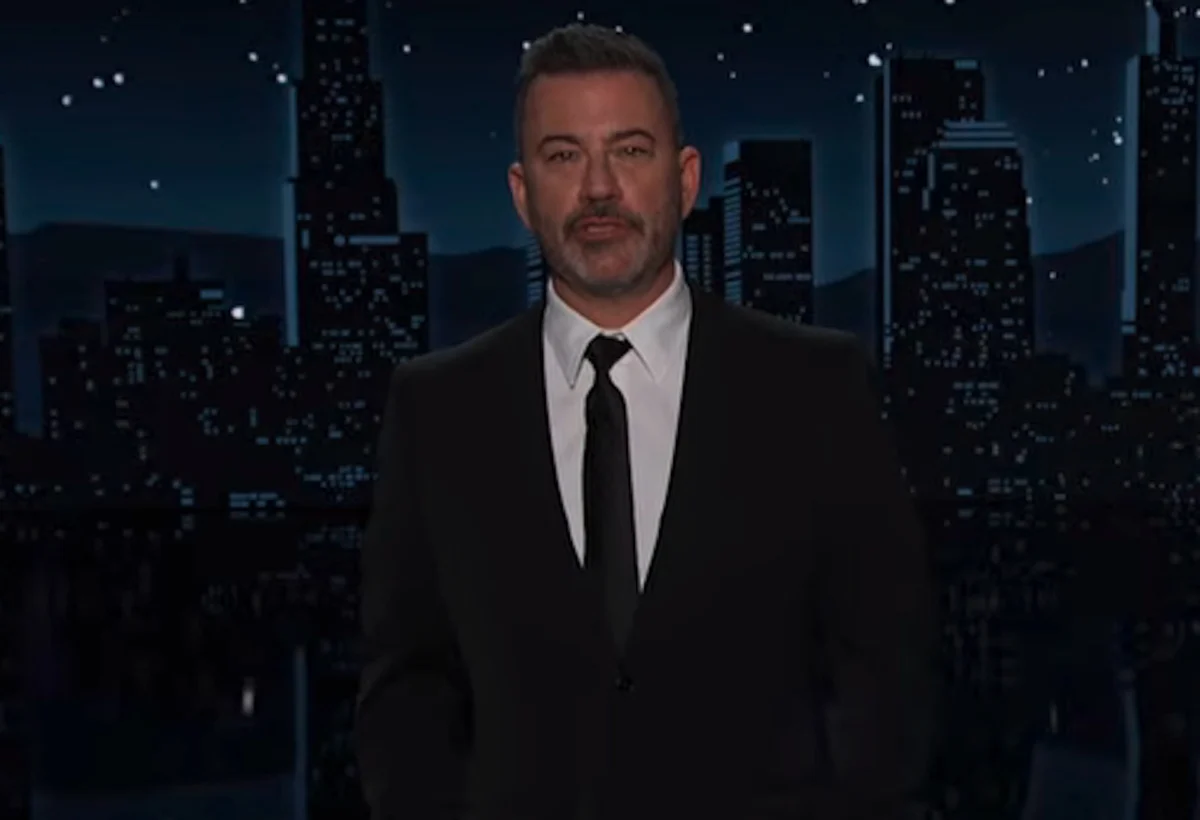
Late-night host Jimmy Kimmel dedicated a significant portion of his recent broadcast to a critical examination of former President Donald Trump’s recent public statements and reported private ambitions. During the latest episode of ABC’s Jimmy Kimmel Live!, the comedian addressed a series of developments ranging from a Wall Street Journal report concerning the Congressional Medal of Honor to the former president’s apparent unfamiliarity with common urban terminology and his handling of volatile Middle Eastern diplomacy. The monologue highlighted a growing friction between political satire and the increasingly complex landscape of American governance, as Kimmel leveraged humor to scrutinize the intersection of executive ego and national policy.
The Congressional Medal of Honor and Presidential Protocol
The focal point of Kimmel’s monologue was a report published by the Wall Street Journal suggesting that Donald Trump has discussed the possibility of awarding himself the Congressional Medal of Honor. The Medal of Honor is the United States’ highest and most prestigious military decoration, awarded to recognize American soldiers, sailors, marines, airmen, guardians, and coast guardsmen who have distinguished themselves by acts of valor.
Kimmel expressed incredulity at the notion, questioning the legal and ethical feasibility of a Commander-in-Chief bestowing such an honor upon themselves. Under current federal law and Department of Defense regulations, the Medal of Honor is typically recommended by a chain of command and must be supported by verifiable evidence of "gallantry and intrepidity at the risk of life above and beyond the call of duty." Historically, no sitting president has ever awarded the medal to themselves. The only president to receive the honor was Theodore Roosevelt, who was awarded it posthumously in 2001 for his actions during the Spanish-American War in 1898.
Kimmel mocked the former president’s justification for the award, which reportedly stems from a first-term trip to Iraq where his aircraft landed on an unlit runway for security purposes. Kimmel compared the routine security measures of a presidential transport to the everyday inconveniences faced by civilian travelers, joking that anyone flying into Newark Liberty International Airport would be equally eligible for the distinction. The segment highlighted a broader debate regarding the sanctity of military honors and the potential for their politicization within the executive branch.
Socioeconomic Disconnect and the "Corner Store" Comment
The monologue also addressed a moment from a recent speech in which Donald Trump appeared confused by the term "corner store." Despite his upbringing in Queens, New York—a borough famous for its "bodegas" and local deli culture—Trump questioned the term during a public address. Kimmel seized on this as evidence of a profound socioeconomic disconnect between the billionaire former president and the working-class electorate he often claims to represent.
"The man grew up in Queens, and he never heard of a corner store?" Kimmel asked his audience. The comedian suggested that Trump’s lifelong immersion in high-net-worth environments and reliance on personal staff may have insulated him from the common experiences of New Yorkers. This critique aligns with a recurring theme in political commentary that examines the "man of the people" persona adopted by wealthy political figures. Kimmel’s commentary emphasized the irony of a candidate scolding others for their choice of words while seemingly lacking a basic understanding of the community structures that define urban life in his own hometown.
Geopolitical Tensions and the Strait of Hormuz
Turning to international affairs, Kimmel addressed the escalating tensions involving Iran and the strategic importance of the Strait of Hormuz. The host noted a discrepancy between the former president’s claims—asserting that the Strait had been "fully opened" on a Friday—and subsequent contradictions from Iranian officials the following day.
The Strait of Hormuz is one of the world’s most vital maritime chokepoints. Located between Oman and Iran, it connects the Persian Gulf with the Gulf of Oman and the Arabian Sea. According to the U.S. Energy Information Administration (EIA), approximately 20% to 30% of the world’s total oil consumption passes through the Strait daily. Any disruption to this waterway has immediate and severe implications for global energy prices and international security.
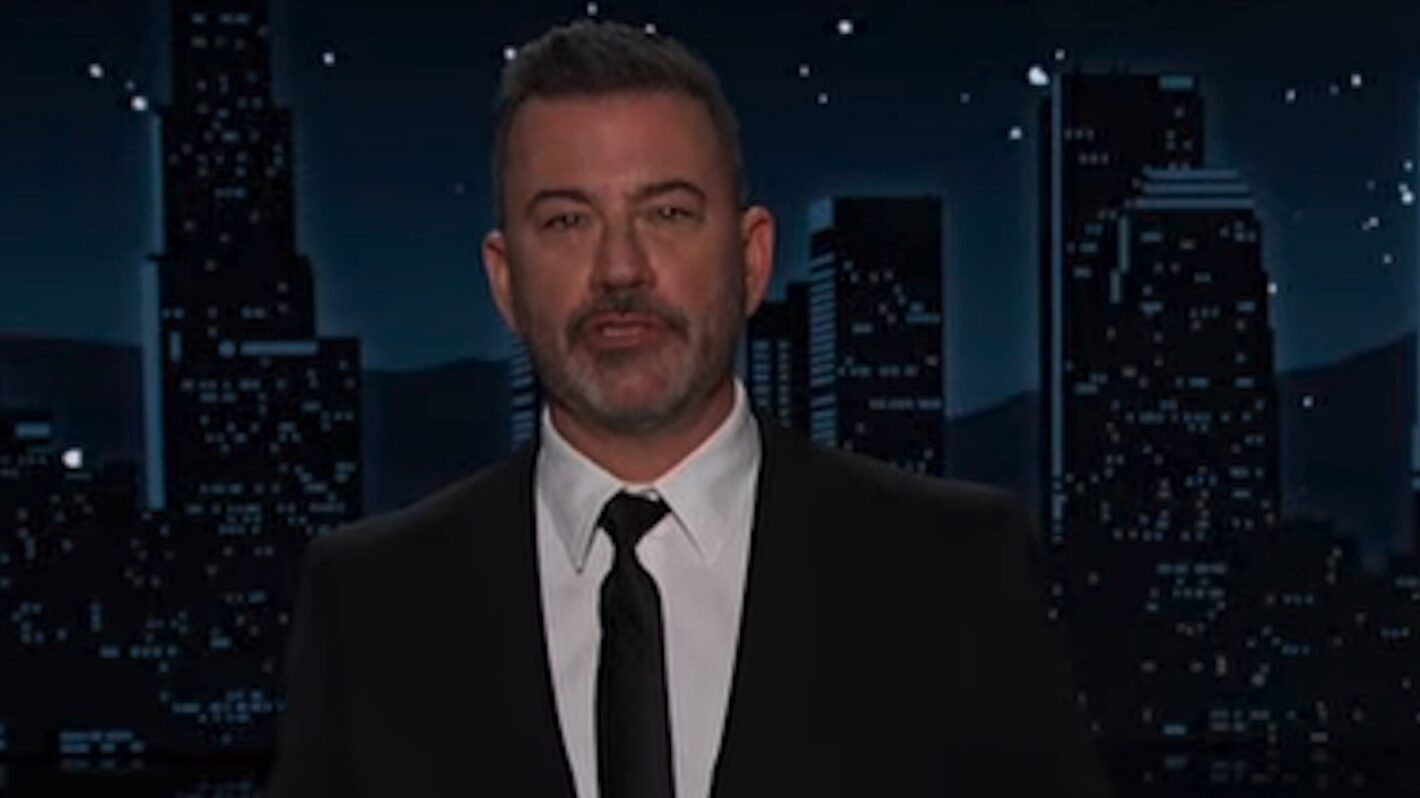
Kimmel remarked on the shifting nature of public trust, noting that during the Cold War era of the 1980s, it would have been unthinkable for an American citizen to find a foreign adversary’s statements more credible than those of their own president. He used the situation to criticize what he described as a chaotic approach to foreign policy, comparing the frequent reports of blockades in the Strait to personal anecdotes about the former First Lady, Melania Trump. The segment concluded with a critique of Trump’s optimistic assessment of the conflict, which the former president described as "going swimmingly" despite conflicting reports from intelligence agencies and international observers.
Historical Context of Presidential Self-Decoration
To understand the weight of Kimmel’s critique regarding the Medal of Honor, it is necessary to examine the historical rigor associated with the award. Since its inception during the American Civil War in 1862, the medal has been a symbol of ultimate sacrifice. Of the more than 3,500 medals awarded, a significant portion has been granted posthumously.
The process for awarding the Medal of Honor usually takes years of vetting, involving eyewitness testimonies and a thorough review by the Department of the Army, Navy, or Air Force, followed by approval from the Secretary of Defense and finally the President. The suggestion that a president could bypass this meritocratic process to self-honor is seen by critics as a challenge to the integrity of the military honors system. While the President does have the constitutional power to issue pardons and certain executive orders, the "self-award" of military decorations falls into a legal gray area that most constitutional scholars argue would be a breach of established protocol and potentially an overreach of Article II powers.
The Role of Late-Night Satire in Modern Politics
Kimmel’s monologue is representative of a broader trend where late-night television serves as a primary source of political news and commentary for a large segment of the American public. Since the 2016 election cycle, hosts like Kimmel, Stephen Colbert, and Seth Meyers have shifted from general variety entertainment to pointed political satire.
This shift has significant implications for public discourse. By framing complex issues like the Strait of Hormuz or military protocols through the lens of humor, these programs make high-level policy discussions accessible to a wider audience. However, this also contributes to the polarization of the media landscape, as viewers often self-select programs that align with their own political leanings. Kimmel’s direct address to the "Mr. President" during his segments serves as a rhetorical device that bridges the gap between the entertainer and the political actor, positioning the host as a surrogate for the frustrated citizen.
Chronology of Recent Statements
The events addressed by Kimmel followed a specific timeline of public and private disclosures:
- Early Week: Reports emerge from the Wall Street Journal detailing private conversations within the Trump circle regarding the Medal of Honor and concerns over the upcoming election cycle.
- Mid-Week: Donald Trump delivers a speech where he questions the terminology of "corner stores," leading to immediate viral criticism on social media platforms.
- Friday: The former president issues a statement regarding the Strait of Hormuz, claiming a diplomatic or tactical victory in keeping the waterway open.
- Saturday: Iranian state media and international maritime monitors provide data suggesting that tensions remain high and the status of the Strait has not fundamentally changed.
- Monday Night: Jimmy Kimmel uses his platform to synthesize these events into a cohesive critique of the former president’s temperament and grasp of reality.
Broader Implications for the Political Landscape
The recurring themes in Kimmel’s monologue—ego, socioeconomic disconnect, and geopolitical instability—reflect the central pillars of the ongoing national debate as the United States moves toward future election cycles. The reaction to Kimmel’s segment from various political factions has been predictable: supporters of the former president view the monologue as "coastal elite" bias, while critics see it as a necessary defense of national institutions and common sense.
From a journalistic perspective, the report that a president would consider awarding himself the nation’s highest military honor serves as a litmus test for the public’s perception of executive power. If such an action were ever attempted, it would likely result in a constitutional crisis and a significant backlash from the veteran community. Similarly, the confusion over "corner stores" and the conflicting reports on Iran highlight the ongoing struggle for a shared set of facts in American life.
As the political season intensifies, the role of commentators like Jimmy Kimmel will likely continue to expand, serving as both a mirror and a magnifying glass for the controversies that define the modern American presidency. Whether through the lens of a "Newark airport" joke or a serious discussion on global oil routes, the intersection of entertainment and governance remains a critical frontier in the battle for public opinion.