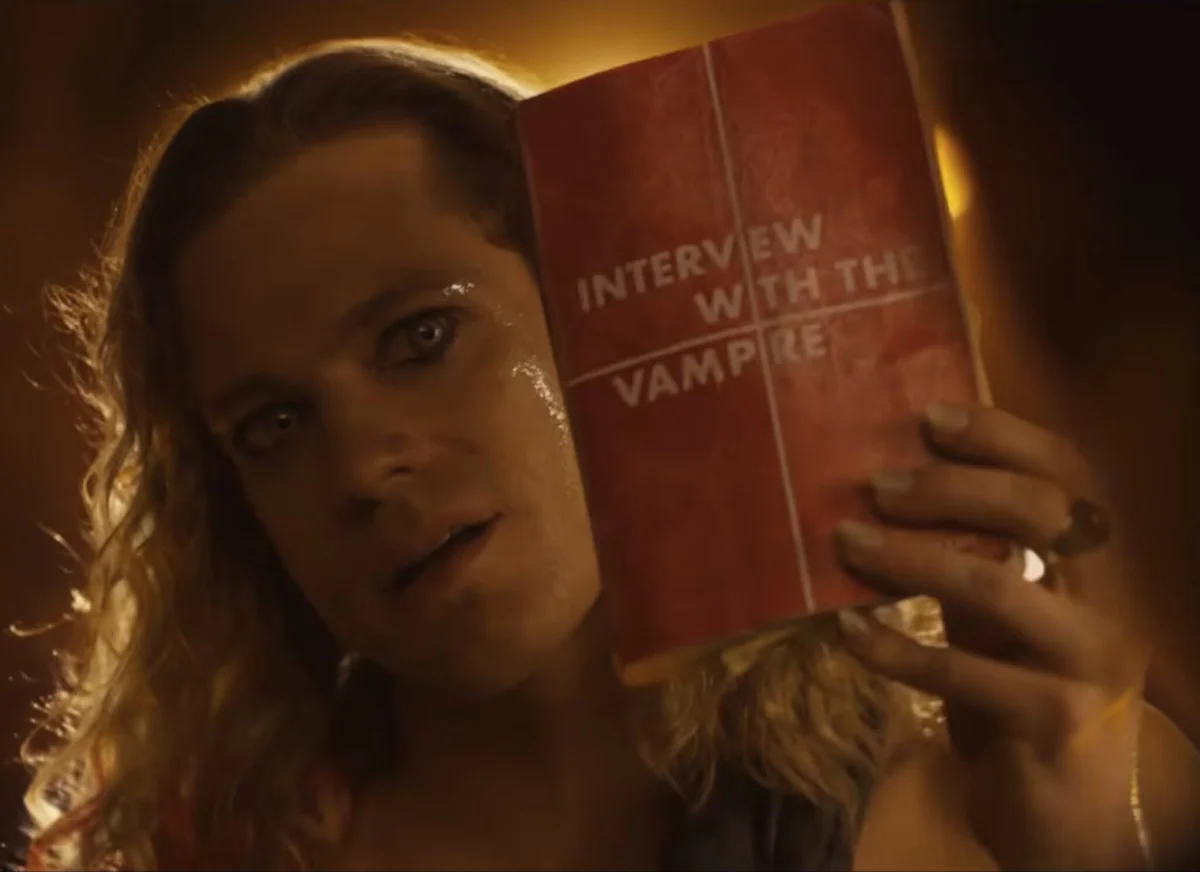
The much-anticipated return of AMC’s adaptation of Anne Rice’s iconic vampire saga is set to electrify audiences with its upcoming season, now officially titled The Vampire Lestat. This rebranding signifies a bold pivot in the narrative, placing the enigmatic vampire Lestat de Lioncourt, portrayed by Sam Reid, firmly at the center of the unfolding drama. The recent release of the official trailer has ignited a fervor among fans, offering a tantalizing glimpse into a season that promises a radical departure from the established lore, immersing viewers in the world of rock and roll and a radically reinterpreted Lestat.
While the original series, Interview with the Vampire, chronicled the life and immortal existence of Louis de Pointe du Lac (Jacob Anderson) as recounted to journalist Daniel Molloy (Eric Bogosian), the new season signifies a definitive shift in perspective. Lestat, the charismatic and often capricious vampire who served as the catalyst for much of Louis’s torment and transformation, is no longer merely a supporting figure or a subject of a confessional. He is now the protagonist, the driving force, and, as the trailer suggests, a bona fide rock god. This transformation marks a significant moment for the series, drawing from the rich tapestry of Anne Rice’s wider Vampire Chronicles.
A Rock and Roll Resurrection: Lestat’s Musical Metamorphosis
The trailer opens with a potent voiceover from Daniel Molloy, meticulously recapping the vast historical sweep Lestat has witnessed—from the French Revolution and the dawn of electricity to the existential dread of the atomic bomb. Molloy’s questioning, "Why music? Why now?" is met with Lestat’s defiant declaration of a "rewrite," a clear indication that this season is about reclaiming and reshaping his own narrative. This aligns with the series’ creator, Rolin Jones, and showrunner’s stated intention to delve deeper into Lestat’s mythology, drawing inspiration from later books in Rice’s prolific series.
The synopsis for The Vampire Lestat paints a vivid picture of this new direction: "In the upcoming rock and roll-centric season, the Vampire Lestat goes on an electric multi-city tour while being haunted by ‘muses’ from his wild and rebellious past. As his band’s popularity and star power rises, so does Lestat’s influence over vampires and humans alike, leaving others to contend with Lestat’s power in the face of the Great Conversion, an unnatural surge in the vampire population." This synopsis hints at a narrative arc that blends the supernatural with the allure and excess of the music industry, a potent combination that has long been a hallmark of Anne Rice’s work.
However, the trailer’s preview of Lestat’s musical prowess, particularly a seemingly subdued cover of Billy Idol’s "Dancing With Myself," has sparked some debate among fans. The immediate impression is one of a sound that might be considered "toothless," raising questions about how this translates into the persona of a rock god. It is plausible, however, that these musical moments are deliberately chosen to highlight a particular phase of Lestat’s journey or that the more impactful musical performances are being saved for the full season. This could also be a strategic choice to emphasize Lestat’s multifaceted nature – a being capable of both immense power and surprising vulnerability, even in his rock star persona.
From Confession to Concert Hall: A Narrative Evolution
The transition from Interview with the Vampire to The Vampire Lestat is not merely a title change; it represents a fundamental shift in narrative focus and thematic exploration. The first season meticulously laid the groundwork, exploring Louis’s moral quandaries and his complex, often destructive, relationship with Lestat. Previous teasers for the upcoming season have hinted at the lingering tensions between these two immortal beings, with one showing them at odds across a conference room table and another depicting Lestat experiencing a public meltdown in a bookstore. These glimpses of escalating drama and emotional turmoil have only amplified anticipation for the new season.
Anne Rice herself was renowned for her ability to imbue her vampire characters with a profound sense of humanity, despite their supernatural nature. Lestat, in particular, was a figure of immense charisma, rebellion, and a deep-seated desire for connection and meaning. His journey through the centuries was often marked by a quest for artistic expression and a fascination with the mortal world, particularly its music and culture. The choice to center The Vampire Lestat on his musical ambitions and rise to fame directly taps into these core elements of his character, offering a fresh perspective on a figure who has captivated readers for decades.
Contextualizing the Great Conversion: A Vampire Population Boom
A crucial element introduced by the synopsis is the "Great Conversion, an unnatural surge in the vampire population." This concept is not entirely new to Rice’s mythology, but its prominence in this season’s arc suggests a significant plot development. In the broader Vampire Chronicles, periods of rapid vampire proliferation have often led to increased conflict, both among vampires and between vampires and humans. The "Great Conversion" could represent a pivotal moment where the established order of the vampire world is thrown into disarray, forcing Lestat and other characters to confront the consequences of unchecked vampiric expansion.
The implications of such a surge are multifaceted. It could lead to increased competition for resources, heightened paranoia, and a more overt threat to human society. For Lestat, a vampire who often thrives on the fringes and revels in his uniqueness, a rapidly expanding vampire population might present both opportunities and challenges. Will he see it as a chance to exert even greater influence, or will it dilute the very mystique that defines his existence? The series is poised to explore these questions, potentially delving into the politics and power dynamics of a burgeoning immortal society.
The Ensemble Cast and Creative Vision
The Vampire Lestat boasts a compelling cast that includes Assad Zaman, reprising his role as the enigmatic Rashid, and Delainey Hayles, who takes on the pivotal role of Claudia. Jennifer Ehle also joins the ensemble, adding further gravitas to the production. The creative helm remains with Rolin Jones, whose vision has been instrumental in shaping the series’ unique aesthetic and narrative approach. His continued role as creator, writer, and showrunner ensures a cohesive artistic direction for this new chapter.
The series’ debut on AMC and AMC+ is slated for June 7, a date eagerly anticipated by fans who have been captivated by the show’s lush visuals, complex characterizations, and daring reinterpretations of Rice’s beloved universe. The previous season of Interview with the Vampire garnered critical acclaim for its bold storytelling and its commitment to exploring the darker, more psychological aspects of vampirism. This new season promises to build upon that foundation, offering a more flamboyant, ambitious, and musically driven narrative.
A Legacy Reimagined: The Enduring Appeal of Lestat
Lestat de Lioncourt has long been one of literature’s most compelling and enduring characters. Created by Anne Rice in 1976 with the publication of Interview with the Vampire, he quickly became a central figure in her sprawling Vampire Chronicles. Initially conceived as a foil to the more melancholic Louis, Lestat evolved into a complex and charismatic anti-hero, often portrayed as a rock star, an artist, and a force of nature. His insatiable curiosity, his desire for fame, and his often-troubled relationships with both mortals and immortals have made him a perennial favorite among readers.
The decision to dedicate an entire season to The Vampire Lestat is a testament to the character’s enduring appeal and the richness of his backstory. Rice herself explored Lestat’s musical ambitions in novels such as The Vampire Lestat and The Queen of the Damned, depicting his transformation into a global rock sensation who used his music to both entertain and subtly influence humanity. The series’ commitment to bringing this aspect of his character to life on screen is a significant undertaking, requiring a careful balance of supernatural drama and the vibrant energy of the music world.
The trailer’s inclusion of a shortened, almost ironic, rendition of "Dancing With Myself" could be interpreted in several ways. It might be a deliberate choice to highlight Lestat’s initial, perhaps less polished, forays into music before he fully embraces his rock god persona. Alternatively, it could be a meta-commentary on the nature of storytelling itself—even Lestat, the master of reinvention, is subject to the interpretations and narratives imposed upon him. His declaration of a "rewrite" suggests a desire to shed the perceptions of others and define himself on his own terms, a theme that resonates deeply with the rock and roll ethos of rebellion and self-expression.
The implications of Lestat’s rise to global stardom extend beyond mere entertainment. In Rice’s novels, Lestat’s concerts often served as grand spectacles where he subtly exerted his vampiric influence, drawing mortals into his orbit and even turning some into his fledgling vampires. This season could explore the ethical dilemmas and the potential dangers of such widespread influence, particularly in the context of the "Great Conversion." The fusion of music, fame, and vampirism offers a fertile ground for exploring themes of power, addiction, mortality, and the eternal human (or in this case, immortal) desire for recognition and transcendence.
The creative team’s commitment to visual storytelling, evident in the first season, is expected to continue in The Vampire Lestat. The trailer hints at opulent costumes, dazzling stage productions, and the gritty realities of the music scene, all rendered with a distinct gothic flair. The casting of Sam Reid as Lestat has been met with anticipation, with many eager to see how he embodies the complexity and charisma of this iconic character. His performance, alongside the returning cast and new additions, will be crucial in anchoring the narrative and delivering the emotional weight that has defined the series.
As the release date of June 7 approaches, the anticipation for The Vampire Lestat continues to build. The season promises a bold reinvention of a beloved character and a fresh exploration of Anne Rice’s rich mythology. By embracing Lestat’s rock and roll aspirations and the impending "Great Conversion," the series is poised to deliver a thrilling, visually stunning, and thematically resonant installment that will undoubtedly captivate both long-time fans and new audiences alike. The vampire Lestat is ready to take the stage, and the world is about to hear his song.