The television landscape for medical procedurals has shifted toward a more profound exploration of the psychological toll exerted on healthcare professionals, a trend exemplified by the HBO Max original series The Pitt. Following a tumultuous second season that delved into the darkest corners of protagonist Robby Duke’s psyche, lead actor Noah Wyle recently provided insights into the character’s trajectory during an appearance on the Today show. In a conversation with Savannah Guthrie on April 23, Wyle addressed the unresolved plot points of the Season 2 finale and the thematic shift expected for the upcoming third season, emphasizing a move from internal collapse toward a narrative of recovery and "ascent."
The Season 2 Finale and the Jane Doe Narrative
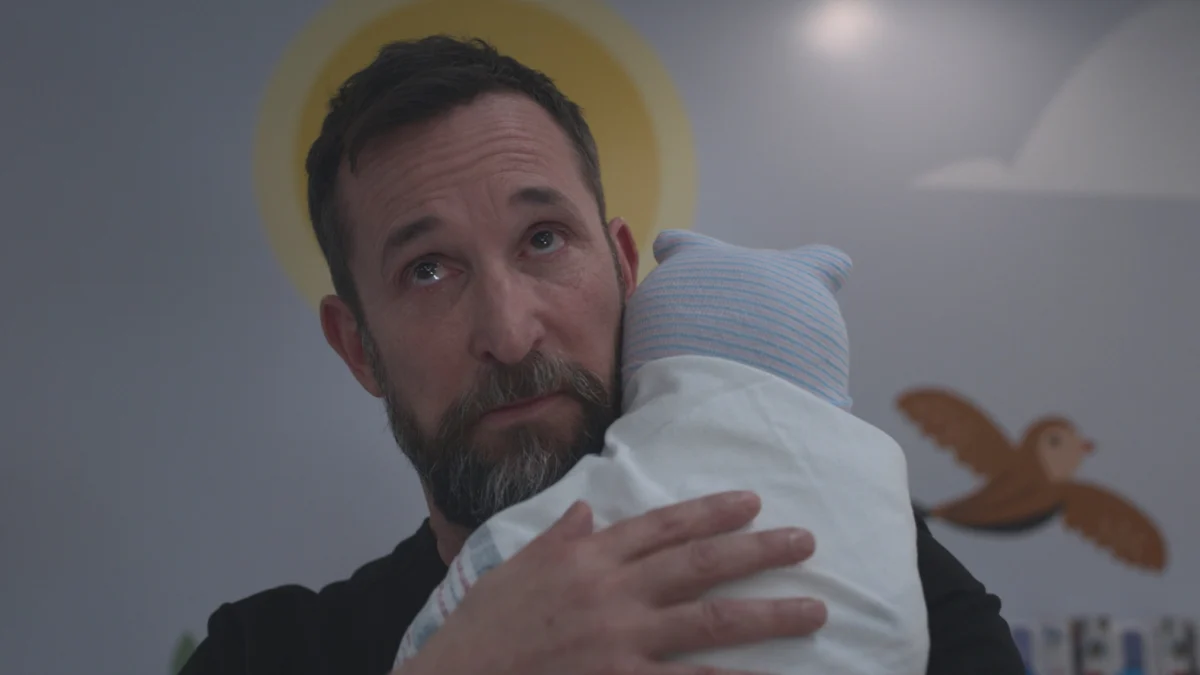
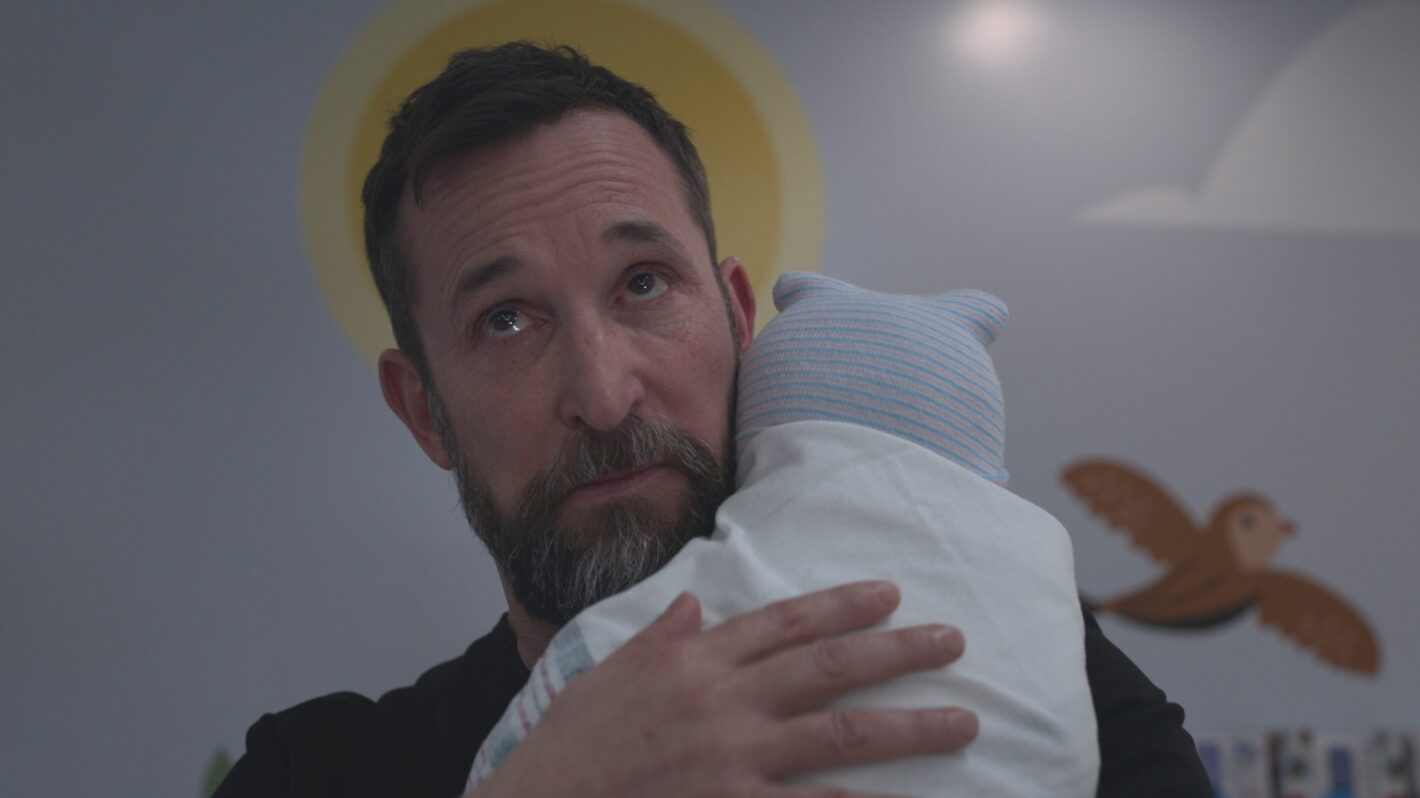
The conclusion of the second season of The Pitt left audiences with a poignant, albeit ambiguous, image: Robby Duke (Noah Wyle) sharing a quiet moment with an abandoned infant, referred to as baby Jane Doe. This scene followed a harrowing revelation in the penultimate episode where Robby opened up about experiencing suicidal ideation, marking a critical low point for the veteran ER physician. The visual of Robby holding the child led to widespread speculation among the viewership regarding a potential adoption storyline, a trope often used in television to provide characters with a renewed sense of purpose.
However, Wyle was quick to temper these expectations during his Today show interview. He utilized a striking metaphor to describe the writers’ approach to the situation, stating that a baby is not a "life preserver" for a drowning man. The actor suggested that attempting to fix a character’s profound mental health crisis through the sudden responsibility of parenthood would be narratively dishonest. While Wyle confirmed that Season 3 will revisit the fate of baby Jane Doe, he noted that whether the child and Robby represent a "match made in heaven" remains to be seen.
This narrative choice aligns with the show’s commitment to a more realistic portrayal of trauma. Earlier in the Season 2 finale, Dana (Katherine LaNasa) was seen attempting to find a home for the infant among the hospital staff, only to be met with rejection. The refusal of the staff to take on such a life-altering responsibility reflects the professional and personal exhaustion that permeates the series’ depiction of the Pittsburgh medical community.
Chronology of Robby Duke’s Mental Health Arc
To understand the stakes of the upcoming third season, it is necessary to examine the chronological progression of Robby’s decline over the first two installments of the series. The Pitt has distinguished itself by treating its protagonist’s mental health not as a seasonal subplot, but as a central, evolving conflict.
- Season 1, Episode 13: The first significant crack in Robby’s exterior occurred late in the debut season. Known for his clinical efficiency and stoicism, Robby experienced a breakdown that signaled the onset of professional burnout, a condition that affects nearly 50% of emergency room physicians in real-world clinical settings.
- Season 2, Early Shift: Robby attempted to manage his internal distress through compartmentalization and casual, "finite" relationships, most notably with Noelle (Meta Golding). These interactions were characterized by a lack of intimacy, serving as a defense mechanism against emotional vulnerability.
- Season 2, Episode 14: The narrative reached a critical juncture when Robby confessed to his thoughts of suicide. This moment stripped away the remaining layers of his professional persona, forcing both the character and the audience to confront the severity of his condition.
- Season 2, Episode 15 (Finale): The finale depicted Robby at a crossroads. His interaction with baby Jane Doe was described by showrunner R. Scott Gemmill as a "cathartic moment" and a "refuge," providing a brief respite from his internal turmoil before he embarked on a mandatory or self-imposed sabbatical.
Supporting Data: The Reality of Physician Burnout
The themes explored in The Pitt are grounded in a growing body of data regarding the mental health of healthcare workers. According to the 2023 Medscape Physician Burnout & Depression Report, emergency medicine remains one of the specialties with the highest rates of burnout, frequently hovering around 65%. Furthermore, the report indicates that male physicians are often less likely to seek formal mental health intervention than their female counterparts, frequently opting for isolation or maladaptive coping mechanisms.
Robby Duke’s arc mirrors these statistics. Wyle’s description of his character’s journey—from "complete denial" to the "recognition that he needs help"—is a narrative representation of the clinical path many physicians face. By focusing Season 3 on the "ascension out of the pit," the series aims to dramatize the process of rehabilitation, which is often less explored in television than the initial breakdown.
Official Responses and Creative Direction for Season 3
Showrunner R. Scott Gemmill, who previously collaborated with Wyle on the long-running medical drama ER, has provided additional context regarding the structure of the upcoming season. Gemmill confirmed that Season 3 will not pick up immediately after the events of the Season 2 finale. Instead, the story will resume after a four-month time jump.
This chronological leap is a strategic narrative device intended to allow the characters, particularly Robby, the necessary time for off-screen reflection and initial recovery. Gemmill stated that the upcoming season is "hopefully all about healing." He emphasized that the audience will see the results of Robby’s sabbatical and whether the time away from the high-pressure environment of the ER has facilitated a genuine change in his perspective.
Regarding the final scene with the baby, Gemmill explained that the child served as a silent confessor for Robby. Because the infant cannot judge or repeat his words, Robby was able to articulate thoughts he would otherwise keep suppressed. This "refuge" was a necessary step in his realization that he could no longer sustain his current lifestyle.
Romantic Complications and Emotional Attachment
A significant portion of Robby’s struggle has been his inability to form lasting emotional connections. His history with Collins (Tracy Ifeachor) ended when she moved away, and his subsequent involvement with Noelle was intentionally kept at arm’s length. Wyle addressed the possibility of a new love interest in Season 3 with cautious optimism, noting that while there is always a chance for romance, the real question is whether Robby is capable of "lasting and committed" intimacy.
Wyle’s analysis of Robby’s relationships suggests that the character’s preference for "finite" encounters was a symptom of his larger mental health struggle. For Robby to engage in a healthy relationship in Season 3, the narrative must first address his "difficulty attaching," a psychological hurdle that often accompanies chronic depression and PTSD.
Broader Impact and Implications for the Genre
The Pitt represents a shift in the medical drama genre, moving away from the "heroic physician" archetype toward a more vulnerable and humanized portrayal. By centering Season 3 on the theme of healing rather than crisis, the show challenges the industry standard of constant escalation.
The partnership between Noah Wyle and R. Scott Gemmill brings a level of gravitas to the project, given their shared history in defining the modern medical procedural. However, unlike their previous work, The Pitt focuses less on the medical "case of the week" and more on the long-term systemic and personal effects of working within a fractured healthcare system.
The decision to portray a male lead navigating a mental health crisis with such specificity is also a notable contribution to the broader cultural conversation regarding men’s mental health. Wyle’s comment about occupying a "more pleasant headspace" in Season 3 suggests that the show will offer a roadmap for recovery, providing a counter-narrative to the often-tragic endings associated with such storylines in prestige drama.
Conclusion and Release Information
As production moves forward, the focus remains on Robby Duke’s "ascent." While the exact release date for Season 3 on HBO Max (Max) has yet to be announced, the groundwork laid in the first two seasons suggests a shift toward a more hopeful, albeit still gritty, exploration of the medical profession. Fans can expect a season that prioritizes character growth, the nuances of the "healing" process, and the resolution of the lingering questions surrounding baby Jane Doe and Robby’s capacity for personal connection.
The Pitt continues to be a critical component of HBO Max’s drama lineup, offering a sophisticated look at the intersection of professional duty and personal survival. With Wyle’s Robby Duke finally seeking the help he requires, the series is poised to transition from a study of collapse to a study of resilience.