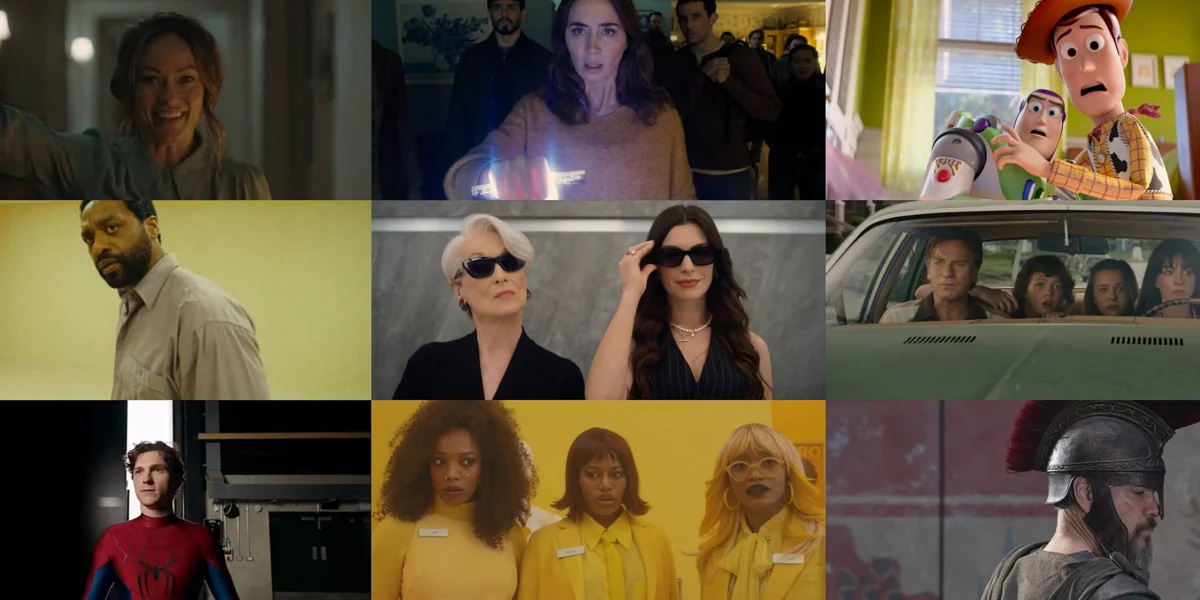
The upcoming summer movie season represents a strategic pivot for major film studios, moving away from a decade-long reliance on traditional superhero narratives toward a more diverse slate of legacy sequels, high-concept horror, and auteur-driven projects. This transition begins on May 1st with the release of The Devil Wears Prada 2, a sequel arriving two decades after the 2006 original. Industry analysts have noted that the marketing strategy for this film mirrors the "event cinema" approach seen with the 2023 blockbuster Barbie, aiming to attract multi-generational audiences through social experiences and nostalgic appeal. As the theatrical landscape continues to recover from post-pandemic shifts, the performance of this sequel will serve as a critical bellwether for the viability of long-gestating franchise revivals.
May Launch: Fashion, Horror, and Digital Realities
The first week of May also introduces Damian McCarthy’s Irish horror film, Hokum. Starring Adam Scott, known for his critically acclaimed role in the series Severance, the film arrives with significant momentum following a positive reception at the South by Southwest (SXSW) festival. Hokum is positioned as the vanguard for what is projected to be a horror-heavy summer, providing an alternative to the mainstream commercial offerings.
On May 8th, the industry will monitor the commercial performance of Mortal Kombat II. The production faced numerous delays, and its predecessor’s success remains difficult to quantify due to its 2021 "day-and-date" release on streaming platforms during the COVID-19 pandemic. However, the rising trend of successful video game adaptations—exemplified by recent hits like The Super Mario Bros. Movie and The Last of Us—suggests a growing appetite for gaming IP in cinema. Whether the film can expand its reach beyond a dedicated gaming demographic remains a focal point for box office tracking.
Simultaneously, the independent sector will see the release of Blue Film, directed by Elliot Tuttle. This queer chamber piece explores the intersection of youth culture and internet safety. Critics have drawn comparisons to the works of Jane Schoenbrun and Pascal Plante, noting that such "quiet" festival films are increasingly vital in maintaining the diversity of the summer landscape. By mid-May, the horror genre intensifies with Curry Baker’s Obsession, a high-concept film that has maintained a steady "buzz" since its Toronto International Film Festival (TIFF) premiere. This is joined by Is God Is, the directorial debut of award-winning playwright Aleshea Harris. Featuring a cast that includes Sterling K. Brown, Vivica A. Fox, and Janelle Monáe, the film is noted for its singular visual aesthetic, marking Harris as a significant new voice in narrative filmmaking.
Mid-Summer Transitions: From Streaming Spectacles to Galactic Returns
The latter half of May sees a blend of streaming-first content and major theatrical milestones. On May 20th, Tom Clancy’s Jack Ryan: Ghost War will debut on Prime Video. While the summer schedule is lighter on major streaming exclusives than in previous years, the return of John Krasinski to the role is expected to capture a significant portion of the home-viewing audience, particularly those favoring traditional action-thrillers.
The most significant theatrical event of the month occurs on May 22nd with The Mandalorian and Grogu. This marks the return of the Star Wars franchise to the big screen for the first time since 2019’s The Rise of Skywalker. Disney’s decision to move this property from a successful Disney+ series to a theatrical feature represents a major strategic shift. While Marvel has seen mixed results with similar cross-medium transitions, the global popularity of the "Baby Yoda" character provides a unique marketing advantage.
Memorial Day weekend also features a robust selection of independent and genre counter-programming. I Love Boosters, directed by Boots Riley, follows his acclaimed 2018 debut Sorry to Bother You. After a successful college tour and SXSW screening, the film is expected to perform well with younger, urban audiences. Other notable releases include Tuner, a narrative shift for documentary filmmaker Daniel Roher, and Passenger, a cerebral horror film directed by André Øvredal. The month concludes on May 29th with Backrooms, an A24 production directed by 20-year-old Kane Parsons. Based on a viral YouTube series, the film’s transition to a professional studio production—starring Chiwetel Ejiofor and Renate Reinsve—highlights the growing influence of "internet-native" creators on the traditional Hollywood system.
June: Auteur Visions and Franchise Consistency
June opens with a contrast in scale and tone. MGM’s Masters of the Universe arrives on June 5th, aiming to revitalize a classic brand despite polarized early reactions to promotional materials. It faces competition from John Carney’s Power Ballad, a musical drama starring Paul Rudd and Nick Jonas. Carney, who directed Once and Sing Street, has a proven track record in the music-centric subgenre, and early reviews suggest the film could be a "sleeper hit" in a crowded month.
The midpoint of June is dominated by Disclosure Day, the latest science fiction offering from Steven Spielberg. This marks Spielberg’s first summer release in a decade. While the marketing campaign has been intentionally cryptic, industry insiders suggest the film contains deeper thematic layers than typical summer blockbusters. Its performance will be measured against the historical success of Spielberg’s earlier forays into the genre, such as Minority Report and War of the Worlds.
On June 19th, Pixar releases Toy Story 5. Despite public debate regarding the necessity of continuing the franchise after the definitive ending of the third and fourth installments, the series remains one of the most commercially consistent in animation history. With Andrew Stanton directing, the film is expected to dominate the family demographic. It is countered by The Death of Robin Hood, an atmospheric A24 production starring Hugh Jackman and directed by Michael Sarnoski.
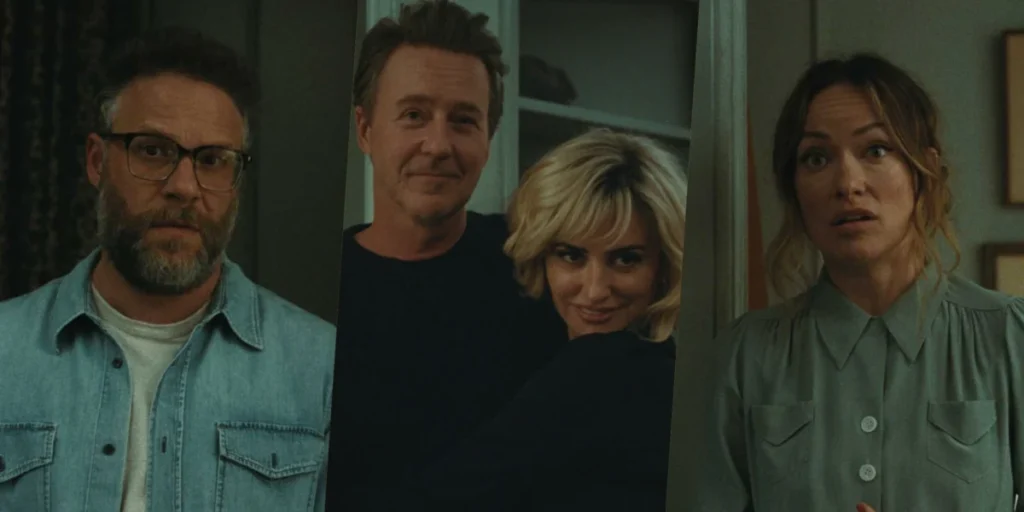
The month closes on June 26th with DC’s Supergirl. Following the critical success of James Gunn’s Superman, this film is a cornerstone of the new DC Universe (DCU) strategy. It will compete for audience attention with Jackass: Best and Last, which is being marketed as the final entry in the long-running stunt franchise, and Olivia Wilde’s The Invite, a four-hander chamber piece that generated significant interest at the Sundance Film Festival.
July: The Peak of Tentpole Cinema
July is traditionally the most lucrative month for the film industry, and the current year is no exception. July 1st sees the release of Minions & Monsters from Illumination. Interestingly, the film incorporates historical figures such as Charlie Chaplin, suggesting an attempt to appeal to cinephiles alongside its primary juvenile audience. This is followed on July 10th by the live-action remake of Moana. Despite a growing discourse regarding "remake fatigue," Disney’s live-action adaptations consistently rank among the highest-grossing films of their respective years.
For horror enthusiasts, July 10th also marks the release of Evil Dead Burn. The Evil Dead franchise has maintained a rare level of critical and commercial consistency over four decades, and this latest entry is expected to continue that trend following the success of 2023’s Evil Dead Rise.
The most anticipated critical event of the summer is Christopher Nolan’s The Odyssey, scheduled for July 17th. Following the Academy Award-winning success of Oppenheimer, Nolan has been granted what many call a "blank check" to adapt the Homeric epic. The film features a massive ensemble cast and is expected to be a major contender for end-of-year awards, potentially dominating the cultural conversation for months.
The month concludes on July 31st with Spider-Man: Brand New Day. This film reunites Tom Holland and Zendaya five years after No Way Home. Given that Spider-Man remains the most commercially viable character in the Marvel Cinematic Universe (MCU), this release is projected to be one of the highest-grossing films of the year. It will be released alongside Gregg Araki’s I Want Your Sex, a daring queer drama starring Cooper Hoffman and Olivia Wilde.
August: Genre Finales and Cult Revivals
As the summer season winds down, the focus shifts toward more specialized releases. On August 7th, Jane Schoenbrun releases Teenage Sex and Death at Camp Miasma, distributed by MUBI. Following a Cannes premiere, the film seeks to build on the cult success of I Saw the TV Glow.
August 14th features two distinct offerings: David Robert Mitchell’s horror-adventure The End of Oak Street, starring Anne Hathaway and Ewan McGregor, and The Rivals of Amziah King, a Matthew McConaughey starrer that premiered at SXSW. The latter was once considered an awards contender, though its late-summer release date suggests a focus on broader audience accessibility.
The horror genre sees another major entry on August 21st with Insidious: Out of the Further. As the sixth installment in the franchise, it follows the trend of "legacy horror" series that continue to find profitability despite aging premises. The summer concludes on August 28th with a diverse trio of films: Ridley Scott’s post-apocalyptic drama The Dog Stars, the long-delayed hybrid animation Coyote vs. Acme, and Macon Blair’s R-rated comedy Idiots.
The release of Coyote vs. Acme is particularly noteworthy due to its history of being nearly canceled by Warner Bros. for tax write-offs, a move that sparked significant industry backlash. Its eventual release is seen as a victory for the animation community and artistic preservation. As the season ends, these final titles will determine whether the industry’s shift away from superhero saturation has successfully broadened the theatrical audience base.