
The search for the next superstar reached a pivotal juncture on the evening of April 13, as the remaining 11 contestants took the stage for a high-stakes performance night that would determine the season’s Top 9. Following the emotional departure of Jesse Findling during the previous week’s episode, the pressure on the remaining artists was palpable. The theme for the evening required the contestants to delve into the prestigious catalog of the Rock & Roll Hall of Fame, a challenge designed to test their versatility, stage presence, and ability to reinterpret legendary anthems for a modern audience.
As the broadcast commenced, the stakes were clearly defined: two artists would see their journeys come to an end by the conclusion of the episode, based on a combination of judges’ feedback and real-time viewer voting. The panel of judges—country superstar Luke Bryan, legendary soul icon Lionel Richie, and the newest addition to the desk, American Idol alumna and multi-platinum artist Carrie Underwood—offered a blend of technical critique and career-focused mentorship. Underwood’s presence this season has provided a unique perspective, as she remains the show’s most successful commercial export, offering contestants a blueprint for post-competition longevity.
The Significance of the Rock & Roll Hall of Fame Theme
The choice of the Rock & Roll Hall of Fame as a thematic anchor serves a dual purpose in the competition. Historically, this theme week has been used to separate "karaoke singers" from true recording artists. Rock and roll, by its nature, demands a level of grit, emotional honesty, and vocal power that differs significantly from the polished pop or country standards often heard in earlier rounds. By requiring the Top 11 to perform songs by Hall of Fame inductees, the producers pushed the contestants to honor the history of music while asserting their own artistic identities.
From the driving rhythms of 1970s stadium rock to the soulful ballads of the Motown era and the experimental sounds of the 1980s, the repertoire available to the contestants was vast. However, with that variety comes the risk of poor song selection—a factor that often determines who survives the elimination round. The judges emphasized throughout the night that technical proficiency is secondary to the "connection" an artist makes with the audience during these iconic numbers.
Chris Tungseth and the Pursuit of a Comeback
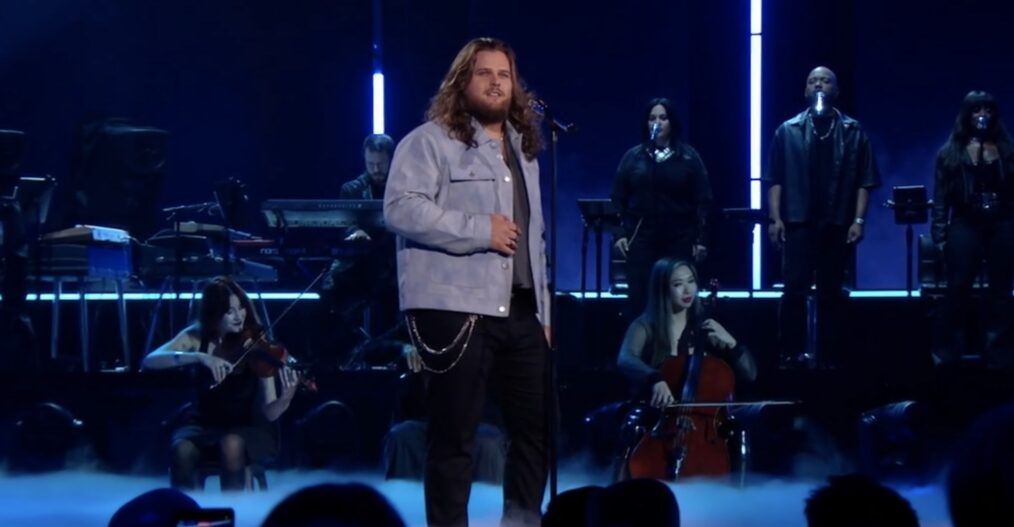
The evening’s performances began with Chris Tungseth, a contestant who entered the night under considerable pressure. During the previous week’s "Judges’ Song Contest," Tungseth’s performance had been met with lukewarm reviews, leaving him in a precarious position regarding the public vote. Recognizing the need for a definitive "comeback moment," Tungseth chose to tackle "Cold as Ice," the 1977 hit by Foreigner, a band inducted into the Rock & Roll Hall of Fame known for its demanding vocal arrangements and sharp melodic hooks.

Tungseth’s rendition focused on a dynamic build, starting with a more restrained approach before leaning into the high-energy requirements of the chorus. The strategy appeared to pay off, as the judges noted a significant improvement in his confidence and stage command. Lionel Richie’s feedback centered on the psychology of performance, urging Tungseth to "trust himself" more implicitly. Richie noted that at this stage of the competition, hesitation is the greatest enemy of a performer, and taking calculated risks is essential for growth.
Carrie Underwood, providing a contemporary artist’s perspective, was particularly impressed by the song choice. She described it as a "fantastic" fit for his vocal range and praised the energy he brought to the stage, suggesting it was his strongest performance of the season to date. Luke Bryan echoed these sentiments, highlighting the importance of the performance’s structural pacing. By holding back in the initial verses, Tungseth allowed the climax of the song to resonate more effectively with the live audience and the viewers at home.
The Mechanics of Real-Time Voting and Elimination
The current format of American Idol on ABC utilizes a real-time voting system, which has fundamentally changed the pacing and tension of the live shows. Unlike the early years of the franchise, where results were often delayed to a separate broadcast the following night, modern audiences vote via the American Idol app, website, or SMS throughout the duration of the performances. This creates a "live-or-die" environment where a single flat note or an uninspired arrangement can lead to an immediate drop in the polls.
The elimination of two contestants to reach a Top 9 is a statistically significant cut. Data from previous seasons suggests that reaching the Top 9 often serves as a threshold for a contestant’s future commercial viability. Historically, artists who reach this stage are more likely to participate in post-season tours and secure developmental deals with labels. For the Season 24 contestants, the transition from 11 to 9 represents the final hurdle before entering the elite single-digit phase of the competition, where the intensity of national media exposure increases exponentially.
Judicial Dynamics: The Underwood, Bryan, and Richie Era
The chemistry among the judging panel has become a cornerstone of the show’s identity in Season 24. Lionel Richie continues to serve as the "statesman" of the group, offering wisdom gleaned from decades in the industry. His critiques often focus on "the craft"—the nuances of songwriting and the "storytelling" aspect of a performance. Luke Bryan provides the perspective of a touring powerhouse, often commenting on the "likability" and "marketability" of the contestants, traits that are essential for success in the modern music industry.
Carrie Underwood’s return to the show that launched her career in 2005 has been a focal point for fans and critics alike. Replacing Katy Perry, Underwood brings a "player-coach" energy to the panel. Having stood on that very stage as a contestant, her feedback carries a weight of authenticity. She is often more technically specific than her predecessors, discussing breath control, pitch accuracy, and the stamina required for a multi-month competition. Her presence serves as a constant reminder to the Top 11 of what is possible if they can navigate the pressures of the show successfully.
Analysis of the Competitive Landscape
As the night progressed, it became clear that the competition is divided into several distinct "lanes." There are the vocal powerhouses who rely on range and "big moments," the indie-leaning artists who prioritize unique arrangements and emotional vulnerability, and the "total package" performers who may not have the strongest voices but possess an undeniable charisma.
The Rock & Roll Hall of Fame theme traditionally favors the "total package" performers, as rock music is as much about attitude as it is about melody. Contestants who were able to embody the spirit of the legends they were covering—while avoiding a "tribute act" feel—stood the best chance of securing a spot in the Top 9. Analysts of the show have noted that at this stage, the "middle of the pack" is the most dangerous place to be. Artists who do not evoke a strong reaction, whether positive or negative, often find themselves at the bottom of the voting tallies.
Broader Implications and the Path Forward
The transition to the Top 9 marks the beginning of the home stretch for Season 24. For the nine artists who survive the April 13 eliminations, the focus will shift from mere survival to the strategic building of a "fanbase." In the digital age, this involves more than just singing on Monday nights; it requires active engagement on social media platforms like TikTok and Instagram, where viral moments can often outweigh a judge’s critique in terms of voting influence.
The "Idol" brand remains a significant force in the entertainment industry. Despite the proliferation of various talent competitions, American Idol maintains a unique ability to produce household names. The shift to the Top 9 is the moment when the public begins to decide not just who is the best singer, but who they are willing to support as a professional artist.
As the episode concluded and the final votes were tallied, the tension in the studio was a testament to the life-changing stakes of the platform. For the two artists eliminated, the journey on the show ended, but the exposure gained during their time in the Top 11 provides a foundation upon which they can build independent careers. For the remaining nine, the road to the finale continues, with the looming challenge of even more demanding themes and the ever-increasing expectations of a national audience.
The results of the Top 9 reveal will be analyzed by fans and industry insiders alike, as the "Idol" machine prepares for its next phase. With Carrie Underwood, Luke Bryan, and Lionel Richie at the helm, the show continues to balance its legacy as a cultural phenomenon with the realities of a rapidly evolving music business. The April 13 episode was more than just a night of rock and roll; it was a definitive sorting of the talent, separating the promising amateurs from the potential stars of tomorrow.