The recent episode of ABC’s long-running competition series Dancing With the Stars (DWTS) served as a poignant stage for a mini-reunion of the cast of the 1999 teen classic 10 Things I Hate About You. While the ballroom floor was graced by several prominent members of the film’s ensemble, one notable face was missing: David Krumholtz, who portrayed the character Michael Eckman. In a video statement released via Instagram on Wednesday, Krumholtz clarified that his absence was purely a result of professional scheduling conflicts, specifically his current location in the Catskill Mountains of upstate New York, where he is actively filming an upcoming movie project.
The reunion was staged as part of a tribute to the late Heath Ledger, who played the charismatic Patrick Verona in the seminal high school comedy. Ledger, whose breakout performance in the film cemented his status as a Hollywood icon, died in 2008 at the age of 28. His passing remains a significant moment of loss for the industry and his former co-stars, many of whom have maintained a public appreciation for his talent and legacy in the decades following his death.
The DWTS Tribute and Cast Attendance
The tribute was choreographed to the iconic Frankie Valli track Can’t Take My Eyes Off You, a song inextricably linked to the film’s most famous sequence: Patrick Verona’s grand, stadium-wide serenade of Kat Stratford, played by Julia Stiles. During the DWTS performance, Stiles and her professional partner, Ezra Sosa, recreated key movements from the film, incorporating elements of the high school bleacher dance that Ledger popularized.
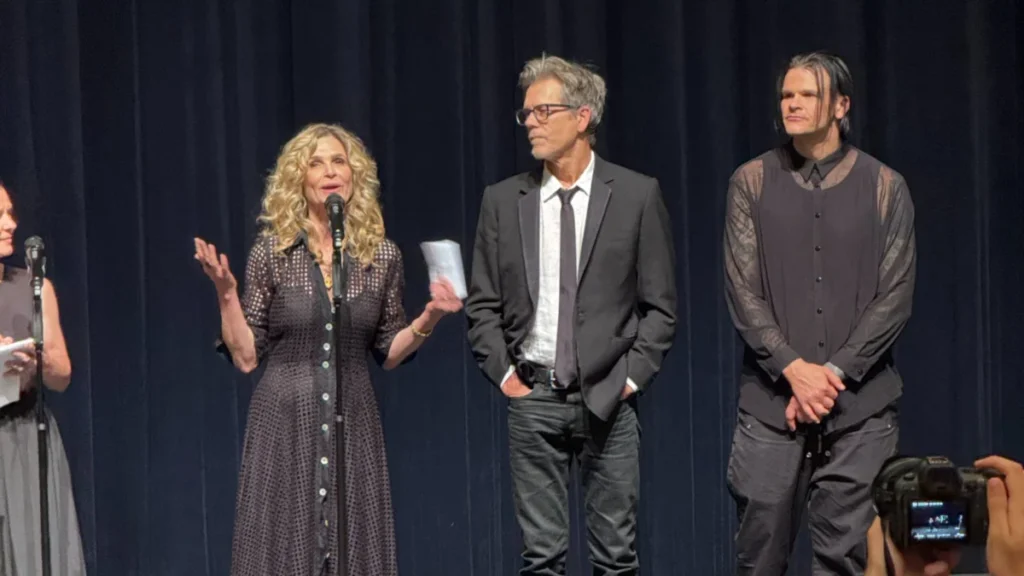
The emotional impact of the performance was heightened by the surprise appearance of several of the film’s original cast members. Following the routine, Stiles was joined on stage by Joseph Gordon-Levitt (Cameron James), Andrew Keegan (Joey Donner), Larisa Oleynik (Bianca Stratford), Gabrielle Union (Chastity), and Susan May Pratt (Mandella). The gathering of these actors, who have largely moved on to distinct careers, served as a rare public acknowledgment of the film’s enduring cultural footprint, now over 25 years since its initial release in 1999.
Krumholtz’s Response and Contextual Factors
In his social media address, Krumholtz expressed genuine regret at being unable to join his colleagues for the live broadcast. "I could not be in L.A. for Dancing With the Stars last night. I would have loved loved loved to have been there," Krumholtz stated. He noted that the televised tribute was "amazing and stunning," and he extended his public support to Stiles for her efforts in organizing the homage to Ledger, whom Krumholtz described as a "dear friend" whom he continues to miss daily.
Beyond the logistical hurdles of filming on location, Krumholtz addressed a lighter, more personal detail regarding his current appearance. The actor, who recently shaved his head for a role, quipped that his new look might have become "internet fodder" had he appeared on national television in his current state. He jokingly remarked that it "would have been weird" to step into the ballroom, though he was quick to clarify that this cosmetic change was not the primary reason for his absence. The candor of his statement reflects the often-strained reality of working actors, who must balance the demands of active production schedules against the opportunities for public reunions or promotional appearances.
The Legacy of 10 Things I Hate About You
Directed by Gil Junger and based loosely on William Shakespeare’s The Taming of the Shrew, 10 Things I Hate About You remains a definitive text of the late 1990s teen rom-com genre. With a budget of approximately $16 million, the film grossed over $53 million worldwide, but its true impact is measured in its longevity. The film acted as a launching pad for its young cast, many of whom went on to achieve significant industry acclaim.
The plot—centering on the strict social hierarchy of a Padua High School and the elaborate scheme devised by Joey Donner to date Bianca Stratford—provided the framework for Ledger’s magnetic performance. The film’s success was driven by its sharp screenplay and the chemistry between Stiles and Ledger, which helped elevate the project from a standard teen flick to a genre touchstone. For many viewers, the film represents a bridge between 20th-century teen cinema and the more character-driven dramas of the early 2000s.
Industry Implications of Legacy Reunions
The DWTS reunion is part of a broader trend in the entertainment industry known as "nostalgia marketing." As streaming platforms continue to dominate, networks and production companies have increasingly relied on anniversary specials, reunions, and tribute segments to boost viewership for traditional television broadcasts. By leveraging the emotional connection audiences have with films like 10 Things I Hate About You, shows like Dancing With the Stars can generate significant engagement across social media platforms.
However, these reunions also highlight the challenges of managing large ensembles long after a project has wrapped. Actors’ schedules, regional conflicts, and personal life choices often prevent full cast reunions from occurring. Krumholtz’s situation serves as a representative example of how, even when cast members share a deep bond and mutual respect, the machinery of professional film production can interfere with public displays of sentimentality.
A Look Back at Heath Ledger’s Impact
The dedication to Ledger on the DWTS stage was not merely a performance but a reflective moment on the actor’s early career. Since his death due to an accidental overdose, Ledger’s body of work has been subject to intense academic and critical review, particularly his Academy Award-winning portrayal of the Joker in The Dark Knight. Yet, for his peers from the late 90s, the memory is often centered on the younger, more vibrant Ledger of the 10 Things set.
Julia Stiles, who has spoken frequently about her time working with Ledger, has often cited the film as a turning point in her own professional trajectory. The inclusion of the poem that Kat Stratford reads in the film—a pivotal, tear-inducing moment in the narrative—during the DWTS performance added a layer of gravitas that separated the tribute from typical reality television filler.
Conclusion: The Continued Relevance of the Ensemble
While the absence of Krumholtz was noted by fans, the collective presence of the remaining cast members provided a substantial, if incomplete, portrait of the 1999 ensemble. The event underscored a recurring theme in Hollywood: the enduring nature of early career friendships, even as individual stars navigate the diverging paths of their respective careers.
For Krumholtz, who has remained a working character actor across numerous television and film projects, the desire to be present for his friends and colleagues is clearly evident. His video post serves as both a professional clarification and a personal bridge, ensuring that his absence is interpreted as a matter of geography rather than a lack of regard for the film or the tribute. As the industry continues to look back at the cinematic landmarks of the 1990s, such moments of reflection—whether full or partial—remain a staple of the cultural discourse, keeping the spirit of the original films alive for new generations of viewers. The event also highlighted the ongoing appeal of the cast of 10 Things I Hate About You, confirming that even two and a half decades later, the public retains a keen interest in the personal and professional trajectories of the individuals who helped bring Padua High to life.