The landscape of independent cinema is undergoing a seismic shift, driven by digital-first creators who prioritize audience engagement and rapid production cycles over traditional studio gatekeeping. Kevin Cate, the filmmaker behind the viral sensation Open Door, has solidified this new paradigm with the release of his latest short film, Birthday Flight. Following a significant six-figure development deal secured on the strength of his previous work, Cate is leveraging his momentum to prove that high-concept storytelling can be executed with efficiency, precision, and an aggressive, modern release strategy.
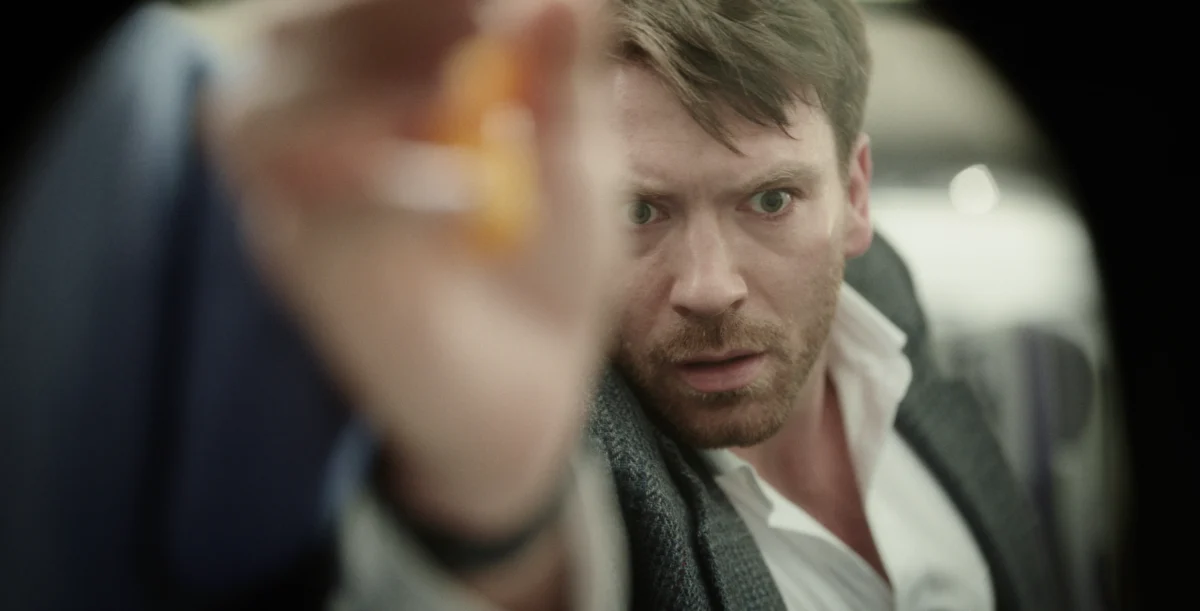
Birthday Flight presents a claustrophobic, high-tension premise: a man awakens mid-flight to discover he is the sole passenger aboard a massive commercial aircraft. The film serves as a thematic companion to Open Door, expanding a shared cinematic universe that has already captured the attention of nearly 30 million viewers across various digital platforms. By maintaining this continuity, Cate is not merely releasing individual shorts; he is constructing a brand ecosystem that encourages repeat viewership and long-term audience loyalty.
A Rapid Production Timeline
The production of Birthday Flight stands as a case study in modern indie efficiency. From the initial conceptualization to the completion of principal photography, the entire process spanned a mere nine days. This timeline is starkly contrasted against the multi-year development cycles typical of traditional television and film projects.
The production utilized the specialized facilities at Shoot Aviation in Griffin, Georgia, where the team spent two and a half days shooting almost exclusively inside an Airbus A330 fuselage. The choice of location provided the necessary production value to ground the film’s surreal premise in a realistic, tactile environment. The cast, led by Jesse Kove (known for his role in the hit series Cobra Kai), also includes performances by Nikki Nunziato, Alex Trewhitt, Jade Ricci, Sean Anthony Baker, and Jaclyn Olesky. The swift casting and filming process underscore the efficacy of Cate’s "Clinging Vine Films" operation, which functions more like a lean, agile technology startup than a traditional production house.
Building a Core Creative Infrastructure
A consistent feature of Cate’s recent projects is the reliance on a core, high-performing production team. This group, which has been instrumental in the success of Open Door and is currently transitioning to the production of Cate’s feature-length debut, Unbearable Christmas, operates with a high degree of synchronicity.

The technical backbone of the film includes Director of Photography Pete Chiaramonte, whose work on the narrow confines of the Airbus A330 was critical in establishing the film’s tense atmosphere. They are supported by editor and camera operator Daniel Reinecke and post-production supervisor Qais "Q" Karadsheh. This continuity of talent allows for a reduction in pre-production friction, as the team has already developed a shorthand for communication and technical execution that is vital for projects with such truncated schedules.
The New Model of Digital Filmmaking
The strategic decision to bypass a traditional festival run or exclusive licensing deal in favor of a direct-to-YouTube release marks a pivot in how independent films are monetized. Cate has publicly articulated his disdain for the "wait-and-see" approach that often traps indie filmmakers in development purgatory while they await distributor interest.
"We didn’t want to sit back and wait for all the Open Door sales and distributor talks to play out before making something new," Cate stated regarding his production philosophy. "That’s not how this generation of filmmakers operates, and it’s certainly not how to build a loyal fan base. We are filmmakers. We want to make films and get them out to as many people as possible, as quickly as possible."
This approach reflects a broader industry trend where the "middle class" of filmmaking is being hollowed out, leaving room for two distinct groups: massive, tentpole franchises and high-quality, digital-native indie projects. By maintaining control over his distribution, Cate is building direct access to his audience, effectively creating a data-rich environment that he can leverage for future negotiations with streamers and studios.
Industry Perspectives on the "Cate Model"
Jesse Kove, who stepped into the leading role for Birthday Flight, highlighted the contrast between the environment of a typical studio production and the rapid, iterative process employed by Cate. "I’d seen Kevin’s short films, so I knew a little about what I was getting into," Kove remarked. "But to see how creative, quick, and collaborative the whole team is up close, it makes sense why Hollywood is trying to figure out how all of this works. Once the idea hit, it was a million miles an hour into world-building this insane situation."
From an analytical standpoint, the success of creators like Cate provides a roadmap for how independent filmmakers can survive and thrive in an attention-starved economy. By utilizing high-concept, genre-driven narratives, filmmakers can minimize the need for extensive exposition, allowing them to focus resources on cinematography and performance—the two pillars of engagement for digital audiences.

Broader Implications and Future Trajectory
The implications of the six-figure deal for Open Door combined with the immediate release of Birthday Flight suggest that digital metrics are becoming an increasingly accepted form of currency in Hollywood. Studios are no longer waiting for critical acclaim from film festivals; they are tracking engagement, retention rates, and social sentiment on platforms like YouTube and TikTok.
Cate’s upcoming feature film, Unbearable Christmas, serves as a litmus test for whether this digital-first success can be successfully translated into the traditional feature-length format. Featuring a cast that includes established industry veterans such as Julia Stiles, Alex Moffat, Caroline Rhea, David Cross, and Stephen Root, the project represents a significant scaling of operations.
If the production of Unbearable Christmas maintains the same level of efficiency as Birthday Flight, it could force a re-evaluation of current industry standards regarding production budgets and schedules. The traditional Hollywood model often involves significant capital expenditure on administrative and logistical overhead that does not contribute to the final product on screen. By contrast, the Clinging Vine Films model emphasizes the allocation of capital toward creative output and technical expertise.
Conclusion
Birthday Flight is more than just a short film; it is a manifestation of an evolving media ecosystem. As audiences continue to migrate away from legacy broadcast and cable toward on-demand digital content, the power dynamic is shifting toward creators who can demonstrate sustained audience reach. Kevin Cate has positioned himself at the vanguard of this movement, utilizing a hybrid approach that combines the aesthetic standards of traditional cinema with the distribution velocity of the internet age.
As the industry watches the reception of Birthday Flight, the focus will undoubtedly remain on whether this high-velocity, independent model can sustain its quality over longer formats. For now, the combination of 28.7 million views, a major development deal, and a rapid-fire release strategy provides a compelling narrative of a filmmaker who is successfully writing his own rules in a changing world. Through the release of this latest project, Cate has once again demonstrated that in the current era, the most valuable asset an indie filmmaker can possess is not just a screenplay, but the ability to deliver, engage, and iterate at scale.