The primary results, as reported by NBC News with approximately 99 percent of expected ballots counted, show incumbent Mayor Karen Bass leading the field with 292,115 votes. She is followed by City Councilmember Nithya Raman, who secured 247,242 votes. Pratt, despite a robust and unconventional campaign that leveraged his significant social media following, garnered 217,638 votes. While the figure represents a notable performance for a non-traditional candidate, it was insufficient to break the hold of the two established political figures.
The Declaration of Post-Campaign Hostility
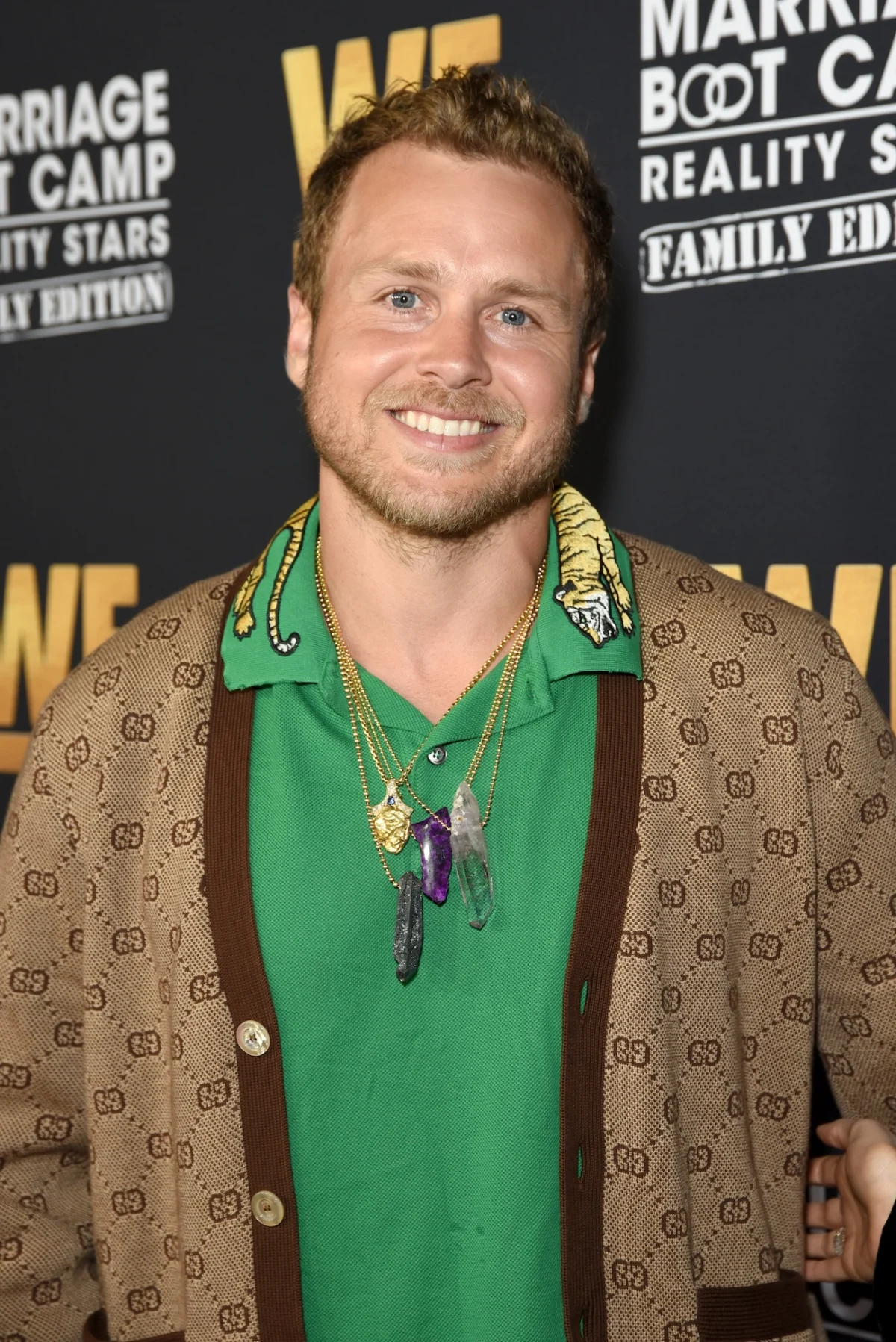
In a video shared across Instagram and Facebook, Pratt addressed his supporters and the general public, signaling that his exit from the formal race would not result in his disappearance from the local political discourse. Pratt asserted that his mission to "save Los Angeles" is merely transitioning into a "more interesting phase." Free from the constraints of campaign finance regulations and the scrutiny of mainstream media standards, Pratt indicated he would adopt a scorched-earth policy toward the remaining contenders.
"I’m gonna be lighting you up every single day, and now I don’t have to worry about offending CNN viewers," Pratt stated in the video. "I don’t have campaign laws hamstringing me now. It’s war. It’s zero hour for Los Angeles."
Pratt’s rhetoric centered on a critique of the current municipal leadership, labeling the choice between Bass and Raman as "dumb and dumber." He characterized the election results as a maneuver by "the machine" to protect its own interests, predicting a dire future for the city under the continued leadership of either candidate. He went so far as to describe his opponents as "corrupt communists" and warned that Los Angeles would "tumble headlong into the abyss" should current policies remain in place.
Electoral Context and Candidate Performance
The 2026 mayoral primary served as a critical barometer for the political climate in Los Angeles, a city grappling with systemic issues including homelessness, public safety, and a rising cost of living. Mayor Karen Bass, seeking a second term, campaigned on her record of moving unhoused individuals into interim housing and her efforts to expand the Los Angeles Police Department’s recruitment. Nithya Raman, representing the city’s more progressive wing, focused her platform on tenant protections, environmental sustainability, and reimagining public safety.
Pratt’s entry into the race was initially viewed by political analysts as a celebrity vanity project, but his final vote tally suggests he tapped into a significant vein of voter frustration. His 217,638 votes indicate that nearly 30 percent of the participating electorate sought an alternative to the traditional political options. However, in the "top-two" primary system utilized in California, only the two candidates with the highest number of votes, regardless of party affiliation, proceed to the general election.
Allegations of Incriminating Evidence
One of the more sensational aspects of Pratt’s post-election address was his claim to possess damaging information regarding one of the two advancing candidates. Without naming the specific individual, Pratt alleged that his team had uncovered "fraud and evil" during the campaign cycle. He specifically mentioned the existence of recordings that he claimed would force a candidate to "resign in shame."
"I was saving it for the general election," Pratt claimed. "Go ahead and pick your demon, certify your choice, and then you get to see it. Now we’re flipping the script. I want all of you awake at night, sweating and worried about 5 a.m. when the FBI blazers bust in the door, breaking open your office, because I assure you, they’re coming."
While Pratt provided no immediate evidence to substantiate these claims, the threat of "whistleblower" style revelations adds a layer of volatility to the general election cycle. Political consultants note that such tactics are common in high-stakes Los Angeles politics, though they are often dismissed as rhetorical flourishes unless accompanied by verifiable documentation.
Economic and Social Critiques of the Current Administration
Throughout his video address, Pratt echoed common grievances regarding the economic health of the city. He claimed to have received correspondence from "major developers, hoteliers, business owners, and entrepreneurs" who expressed their intentions to relocate their operations outside of Los Angeles. Pratt argued that this purported exodus would lead to a precipitous drop in tax revenue, forcing the city to curtail essential services.
"That means more potholes, less firefighters, less police patrols, more criminals, more drug addicts terrorizing your communities," Pratt argued. He framed the re-election of incumbent leadership as rewarding an "arsonist who torched a place with four more years of destruction."

Data from the Los Angeles Economic Development Corporation (LAEDC) and the U.S. Bureau of Labor Statistics show a nuanced picture of the city’s economy. While Los Angeles has seen a slow recovery in certain sectors post-pandemic, the entertainment industry—a cornerstone of the local economy—has faced significant headwinds due to labor disputes and shifting production models. Pratt’s campaign leaned heavily into these anxieties, positioning him as a pro-business disruptor.
Chronology of the Pratt Campaign
Spencer Pratt’s bid for the mayoralty began in late 2025, surprising many who associated him primarily with the "paparazzi era" of the mid-2000s. His campaign was characterized by:
- September 2025: Pratt announces his candidacy via a viral TikTok video, citing the "deterioration of the Hollywood dream" as his primary motivation.
- November 2025: The campaign focuses on "Crystal Governance," a semi-satirical but earnest platform suggesting that the city’s energy needed a "radical realignment," while simultaneously calling for a massive increase in private security patrols in residential neighborhoods.
- January 2026: Pratt participates in several unofficial forums, gaining traction among younger voters and those disillusioned with the slow pace of municipal reform.
- February 2026: In the weeks leading up to the primary, Pratt shifts his tone from celebrity-eccentric to populist-agitator, frequently attacking Karen Bass’s handling of the "Inside Safe" initiative.
- Primary Day: Pratt finishes third, trailing Raman by approximately 30,000 votes.
Reactions from the Bass and Raman Camps
Representatives for Mayor Karen Bass and Councilmember Nithya Raman have largely declined to engage directly with Pratt’s "war" declaration. A spokesperson for the Bass campaign issued a brief statement focusing on the road ahead: "The Mayor is grateful for the support of Angelenos who recognize the progress we’ve made in bringing people inside and making our neighborhoods safer. We look forward to a substantive debate on the issues that matter to the future of this city."
The Raman campaign similarly pivoted toward the general election, emphasizing the need for progressive solutions to the housing crisis. Sources close to the campaigns suggest that while they do not view Pratt as a legitimate political threat in terms of office-holding, they are wary of his ability to command media attention and potentially suppress voter turnout or spread misinformation during the runoff.
Analysis of the Celebrity Political Influence in Los Angeles
The performance of Spencer Pratt highlights a recurring theme in California politics: the intersection of celebrity and civic leadership. From George Murphy and Ronald Reagan to Arnold Schwarzenegger, the leap from the screen to the statehouse has a storied history in the Golden State. However, Pratt represents a new iteration of this phenomenon—the "influencer-politician."
Unlike his predecessors who often sought to distance themselves from their entertainment personas to appear "statesmanlike," Pratt leaned into his reputation as a provocateur. Analysts suggest that his 217,000 votes demonstrate that a segment of the population is no longer interested in traditional political decorum. Instead, they are drawn to candidates who mirror the combative and unvarnished nature of social media discourse.
The "war" Pratt has declared may not be a traditional political campaign, but rather a sustained digital insurgency. By positioning himself as a watchdog with "nothing to lose," Pratt may exert influence over the general election by acting as a megaphone for the opposition, regardless of which candidate he targets.
Broader Implications for the General Election
As Los Angeles moves toward the general election, the departure of Pratt leaves a significant block of voters up for grabs. Both Bass and Raman will need to address the concerns of the "Pratt constituency"—largely comprised of voters who feel the city is in a state of terminal decline.
The primary results indicate a deeply divided city. Bass remains the favorite among older, more established voters and the traditional Democratic base. Raman holds strong support among younger progressives and urban renters. Pratt’s supporters, often characterized by their populist and anti-establishment leanings, could become the "kingmakers" of the November election if one of the remaining candidates can successfully court them.
However, if Pratt follows through on his promise to "light up" the candidates daily, he may instead foster an environment of further polarization and cynicism. His claims of "incriminating recordings" and "FBI investigations" are likely to hover over the campaign, forcing the frontrunners to defend their integrity rather than focusing solely on policy.
Ultimately, the 2026 primary has proven that while Spencer Pratt may not be the next Mayor of Los Angeles, his influence on the city’s political landscape is far from over. His transition from candidate to "warrior" marks a new chapter in the ongoing struggle to define the future of one of America’s most complex and scrutinized metropolitan areas. The city now braces for a general election season that promises to be as much a media spectacle as a political contest.