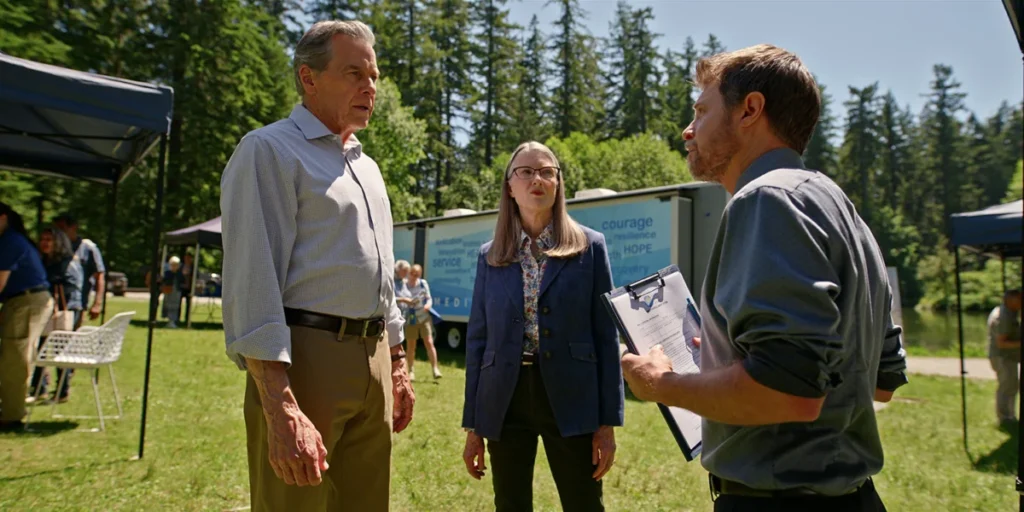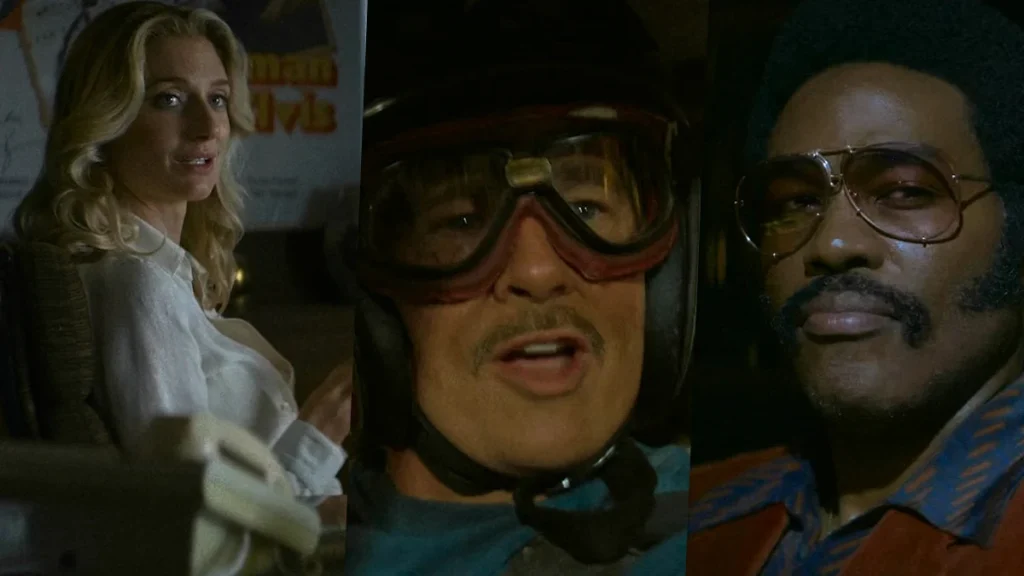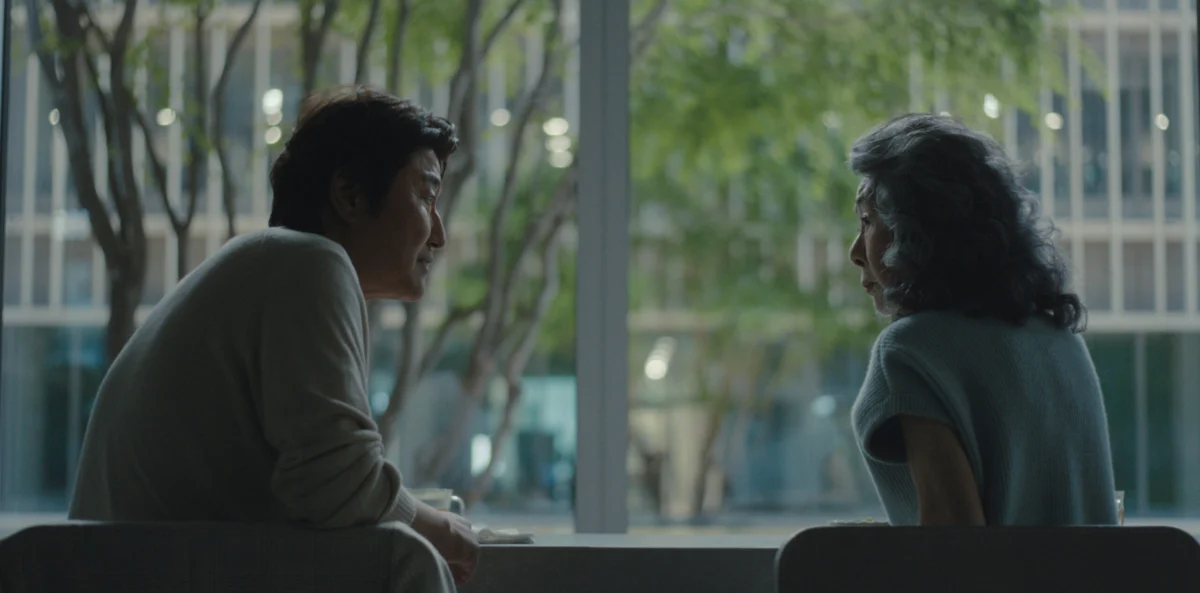
Sabrina Mahfouz, a prolific figure spanning the realms of literature, theater, television, and poetry, has significantly contributed to the highly anticipated second season of Lee Sung Jin’s critically acclaimed drama, Beef. Taking on a dual role as a writer and producer, Mahfouz delved deep into the series’ exploration of complex human themes, including self-deception, the intricate web of actions and consequences, and the persistent struggle for identity. Her involvement marks a pivotal moment in her career, aligning her diverse talents with a show celebrated for its sharp wit and profound psychological depth.
Sabrina Mahfouz: A Multifaceted Creative Force
Mahfouz is widely regarded as a "writer’s writer," a testament to her profound versatility and commitment to the craft across various mediums. Her extensive body of work is, as she candidly explains, a product of navigating the challenging landscape of artistic survival. Yet, this necessity has evolved into a passion, making it unimaginable for her to focus on a single project at any given time. Beyond her contributions to Beef, her current endeavors highlight this multifaceted approach. She has collaborated with acclaimed director Danny Boyle on "You Are Here," a significant theatrical production set to debut in London in May, and is simultaneously developing a children’s series for BBC Studios. Her professional ethos is encapsulated by her own words during an interview with What’s On Netflix: "Always trying to write a film, always trying to write a novel, always writing. And let’s not forget the emails. Always writing emails." This dedication underscores a relentless creative drive that feeds into every project she undertakes.
The Genesis of Beef Season 2 Amidst Industry Upheaval
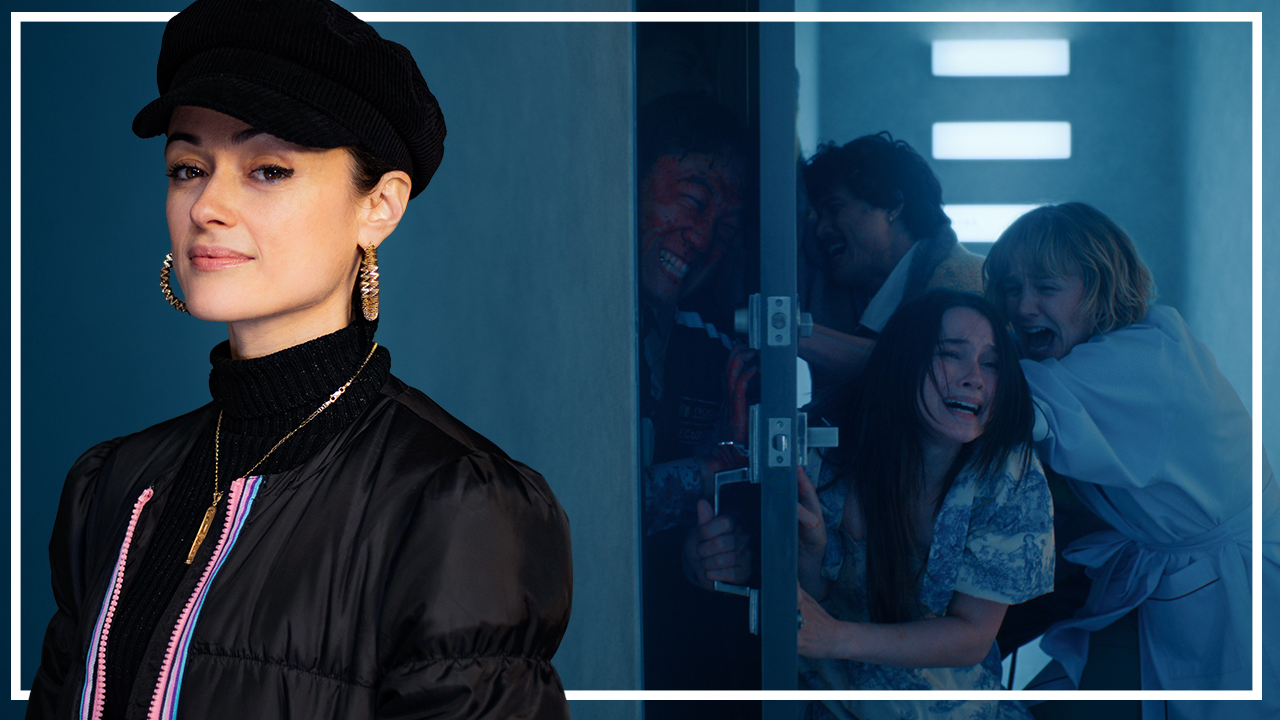
Mahfouz’s journey to the Beef writers’ room was serendipitous yet fraught with unforeseen challenges. Having relocated to Los Angeles approximately eight months prior to joining the series, she had consciously shifted her professional focus towards television, recognizing the West Coast as a hub for creators whose vision she deeply admired. This strategic move positioned her perfectly for an opportunity like Beef, even as she continued to nurture her roots in theater and non-fiction writing, having recently completed a book.
The timing of her recruitment for Beef Season 2 initially appeared to be ideal. She had been profoundly moved by the first season, having received early access to screeners. Its innovative narrative structure and its ability to push the boundaries of the 30-minute episode format resonated deeply with her artistic sensibilities. "I was completely blown away and felt that everything that I’d always wanted to do in theater and other forms of pushing the boundaries of what that particular medium could be, it was doing that in the 30-minute episodes," Mahfouz reflected. The show’s visceral impact, both emotionally and artistically, fueled her excitement to contribute to its continued success.
However, this dream opportunity immediately collided with a major industry crisis. The day after the writers’ room first convened, the Writers Guild of America (WGA) announced a strike. This unprecedented event brought the nascent production of Beef Season 2 to an abrupt halt, forcing Mahfouz, a relatively new resident in Los Angeles without an established local support system, to return to the UK. This period of uncertainty, which Mahfouz describes as "the best and the worst timing," underscored the precarity inherent in creative careers and the broader systemic issues within the entertainment industry.
Navigating the WGA Strike: A Personal and Professional Ordeal
The 2023 WGA strike, which lasted from May 2 to September 27, 2023, was a landmark labor dispute that fundamentally challenged the existing economic models of Hollywood, particularly concerning the streaming era. Writers demanded improved compensation, better residual payments from streaming content, increased staffing in writers’ rooms, and protections against the encroaching use of artificial intelligence in scriptwriting. The strike highlighted significant disparities, with many writers struggling to make a living wage despite working on highly profitable shows for major studios and streamers.
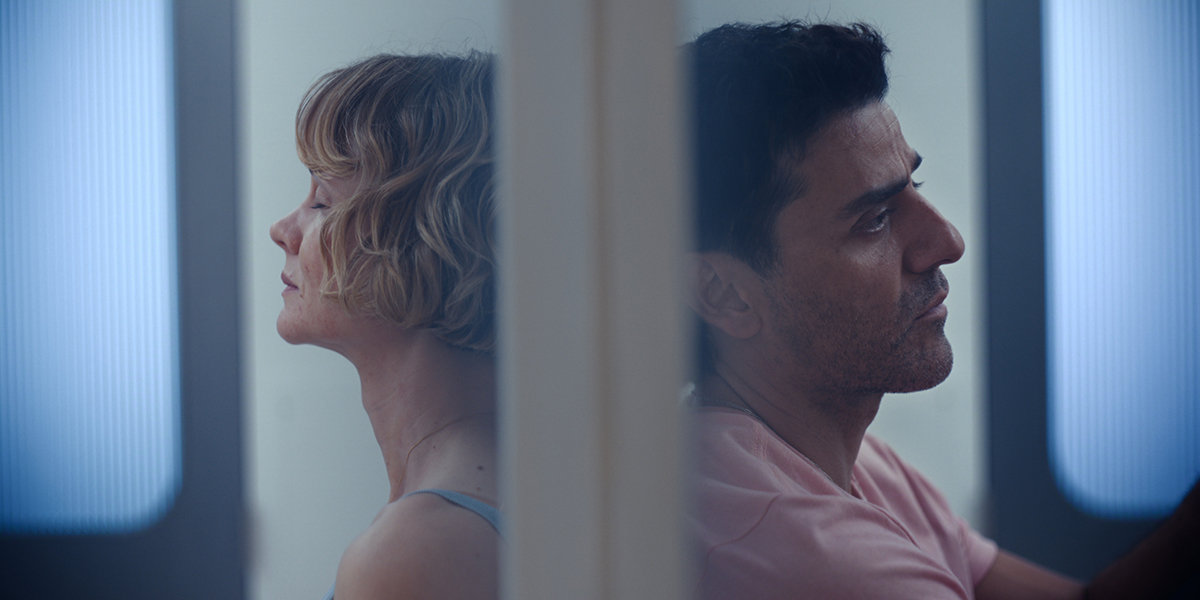
For Mahfouz and her colleagues, the strike was a stark reminder of these systemic issues. The forced hiatus, extending for nearly five months, created immense personal and professional strain. "As someone who was not familiar with that process of striking, it felt like this could literally be years and I don’t have any idea how to live in a city where I’m not from," she articulated, capturing the widespread anxiety among writers. This period of enforced idleness, while challenging, inadvertently fostered a renewed sense of purpose and energy when the writers eventually returned to their work on Beef.
The strike’s themes of class, capitalism, and the struggle for fair compensation resonated deeply with the narrative fabric of Beef, a show already adept at dissecting societal frustrations and economic anxieties. While the impact wasn’t consciously woven into the storyline at the moment of creation, Mahfouz acknowledges the subconscious influence. The collective experience of uncertainty and the fight for basic labor rights imbued the writers with "extra energy of wanting to get everything done and to dive into this world straightaway." It also fostered a greater comfort with ambiguity: "There’s no guarantees about anything anywhere, so that’s fine. We’ll just keep going until we find the right thing." This resilience and adaptability became an unexpected asset in the creative process.
Deconstructing Conflict and Character in Beef
Upon returning to the writers’ room, the team found themselves with an abundance of real-world experience regarding conflict and chaos, albeit of a more internal and systemic nature. Mahfouz observed that the second season of Beef leaned into more subtle, internal conflicts compared to the more overt "road rage" incident that ignited Season 1. The exploration of employer-employee dynamics, the daily compromises people make, and the slow accumulation of frustrations likely drew from the writers’ recent experiences with the strike. While not an explicit thematic choice, the shared understanding of career uncertainty and employment struggles undoubtedly colored the development of character arcs and dramatic situations.
A central appeal of Beef for Mahfouz lies in its unflinching portrayal of characters striving to maintain a curated self-image, not just for others, but for themselves. This "metaphorical fight for their existence," where the failure to uphold their constructed identity feels like a literal death, deeply fascinates her. The moment a character confronts this self-deception and recognizes the facade is, for Mahfouz, "so satisfying to watch." The show’s embrace of deeply flawed characters, free from the constraints of traditional "likability," is a "catnip for all the writers." This creative freedom allows for a more authentic and complex exploration of human nature.
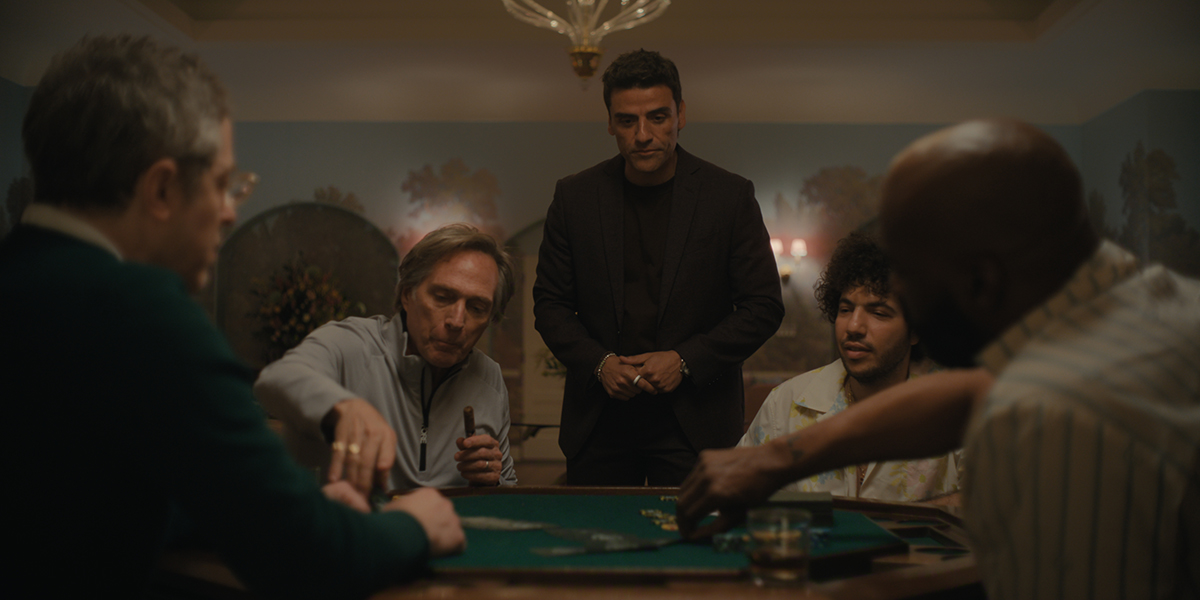
Interestingly, Mahfouz describes a unique writing process for Beef, where character flaws and traits often emerge organically from the narrative action rather than being pre-determined. Instead of starting with a deep dive into character psychology, the room would often present a scenario and then explore how an as-yet-undefined character would react, thereby revealing their inherent flaws and motivations. This iterative approach to character development, where flaws are "found as we were going along building the story," contributes to the show’s dynamic and unpredictable storytelling.
The Nuance of Arguments and Relationships
When crafting the intense arguments and conflicts that define Beef, Mahfouz emphasizes the importance of nuance. Drawing on her personal inclination towards debate – she humorously notes that if not a writer, she might have been a lawyer – she seeks to interrogate various perspectives, including her own. Her preference is for conflicts that avoid "completely opposing extremities of beliefs or ideologies," instead focusing on the subtle differences that exist even among seemingly similar individuals. This approach allows for a more realistic portrayal of human interaction, where people can maintain relationships despite simmering disagreements. "I like keeping it going, seeing how much you can disagree with someone before you don’t want to talk to them anymore," she stated, highlighting the show’s commitment to sustained, evolving conflict.
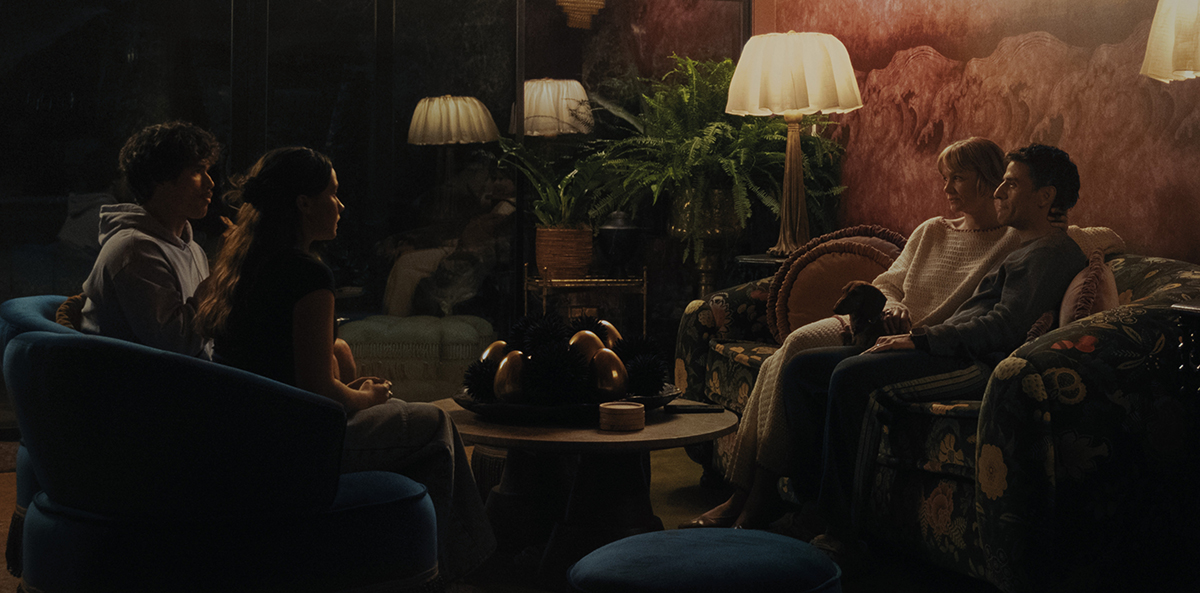
This nuanced approach extends to writing couples. Mahfouz finds particular interest in couples who, despite sharing similar backgrounds and sensibilities, gradually discover fundamental differences in their perspectives. She references the "younger married couple" in Beef Season 2, who initially appear perfectly aligned, only for subtle divergences to emerge. This unexpected discovery of disalignment, rather than overt conflict, is exciting to her. It allows for the "seeding" of minor discrepancies that accumulate over time, eventually becoming significant. The process of depicting a character’s dawning realization that they are not on the same page as their partner, without it necessarily erupting into an immediate argument, offers a rich vein for dramatic exploration. It’s about capturing those quiet moments of recognition – "Oh, right, we’re not aligned there. I’m going to save that for later" – that ultimately shape the long-term dynamics of a relationship.
The Enduring Legacy of Libraries and Storytelling
Beyond the intricacies of television writing, Mahfouz’s interview touched upon a foundational element of her artistic journey: libraries. She unequivocally states that without libraries, her path into storytelling would never have materialized. For her, libraries were sanctuaries of discovery, offering a vast array of narratives and forms that broadened her understanding of how stories can be told. They were inclusive spaces, catering to diverse tastes and providing access to both fiction and non-fiction, thereby fostering a deep connection to the wider world.
Mahfouz’s poignant reflection on libraries takes on added significance in light of recent budget cuts affecting these vital institutions in the U.S. and other regions. Federal funding for libraries and museums, such as through the Institute of Museum and Library Services (IMLS), has faced threats of reduction, prompting concerns among educators, artists, and community leaders. Libraries serve as crucial pillars of democratic society, providing free access to information, promoting literacy, supporting lifelong learning, and acting as community hubs. They offer resources ranging from internet access and job search assistance to children’s programs and cultural events, particularly benefiting underserved communities.
For Mahfouz, libraries transcend mere repositories of books; they are catalysts for imagination and connection. "It actually is connecting you to the real world in a way that I’m not sure I can think of any other space that, for me, has been as crucial in terms of fostering connections with the world as a whole and, obviously, the written word," she asserted. Her statement serves as a powerful reminder of the indispensable role libraries play in nurturing creative minds and fostering an informed, engaged citizenry, underscoring the broader implications of any threats to their funding and existence.
As Beef Season 2 prepares for its release, Sabrina Mahfouz’s insights offer a compelling glimpse into the show’s creative process and its thematic depth. Her journey, marked by both artistic triumph and the challenges of a major industry strike, highlights the resilience of creators and the profound impact of their work in reflecting and shaping our understanding of human experience.