The chilling new horror film Hokum, directed by Damian McCarthy, is set to unleash its terror upon audiences this Friday, May 1st. Having premiered to significant acclaim at SXSW 2026, where it garnered a four-star review for its "gratuitously frightening" and "deeply monstrous horror," the film promises a visceral and unsettling cinematic experience. Beyond the immediate scares, Hokum is drawing attention for its intricately crafted fictional universe, particularly the enigmatic character of "Jack the Donkey," a vintage children’s variety show host whose unsettling presence has already captured viral attention. This exclusive feature delves into the background of Jack the Donkey, offering a behind-the-scenes glimpse into a character that embodies the film’s retro-infused, deeply disturbing aesthetic.
The Unsettling Allure of Jack the Donkey
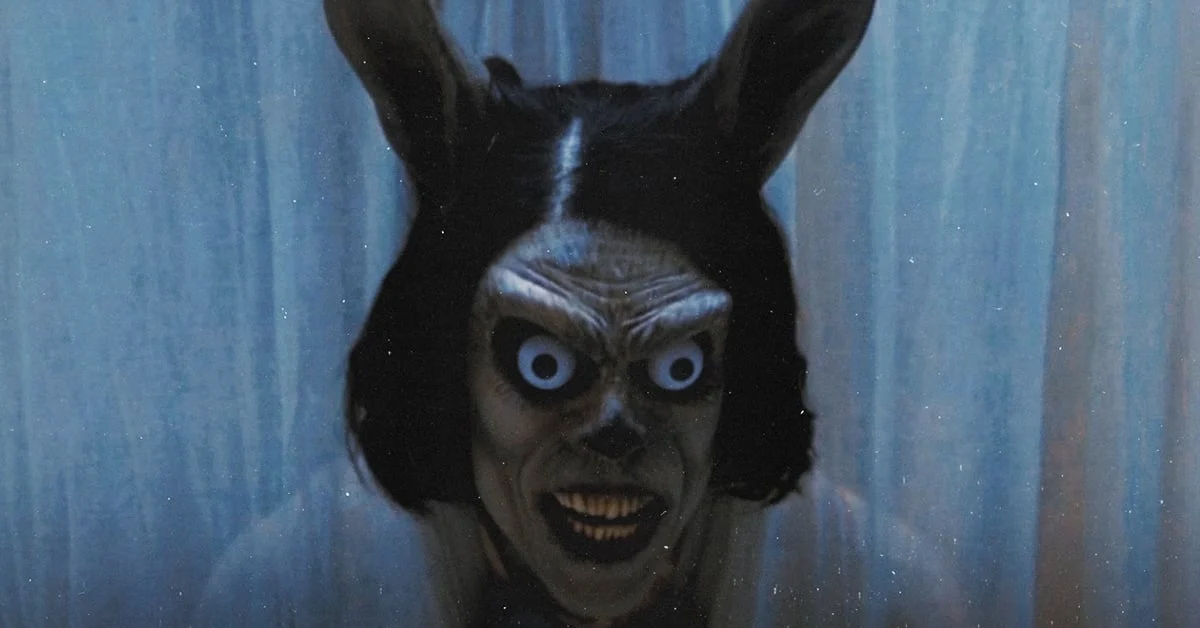
Jack the Donkey is more than just a fleeting image in the trailers; he is a foundational element of Hokum‘s narrative fabric. Presented as the host of a fictional, vintage children’s variety show, Jack embodies a disturbing juxtaposition of innocence and underlying menace. The show itself is depicted as a relic from a bygone era, its black-and-white aesthetic evoking a sense of forgotten dread. This stylistic choice is deliberate, aiming to tap into a collective subconscious memory of childhood programming that, in retrospect, might harbor darker undertones.
The character’s viral spread prior to the film’s release is a testament to its effectiveness. In an era saturated with visual content, Jack the Donkey has managed to cut through the noise, sparking curiosity and a palpable sense of unease. The question of whether Jack the Donkey’s presence extends beyond the flickering images on old television screens within the film is a central mystery that audiences will unravel upon its theatrical debut. This narrative device, where a seemingly innocuous fictional entity within the film’s world becomes a focal point of dread, is a sophisticated horror technique that amplifies psychological tension.
The Narrative Core of Hokum
Hokum is penned and directed by Damian McCarthy, the visionary behind the critically lauded 2023 horror film Oddity. This latest endeavor stars Adam Scott as Ohm Bauman, a man wrestling with his own internal demons and a strained relationship with his past. Bauman, described as prickly and unkind, embarks on a solitary journey to rural Ireland. His destination is a remote heritage hotel, a place imbued with personal significance as it was the site of his parents’ honeymoon forty years prior. The hotel represents a poignant, albeit fraught, connection to a time when his parents were reportedly at their happiest, a stark contrast to their eventual deaths and Bauman’s current emotional state.
The hotel, however, is not merely a backdrop for Bauman’s personal odyssey. It harbors its own dark secrets, meticulously concealed within the confines of the restricted Honeymoon Suite. This particular room has been long cordoned off, inaccessible to both guests and hotel staff. The reason for this stringent prohibition, according to the hotel’s elderly owner, is the deeply held conviction that the suite is haunted by an evil witch. This legend serves as a potent narrative catalyst, suggesting a confluence of personal tragedy and supernatural malevolence that Bauman is destined to confront.
Behind the Scenes: Crafting a Nightmare
The exclusive gallery of behind-the-scenes images offers a rare glimpse into the meticulous creation of Jack the Donkey and his vintage variety show. These images likely showcase the set design, costume elements, and potentially the performance capture or actor portraying the character, all contributing to the unsettling atmosphere. The visual language of Jack the Donkey’s world—vintage filters, slightly off-kilter framing, and the stark contrast of black and white—is a deliberate choice to evoke a sense of uncanny familiarity, subverting expectations of comforting children’s entertainment.
The success of such a character hinges on the ability to walk a fine line between camp and genuine terror. The viral nature of Jack the Donkey suggests that McCarthy and his team have effectively achieved this balance, creating a character that is both memorable and deeply disturbing. The visual cues are designed to resonate with an audience’s understanding of classic television while subtly twisting them into something sinister. This approach is particularly effective in horror, where the familiar can be a potent source of fear.
![‘Hokum’: See Nightmarish Gallery of ‘Jack the Donkey’ Character Stills [Exclusive]](https://www.dreadcentral.com/wp-content/uploads/2026/04/Hokum-Jack.jpg)
Thematic Resonance and Anticipation
Hokum‘s thematic underpinnings appear to delve into the nature of inherited trauma, the secrets that families keep, and the lingering power of the past. Ohm Bauman’s return to his parents’ honeymoon location, armed with their ashes, is a potent symbol of confronting unresolved grief and the weight of ancestral history. The hotel’s own secrets, embodied by the legend of the evil witch in the Honeymoon Suite, suggest a cyclical nature of malevolence, where past transgressions continue to haunt the present.
The inclusion of a fictional vintage children’s show like "Jack the Donkey" adds another layer to these themes. Children’s media often reflects societal anxieties and values, and a corrupted version of this genre can serve as a powerful metaphor for the corruption of innocence or the perversion of comforting narratives. The juxtaposition of a children’s host with the dark secrets of a heritage hotel creates a fertile ground for psychological horror, where the lines between childhood memory and adult nightmares blur.
The film’s release this Friday, May 1st, marks the culmination of significant anticipation, particularly following its strong showing at SXSW. The availability of tickets, as indicated by the provided link, further underscores the commercial and critical interest in McCarthy’s latest work. The film’s commitment to practical effects and atmospheric dread, a hallmark of McCarthy’s previous work, is expected to be on full display, promising a horror experience that eschews cheap jump scares for sustained, pervasive terror.
Broader Implications for the Horror Genre
The success of characters like Jack the Donkey, which gain traction and generate buzz independently of the main narrative, speaks to a growing trend in horror marketing. The ability to create compelling, standalone elements that resonate with audiences online can significantly amplify a film’s reach and impact. This strategy not only builds anticipation but also allows for a deeper engagement with the film’s world-building.
Furthermore, Hokum‘s exploration of retro aesthetics and corrupted nostalgia is a timely choice within the contemporary horror landscape. Audiences often find comfort in familiar visual styles, making their subversion particularly effective in generating unease. By revisiting and distorting the visual language of classic television, McCarthy taps into a shared cultural understanding, using it as a springboard for new and terrifying experiences.
The film’s focus on a remote, atmospheric setting like a heritage hotel also aligns with a perennial fascination in horror for isolated locations that amplify vulnerability and suspense. The history embedded within such places, coupled with the supernatural elements, provides a rich tapestry for storytelling.
As audiences prepare to enter the world of Hokum, the anticipation is palpable. The film promises a potent blend of psychological dread, atmospheric horror, and a uniquely unsettling antagonist in Jack the Donkey. The strategic release of behind-the-scenes content, particularly focusing on such an iconic character, demonstrates a sophisticated understanding of modern audience engagement and the power of memorable horror archetypes. The coming days will reveal whether Hokum lives up to its terrifying promise and cements its place as a significant addition to the horror genre.