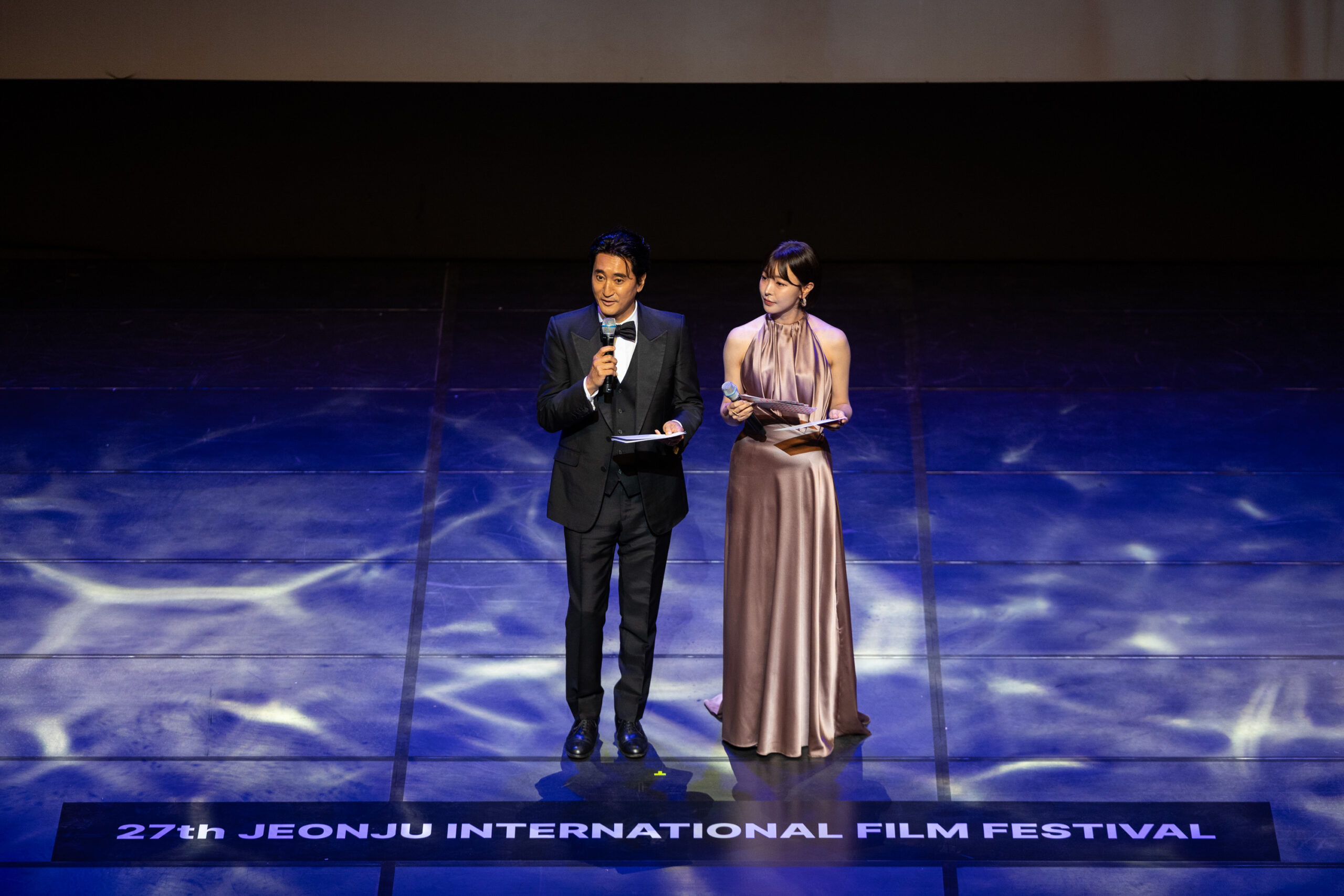
The 27th JEONJU International Film Festival (JEONJU IFF) officially commenced its highly anticipated 10-day cinematic journey with a magnificent Opening Ceremony held on Wednesday, April 29, at the prestigious Moak Hall, located within the Sori Arts Center of Jeollabuk-do. The event drew an impressive gathering of approximately 2,000 attendees, including a constellation of distinguished guests from both the domestic and international film industries, government officials, and enthusiastic cinephiles, all converging to celebrate the vibrant spirit of independent and alternative cinema that JEONJU IFF is renowned for. The evening was marked by a palpable sense of excitement, setting an auspicious tone for what promises to be a decade of profound cinematic discovery and cultural exchange.
A Galaxy of Stars and Dignitaries Grace the Red Carpet
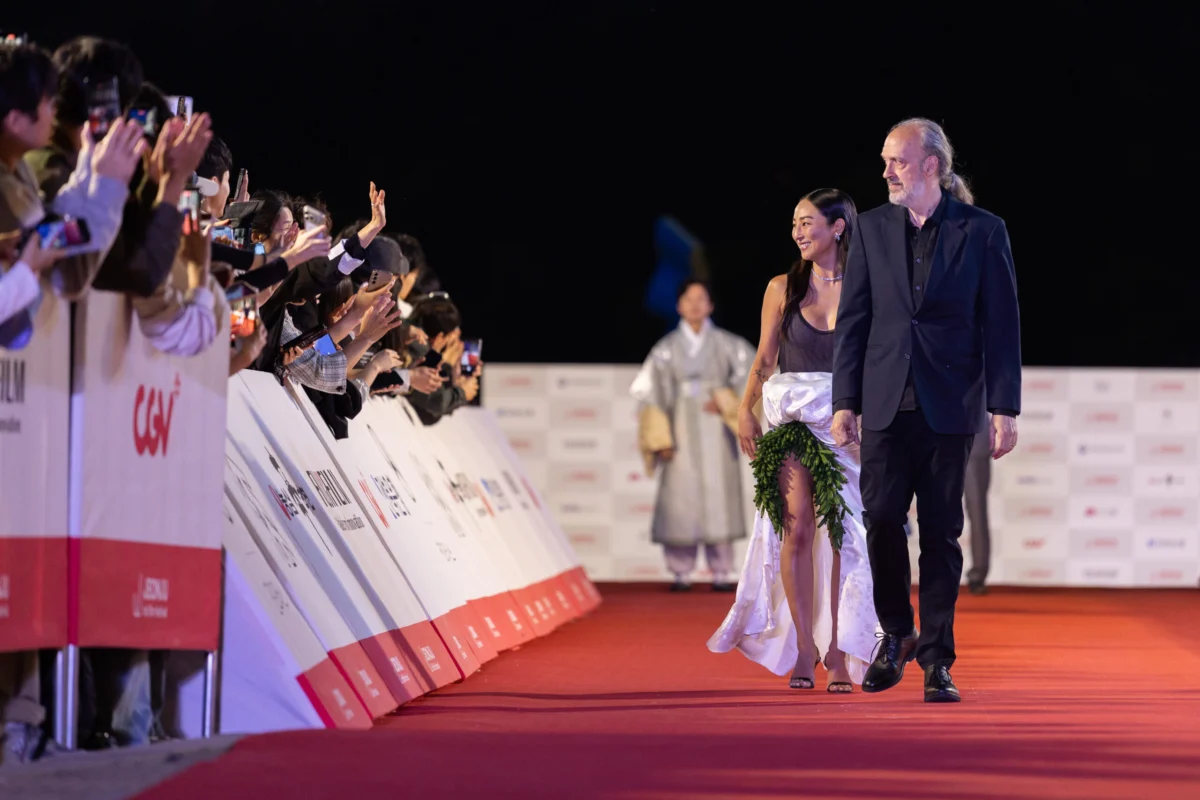
The ceremonial proceedings began with an electric atmosphere as luminaries and key figures of the film world graced the red carpet, a spectacle that has become a hallmark of major international film festivals. Among the most anticipated arrivals were director Kent Jones and acclaimed actor Greta Lee, representing the festival’s poignant Opening Film, Late Fame. Their presence underscored the international caliber of the festival and its commitment to showcasing diverse voices in filmmaking.
The guest list read like a who’s who of contemporary cinema and cultural leadership. Esteemed directors TSAI Ming-Liang, a titan of world cinema known for his distinctive minimalist style, and BYUN Young-joo, celebrated as this year’s "Programmer of the Year," were present, highlighting the festival’s dedication to both established masters and innovative curators. The Executive Committee Member BAE Jong-ok, a figure integral to the festival’s strategic direction, was also in attendance. The critical role of judging was represented by a distinguished panel of jurors, including SHIM Jaemyung, LEE Hae-young, and KO Asung, whose collective expertise promises a rigorous and insightful evaluation of the competing films.
Beyond the film industry, the cultural significance of the event was further elevated by the presence of Minister of Culture, Sports and Tourism CHAE Hwi-young, whose attendance underscored the government’s steadfast support for the arts and cultural initiatives. The festival’s commitment to inclusivity was championed by WITHBOM (Barrier-free) Ambassador, actor YOON Jong-hoon, advocating for greater accessibility within the cinematic experience. Adding to the glamour and prestige were popular actors KIM Hyunjoo and CHAE Jungan, whose presence delighted fans and further amplified the celebratory mood of the evening. The collective attendance of such a diverse and influential group underscored the JEONJU IFF’s growing stature as a pivotal event on the global cultural calendar.
Leadership’s Vision for Continued Growth and Global Reach
The grand ceremony was expertly hosted by the charismatic duo of actors SHIN Hyun Joon and GO Won Hee, whose engaging presence guided the audience through the evening’s program. Their lively introductions and seamless transitions maintained the festive energy, setting the stage for the festival’s leadership to articulate their vision.
Festival Co-Directors MIN Sungwook and JUNG Junho took to the podium, their remarks imbued with gratitude and a clear sense of purpose. "We extend our sincere thanks to filmmakers and audiences from Korea and around the world," they stated, acknowledging the global community that forms the backbone of the festival. Their address also carried a significant announcement: their reappointment for an additional three-year term. This decision signals a vote of confidence in their leadership and strategic direction, promising continuity and sustained growth for JEONJU IFF.
Elaborating on their renewed mandate, the Co-Directors expressed, "Having been reappointed, we are honored to continue serving as Co-Directors for the next three years. While we have focused on laying a strong foundation thus far, we will now strive to further strengthen and expand the festival moving forward." This statement outlines an ambitious trajectory for the festival, moving beyond foundational development to an era of intensified growth and broader impact. Their vision encompasses not only the expansion of film selections and programming but also an increased emphasis on international collaborations, fostering emerging talent, and solidifying JEONJU IFF’s reputation as a critical platform for independent and art-house cinema. This long-term commitment is expected to translate into more robust industry programs, enhanced educational initiatives, and greater outreach to diverse audiences, cementing Jeonju’s status as a global hub for cinematic innovation.
A Reverent Tribute to a Korean Cinema Icon: Ahn Sung-ki
A profoundly moving moment of the evening was the presentation of the Special Achievement Award to the late actor AHN Sung-ki, a towering figure whose monumental contributions shaped the landscape of Korean cinema for decades. The award served as a heartfelt tribute to an artist whose career spanned over six decades, leaving an indelible mark on countless films and inspiring generations of actors and filmmakers. His son, AHN Philip, graciously attended the ceremony to accept the award on his father’s behalf, a poignant gesture that resonated deeply with everyone present. The audience offered a standing ovation, a testament to the beloved actor’s enduring legacy and the profound impact he had on the national psyche.
Ahn Sung-ki, often referred to as the "National Actor," debuted as a child actor in 1957 and went on to star in over 130 films, navigating through various eras of Korean filmmaking from its Golden Age to the New Wave and beyond. His versatility, integrity, and profound understanding of human emotion made him a cinematic chameleon, capable of portraying a vast array of characters with unparalleled authenticity. From critically acclaimed works like Mandala (1981) and The Man with Three Coffins (1987) to blockbusters such as Chilsu and Mansu (1988), Scent of Love (1994), and Silmido (2003), Ahn Sung-ki’s filmography is a comprehensive chronicle of modern Korean society and its cinematic evolution. His dedication to his craft and his consistent support for independent cinema made him a revered figure, and his passing in 2022 left a significant void in the industry.
In a further homage to his remarkable career, the festival is presenting "Special Focus: Ahn Sung-Ki’s Memorable Films Yet Rarely Seen." This dedicated program offers audiences a unique opportunity to delve deeper into his extensive body of work, rediscovering hidden gems and appreciating the breadth and depth of his acting prowess across different periods of his illustrious career. The retrospective aims to highlight not just his most famous roles but also those lesser-known performances that equally showcased his talent, providing a comprehensive and intimate look at his artistic journey and his pivotal role in bringing Korean stories to the world stage. This special focus underscores JEONJU IFF’s commitment to film history and its responsibility to honor those who have paved the way for contemporary cinema.
Unveiling the Curatorial Vision and Esteemed Jurors
Following the emotional tribute, the ceremony continued with the formal introduction of the key guests who will play crucial roles in shaping the festival’s artistic and competitive outcomes. This included the esteemed jurors for various competitive sections: the International Competition, which champions global cinematic innovation; the Korean Competition, dedicated to showcasing the finest in domestic independent filmmaking; and the Korean Competition for Shorts, a vital platform for emerging short-form narratives. Additionally, jurors for specialized accolades such as the FUJIFILM KOREA Award and the NETPAC Award (Network for the Promotion of Asian Cinema) were presented, each panel bringing diverse perspectives and critical acumen to their respective categories.
A significant highlight was the formal recognition of director BYUN Young-joo as this year’s "J Special: Programmer of the Year." This honor acknowledges her exceptional curatorial vision and profound impact on film programming, celebrating her ability to identify and champion compelling cinematic narratives. Her selection is a testament to JEONJU IFF’s dedication to recognizing the vital role of programmers in shaping film culture and introducing audiences to groundbreaking works. Director Byun Young-joo is known for her distinctive voice and keen eye, and her contributions are expected to significantly enrich the festival’s overall artistic direction.
The Opening Film: ‘Late Fame’ Sets a Thought-Provoking Tone
The evening’s artistic journey truly began with the captivating opening performance by author and singer OH Jieun, whose evocative melodies and lyrical storytelling set a contemplative yet inspiring tone for the cinematic journey ahead. Her performance perfectly transitioned into the introduction of the Opening Film, Late Fame, presented by Programmer Sung MOON. This introduction provided crucial context for the film, preparing the audience for its nuanced narrative and thematic depth before its official screening.
Late Fame, directed by Kent Jones and starring Greta Lee, presents an allegorical narrative centered on the rediscovery of a once-forgotten artist. The film masterfully explores themes of recognition, legacy, and the cyclical nature of artistic fame within the bustling, often unforgiving landscape of contemporary New York City. It delves into the intricate dynamics of the modern art world, reflecting a society grappling with its past while constantly chasing the next new thing. The film’s choice as the opener aligns perfectly with JEONJU IFF’s ethos of championing independent voices and thought-provoking storytelling, offering a mirror to both the artistic struggles and triumphs inherent in creative pursuits. Its narrative depth and artistic sensibility provide a compelling start to the festival, inviting audiences to engage with complex ideas from the outset.
The Enduring Legacy and Impact of the JEONJU IFF
The JEONJU International Film Festival has, over its 27-year history, carved out a unique and indispensable niche within the global film festival circuit. Founded in 2000, it quickly established itself as a premier platform for independent, alternative, and experimental cinema, particularly from Asia. Unlike some larger, more commercially focused festivals, JEONJU IFF has consistently prioritized artistic merit, innovative storytelling, and the amplification of underrepresented voices. Its mission extends beyond mere screenings; it actively fosters critical discourse, supports emerging filmmakers through various initiatives, and provides a crucial space for creative exchange and collaboration.
Historically, the festival has been instrumental in introducing groundbreaking films and filmmakers to Korean audiences and presenting Korean independent cinema to the world. Its various competitive sections, including the International Competition and the Korean Competition, have launched the careers of numerous directors who have gone on to achieve international acclaim. The festival’s commitment to "digital cinema" in its early years also marked it as a forward-thinking institution, adapting to and embracing technological shifts in filmmaking. The attendance of 2,000 people at the opening ceremony is indicative of the festival’s sustained popularity and its growing resonance with both the industry and the general public, solidifying its role as a cultural anchor in Jeollabuk-do and a beacon for independent cinema globally.
Jeonju City: A Cultural Crucible for Cinematic Exploration
The choice of Jeonju City as the perennial host for this international film festival is no coincidence. Known as a city of culture, history, and gastronomy, Jeonju offers a unique backdrop that enriches the festival experience. The Sori Arts Center of Jeollabuk-do, with its state-of-the-art facilities and architectural elegance, provides an ideal venue for the opening ceremony and various screenings, blending traditional Korean aesthetics with modern functionality.
Beyond the main venue, the festival utilizes various cinemas and cultural spaces across Jeonju, transforming the entire city into a vibrant cinematic hub for ten days. This integration into the urban fabric allows visitors to immerse themselves not only in film but also in Jeonju’s rich heritage, including its famous Hanok Village, traditional cuisine, and artisan crafts. The festival significantly contributes to the local economy, boosting tourism, hospitality, and related cultural industries. It fosters a sense of local pride and global connectivity, positioning Jeonju as a dynamic cultural destination on the international stage. The synergy between the city’s historical charm and the festival’s forward-looking artistic vision creates an unparalleled experience for filmmakers and attendees alike.
Commitment to Inclusivity and Accessibility
A significant aspect of JEONJU IFF’s progressive agenda is its unwavering commitment to inclusivity and accessibility. The presence of WITHBOM (Barrier-free) Ambassador, actor YOON Jong-hoon, at the opening ceremony highlighted the festival’s dedicated efforts to ensure that the cinematic experience is accessible to everyone, regardless of physical ability. This initiative, which likely includes barrier-free screenings, accessible venues, and inclusive communication, reflects a broader global movement within the arts to dismantle barriers and foster a more equitable cultural landscape.
The festival’s proactive stance on accessibility goes beyond mere compliance; it represents a fundamental belief in the universal power of storytelling and the right of all individuals to engage with and enjoy cinema. Such initiatives not only enrich the experience for audiences with disabilities but also raise awareness and set a precedent for other cultural institutions, fostering a more empathetic and inclusive society. It underscores that true cinematic celebration embraces diversity in all its forms, from the films themselves to the audiences who experience them.
Anticipation Builds for a Decade of Cinematic Discovery
The 27th JEONJU International Film Festival, having commenced with such an auspicious and star-studded ceremony, is now poised to unfold over the next ten days, from April 29 (Wednesday) to May 8 (Friday), 2026. Across Jeonju City, numerous screenings, Q&A sessions, masterclasses, and industry forums will take place, offering a comprehensive and diverse program designed to engage, challenge, and inspire. Attendees can look forward to a meticulously curated selection of films, ranging from daring experimental features to compelling documentaries and powerful narratives, all reflecting the festival’s dedication to the art of cinema.
The renewed mandate of Co-Directors MIN Sungwook and JUNG Junho signals a period of strategic expansion and strengthened global engagement for the festival. Their vision to build upon the strong foundation laid over the past years suggests an exciting future for JEONJU IFF, one that promises continued innovation, increased international collaboration, and an unwavering commitment to independent filmmaking. As the curtains rise on this 27th edition, the world looks to Jeonju as a vibrant crucible of cinematic exploration, a place where new voices are heard, and the future of film is celebrated with passion and purpose. The festival’s journey over the next ten days will undoubtedly contribute significantly to the ongoing dialogue about the power and potential of cinema in our interconnected world.