The final arcs of My Hero Academia concluded with the world reeling from the devastating consequences of the Hero Killer Stain’s initial rampage, the rise of All For One, and the subsequent all-out war that reshaped the hero society landscape. Following the climactic confrontation and the ultimate sacrifice of All Might, the narrative has transitioned into a period of reconstruction and reflection, culminating in the recent episode, "More Trailer," which serves as a poignant epilogue, delving into the personal lives and emotional resolutions of its central characters. This installment, airing approximately one month after Izuku Midoriya’s return to public hero work, offers a glimpse into a world striving for normalcy, underscored by the individual journeys of its most prominent figures, particularly Ochaco Uraraka and Izuku Midoriya, and their evolving understanding of heroism and personal fulfillment.
A World Rebuilt: The New Order of Heroes
The episode opens with a world that has demonstrably begun to heal. The chaos of the war, while leaving indelible scars, has spurred a renewed sense of purpose within the hero community and the public it serves. The narrative highlights the significant advancements made by key characters in their professional lives. Notably, Shoto Todoroki’s ascent to the position of the second-ranked hero is a pivotal moment, symbolizing a shift in the established hierarchy and the recognition of his immense growth and capability. This promotion is particularly resonant given his father’s, Endeavor’s, former dominance as the number one hero, a legacy Endeavor himself is now grappling with in the wake of his past actions. The gathering to celebrate Todoroki’s achievement underscores the camaraderie and collective spirit that has emerged from the shared adversity. This moment of triumph for Todoroki is not merely a personal victory but also a testament to the series’ long-standing exploration of overcoming familial legacies and forging one’s own path, a theme deeply woven into his character arc since his introduction.
The success of the heroes in rebuilding society is also reflected in the increased integration of their personal lives with their professional duties. Midoriya, in particular, is depicted as actively balancing his demanding hero work with his role as an educator, a testament to his enduring dedication to nurturing the next generation of heroes. This ability to maintain both roles suggests a period of relative stability, allowing for a more holistic approach to heroics that encompasses both immediate crisis response and long-term societal development. The episode implicitly suggests that this newfound equilibrium has enabled heroes to dedicate more time to their personal relationships and well-being, a stark contrast to the constant peril and sacrifices that defined the preceding arcs.
Uraraka’s Internal Conflict: Guilt, Sacrifice, and Unacknowledged Love
Central to the episode’s emotional core is the nuanced portrayal of Ochaco Uraraka’s internal struggles. While she has publicly and privately acknowledged her deep feelings for Izuku Midoriya, the narrative has consistently emphasized her unwavering commitment to her heroic ideals and her desire to contribute to societal recovery. This episode reinforces this prioritization, presenting Uraraka’s focus on rebuilding society and assisting special needs children as a genuine and commendable objective. However, the narrative skillfully explores the complexities beneath this seemingly straightforward resolve.
A significant undercurrent of the episode is Uraraka’s lingering guilt stemming from the war. The shared trauma and the moments of profound connection she experienced with Midoriya during their battles, particularly their shared burden of perceived failures, continue to weigh on her. The episode subtly alludes to the profound impact of Himiko Toga’s final moments. Toga’s sacrifice, made to save Uraraka, has left an indelible mark. The implied presence of Toga’s blood, a symbolic and perhaps literal link, serves as a constant reminder of Toga’s final act of selflessness. This event, coupled with Toga’s own tragic circumstances and her complex attachment to Midoriya, creates a fertile ground for Uraraka’s internal conflict. The episode posits that Uraraka may unconsciously feel that her love for Midoriya is somehow destined to remain unfulfilled, a self-imposed penance for the lives lost and the sacrifices made during the war. This interpretation suggests a deeply ingrained sense of responsibility and a subconscious reluctance to embrace personal happiness when so much suffering has occurred, a complex psychological response to extreme trauma.
Midoriya’s Hesitation: Overcoming the Shadow of Trauma
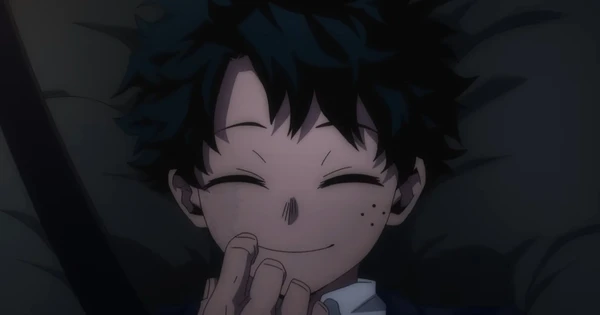
In contrast to Uraraka’s guilt-driven reticence, Izuku Midoriya grapples with a different form of emotional restraint. While his affection for Uraraka has been a recurring motif throughout the series, his intense focus on his heroic duties, particularly during the war, often overshadowed his personal romantic aspirations. The episode depicts Midoriya as someone who is now thriving professionally, having rapidly ascended through the hero rankings and successfully integrated his hero work with his teaching responsibilities. By all objective measures, he has achieved a state of considerable success and fulfillment.
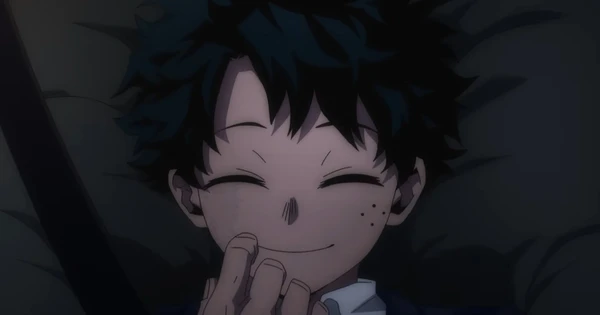
However, the episode, through the insightful commentary of Katsuki Bakugo, suggests that Midoriya’s current contentment might be a direct consequence of his past suffering. Having endured immense hardship, any semblance of a peaceful and happy existence may feel overwhelmingly positive, leading him to avoid seeking anything beyond this newfound stability. Bakugo’s pragmatic observation that Midoriya’s tendency to treat every positive experience as exceptionally special could, in fact, diminish their inherent value, serves as a crucial turning point. This perspective encourages Midoriya to consider his own desires beyond mere survival and comfort. It mirrors All Might’s earlier advice, urging Midoriya not to settle for less than he deserves and to recognize that he is indeed allowed to pursue personal happiness and fulfillment alongside his heroic responsibilities. This internal dialogue highlights the long-standing theme of Midoriya’s self-doubt and his struggle to accept his own worthiness of happiness.
The Nuance of Selflessness: A Barrier to Romance and a Path to Growth
The episode masterfully intertwines the personal journeys of Uraraka and Midoriya, revealing a shared characteristic that has perhaps contributed to their delayed romantic progression: an overwhelming degree of selflessness. Both characters have, in their own ways, constructed justifications for not actively pursuing a more fulfilling personal life. Uraraka’s guilt and sense of responsibility, and Midoriya’s ingrained habit of prioritizing duty and avoiding perceived selfishness, have created invisible barriers. This nuanced portrayal of their hesitations offers a surprisingly sophisticated exploration of why a central romantic pairing might not have materialized sooner, moving beyond simple plot devices to delve into psychological complexities.
Shoto Todoroki’s speech, a significant thematic anchor of the episode, touches upon the overarching themes of the series and this concluding chapter. His reflection on being a character in a preordained story, while ironically true in the context of narrative structure, emphasizes his personal journey of agency and choice. He argues that his current position is a direct result of his own decisions, underscoring the series’ core message that while external factors influence individuals, the future is ultimately shaped by the choices made with the opportunities presented. This sentiment of having faith in one’s choices and forging one’s own destiny resonates deeply, particularly as it applies to the personal resolutions of Midoriya and Uraraka.
A Selfish Act of Love: Embracing Happiness Together
The episode culminates in a pivotal moment where Midoriya and Uraraka make a decision that can be characterized as one of the most "selfish" choices they have made since embracing their heroic paths. Their mutual desire to spend more time with each other, amidst all the positive developments in their lives, is presented as a source of profound happiness. While the reviewer expresses a personal desire for a more overt display of affection, such as a kiss or a more explicit declaration of love, the scene of them holding hands is presented as an undeniable indicator of their burgeoning romantic relationship. This act signifies their willingness to acknowledge and prioritize their personal happiness, a significant step for characters who have historically struggled to accept joy when it is readily available.
The implications of this scene extend beyond a simple romantic development. It highlights a central message of My Hero Academia: the importance of mutual support, encouragement, and the creation of a world where heroes, after enduring immense struggle, can finally find solace and indulge in their own happiness. The series, through its exploration of grand battles and societal commentary, has consistently underscored the fundamental human need for connection and personal fulfillment. The episode suggests that true heroism also encompasses the courage to embrace happiness, to allow oneself to be supported, and to build a future where personal well-being is not a luxury but a fundamental right earned through sacrifice and perseverance. This conclusion offers a hopeful outlook, not just for the characters’ romantic future, but for the broader societal ideal of a world where heroes can finally find peace and personal contentment.
Rating: The episode, while lacking explicit romantic declarations, effectively conveys the emotional progress of its central characters and sets a promising stage for their future. Its strength lies in its nuanced exploration of guilt, self-doubt, and the courage required to embrace happiness.
My Hero Academia FINAL SEASON is currently streaming on Crunchyroll.