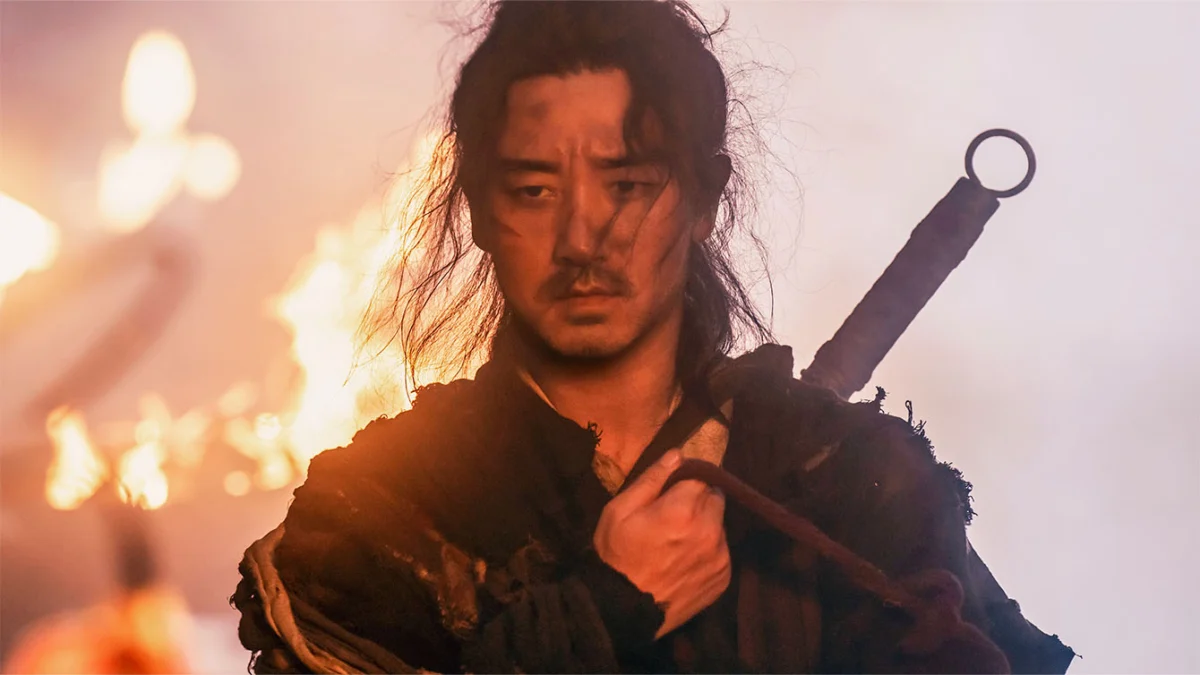
Liu Wenpu’s latest directorial effort, "The Butcher’s Blade," emerges as a significant entry in the contemporary landscape of martial arts cinema, offering a robust throwback to the genre’s hard-hitting, action-first traditions. Featuring a cast led by Liu Fengchao, Yuan Fufu, and Chunyu Shanshan, the film positions itself within a recent wave of productions that have successfully revitalized classic Wuxia and Kung Fu storytelling for modern audiences. Its digital debut on May 12, facilitated by Well Go USA Entertainment, marks its availability to a global viewership eager for authentic genre experiences.
The Resurgence of Wuxia and Martial Arts Cinema
The release of "The Butcher’s Blade" is not an isolated event but rather indicative of a broader resurgence in popularity for traditional martial arts and Wuxia films. This cinematic trend has seen a renewed appreciation for intricate choreography, compelling moral dilemmas, and narratives deeply rooted in Chinese cultural history. In recent years, titles such as "The Grandmaster of Kung Fu," "Twilight of the Warriors: Walled In," and "The Tai Chi Master" have garnered critical acclaim and commercial success, demonstrating a sustained demand for films that honor the genre’s legacy while often employing contemporary production values. These films collectively highlight a desire among audiences for narratives that prioritize physical prowess, honor, and justice, often against a backdrop of societal corruption or personal vendetta. "The Butcher’s Blade" aims to join this esteemed list, promising an action-packed Wuxia crime drama that resonates with the core tenets of its predecessors. The genre’s enduring appeal lies in its ability to blend mythological elements with grounded combat, creating a spectacle that transcends linguistic and cultural barriers.
Plot Overview: A Tale of Corruption and Redemption
At the core of "The Butcher’s Blade" lies a narrative steeped in classic Wuxia tropes: an honorable individual unjustly accused, forced to navigate a treacherous world to clear their name. The film introduces Xue Buyi, portrayed by Liu Fengchao, an upstanding constable whose integrity is tested when a substantial sum of disaster relief funds mysteriously vanishes. In a twist familiar to the genre, Xue is swiftly framed for the embezzlement, becoming a convenient scapegoat for a larger, more insidious corruption. This initial setup immediately plunges the protagonist into a desperate struggle, where his reputation, freedom, and very life are at stake.
To combat this injustice, Xue Buyi embarks on a perilous path, taking on a clandestine role within a secret squad. This elite, yet morally ambiguous, unit operates on the fringes of the law, its services available to those who can afford to pay for protection or retribution. This arrangement immediately presents Xue with a profound ethical dilemma: to achieve justice and reclaim his innocence, he must align himself with an organization whose principles contradict his own unwavering moral compass. The internal conflict between his personal integrity and the pragmatic necessity of his situation forms a crucial emotional anchor for the audience, drawing them into his plight. His decision to fight back is not merely an act of self-preservation but a principled stand against the agents of chaos and corruption that permeate the film’s world. This foundational conflict sets the stage for a series of confrontations, both physical and moral, as Xue endeavors to expose the true perpetrators and restore order.
Character Dynamics and Moral Dilemmas
The film’s narrative, while straightforward, efficiently introduces key characters who serve as catalysts and foils in Xue Buyi’s journey. Li Zhen, played by Yuan Fufu, is presented as a member of the secret squad, whose interactions with Xue generate significant narrative friction. Their dynamic is particularly highlighted by the ongoing mystery surrounding the stolen disaster relief funds. This tension serves not only to propel the plot forward but also to explore the different facets of justice and survival within a corrupt system. Li Zhen’s motivations and allegiances, initially ambiguous, gradually contribute to the unfolding intrigue, forcing Xue to question whom he can trust.
Further complicating Xue’s path is the introduction of Huang Shining, portrayed by Chunyu Shanshan, a new teacher who becomes a narrative anchor at the staff center. Huang Shining’s role appears to be one of subtle guidance or observation, potentially offering insights or challenges that further shape Xue’s understanding of the conspiracy. While the original article notes a potential lack of character depth beyond their immediate functions, their presence is instrumental in guiding Xue through the labyrinthine corridors of power and deception. The simple yet effective motivations assigned to these characters — whether driven by self-interest, duty, or a hidden agenda — are sufficient to fuel the plot, seamlessly transitioning from one intense action sequence to the next without unnecessary exposition. This focus on plot-driven character interactions, rather than extensive backstories, allows the film to maintain its brisk pacing and emphasize the unfolding mystery and combat.
The Art of Combat: Choreography and Set Pieces
The true distinguishing feature of "The Butcher’s Blade" lies in its meticulously crafted and exhilarating combat sequences. The film capitalizes on a roster of talented performers, including a robust ensemble of nameless guards and skilled stunt professionals, to stage a series of impressive battles. These confrontations unfold across a variety of evocative backdrops, from bustling city squares to serene temple grounds, each location meticulously utilized to enhance the visual and strategic aspects of the fights. The choreography is consistently praised for its top-tier execution, showcasing a blend of traditional Kung Fu techniques and dynamic Wuxia swordplay that feels both authentic and viscerally impactful.
Crucially, these action sequences are not mere filler but are intricately woven into the fabric of the story, serving to reinforce key narrative beats and advance the plot. Each fight scene feels purposeful, contributing to Xue Buyi’s journey of discovery and confrontation. Two particular standout sequences exemplify the film’s creative approach to action. The first involves a tense scrap with a government spy amidst hanging laundry. This environment provides a unique visual dynamism, with the flowing fabrics adding an element of concealment and unpredictability to the close-quarters combat. The second, and arguably more spectacular, is a creative swordfight set within a fireworks shop, where the merchandise detonates around the combatants. This sequence transforms the fight into a chaotic, visually stunning spectacle, with explosions and pyrotechnics adding a perilous layer to the already intense swordplay. The use of environmental hazards and props in such imaginative ways elevates these encounters beyond standard martial arts fare. The film’s finale is designed to maintain this high level of momentum, delivering thrilling weaponry work that cleverly ties back to earlier narrative setups, providing a satisfying culmination to the escalating conflict and showcasing the protagonist’s mastery of combat.
Filmmaking Philosophy: Action Over Narrative Depth
"The Butcher’s Blade" openly embraces an "action-first" mentality, a deliberate filmmaking choice that, while contributing significantly to its strengths, also presents certain limitations. This approach prioritizes visceral combat and rapid pacing over intricate narrative subplots or deep character exploration. The film’s straightforward plot exists primarily as a conduit, efficiently bridging the gaps between high-octane fistfights. For aficionados of traditional martial arts cinema, this focus on execution and spectacle is often a welcome attribute, delivering exactly what they seek in the genre: unadulterated, expertly choreographed combat.
However, this deliberate emphasis on action can be a double-edged sword. A primary drawback identified by some critics is a distinct lack of narrative depth. Without multiple subplots or extensive character development to break up the investigative dialogue and relentless action, many supporting characters risk feeling like placeholders. Audiences may find themselves with limited emotional investment in their fates, as little information is revealed about them beyond their immediate function within the plot. Furthermore, the sheer number of minor court figures and bureaucratic antagonists can make it challenging for viewers to consistently track specific allegiances or motivations, potentially leading to moments of confusion regarding the broader political landscape of the film. While this streamlined approach allows for relentless action, it may leave viewers accustomed to more complex storytelling wanting for greater emotional resonance and character nuance. This stylistic choice positions "The Butcher’s Blade" firmly within a subgenre that values kinetic energy and martial artistry above all else, appealing strongly to a specific segment of the audience.
Distribution and Accessibility: Well Go USA’s Role
The digital debut of "The Butcher’s Blade" on May 12, facilitated by Well Go USA Entertainment, underscores the evolving landscape of film distribution, particularly for international genre films. Well Go USA has established itself as a pivotal player in bringing a diverse range of Asian cinema, including martial arts, action, and horror titles, to Western audiences. Their strategic focus on digital releases ensures widespread accessibility, allowing a global fanbase to experience these films promptly and conveniently. This distribution model caters to the growing demand for on-demand content and acknowledges the niche but dedicated following that martial arts films command.
The decision to launch "The Butcher’s Blade" directly to digital platforms reflects current market trends, where streaming and digital rental/purchase options often precede or complement traditional theatrical runs for specialized content. This approach minimizes overhead costs associated with theatrical distribution while maximizing reach to an international audience that might not otherwise have access to such films. Well Go USA’s consistent track record in this segment speaks to their understanding of the market and their commitment to showcasing the rich tapestry of Asian cinematic talent. The digital release date positions the film for immediate engagement with its target demographic, leveraging the established fan bases for similar titles that have found success through digital channels.
The Enduring Appeal of Traditional Kung Fu Cinema
Ultimately, "The Butcher’s Blade" stands as a highly enjoyable, albeit largely one-note, genre piece. It effectively serves its purpose as a serviceable throwback to the golden age of martial arts cinema, excelling precisely in the domain it prioritizes: the action. For viewers seeking a complex narrative woven with intricate character arcs and deep philosophical explorations, the film’s streamlined approach might feel shallow. However, for dedicated fans of traditional Kung Fu and Wuxia cinema, its hard-hitting execution, impressive choreography, and relentless pacing will provide ample appreciation. The film’s strength lies in its unpretentious commitment to delivering exhilarating martial arts sequences, honoring the genre’s legacy with every punch, kick, and sword stroke.
Its contribution to the contemporary martial arts landscape is significant as it reinforces the viability and enduring appeal of this specific cinematic style. By focusing on core genre strengths, "The Butcher’s Blade" caters to a loyal audience while potentially introducing new viewers to the visceral excitement that traditional martial arts films offer. It is a testament to the timeless appeal of stories centered on justice, honor, and the extraordinary capabilities of the human body in combat. As the genre continues its resurgence, films like "The Butcher’s Blade" play a crucial role in maintaining its vitality, ensuring that the legacy of Wuxia and Kung Fu remains a dynamic and celebrated part of global cinema.