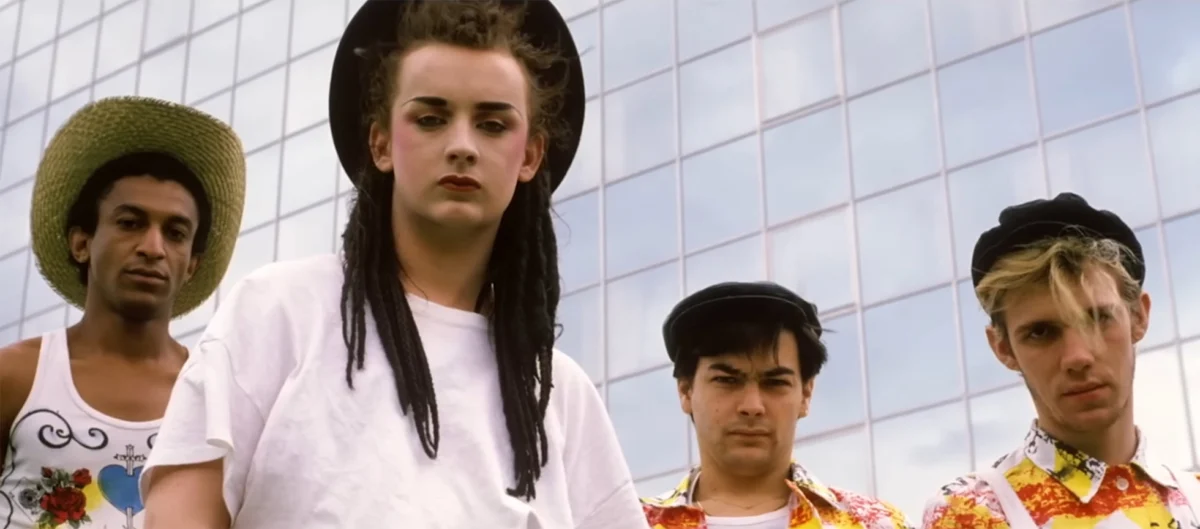
Boy George & Culture Club serves as the definitive cinematic exploration of one of the 1980s’ most influential musical ensembles, tracing their meteoric rise from the London club scene to global superstardom. Directed by acclaimed documentary filmmaker Alison Ellwood, the film has released its official trailer ahead of a scheduled limited theatrical run beginning June 9, 2026. This project aims to move beyond the traditional tropes of the music documentary genre, offering a candid, internal perspective on the band’s legacy, their internal fractures, and their enduring cultural footprint. Featuring participation from all four original members—George O’Dowd (Boy George), Jon Moss, Mikey Craig, and Roy Hay—the film provides an unfiltered look at the creative and personal dynamics that defined an era of pop music.
A New Perspective on 80s Pop History
The documentary arrives at a time of renewed interest in the "New Romantic" movement, a subculture that emerged in the United Kingdom in the late 1970s and early 1980s. Culture Club was at the vanguard of this movement, blending synth-pop and new wave with elements of soul, reggae, and rock. However, as the trailer suggests, the film’s primary focus is not merely on the hits, but on the human elements that fueled the band’s trajectory.
Unlike previous retrospectives that relied heavily on third-party commentary, this film utilizes direct testimony from the band members themselves. The narrative arc follows the group from their formation in 1981 through their peak years of "Culture Club-mania" and into the complexities of their later career. By centering the story on the "chaos, charisma, and enduring bond" of the members, Ellwood seeks to humanize figures who have often been reduced to their flamboyant public personas.
The Visionary Direction of Alison Ellwood
The selection of Alison Ellwood as director is significant given her established pedigree in the music documentary space. Ellwood has built a reputation for crafting nuanced portraits of iconic artists and musical movements. Her previous works include The Go-Go’s (2020), which received critical acclaim for its honest portrayal of the first all-female band to write their own songs and top the Billboard charts, and Cyndi Lauper: Let the Canary Sing (2023).

Ellwood’s approach often involves a deep dive into archival footage combined with contemporary interviews that challenge established myths. In Boy George & Culture Club, she employs a similar methodology, contrasting the glitz of 1980s music videos and concert footage with the starker, more reflective realities of the present day. Her involvement ensures a level of narrative sophistication that elevates the film from a promotional piece to a serious work of cultural history.
Contextualizing the New Romantic Movement
To understand the impact of Culture Club, one must understand the socio-political climate of early 1980s Britain. The country was navigating a period of economic austerity and social unrest. In this environment, the New Romantic scene—centered around London clubs like The Blitz—offered a form of escapism rooted in dandyism, gender-bending fashion, and electronic experimentation.
Culture Club was unique within this scene for its massive crossover appeal. While peers like Spandau Ballet and Duran Duran also achieved global fame, Culture Club brought a specific kind of visual and musical diversity to the mainstream. Boy George’s androgynous appearance was revolutionary for the time, challenging traditional notions of masculinity and identity on a global stage. The documentary explores how the band "challenged the status quo of 1980s Britain and the world," providing historical context for their stylistic choices.
Internal Dynamics: The George-Moss Relationship
One of the most anticipated aspects of the documentary is its treatment of the personal relationship between lead singer Boy George and drummer Jon Moss. For years, the romantic involvement between the two was a subject of tabloid speculation and, later, public admission. The tension and "heartbreak" stemming from this relationship are cited as both a primary creative engine and a source of the band’s eventual dissolution.
The trailer emphasizes that the film is a "love story about the undeniable fondness that flowed beneath the surface," but it does not shy away from the "drama" that nearly "burned it all to the ground." By including candid truths from both George and Moss, the film offers a rare look at how private intimacy and professional ambition can intersect and collide within a high-stakes industry.

Production and Festival Circuit Trajectory
The journey of Boy George & Culture Club to the big screen has been marked by a successful run on the international film festival circuit. The documentary saw its world premiere at the 2025 Tribeca Film Festival, where it was lauded for its "riotously fun and unexpectedly tender" tone. Following its North American debut, the film traveled to Europe, where it was featured at the Göteborg Film Festival in early 2026.
The production team includes a robust lineup of industry veterans. Produced by Trevor Birney and Andrew Tully, the film also features executive production from Ben Silverman and Howard Owens of Propagate Content, along with Natalia Nastaskin, Lawrence Mestel, and David Blackman. This high-level production backing suggests a significant investment in securing the rights to the band’s extensive catalog and high-quality archival materials.
Chronology of Culture Club’s Evolution
To provide a comprehensive view, the documentary follows a chronological structure that highlights key milestones in the band’s history:
- 1981: Formation and Early Success – The meeting of Mikey Craig, Jon Moss, Roy Hay, and Boy George, and the signing with Virgin Records.
- 1982: "Do You Really Want to Hurt Me" – The breakthrough single that topped charts in over a dozen countries and established Boy George as a household name.
- 1983: Colour by Numbers – The release of their multi-platinum second album, which featured "Karma Chameleon," a track that would go on to sell over five million copies worldwide.
- 1984-1986: Global Stardom and Strain – The pressures of constant touring, George’s highly publicized struggles with substance abuse, and the internal friction that led to their initial split in 1986.
- Reunions and Legacy – The various iterations of the band in the 1990s and 2000s, leading up to their current status as elder statesmen of the pop world.
Supporting Data and Industry Impact
The commercial impact of Culture Club is difficult to overstate. During their peak, the band sold more than 50 million records worldwide. In 1984, they won the Brit Award for Best British Group and the Grammy Award for Best New Artist. Their influence extended beyond sales figures; they were a cornerstone of the "Second British Invasion" of the United States, facilitated by the rise of MTV.
Industry analysts suggest that the release of Boy George & Culture Club fits into a broader trend of high-value music documentaries that serve as both entertainment and brand management for legacy acts. Recent successes in this genre have shown that theatrical releases, followed by premium streaming windows, can significantly boost an artist’s streaming numbers and introduce their catalog to younger demographics.

Broader Implications and Cultural Resonance
The documentary is being framed as more than just a music history lesson; it is described as a "deeply human story about creativity, perseverance, and cultural influence." In a modern landscape where gender identity and self-expression are at the forefront of social discourse, Boy George’s early-80s defiance remains strikingly relevant.
The film also serves as a study of the longevity of creative partnerships. Despite legal battles and public falling-outs over the decades, the four members’ willingness to participate in a shared narrative suggests a degree of reconciliation—or at least a mutual recognition of their shared history. As the Tribeca program notes, the film captures the "enduring bond" of a band that, against the odds, survived the volatility of the music industry.
Theatrical Distribution and Release Details
Vantage Media has secured the distribution rights for the film, opting for a targeted theatrical release strategy. Starting June 9, 2026, Boy George & Culture Club will debut in select US theaters. This strategy is designed to build word-of-mouth momentum among the band’s dedicated fanbase before a likely expansion or transition to digital platforms.
The summer 2026 release timing positions the documentary as a counter-programming option to the season’s typical blockbuster fare, appealing to adult audiences and fans of music history. With the trailer now circulating on platforms like YouTube, the anticipation for a definitive account of Culture Club’s "glitz and glam" is expected to grow. The film promises to be a comprehensive tribute to an era and an artist that redefined the visual and sonic boundaries of pop music.