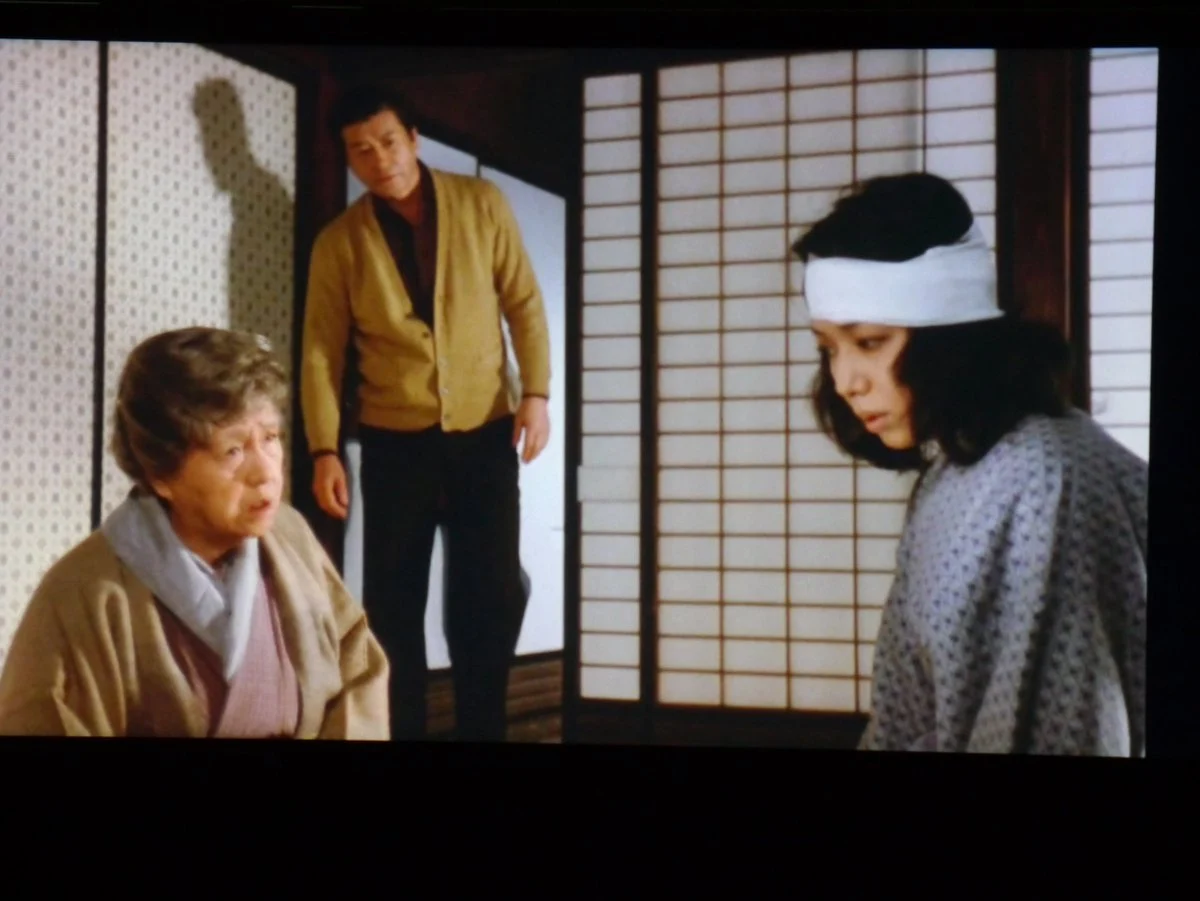
Released in Japan on September 20, 1980, the film Before Spring, originally titled in Japanese, marked a significant juncture in the history of Art Theatre Guild (ATG), one of Japan’s most influential independent film production and distribution companies. Directed and scripted by Hojin Hashiura, the production, a collaboration between Cinema Hout and ATG, was notable as the first project overseen by Shiro Sasaki following his ascension to ATG’s second presidency. This transition signaled a new chapter for the company, known for its pivotal role in fostering experimental and independent Japanese cinema. The narrative was meticulously brought to life through location shooting in the picturesque seaside towns of Ishikawa Prefecture, with the central family home filmed in a building designated as an important cultural property, imbuing the setting with historical weight and authentic character.
A New Era for Art Theatre Guild Under Shiro Sasaki
Art Theatre Guild, established in 1961, carved out a unique and indispensable niche in Japanese cinema by championing avant-garde, independent, and often challenging films that mainstream studios shied away from. Throughout the 1960s and 1970s, ATG became synonymous with artistic freedom, providing a crucial platform for emerging talents and auteur directors. Its output often explored complex social issues, psychological dramas, and unconventional narrative structures, shaping the landscape of Japanese independent cinema.
By 1980, ATG found itself at a crossroads. The Japanese film industry, like many global counterparts, was undergoing significant transformations. The traditional studio system had long been in decline, giving way to a more diversified production environment that included television and international co-productions. It was against this backdrop that Shiro Sasaki took the helm as ATG’s president. Sasaki’s leadership was anticipated to usher in a period of renewal, potentially balancing ATG’s unwavering commitment to artistic integrity with a strategic vision for its future sustainability and reach. Before Spring, as the inaugural production under his new leadership, therefore carried an implicit weight, signaling the direction and quality standards for the company’s next phase. Its release was not just another film premiere but a statement of intent for the new ATG era.
Authenticity and Atmosphere: The Ishikawa Prefecture Setting
The decision to film Before Spring entirely on location in the coastal towns of Ishikawa Prefecture, within the Hokuriku region, was a deliberate artistic choice that profoundly influenced the film’s atmosphere and thematic depth. The Hokuriku region, situated on the Sea of Japan side of Honshu, is renowned for its rugged coastlines, traditional fishing villages, and distinct cultural heritage. This geographical isolation and strong sense of community, often tinged with a conservative outlook, made it an ideal backdrop for a story exploring societal disruption and hidden tensions.
The specific use of an "important cultural property" for the central family house further anchored the film in a tangible sense of history and tradition. In Japan, an Important Cultural Property (重要文化財, jūyō bunkazai) is a designation given by the government to tangible cultural assets deemed of exceptional artistic or historical value. Filming within such a structure lent the film an unparalleled level of authenticity, suggesting a lineage of inhabitants and ingrained customs that directly informed the narrative. The aged wood, traditional architectural elements, and established layout of the house visually reinforced themes of inheritance, rigid social hierarchies, and confinement, creating a palpable contrast with the expansive, untamed sea. This meticulous attention to setting transformed the physical environment from a mere backdrop into an active participant in the unfolding drama, echoing the characters’ struggles with their past and their inability to escape their present circumstances.
Narrative Unveiling: The Stranger’s Disruption
The core of Before Spring‘s narrative revolves around the dramatic disruption introduced into a well-established, old family in a coastal Hokuriku town. The story unfolds primarily through the observant eyes of Iyo Ujima, a teenage girl whose innocence is gradually eroded by the events she witnesses. Her father, Riichiro, a prominent figure in the household, discovers an unconscious woman washed ashore. His decision to bring her into the family home, seemingly an act of compassion, immediately sets off a chain reaction that unravels the household’s delicate equilibrium.
Upon waking, the woman is found to have lost her memory, rendering her an enigma and a blank canvas onto which the family members project their own unresolved desires, fears, and frustrations. Her presence acts as a catalyst, awakening long-dormant tensions among the adults and forcing Iyo to confront a complex world of desire, guilt, pity, and frustration that she is still too young to fully comprehend. The film thus employs the classic cinematic trope of a stranger entering a secluded community to disrupt its settled order, a narrative device frequently seen in Japanese cinema to explore societal norms and individual vulnerabilities.
Thematic Resonance: Desire, Guilt, and Coming-of-Age
Hojin Hashiura’s direction and script delve deeply into the psychological landscape of his characters. The amnesiac woman is not merely a mystery to be solved; instead, her memory loss functions as a powerful mirror, reflecting the emotional evasions and suppressed conflicts of those around her. The adults, unable or unwilling to confront their own inner turmoil, project their needs and anxieties onto this vulnerable newcomer.
Riichiro, the father, initially driven by what appears to be kindness, soon begins to view the woman with a disturbing lust, highlighting the darker facets of human desire. His adopted brother, Yukio, Iyo’s uncle, who maintains a relationship with a local bar hostess named Sachio, also develops a peculiar curiosity towards the woman, eventually taking on a self-appointed role as her "savior." This dynamic creates a complex web of attraction, suspicion, and rivalry within the family.
Iyo, caught in the crosscurrents of these adult emotions, observes with a mixture of childlike curiosity, dawning suspicion, and burgeoning understanding. Her coming-of-age is not marked by a singular, dramatic event but by a gradual accumulation of impressions – a slow, often painful, process of recognizing the hidden truths and contradictions that structure the adult world. Furthermore, the film subtly introduces the idea that Iyo herself carries an unresolved trauma from her past, a burden that mysteriously seems to resonate with the amnesiac woman’s own unknown history, adding another layer of psychological complexity. This parallel trauma suggests a shared human vulnerability and the enduring impact of past experiences.
Community Dynamics and Societal Commentary
Beyond the immediate family, Before Spring extends its critical gaze to the broader community. The isolated coastal town, typical of many traditional Japanese villages, is depicted as being governed by a potent mix of gossip, curiosity, and a general inability to readily accept anything new. While a sense of communal support can exist, the arrival of the mysterious woman intensifies the negative aspects of village life. She quickly becomes the subject of fervent speculation and rumor, her presence a potent source of town-wide theories.
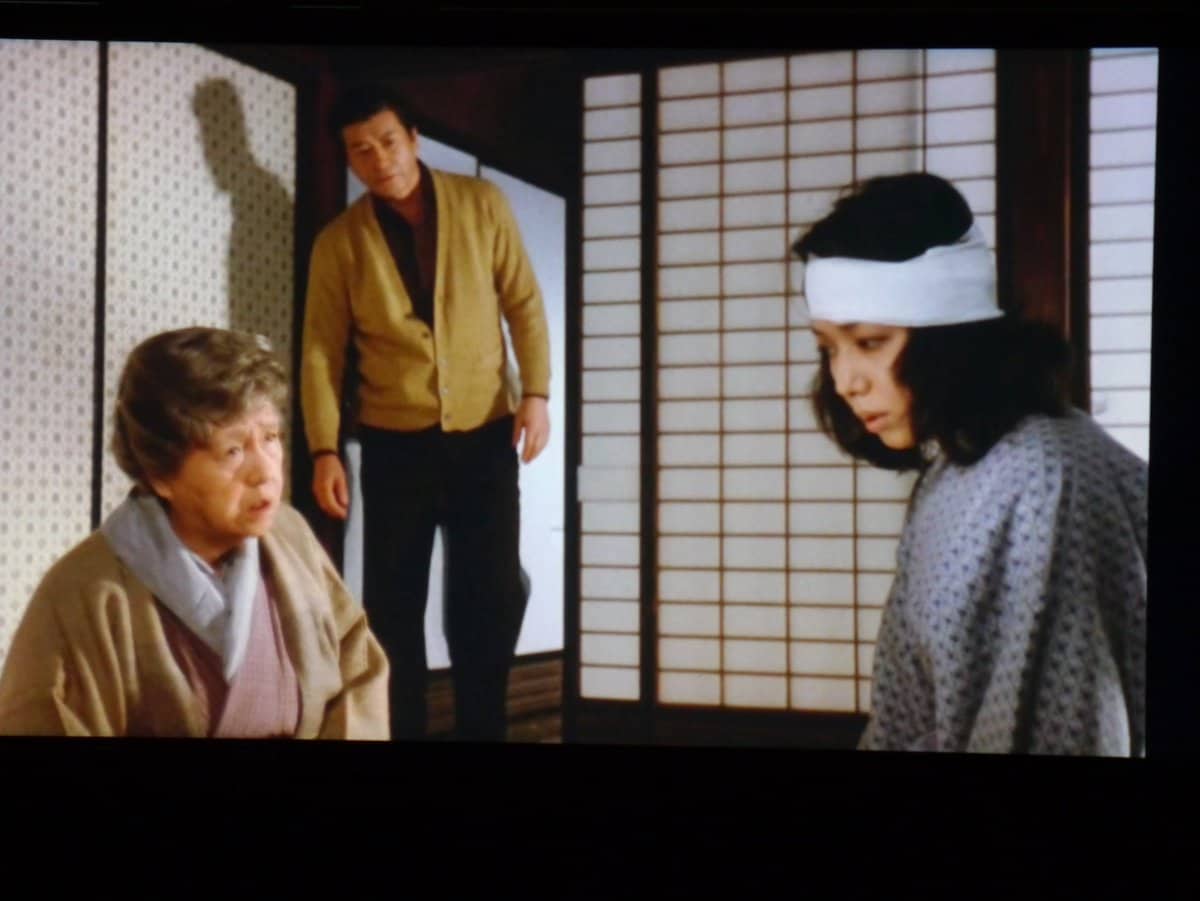
This intrusion disrupts the community’s fragile equilibrium, driving long-buried tensions and secrets to the surface. Riichiro’s instinctive, often questionable, behavior towards the woman, coupled with the re-emergence of Iyo’s own trauma, highlights how external events can expose internal vulnerabilities within both individuals and the collective. Hashiura injects a distinct "Japan of the 70s twist" into the classic "stranger" narrative, suggesting that the newcomer is not merely observed but becomes an object of various forms of exploitation, reflecting a cynical view of human nature and societal opportunism that resonated with the era’s critical introspection.
Cinematic Craftsmanship: Sea, House, and Atmosphere
The film’s power is significantly amplified by its masterful cinematic craftsmanship, particularly Hiroshi Segawa’s cinematography and the symbolic interplay of its settings. The seaside environment is not merely a backdrop but a crucial thematic element. The title itself, Before Spring, evokes the sounds of the tide and the cyclical rhythm of nature, mirroring the characters’ struggles with inescapable patterns of behavior and emotion. The constant presence of the sea, with its endless ebb and flow, provides a powerful metaphor for return and repetition, suggesting the characters’ inability to escape the suppressed aspects of their lives. The waves seem to echo the emotional currents that surge and recede within the family home.
Segawa’s lens captures these settings with striking versatility, presenting them as both shelters and prisons. The images of the sea, in particular, are deployed in various moods – appearing calm and serene in one moment, ominously turbulent in another, or even suffocatingly vast, representing an insurmountable obstacle that traps the characters within their immediate environment. This visual duality highlights the institutionalization often associated with close-knit communities, where the very forces that offer protection can also impose severe limitations.
In stark contrast to the dynamic, ever-changing sea stands the old family house. With its historical weight, rigid structure, and confined spaces, it embodies inheritance, hierarchy, and entrapment. It represents the immovable past, the ancestral legacy, and the social constraints that bind the family members. The tension generated between these two opposing forces – the sea symbolizing movement and potential escape, and the house symbolizing enclosure and inescapable fate – forms much of Before Spring‘s profound atmospheric power. The film’s strongest emotions frequently emanate not from overt dialogue or dramatic action, but from what remains suspended in the atmosphere, subtly conveyed through visual storytelling.
Editing and Narrative Pacing
Makoto Arai’s editing plays a critical role in shaping the film’s narrative rhythm. The drama is allowed to unfold patiently, with a deliberate pace that enables the audience to absorb the nuanced psychological shifts and simmering tensions. While this measured approach occasionally results in moments of slight lagging, it generally serves the film’s introspective nature.
Arai’s most competent editorial choices are evident in the transitions to characters’ imaginations, dreams, or fragmented memories of their past. These sequences are skillfully integrated, effectively breaking the linear narrative rhythm and providing crucial insights into the characters’ inner lives. They offer a temporary relief from the often-repetitive and claustrophobic daily life of the village, adding layers of depth and psychological complexity. However, the decision to introduce an imaginative element into the film’s finale, which otherwise builds towards a potentially shattering dramatic climax, has been noted as a less ideal choice. While offering a unique artistic flourish, it potentially dilutes the raw emotional impact that a more straightforward conclusion might have delivered.
Performances of Note
The compelling performances by the principal cast are instrumental in conveying the film’s intricate emotional landscape.
Keiko Oginome as Iyo: Oginome delivers a remarkable performance as Iyo, imbuing the teenage girl with an exceptional quality of alertness and quiet dignity. Even when she is not directly controlling the action, her presence remains central, as the camera frequently emphasizes her role as an observer. Oginome masterfully portrays Iyo’s journey through a slow accumulation of impressions rather than a single decisive event, capturing the subtle shifts from innocence to a dawning, often unsettling, understanding of the adult world. Her portrayal of Iyo’s inherited trauma, manifesting on occasion, provides some of the film’s most powerful and poignant moments, underscoring the deep psychological scars that linger within the family.
Ryo Ikebe as Riichiro: Veteran actor Ryo Ikebe brings a compelling blend of restraint and ambiguity to the character of Riichiro. He skillfully embodies a figure capable of both seemingly benevolent acts and disturbing desires, maintaining an enigmatic quality until his true colors are revealed. Ikebe’s performance is particularly effective in its quietness, allowing the viewer to grapple with Riichiro’s complex motives—whether his actions stem from genuine kindness, profound loneliness, underlying guilt, or burgeoning lust. This nuanced portrayal prevents the character from becoming a simple antagonist, instead presenting him as a multifaceted individual caught in his own internal conflicts.
Karin Yamaguchi as the Amnesiac Woman: Karin Yamaguchi faces the challenging task of portraying a character who is simultaneously a person and a symbol. Her performance adeptly leans into this inherent instability, presenting the woman as both profoundly vulnerable due to her memory loss and inherently disruptive to the established order. She is almost a blank slate in one sense, yet emotionally dangerous in another, embodying the mythical archetype of a siren—a captivating presence that lures others towards their hidden desires and ultimate undoing. Yamaguchi’s nuanced acting ensures that the woman remains an object of fascination and a catalyst for the film’s central conflicts.
Legacy and Critical Reception
Before Spring stands as a potent example of Art Theatre Guild’s commitment to independent and thought-provoking cinema. While specific contemporary critical statements from 1980 might be scarce in readily available archives, the film’s thematic depth, artistic ambition, and the context of its production under Shiro Sasaki suggest it would have been recognized within cinephile circles as a significant contribution to Hashiura’s filmography and ATG’s legacy. Its exploration of complex human desires, the insidious nature of community gossip, and the quiet psychological turmoil within a family, all set against a richly atmospheric backdrop, resonates with the best of Japanese independent cinema.
The film’s deliberate ambiguity, particularly the director’s choice to focus on the disruptive impact of the newcomer rather than her background, is both a defining trait and a point of artistic contention. However, this approach ultimately serves to heighten the film’s exploration of human projection and the internal struggles of the existing characters. The enduring quality of its cinematography, the compelling performances, and its astute analysis of human psychology within a specific cultural setting ensure that Before Spring remains a film of considerable artistic merit, deserving of continued appreciation within the canon of Japanese independent cinema. It is a testament to the power of a single, mysterious presence to unravel the hidden fabric of a community and expose the unspoken truths beneath its surface.