The Short Shorts Film Festival & Asia (SSFF & ASIA), recognized as one of the world’s preeminent platforms for short-form cinema and an Academy Award-accredited event, has officially revealed its highly anticipated 2026 lineup. From an unprecedented pool of over 5,000 submissions originating from more than 120 countries and regions worldwide, the festival’s discerning jury has curated approximately 250 titles, promising a diverse and innovative cinematic experience. Set to captivate audiences across various venues in Tokyo from May 26 to June 9, with an extended online component running until June 30, SSFF & ASIA 2026 reaffirms its pivotal role as a global nexus for both burgeoning talent and established luminaries in short filmmaking.
A Legacy of Innovation: SSFF & ASIA’s Enduring Influence
Since its inception in 1999, founded by actor and filmmaker Tetsuya Bessho, the Short Shorts Film Festival & Asia has steadily grown in stature to become a cornerstone of the international film festival circuit. Initially launched with the vision of introducing short films, then a relatively niche format in Japan, to a wider audience, the festival rapidly gained traction. Its accreditation by the Academy Awards in 2004 marked a transformative moment, elevating SSFF & ASIA to an elite tier of festivals whose winners automatically qualify for Oscar consideration. This distinction not only amplified its global profile but also cemented its status as a crucial launchpad for filmmakers aspiring to reach cinema’s highest accolades. Over the past two decades, the festival has consistently showcased films that have gone on to receive Oscar nominations and wins, solidifying its reputation as a vital conduit for discovering and nurturing cinematic talent. The festival’s enduring mission revolves around celebrating the art of short storytelling, fostering cultural exchange, and exploring the evolving landscape of film as a medium. Its consistent growth in submissions and attendance underscores a broader global trend: the increasing recognition of short films as a powerful, versatile, and often experimental form of artistic expression, serving both as a stepping stone for feature directors and an end in itself for dedicated short filmmakers.
"Cinema Engineering": A Vision for the Future of Storytelling
Central to the 2026 edition is the overarching theme, “Cinema Engineering,” a concept designed to delve into the intricate and ever-evolving relationship between technological advancements, innovative storytelling methodologies, and the nuances of human perception. This theme reflects a growing discourse within the film industry about how new tools, from artificial intelligence to virtual production techniques, are not merely altering the technical aspects of filmmaking but fundamentally reshaping narrative structures and audience engagement. Festival organizers describe "Cinema Engineering" as an invitation to explore how filmmakers are "architecting" cinematic experiences, pushing the boundaries of what is possible on screen and how stories can resonate with audiences in unprecedented ways.
It is expected that Tetsuya Bessho, President of SSFF & ASIA, will articulate the profound implications of this theme. "Our chosen theme, ‘Cinema Engineering,’ serves as a strategic framework to examine how the very fabric of cinema is being re-engineered," Bessho might comment. "It’s about understanding how technological innovation can be harnessed to deepen narrative impact, create more immersive sensory experiences, and ultimately, enhance our human connection to the stories we tell. This year, we spotlight creators who are not just telling stories, but actively constructing new realities for their audiences." This focus aligns with global trends witnessing a rapid integration of advanced technologies into the creative process, prompting filmmakers to rethink traditional cinematic paradigms.
A Global Showcase: The 2026 Selection Highlights
The selection process for SSFF & ASIA is famously rigorous. With over 5,000 submissions vying for approximately 250 coveted slots, the acceptance rate hovers around 5%, underscoring the intensely competitive nature and the high artistic bar set by the festival. This year’s lineup is a testament to the global reach and quality of contemporary short filmmaking, featuring a compelling blend of established masters and exciting new voices from every corner of the world.
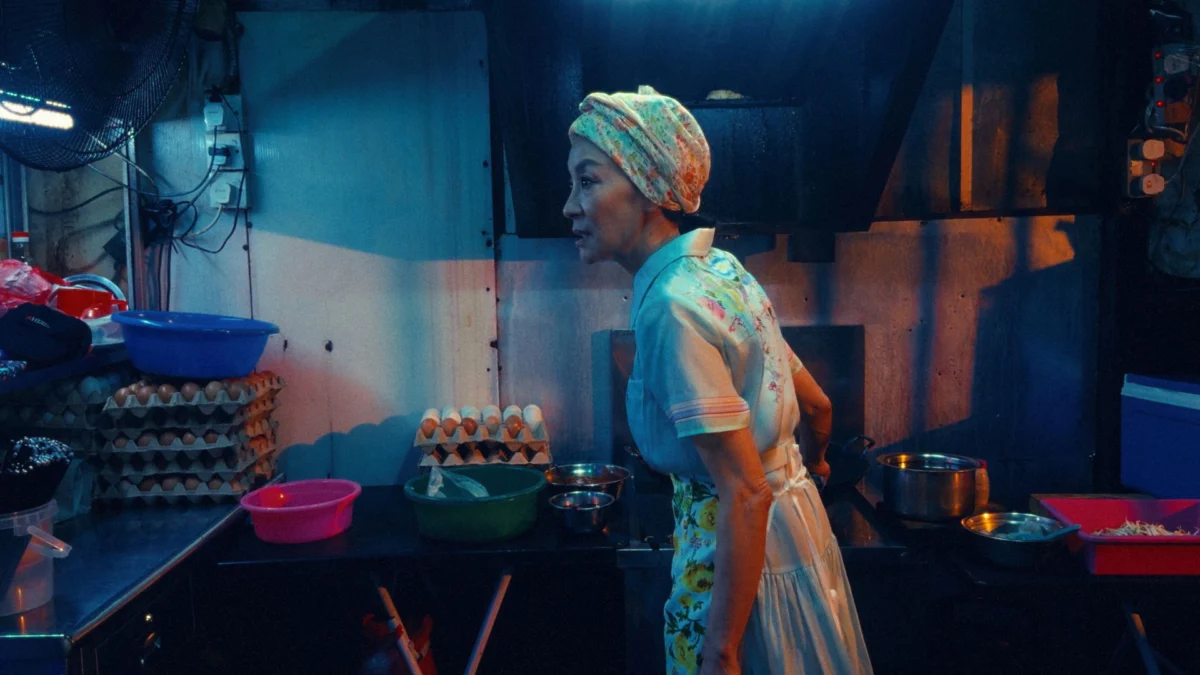
Among the most anticipated entries is the directorial debut in animation by Academy Award-winning actress Renée Zellweger, signaling a fascinating creative pivot for the renowned performer. Equally noteworthy is "How to Shoot a Ghost," the latest poetic work from the critically acclaimed screenwriter and director Charlie Kaufman, known for his uniquely surreal and introspective narratives. The program also features "Sandiwara," a special screening directed by the celebrated independent filmmaker Sean Baker, starring the iconic Michelle Yeoh. Yeoh’s involvement extends further, as she also appears as a producer in "Nak Muay," a film that promises to highlight the robust and diverse storytelling emerging from Southeast Asia. These high-profile contributions underscore the growing allure of short films as a creative outlet for major industry figures, offering a space for experimentation outside the constraints of feature film production.
The undeniable influence of the Korean Wave continues to make its mark on global cinema, with SSFF & ASIA 2026 featuring several prominent works from South Korea. Horror enthusiasts can look forward to "4:44: Time of Fear," starring Onew from the globally popular K-pop group SHINee, a production that is expected to blend psychological tension with contemporary social commentary. Another significant entry is the suspense-driven "Night Fishing," produced by Son Suk-ku, an actor who has gained considerable acclaim for his roles in both film and television. These selections reflect the burgeoning strength and artistic diversity of Korean content beyond its mainstream dramas and pop music, showcasing its prowess in genre filmmaking.
The Japanese competition, a perennial highlight, strikes a delicate balance between traditional cinematic sensibilities and bold innovation. Projects such as "mopim," starring the versatile actors Joe Odagiri and Kasumi Arimura, are anticipated to offer nuanced character studies or poignant social observations. Meanwhile, "Mortals at the Cliff," penned by the acclaimed comedian and novelist Naoki Matayoshi, promises a narrative depth characteristic of his literary work, often exploring themes of human frailty and existential pondering. These Japanese entries are crucial for reflecting the unique cultural narratives and artistic trends within the host country’s vibrant film industry.
Empowering Diverse Voices: A Focus on Emerging Talent and Inclusivity
A defining characteristic of the 2026 festival is its emphatic emphasis on emerging talent, particularly evidenced by a noticeable surge in submissions from younger filmmakers, many of whom are in their twenties. This demographic trend suggests a new generation is finding accessible pathways into filmmaking, often leveraging digital tools and platforms to tell stories that resonate with contemporary global issues. Their narratives frequently tackle pressing societal concerns, from climate change and political unrest to mental health and digital isolation, offering fresh perspectives on the challenges of the modern world.
Crucially, the festival’s commitment to diversity is profoundly reflected in its statistics: female directors account for over half of the entries in several key sections. This significant representation is further highlighted by strong participation from regions traditionally underrepresented in global cinema, such as Iran, Kurdistan, and Azerbaijan. This demographic shift is not merely statistical; it signals a broader, more inclusive movement in global storytelling, where varied cultural perspectives and lived experiences are gaining platforms. Such representation enriches the cinematic landscape, offering audiences a mosaic of human experience that challenges dominant narratives and promotes cross-cultural understanding. The festival’s dedicated programs exploring gender, identity, and LGBTQ+ perspectives, alongside youth-oriented initiatives like the U-25 Project, further underscore its unwavering commitment to fostering an equitable and diverse cinematic ecosystem. Festival organizers are likely to emphasize that "the future of cinema is inherently diverse, and we are proud to amplify voices that challenge, inspire, and reflect the true breadth of human experience."
Beyond the Screen: Experiential Programs and Technological Frontiers
SSFF & ASIA 2026 transcends traditional film screenings by introducing an array of Special Programs designed to offer immersive and interdisciplinary experiences. These initiatives are carefully crafted to connect diverse cultural perspectives through sensory and experiential approaches, pushing the boundaries of what a film festival can offer.
The "Culinary Program: Memories of Flavor" and the "Art Program" stand out for their innovative focus on sensory immersion. These programs invite audiences to engage with cinema through taste, sound, and spatial interaction, moving beyond purely visual consumption. Unique screening environments, including those held in traditional tatami settings, are designed to enhance the cultural and emotional resonance of the films, creating a holistic viewing experience. This experiential approach aims to forge deeper connections between the art and the audience, transforming passive viewing into active participation.
In a pioneering move, the festival introduces an expanded AI-focused initiative, developed in collaboration with the World AI Film Festival Japan. This program will showcase works that ingeniously integrate AI-generated music, visual elements, and even narrative components, highlighting a rapidly growing trend in cinematic experimentation. The integration of AI in filmmaking raises profound questions about authorship, creativity, and the future of artistic expression, positioning SSFF & ASIA at the forefront of this evolving dialogue. The festival aims to not only showcase these technological marvels but also to spark discussions on the ethical and creative implications of AI in cinema.
Further thematic sections include the "Focus on Africa" program, which spotlights emerging industries and talent from across the continent. This initiative is vital for providing international visibility to African filmmakers, fostering collaborations, and recognizing the continent’s rapidly developing cinematic landscape. The "Cinematic Tokyo Program," developed in partnership with the Tokyo Metropolitan Government, continues its mission to promote the vibrant city through short-form storytelling, showcasing Tokyo as both a dynamic backdrop and an endless source of inspiration for filmmakers. These diverse programs collectively reinforce SSFF & ASIA’s role as a platform for cultural diplomacy and artistic exploration, reflecting a truly global and forward-thinking vision for the medium.
The Road to the Oscars: A Crucial Launchpad
As an Academy Award-qualifying event, SSFF & ASIA continues to serve as an indispensable gateway for short filmmakers to the most prestigious awards in cinema. The festival’s winners across five major competitive categories—Live Action (International), Live Action (Asia International), Live Action (Japan), Animation, and Non-Fiction—become eligible for nomination at the following year’s Academy Awards. This direct pathway to Oscar consideration imbues the festival with significant weight, making it a critical stop for filmmakers aiming for global recognition.
The festival’s top honor, the coveted George Lucas Award, is selected from among these category winners. Named after the legendary filmmaker, this award not only bestows immense prestige but also offers a significant career milestone for participating filmmakers. Winning at SSFF & ASIA can dramatically elevate a filmmaker’s profile, opening doors to funding, distribution, and collaborations that might otherwise be inaccessible. Many past winners have leveraged their success at the festival to secure representation, develop feature projects, and establish themselves as prominent voices in the global film industry. The festival’s role as a talent incubator and career accelerator is therefore one of its most profound contributions to the cinematic world.
Broader Implications and The Future of Short Cinema
SSFF & ASIA 2026, with its extensive programming, technological foresight, and strong industry positioning, once again underscores the profound significance of short films as a dynamic and evolving medium. The festival acts as a crucial barometer for global cinematic trends, reflecting shifts in storytelling, technological integration, and the demographics of filmmaking talent. By seamlessly combining cutting-edge technological innovation with deeply human-centered storytelling, SSFF & ASIA not only offers a comprehensive snapshot of the current state of global cinema but also boldly points toward its future directions.
The increasing accessibility of filmmaking tools, coupled with global digital distribution platforms, has democratized the art form, allowing more voices than ever to be heard. Short films, once primarily seen as calling cards for feature directors, are now recognized as a powerful artistic medium in their own right, capable of exploring complex themes with brevity and intensity. SSFF & ASIA’s commitment to "Cinema Engineering" and its diverse special programs demonstrate an understanding that the future of cinema is interdisciplinary, experiential, and globally interconnected. As the world continues to grapple with rapid technological advancements and evolving social landscapes, festivals like SSFF & ASIA are essential in guiding the narrative, ensuring that human stories remain at the heart of cinematic innovation, fostering cultural dialogue, and inspiring the next generation of filmmakers to engineer new possibilities for the moving image.