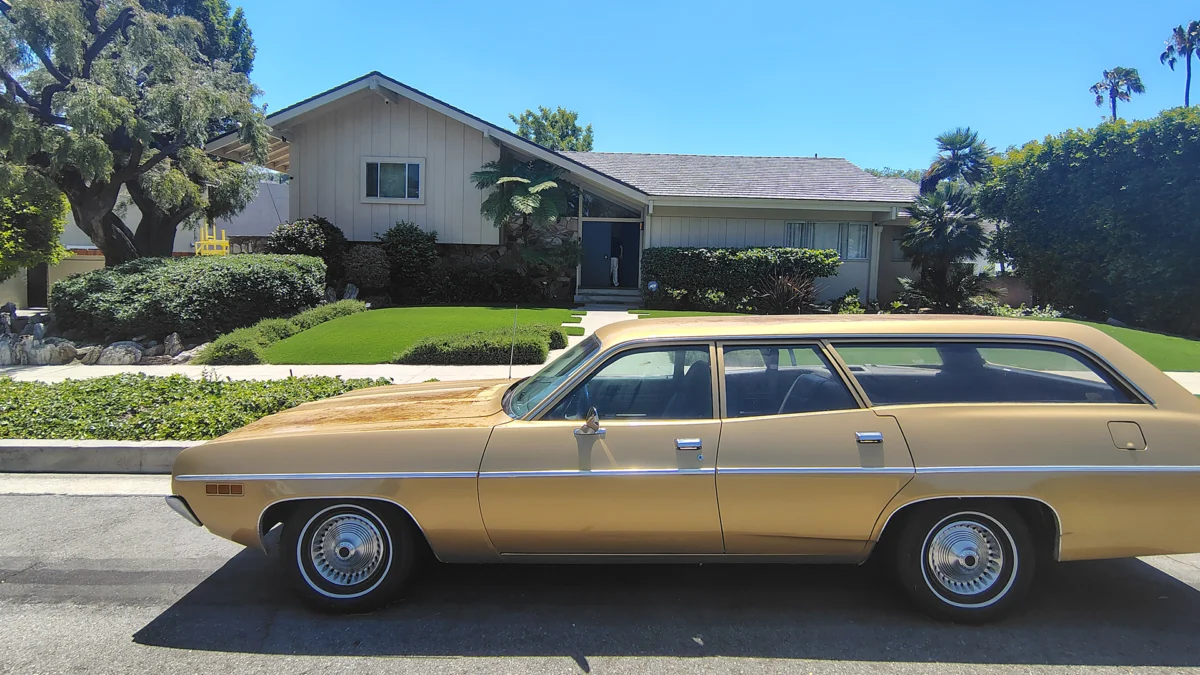
The Los Angeles City Council has officially designated the residence famously known as The Brady Bunch house as a Historic-Cultural Monument, ensuring the long-term preservation of one of the most recognizable facades in American television history. This landmark decision arrives as the property’s current owner, Tina Trahan, prepares to open the doors of the Studio City home to the public for a strictly limited engagement titled "The Brady Experience." Running from May 11 through July 17, this event offers a rare opportunity for enthusiasts to step inside a meticulously reconstructed interior that mirrors the soundstage sets used in the beloved 1969–1974 sitcom. Tickets for the walkthrough are priced at $289.75 per person, with a significant portion of the proceeds earmarked for Wags and Walks, a prominent dog rescue organization operating in both Los Angeles and Nashville.
The Path to Historic-Cultural Monument Status
The designation of the property at 11222 Dilling Street as a Historic-Cultural Monument represents the culmination of a multi-year effort to protect the site from demolition or significant structural alteration. While the house was built in 1959, its cultural significance stems almost entirely from its selection by Paramount Studios as the exterior "establishing shot" for the home of the fictional Brady family. For decades, the residence remained a private home, with its interior bearing no resemblance to the open-plan, split-level design seen on television.
The Los Angeles City Council’s vote underscores a shift in how the city evaluates historical significance, increasingly weighing cultural and media impact alongside architectural merit. Councilmember Nithya Raman, whose district includes Studio City, has been a vocal proponent of recognizing the site’s role in the collective memory of the American public. The designation subjects any proposed changes to the property’s exterior to rigorous review by the Office of Historic Resources, effectively freezing the iconic facade in time. This legal protection ensures that the quintessential "suburban ideal" represented by the home remains intact for future generations.
A Chronology of the Iconic Property
The journey of the Dilling Street house from a standard mid-century suburban residence to a protected landmark is marked by several pivotal transitions. Understanding this timeline provides context for the current public interest and the high valuation of the property.
1959–1968: The Pre-Television Era
The house was constructed in 1959 as a modest ranch-style home. It was purchased by the McCallister family in 1973, who resided there for over four decades. During the filming of The Brady Bunch, the production team only utilized the exterior, adding a fake window to the front to create the illusion of a second story, which the actual house did not possess at the time.
2018: The HGTV Acquisition and Renovation
When the property went on the market in 2018 for the first time in 45 years, it sparked a high-profile bidding war. While celebrities such as Lance Bass expressed interest, the cable network HGTV ultimately secured the property for $3.5 million—nearly double the asking price. The network then launched the series A Very Brady Renovation, which saw the original cast members collaborate with designers to gut the interior and expand the footprint. The goal was to recreate the 1970s Paramount Stage 5 sets with 100% accuracy inside the real house.
2023: The Transition to Tina Trahan
Following the completion of the renovation and the subsequent promotional cycle, HGTV sold the home in September 2023 for $3.2 million. The buyer, collector and philanthropist Tina Trahan, expressed a desire to treat the home more as a "piece of art" or a "museum" rather than a primary residence. Trahan’s acquisition set the stage for the current charitable initiatives and the push for official historic status.
The Brady Experience: Logistics and Charitable Impact
The upcoming "Brady Experience" is designed as a curated walkthrough rather than a standard open house. Given the residential nature of the Studio City neighborhood and the historic status of the building, the event is being managed with strict logistical oversight to minimize disruption to the local community.
The entry fee of $289.75 has been positioned as a premium "philanthropic ticket." This pricing model reflects both the exclusivity of the event and the operational costs of maintaining a high-traffic museum-quality environment within a residential zone. A portion of these funds will support Wags and Walks, an organization dedicated to reducing euthanasia rates by rescuing at-risk dogs and placing them in forever homes. This partnership aligns the nostalgic "family values" associated with The Brady Bunch with a contemporary social cause, providing a tangible community benefit from the property’s fame.
Visitors to the experience will encounter the famous floating staircase, the bright orange and green kitchen, and the Jack-and-Jill bathroom shared by the six Brady children. Every detail, from the horse statue in the living room to the specific floral patterns of the wallpaper, was sourced or custom-made to match the original 1970s production design.
Supporting Data and Real Estate Context
The valuation and historical designation of the Brady house highlight broader trends in "nostalgia real estate" within the Los Angeles market. The $3.2 million sale price in 2023, while lower than HGTV’s initial purchase price, remains significantly higher than the average price per square foot for comparable non-televised homes in Studio City.
According to real estate data, the "Brady House" carries a "celebrity premium" that fluctuates based on media exposure. The historic designation adds a layer of complexity to its market value. While it limits the pool of buyers to those willing to maintain a landmark, it also ensures the property remains a "one-of-a-kind" asset. In the Los Angeles area, homes associated with iconic media—such as the Thriller house in Angelino Heights or the Happy Days house—frequently see increased foot traffic, which local authorities must balance against the rights of property owners and neighbors.
Analysis of Implications: Culture vs. Preservation
The granting of historic status to a house primarily famous for its appearance in a sitcom raises important questions about the criteria for preservation in the 21st century. Traditionally, historic status was reserved for homes designed by master architects or those where significant historical figures lived. However, the Los Angeles City Council’s decision acknowledges that television and film are the primary exports of the city, and the "sets" of these productions are the modern equivalent of historic battlefields or civic buildings.
From a sociological perspective, the Brady house represents a specific era of American domesticity. By preserving the facade and allowing the interior to exist as a replica of a fictional space, the city is effectively preserving a piece of American mythology. For Tina Trahan, the owner, the historic status serves as a validation of her investment and her stated goal of preventing the home from being replaced by a modern "mansionization" project, a common fate for older homes in Studio City.
Community and Official Responses
The response to the historic designation and the announcement of the "Brady Experience" has been largely positive, though it remains tempered by neighborhood concerns. Residents of Dilling Street have, for decades, dealt with "lookie-loos" and tourists stopping to take photographs. The formalization of the home as a landmark and an organized tour venue is seen by some as a way to regulate this interest.
In a statement following the City Council’s decision, supporters noted that the home is a "physical touchstone" for a generation of viewers. City officials emphasized that the designation does not turn the home into a permanent museum—which would require different zoning—but it does ensure that the "face" of the home remains unchanged. Tina Trahan has reiterated her commitment to being a "custodian" of the property, stating that her intent is to share the home with the fans who have kept the show’s legacy alive for over fifty years.
Conclusion and Future Outlook
As "The Brady Experience" prepares to launch this May, the property stands as a unique intersection of private ownership, public nostalgia, and municipal law. The historic status granted by the Los Angeles City Council ensures that even after the limited-run tours conclude in July, the silhouette of 11222 Dilling Street will remain a permanent fixture of the Los Angeles landscape.
The success of the upcoming event and the continued preservation of the site may serve as a blueprint for how other "media landmarks" are handled in the future. By combining historical preservation with charitable giving and controlled public access, the current administration of the Brady house seeks to balance the intense public interest in the property with the practical realities of urban preservation and neighborhood harmony. For the fans who secure a ticket, the experience represents a once-in-a-lifetime chance to cross the threshold into a televised dream that has been meticulously brought to life.