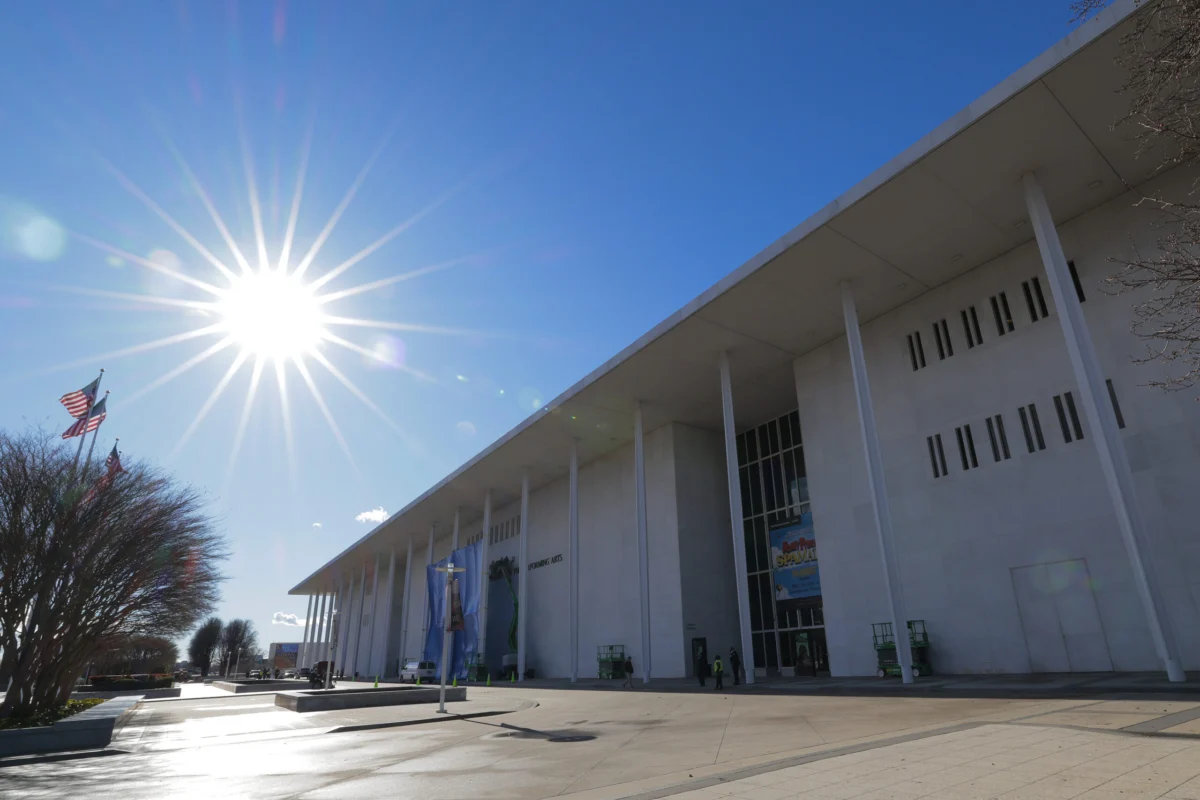
The International Alliance of Theatrical Stage Employees (IATSE) has officially initiated legal proceedings against the John F. Kennedy Center for the Performing Arts, filing unfair labor practice charges with the National Labor Relations Board (NLRB). This legal escalation follows the abrupt termination of two key departments—Instant Charge and Group Sales and Subscription—ahead of a planned two-year closure of the iconic Washington, D.C. institution. The union alleges that the Kennedy Center’s management has bypassed its legal and contractual obligations to negotiate the impact of these layoffs, signaling a deepening rift between the arts center’s leadership and its specialized workforce.
The dispute centers on the elimination of 25 positions, effective April 27. According to IATSE, the Kennedy Center’s administration failed to engage in "effects bargaining," a mandatory legal process where employers must negotiate with unions over the consequences of business decisions like closures or mass layoffs. Furthermore, management has reportedly confirmed that these workers will not be replaced, leading the union to conclude that the upcoming temporary closure is being leveraged as a pretext to permanently dissolve unionized roles and weaken the collective bargaining unit.
The Nature of the Charges and the Union’s Stance
IATSE, which represents more than 170,000 technicians, artisans, and craftspeople in the entertainment industry, maintains that the Kennedy Center is in direct violation of its existing collective bargaining agreement. The union’s leadership argues that the center is legally bound to maintain employment where possible and to provide specific protections for workers during periods of institutional transition.
Matthew D. Loeb, the International President of IATSE, has been vocal in his condemnation of the center’s tactics. "This is not a normal closure-related layoff," Loeb stated in a formal release. "The Kennedy Center appears to be using a temporary closure as cover to permanently eliminate union jobs in violation of its contract and federal labor law."
The union highlights that the termination notices were issued 71 days before the institution’s scheduled shutdown, a timeline they argue proves the layoffs are not a logistical necessity of the renovation but a strategic move to cut costs and eliminate labor protections. IATSE has requested that the Kennedy Center retain these employees while negotiations are ongoing, a demand that management has reportedly refused.
The Departments at Risk: Essential Services for Patrons
The layoffs target two specific departments that serve as the primary interface between the Kennedy Center and its diverse audience base. The "Instant Charge" department is responsible for handling high-volume telephone ticket sales, assisting patrons with complex online troubleshooting, and providing expert guidance on seating charts, venue accessibility, and specific performance details. These workers are often the first point of contact for the elderly and those with disabilities who may require personalized assistance that automated systems cannot provide.
The "Group Sales and Subscription" department manages large-scale ticket allocations for educational institutions, community groups, and families. These employees coordinate the logistics of school field trips and season ticket packages, which are vital for the center’s long-term financial stability and its mission to provide arts education to the public. By eliminating these departments, IATSE argues that the Kennedy Center is not only hurting workers but also degrading the quality of service and accessibility for the D.C. community and visiting tourists.
A Timeline of the Kennedy Center’s Transition and Closure
The current labor dispute is inextricably linked to a broader, highly controversial plan for the Kennedy Center’s future. Under the leadership of Donald Trump, who has appointed himself as the chair of the institution’s board, the center is scheduled to undergo a massive two-year renovation project.
- Early 2024: Internal discussions regarding the renovation schedule begin to circulate among staff and stakeholders.
- February 2026: Preliminary site work and pre-closure preparations are expected to escalate.
- April 27, 2026: The effective date for the termination of the 25 union workers in the Instant Charge and Group Sales departments.
- July 4, 2026: The official commencement of the two-year total closure of the Kennedy Center.
- 2026–2028: The planned duration of the "Trump Kennedy Center" renovation project.
The decision to close the facility entirely for two years has met with significant resistance. While the administration claims the closure is necessary for essential infrastructure upgrades and modernization, critics argue that such work could be phased to allow for continued operations, as is common with other major national landmarks.
Political Controversy and Legal Challenges
The Kennedy Center’s shift in leadership and its subsequent operational decisions have sparked a political firestorm. Since Donald Trump assumed the role of chair, the institution has faced a wave of boycotts and withdrawals. Several high-profile artists and performers have publicly refused to appear at the center, citing objections to the political nature of the new administration and the rebranding of the National Cultural Center.
This political tension has moved into the judicial arena. Representative Joyce Beatty (D-OH), who serves as an ex-officio board member, has filed for a court order to halt the planned closure. Beatty’s legal challenge alleges that the decision-making process was conducted illegally, bypassing the necessary federal reviews and board consultations required for a facility of such national importance. Beatty argues that the "renovation" is a unilateral decision made without the transparency or oversight typical of a federally funded arts institution.
The lawsuit further contends that the claim of a necessary two-year shutdown is unsubstantiated by engineering reports or public feasibility studies. This lack of transparency has fueled the union’s argument that the layoffs are part of a broader effort to restructure the center’s workforce away from unionized, protected labor.
Labor Law Implications: The Role of the NLRB
The filing of unfair labor practice charges with the National Labor Relations Board sets a formal investigative process in motion. The NLRB will examine whether the Kennedy Center’s management acted in "bad faith" by refusing to bargain over the effects of the layoffs. Under the National Labor Relations Act (NLRA), even when an employer has the right to close a business or a portion of it, they are generally required to bargain with the union over the impact of that closure on the employees—including matters such as severance pay, health insurance extensions, and re-employment rights.
If the NLRB finds merit in IATSE’s charges, it could issue a complaint against the Kennedy Center. Potential remedies could include:
- Back Pay: Compensation for the 25 workers for the wages lost due to the illegal termination.
- Reinstatement: A court order requiring the center to rehire the workers until a proper bargaining process has been completed.
- Injunctive Relief: A temporary halt to the layoffs or even the closure plans until labor obligations are met.
Broader Impact on the Arts and Labor Landscape
The situation at the Kennedy Center is being closely watched by labor advocates and arts administrators across the United States. It represents a high-stakes clash between the "at-will" tendencies of politically appointed management and the established protections of collective bargaining in the public-facing arts sector.
From an economic perspective, the permanent loss of these 25 specialized positions suggests a move toward outsourcing or automation for the Kennedy Center’s ticketing and subscription services. While this may offer short-term cost savings, labor experts warn it often leads to a decline in institutional knowledge and a decrease in the quality of the "patron experience." For a national landmark that relies heavily on its reputation for excellence, the long-term brand damage could outweigh the immediate payroll reductions.
Furthermore, the dispute highlights the vulnerability of arts workers during periods of political transition. The Kennedy Center is unique in its status as both a private non-profit and a federally recognized memorial, making its labor relations a matter of significant public interest.
Conclusion and Future Outlook
As the April 27 deadline for the layoffs approaches, the tension between IATSE and the Kennedy Center shows no signs of abating. The union has made it clear that it will use every legal resource at its disposal to protect its members. "We will not allow an employer to ignore its contract and strip workers of their rights," said Matthew Loeb. "IATSE is prepared to exhaust every available avenue to protect our members, defend their jobs, and hold the Kennedy Center accountable."
The outcome of the NLRB investigation and Rep. Beatty’s lawsuit will likely determine the trajectory of the Kennedy Center for years to come. If the closure proceeds as planned under the current management, it may mark a fundamental shift in how the nation’s premier performing arts center balances its mission of cultural stewardship with its obligations to the people who make its daily operations possible. For now, the 25 workers at the heart of this dispute remain in a state of professional limbo, caught between a planned renovation and a legal battle over their right to remain part of the institution’s future.