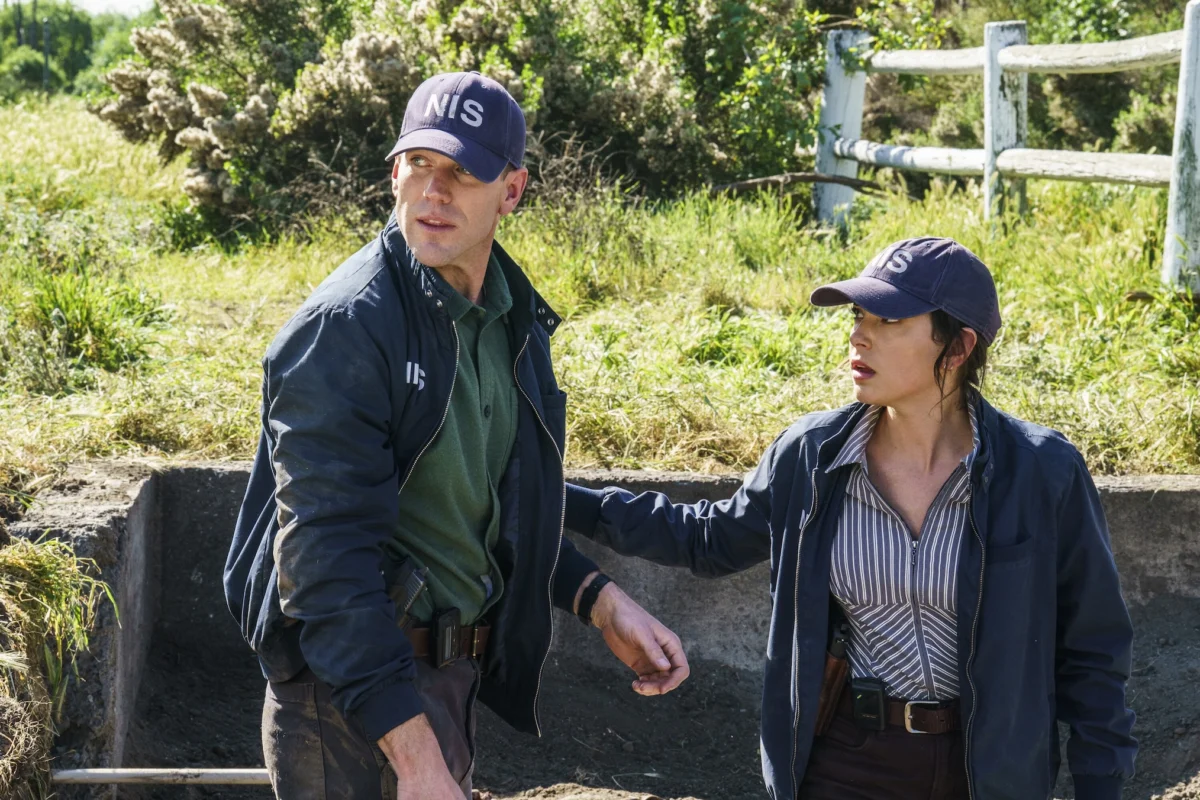
The second season finale of NCIS: Origins, titled "Hollywood Ending," delivered a pivotal turning point for the prequel series, effectively bridging the gap between the nascent days of the Naval Investigative Service (NIS) and the established legacy of the modern NCIS franchise. The episode balanced high-stakes tactical operations with significant character development, culminating in a series of events that shifted the professional and personal trajectories of the Camp Pendleton team. As the series moves toward its third season, scheduled for a Fall 2026 release, the narrative consequences of the Season 2 finale—ranging from a structural rebranding of the agency to a harrowing kidnapping cliffhanger—set a complex stage for the future of Leroy Jethro Gibbs and his colleagues.
The Structural Rebranding: From NIS to NCIS
A primary narrative arc of the Season 2 finale involved the looming threat of the Camp Pendleton office being decommissioned. This plot point served as a catalyst for the historical transition of the agency. Within the show’s timeline, the Naval Investigative Service (NIS) faced bureaucratic scrutiny, leading to a desperate search for a solution to prove the office’s viability to the higher-ranking officials in Washington.
The resolution came through a strategic "brain trust" assembled by Vera (Diany Rodriguez), which included Mary Jo (Tyla Abercrumbie), Kowalski (Michael Harney), Herm (Daniel Bellomy), Dalton (Jeffrey Boehm), Woody (Bobby Moynihan), and Lenora (Lori Petty). Their objective was to present a rebranding strategy to the new director, Tom Morrow—a character familiar to long-time fans of the original NCIS series, originally portrayed by Alan Dale.
The successful pitch centered on the addition of the word "Criminal" to the agency’s name, transforming NIS into NCIS (Naval Criminal Investigative Service). This change was presented not merely as a cosmetic update but as a commitment to a "hard on crime" stance intended to secure the agency’s future. This historical milestone within the show mirrors the real-world evolution of the agency, which underwent this exact name change in 1992 to better reflect its primary mission of criminal investigation.
Tactical Resolution and the Pruitt Compound
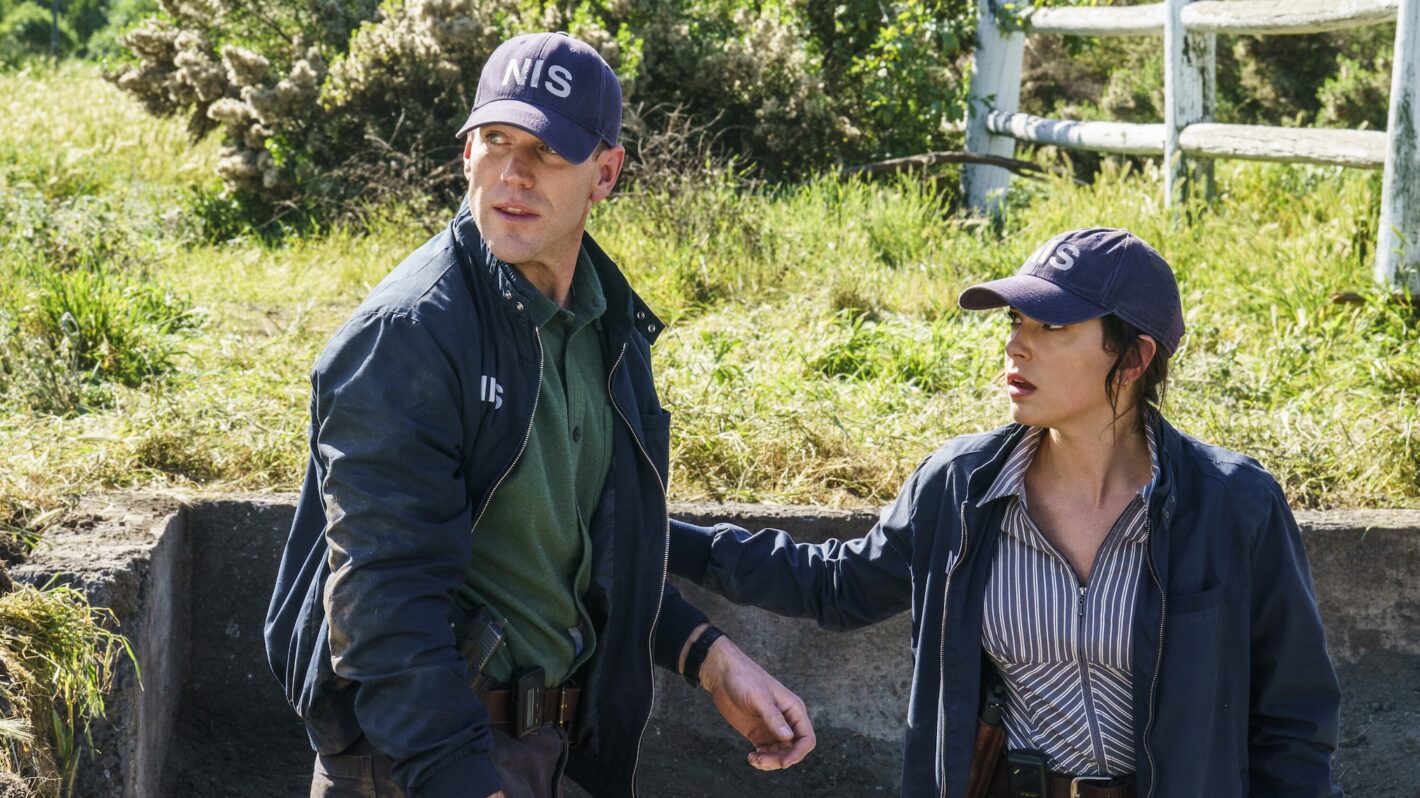
Parallel to the bureaucratic struggle, Mike Franks (Kyle Schmid) faced a personal and professional crisis involving the recurring antagonist Abe Pruitt (Christopher Backus). The episode saw Pruitt holding multiple hostages, including Franks’ own brother, Mason (Philip Winchester), at a fortified compound. This storyline provided a showcase for the tactical growth of the team, particularly Leroy Jethro Gibbs (Austin Stowell).
During the confrontation, Gibbs placed himself in the line of fire to protect Mason, an act of self-sacrifice that ultimately led to the safe recovery of the hostages and the re-arrest of Pruitt. While the immediate threat of the compound was neutralized, showrunners have suggested that the "book is closed" on this specific chapter, though the psychological fallout for the Franks brothers and the potential for Pruitt’s future interference remains a narrative possibility.
The Gibbs and Lala Romance: Breaking Franchise Tradition
One of the most discussed elements of the finale was the romantic development between Gibbs and Lala (Mariel Molino). The relationship had been teased throughout the first two seasons, often hampered by the emotional ghost of Gibbs’ late wife, Shannon, and his ongoing legal ties to Diane Sterling. In the finale, the tension reached a breaking point when Lala revealed her intention to leave the office to become a sheriff in a small town.
In a sequence reminiscent of classic romantic cinema—a departure from the usually stoic and tragic romantic portrayals in the NCIS franchise—Gibbs pursued Lala to her apartment. The encounter concluded with a confession of feelings and a kiss, underscored by Whitney Houston’s "I Will Always Love You."
Mark Harmon’s voiceover provided a poignant layer of context to this moment, stating, “We got our happy ending. I only wish it could’ve lasted forever.” This narration serves as a reminder to the audience of the established canon; while this "happy ending" exists in the 1990s timeline, the elder Gibbs of the original series is known for his multiple failed marriages and enduring loneliness. Showrunners David J. North and Gina Lucita Monreal noted that this moment was designed to be unexpected, specifically to subvert the franchise’s tendency to delay romantic resolutions until a character’s departure.

The Randy Kidnapping: A Dark Cliffhanger
While the episode provided a sense of closure for some characters, it ended on a dire note for Randy (Caleb Foote). Throughout the season, Randy had been tasked with the tedious work of digitizing old files—a job he hoped would earn him a prestigious posting in Naples. However, this administrative task appears to have made him a target.
In the final moments of the episode, Randy was kidnapped, a direct consequence of the information he uncovered or handled during the digitization process. This development serves several purposes: it provides a high-stakes hook for the Season 3 premiere, it elevates Randy from a source of "workplace comedy" to a central figure in a major criminal conspiracy, and it introduces a new mystery that the newly minted NCIS team must solve.
Behind the Scenes: Showrunner Transitions
The conclusion of Season 2 also marks a significant change in the series’ creative leadership. Gina Lucita Monreal, who co-developed the series alongside David J. North, announced that she would not be returning for Season 3. Monreal and North have been instrumental in establishing the specific "noir-lite" tone of Origins, which balances the procedural elements of the parent show with a more serialized, character-focused approach.
David J. North will continue to lead the series into its third season. In post-finale interviews, North emphasized that the creative team intended to remain "honest" to the characters’ trajectories. He noted that the Randy kidnapping would be a central pillar of the upcoming season, particularly because Randy is a character whose ultimate fate is not established in the existing NCIS canon, allowing the writers more creative freedom than they have with Gibbs or Franks.
Chronology of Key Events in the Season 2 Finale
To understand the impact of the finale, it is helpful to look at the timeline of events that occurred within the episode "Hollywood Ending":

- The Threat of Closure: The episode begins with the news that the Camp Pendleton NIS office is slated for shutdown.
- The Compound Siege: Mike Franks and the team respond to the hostage situation at Abe Pruitt’s compound.
- The Rescue: Gibbs saves Mason Franks; Pruitt is taken into custody.
- The Rebranding Strategy: Vera and the "brain trust" develop the pitch to save the office by focusing on "Criminal" investigations.
- The Birth of NCIS: Tom Morrow approves the rebranding, officially changing the agency’s name and securing the Pendleton office.
- The Romantic Resolution: Gibbs and Lala commit to their relationship after a near-departure.
- The Cliffhanger: Randy is abducted by unknown assailants, linked to his work with sensitive digital files.
Implications for Season 3 and the Broader NCIS Universe
The transition from NIS to NCIS in the show’s timeline is more than just a name change; it represents the professionalization of the agency that viewers have watched for over two decades. Season 3 is expected to explore the growing pains of this new era, as the team adapts to higher expectations and new protocols under the NCIS banner.
Furthermore, the relationship between Gibbs and Lala will be a focal point. Because the "story of her" (Lala) was never mentioned in the original series, fans have long speculated that her story ends in tragedy or a significant falling out. The voiceover by Mark Harmon in the finale suggests that the "happy ending" is temporary, adding a layer of impending dread to their current romance.
The kidnapping of Randy also raises questions about the security of the agency’s digital transition in the early 1990s. As the team moves into 1993 and beyond, the technological shift in law enforcement will likely play a larger role in the series’ plotting.
Conclusion
NCIS: Origins has successfully utilized its second season to deepen the mythology of one of television’s most iconic characters while establishing a distinct identity for its supporting cast. The Season 2 finale effectively closed the "NIS chapter" of the story while opening a more dangerous and emotionally complex "NCIS chapter." With the kidnapping of a beloved team member and the fragile state of Gibbs’ new relationship, Season 3 is positioned to be the most high-stakes entry in the prequel series to date. As the production moves toward its Fall 2026 premiere, the legacy of the "Hollywood Ending" will undoubtedly continue to resonate through the halls of the newly branded Naval Criminal Investigative Service.