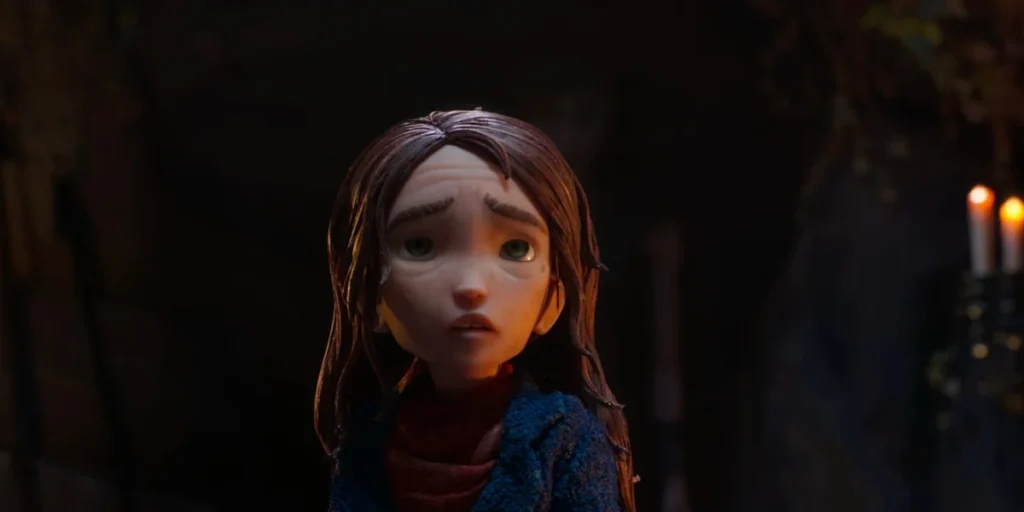
Directed by Kyle Balda and scripted by Craig Mazin, this cinematic adaptation of Leonie Swann’s 2005 international bestseller "Three Bags Full" represents a significant entry into the family mystery genre. The film, which runs 109 minutes, navigates the intersection of a traditional British whodunit and a whimsical animal fable, effectively blending live-action performances with advanced computer-generated imagery. Produced under the MGM banner, the project marks a tonal shift for its creative leads, bringing together the comedic sensibilities of the director behind the "Minions" franchise and the narrative gravitas of the writer responsible for "Chernobyl" and "The Last of Us."
Production Background and Source Material
The foundation of the film lies in Leonie Swann’s debut novel, which was originally published in German under the title "Glennkill." The book became a literary phenomenon, translated into over 30 languages and praised for its unique "ovine perspective" on human nature. For years, the property was considered difficult to adapt due to the logistical challenges of making a flock of sheep the primary protagonists of a serious murder investigation.
The eventual attachment of Craig Mazin as the screenwriter provided the project with the necessary structural rigor. Mazin, known for his ability to balance dark themes with human connection, approached the adaptation by leaning into the philosophical undercurrents of the sheep’s world. Director Kyle Balda, whose background at Pixar and Illumination Entertainment has made him a titan of the animation industry, was tasked with grounding the sheep’s interactions in a realistic, yet expressive, live-action environment. The production sought to avoid the pitfalls of "uncanny valley" photorealism, opting instead for a visual style that prioritizes character emotion and personality over literal biological accuracy.
Chronology of the Narrative
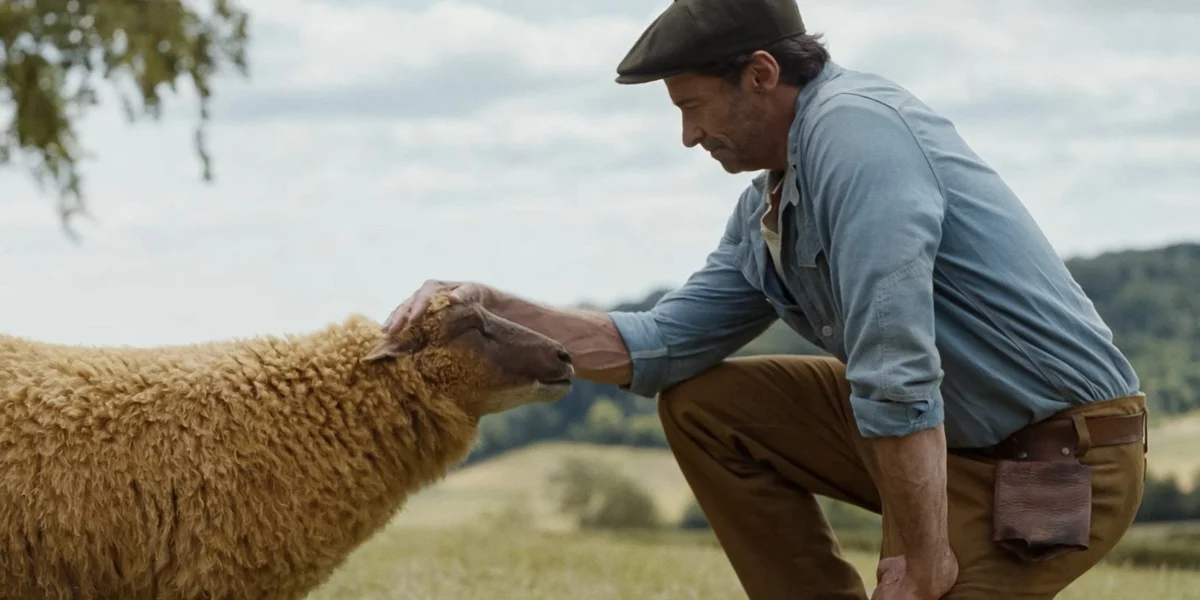
The story unfolds in the fictional, picturesque village of Denbrook, located in the heart of the English countryside. The timeline begins with the daily routine of George Hardy, portrayed by Hugh Jackman, an eccentric shepherd whose primary social outlet is reading classic detective fiction to his flock. Hardy’s life is characterized by a gentle isolation, a detail that becomes crucial when his body is discovered one morning, the victim of an apparent homicide.
Following the discovery of the body, the narrative splits into two parallel investigations. The official human inquiry is led by Constable Tim Derry, played by Nicholas Braun, a local officer whose incompetence provides a stark contrast to the procedural efficiency found in the novels Hardy read aloud. Simultaneously, the sheep—realizing their caretaker has been taken—begin their own investigation. Led by a particularly observant ewe named Lily, the flock utilizes the "means, motive, and opportunity" framework they learned from Hardy’s nightly readings.
As the first act concludes, the arrival of Hardy’s estranged daughter, Rebecca (Molly Gordon), and the revelation of a $30 million fortune introduce a classic inheritance-driven motive. The second act follows the sheep as they navigate the village of Denbrook, observing the human suspects from the periphery. The climax of the film occurs during a formal reading of the will, where the sheep orchestrate a series of events to reveal the true culprit, leading to a resolution that aligns both the animal and human perspectives of justice.
Detailed Cast and Character Analysis
The film utilizes a dual-layered cast, featuring high-profile live-action actors and a diverse ensemble of voice talent. Hugh Jackman’s George Hardy serves as the emotional anchor of the film, appearing in flashbacks and the opening sequence to establish the bond between shepherd and flock. Emma Thompson provides a brief but commanding performance as George’s lawyer, lending the "human" side of the story a sense of gravitas and dry British wit.
The sheep themselves are brought to life through a combination of sophisticated CGI and nuanced voice work. Julia Louis-Dreyfus voices Lily, the flock’s intellectual leader. Her performance is noted for its lack of typical "cartoonish" tropes, instead focusing on the character’s logical deduction and empathy. Bryan Cranston voices Sebastian, an Icelandic Leader sheep with a traumatic history in a traveling carnival. Cranston’s portrayal adds a layer of pathos to the film, as Sebastian’s cynicism is slowly eroded by the necessity of the investigation.
Other notable voice performances include:
- Chris O’Dowd as Mopple: A rotund sheep whose motivations are often driven by appetite, serving as the narrative’s comedic relief and occasional accidental genius.
- Patrick Stewart and Regina Hall: Providing veteran presence to the flock’s elder members.
- Bella Ramsey and Brett Goldstein: Goldstein voices the twin Norfolk Horn sheep, Ronnie and Reggie, whose penchant for physical destruction provides a slapstick element to the procedural plot.
- Tommy Birchall as the Winter Lamb: A character born out of season whose arc deals with social exclusion and the eventual validation of those deemed "different."
Technical Execution and Visual Style
A critical component of the film’s success is its visual approach to the animal protagonists. Early marketing materials for the film faced skepticism regarding the CGI quality, yet the final theatrical release demonstrates a high level of polish. The animation team focused on the sheep’s eyes and subtle facial movements to convey complex emotions such as grief, suspicion, and triumph. Unlike the 2019 "The Lion King," which was criticized for its "dead-eyed" photorealism, "The Sheep Detectives" allows its animals to be expressive without breaking the immersion of the live-action setting.
The cinematography by the production team emphasizes the contrast between the expansive, green pastures of the farm and the cramped, stone-walled confines of Denbrook. This visual dichotomy reflects the sheep’s transition from their safe, predictable environment into the chaotic and dangerous world of human deception. The score, complemented by a needle-drop of The Proclaimers’ "I’m Gonna Be (500 Miles)" during the finale, reinforces the film’s blend of Scottish/English pastoral identity and upbeat energy.
Thematic Substance and Social Commentary
Beneath the premise of "detective sheep," the film explores several weighty themes. A central motif is the sheep’s existential understanding of death. The flock believes that upon dying, individuals transform into clouds—a metaphor that allows the film to discuss mortality with a younger audience in a way that is neither frightening nor dismissive. This "cloud" mythology becomes a point of emotional tension as the sheep struggle to accept George’s permanent absence.
The film also serves as a critique of human arrogance. Throughout the investigation, the human characters—including the butcher played by Conleth Hill and the reporter played by Nicholas Galitzine—consistently underestimate the sheep. The humans view the animals as mere property or mindless livestock, unaware that the flock is the only entity capable of synthesizing the clues George left behind. This theme of being "underestimated" resonates through the subplot of the Winter Lamb, offering a gentle but firm lesson on the dangers of social prejudice.
Industry Impact and Market Reception
Industry analysts have compared "The Sheep Detectives" to successful genre-blending hits such as "Knives Out" and "Babe." By targeting both the "cozy mystery" demographic and the family film market, MGM has positioned the movie as a versatile tentpole. The film’s ability to garner positive critical reception despite low initial expectations suggests a strong "word-of-mouth" trajectory, which is vital for non-superhero intellectual properties in the current theatrical landscape.
Data from early screenings indicates that while the human subplots—particularly the chemistry between Nicholas Braun and Molly Gordon—received mixed responses, the core narrative of the sheep’s investigation has been universally praised. The film’s 109-minute runtime is considered optimal for maintaining the "bouncy rhythm" required for a family-friendly mystery, ensuring that the complex plotting does not overwhelm younger viewers while keeping adults engaged with the sharp, Mazin-penned dialogue.
Broader Implications
The success of "The Sheep Detectives" may signal a renewed interest in "literary" family adaptations that do not rely on existing cinematic universes. By respecting the intelligence of its audience and refusing to condescend to children regarding themes of loss and greed, the film sets a high bar for future projects in this space. It proves that with the right combination of top-tier writing, a dedicated voice cast, and thoughtful animation, even the most eccentric premise can be transformed into a resonant piece of cinema. As the credits roll to the sounds of The Proclaimers, the film leaves its audience with a sense of "Scottish exuberance," marking it as one of the year’s most unexpected and fulfilling cinematic surprises.