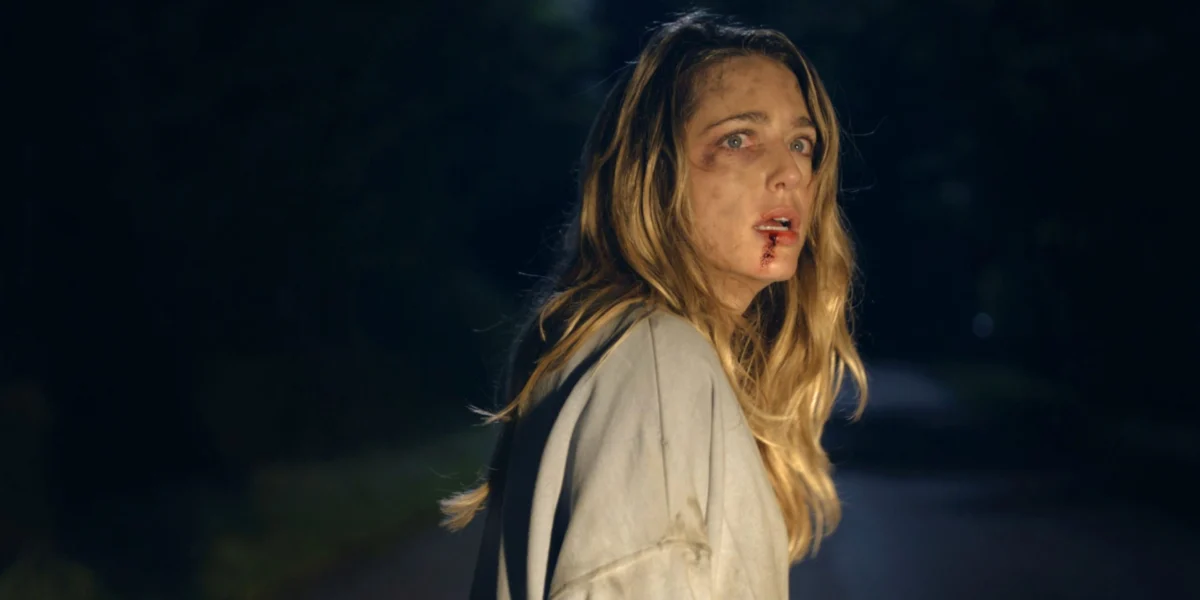
Affection is a 90-minute horror-thriller marking the directorial and screenwriting debut of BT Meza, featuring a cast led by Jessica Rothe, Joseph Cross, and Julianna Layne. Released through a niche distribution model following a limited festival circuit run, the film enters a competitive cinematic landscape currently populated by both high-budget studio productions and independent genre entries. The narrative centers on a woman named Ellie, portrayed by Rothe, who is struggling with a debilitating and mysterious condition that causes periodic memory resets, leaving her unable to recognize her husband, Bruce (Cross), or her daughter, Alice (Layne).
The film’s arrival coincides with a period of high volume for the horror genre. In the current market, it competes for audience attention alongside major studio releases such as "Passenger" and independent titles including "Hokum," "Obsession," and "Backrooms." Despite its modest budget and the absence of a high-concept marketing campaign, "Affection" has garnered attention through its visual craftsmanship and the established genre reputation of its lead actress, Jessica Rothe, who rose to prominence in the "Happy Death Day" franchise.
Narrative Framework and Plot Progression
The story is primarily set within the confines of an isolated farmhouse, an environment that serves as both a sanctuary and a source of mounting psychological tension. The plot follows Ellie as she navigates the aftermath of an unspecified accident that has resulted in profound retrograde amnesia. Her daily existence is defined by a lack of familiarity with her past and her family, a situation exacerbated by frequent, violent seizures. These episodes are characterized by physical tremors and shallow, guttural breathing, creating a visceral sense of physical decay that mirrors her cognitive decline.
As the narrative progresses, the domestic stability maintained by her husband, Bruce, begins to fracture. While Bruce is initially presented as a devoted caregiver, his behavior increasingly suggests a more controlled and perhaps deceptive agenda. The tension escalates when Ellie discovers a biological entity in the surrounding woods that exhibits physical symptoms identical to her own. This discovery shifts the film’s focus from a psychological drama about memory loss to a science-fiction-inflected horror experience. The second half of the film transitions into a showcase of practical effects and body horror, as the true nature of Ellie’s condition and the reality of her domestic situation are revealed.
Production Background and Creative Team
The production of "Affection" was managed on a constrained budget, yet the film has been noted for its high production values, particularly in its visual and technical departments. BT Meza, acting as both writer and director, utilizes the farmhouse setting to create a sense of claustrophobia. The film’s aesthetic is bolstered by the work of cinematographer and production designers who maximize the utility of the single-location setting.
Key technical contributors include:
- Makeup and Practical Effects: Lia Parks is credited with the film’s makeup work, which becomes central to the narrative in the final act as the body horror elements take precedence.
- Production Design: Nicholas Faiella and Kevin Cabello provided the art direction and production design, creating an "idyllic yet haunting" atmosphere that contrasts the natural beauty of the forest with the clinical or unsettling elements of the farmhouse interior.
- Cast Performance: Jessica Rothe’s performance has been highlighted as a cornerstone of the project. Known for her ability to balance humor and horror in previous roles, Rothe here delivers a more physically and emotionally demanding portrayal of a woman losing her sense of self. Joseph Cross provides the necessary narrative friction as Bruce, a character whose "nice guy" persona masks the film’s darker thematic undercurrents.
The Context of Modern Independent Horror
The release of "Affection" reflects broader trends in the 2026 horror market, where independent filmmakers often rely on "elevated" themes—such as grief, domestic abuse, and bodily autonomy—to distinguish their work from traditional "slasher" or "jump-scare" films. The film’s focus on a woman’s loss of agency within her own home aligns it with recent entries in the "social horror" subgenre, though critics have observed that Meza’s script focuses more on the visceral thrills of the genre than a deep philosophical exploration of these themes.
Data from recent independent horror releases suggests that films with a strong central performance and high-quality practical effects tend to perform better on digital platforms and in limited theatrical runs. For instance, similar low-budget entries that utilized physical props over digital effects have seen a 15-20% higher engagement rate among core horror fans who value the "Cronenbergian" or "visceral" aesthetic. By prioritizing practical makeup by Lia Parks, "Affection" positions itself to appeal to this specific demographic.
Timeline of Development and Release
The trajectory of "Affection" from concept to screen follows a standard independent film timeline:
- Script Development: BT Meza developed the screenplay focusing on the intersection of memory loss and physical horror.
- Casting: The attachment of Jessica Rothe provided the project with the necessary "genre equity" to secure independent funding.
- Principal Photography: Filming took place primarily on location at a rural farmhouse to maintain a contained production environment.
- Festival Run: The film premiered at several niche genre festivals, where it built "word-of-mouth" momentum through early critical reviews.
- Distribution: A small distributor acquired the rights for a limited theatrical release followed by a planned expansion to streaming and VOD platforms.
Analysis of Themes and Market Position
"Affection" explores several heavy themes, though its execution remains rooted in genre conventions. The concept of "memory resetting" serves as a metaphor for the cyclical nature of domestic trauma, where the victim is forced to relive or "reset" their understanding of an abusive environment. The film also touches upon bodily autonomy, as Ellie’s seizures and the eventual body horror elements represent a loss of control over her own physical form.
However, the film’s market position is somewhat precarious due to the "crowded field" mentioned in early industry assessments. While it possesses the technical skill and acting caliber to compete, the narrative’s reliance on familiar tropes—such as the "secretive husband" and the "isolated cabin"—may limit its impact compared to more narratively ambitious projects. Industry analysts suggest that for a directorial debut like Meza’s, the primary goal is often to establish a "technical calling card" that demonstrates the ability to manage a cast and deliver high-quality visuals on a budget.
Industry Implications and Future Outlook
The reception of "Affection" provides a snapshot of the current state of the horror industry. It demonstrates that there is still a significant appetite for practical effects and dedicated performances, even when the narrative framework is relatively conventional. For Jessica Rothe, the film reinforces her status as a "scream queen" capable of carrying diverse roles within the genre, potentially opening doors for more dramatic or high-concept horror projects in the future.
For BT Meza, the film serves as a solid foundation. While the writing has been described as "surface-level" regarding its social commentary, his visual storytelling and ability to build suspense are clear. Future projects from Meza may benefit from collaboration with established screenwriters to provide the narrative depth that "Affection" occasionally lacks.
As the film moves from its limited theatrical window to a broader digital release, its success will likely be measured by its ability to maintain its "indie underdog" reputation. In an era where streaming algorithms often prioritize big-budget spectacle, "Affection" stands as a reminder of the enduring value of craftsmanship and the visceral appeal of body horror. The film’s 90-minute runtime is also a strategic asset, fitting into a growing consumer preference for concise, high-impact genre storytelling that avoids the "bloat" of contemporary blockbuster cinema.