The release of the Michael Jackson biopic, Michael, has initiated a complex dialogue within the film industry, centering on the intersection of legacy, estate-sanctioned storytelling, and the technical execution of the music biopic genre. Directed by Antoine Fuqua and produced by Graham King, the film features Jaafar Jackson in the titular role, marking a significant cinematic attempt to chronicle the life of one of the most influential and polarizing figures in modern music history. The project, which saw direct involvement from the Jackson estate, has become a focal point for critics and audiences alike, particularly regarding its narrative boundaries and its portrayal of the artist’s meteoric rise from a child star in Gary, Indiana, to a global phenomenon during the height of the 1980s.
Production Origins and Estate Involvement
The development of Michael began under the stewardship of Graham King, the producer behind the Academy Award-winning Freddie Mercury biopic, Bohemian Rhapsody. King secured the rights to Michael Jackson’s life story and musical catalog from the Jackson estate, a move that ensured the film would have full access to the artist’s discography but also raised questions regarding narrative objectivity. The screenplay, penned by three-time Oscar nominee John Logan, known for his work on The Aviator and Gladiator, sought to balance the personal struggles of the performer with the public spectacles of his career.
Director Antoine Fuqua, whose filmography includes Training Day and The Equalizer, was selected to helm the project, bringing a visual style often characterized by high-contrast lighting and kinetic energy. The production was a massive undertaking, with a reported budget exceeding $150 million, making it one of the most expensive music biopics ever produced. The involvement of the Jackson estate meant that the production had access to Neverland Ranch and authentic costumes, yet it also meant that the film’s narrative arc would be subject to the approval of those tasked with maintaining Jackson’s posthumous reputation.
Narrative Scope and Chronological Focus
The film’s narrative structure follows a traditional chronological path, beginning with Michael Jackson’s early childhood and his rigorous training under the direction of his father, Joe Jackson. This segment of the film focuses heavily on the Jackson 5 era, depicting the group’s transition from local talent shows to Motown stardom under Berry Gordy. The portrayal of this era emphasizes the disciplined, often harsh environment created by Joe Jackson, played by Colman Domingo, and the emotional toll it took on the young performer, played in his early years by Juliano Valdi.
As the story progresses into the 1970s and 1980s, the focus shifts to Jackson’s solo career and his collaboration with producer Quincy Jones. The film meticulously recreates the recording sessions for the landmark albums Off the Wall and Thriller, highlighting the creative friction and eventual triumph that led to Thriller becoming the best-selling album of all time. The narrative culminates with the "Bad" World Tour, which ran from 1987 to 1989. By concluding the primary narrative focus at this juncture, the film effectively brackets Jackson’s "golden era," characterized by his peak commercial success and cultural dominance.
Notably, the film chooses to omit the latter half of the 1990s and the 2000s, a period marked by high-profile legal battles, health declines, and the controversies that culminated in the 1993 and 2005 allegations. This decision has been the primary driver of the "divided" reception mentioned by critics. Proponents of the film argue that it serves as a celebration of Jackson’s artistry, while detractors suggest that the omission of his most controversial years results in a sanitized version of history.
Casting and Performance Dynamics
The casting of Jaafar Jackson, the nephew of the late pop star, was met with significant interest. Industry analysts noted that his physical resemblance and inherent understanding of his uncle’s mannerisms provided a level of authenticity that a traditional actor might struggle to replicate. In the review conducted by Matt Neglia, Katie Johnson, Josh Parham, Giovanni Lago, and Daniel Howat, much of the discussion centered on Jaafar’s ability to capture the specific vocal nuances and the demanding choreography associated with Jackson’s live performances.
Supporting the lead is a cast of seasoned performers and rising stars. Colman Domingo’s portrayal of Joe Jackson has been highlighted as a standout performance, offering a complex look at a man whose drive for success often bordered on the abusive. Nia Long plays Katherine Jackson, providing the emotional anchor for the family, while Miles Teller portrays John Branca, the attorney and manager who helped navigate Jackson’s business empire. Other notable cast members include Laura Harrier as Suzanne de Passe, Jessica Sula as Janet Jackson, and Mike Myers as a record executive, adding layers to the industry-focused segments of the film.
The performances are supported by the technical work of cinematographer Dion Beebe, who utilized period-accurate lighting and camera movements to distinguish the grainy, warm tones of the 1960s from the high-gloss, neon-saturated aesthetic of the 1980s.

The Evolution of the Music Biopic Genre
The release of Michael comes at a time when the music biopic subgenre is experiencing a commercial resurgence. Following the success of Elvis and Bob Marley: One Love, Hollywood has leaned heavily into the "greatest hits" format of storytelling. These films often prioritize the emotional resonance of the music and the spectacle of performance over a gritty, deconstructive look at the subject’s life.
Data from the last decade suggests that estate-sanctioned biopics tend to perform better at the box office, as they offer the "definitive" collection of songs and a narrative that aligns with fan expectations. However, this trend has sparked a debate among film critics regarding the "hagiographic" nature of modern biopics. The Next Best Picture panel discussed how Michael fits into this trend, questioning whether the genre is evolving toward deeper psychological exploration or if it is becoming a polished extension of a celebrity’s brand management.
Critical Reception and Ethical Discourse
The discourse surrounding Michael is largely split between those who view the film as a masterclass in technical filmmaking and those who view it as a missed opportunity for a more balanced biography. The decision to ignore the later controversies has led to a broader discussion about the responsibility of filmmakers when dealing with real-life figures.
On one hand, the film is praised for its breathtaking musical sequences. The recreations of the "Billie Jean" performance at Motown 25 and the "Thriller" music video shoot are cited as highlights that demonstrate Fuqua’s skill in capturing motion and rhythm. On the other hand, the "spoiler-filled" review by the Next Best Picture team noted that the narrative’s refusal to engage with the darker aspects of Jackson’s life creates a vacuum that the audience must fill with their own prior knowledge. This tension between the "artist" and the "man" remains a central theme in the critical analysis of the film.
Technical Craft and Cinematic Direction
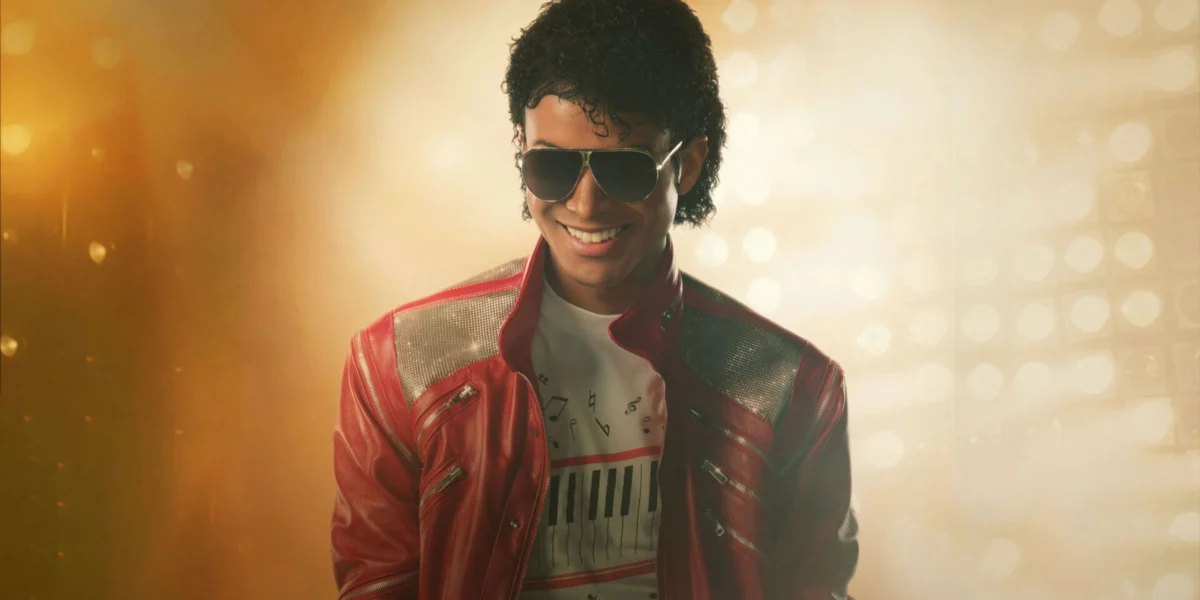
From a technical standpoint, Michael is a significant achievement. The film’s sound design, which blends Jaafar Jackson’s vocals with original recordings of Michael Jackson, creates a seamless auditory experience that is likely to be a frontrunner in technical awards categories. The costume design, led by Marci Rodgers, involved recreating iconic pieces such as the red leather "Thriller" jacket and the "Bad" era buckles and straps with historical precision.
Antoine Fuqua’s direction is noted for its ability to manage a sprawling timeline without losing the central character’s emotional thread. By focusing on Jackson’s internal world—his loneliness despite his fame and his perfectionism in the studio—Fuqua attempts to humanize a figure who had become a caricature in the tabloid press. The film’s editing, handled by Conrad Buff, manages to balance the high-energy concert footage with quieter, more intimate domestic scenes, though the pacing of the transition from the Jackson 5 to the solo years has been a point of contention among some reviewers.
Awards Season Trajectory and Industry Impact
As the film enters the awards conversation, industry experts are looking closely at its potential in major categories. Jaafar Jackson’s performance is widely considered a strong contender for Best Actor, following the pattern of previous biopic leads like Rami Malek and Austin Butler. The film’s scale and technical prowess also make it a candidate for Best Picture, Best Director, and various craft categories including Makeup and Hairstyling, Costume Design, and Sound.
However, the "controversy discourse" may play a role in how Academy voters perceive the film. In recent years, the Academy has shown a preference for films that offer a more nuanced or critical look at their subjects. The commercial success of Michael is almost guaranteed, given Jackson’s enduring global popularity, but its legacy in the pantheon of great cinema will likely depend on how future audiences reconcile its technical brilliance with its selective narrative.
In conclusion, the Next Best Picture podcast review serves as a microcosm of the larger cultural reaction to Michael. The film is a monumental production that captures the electricity of Michael Jackson’s career while simultaneously navigating the precarious waters of estate-led storytelling. As the film continues its theatrical run and heads toward awards season, it remains a definitive example of the power—and the limitations—of the modern Hollywood biopic.