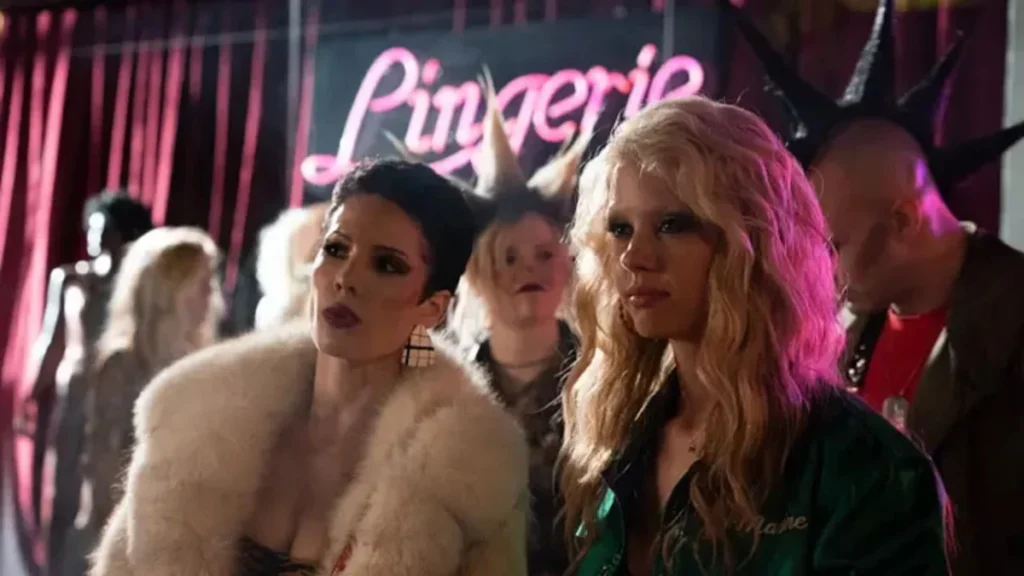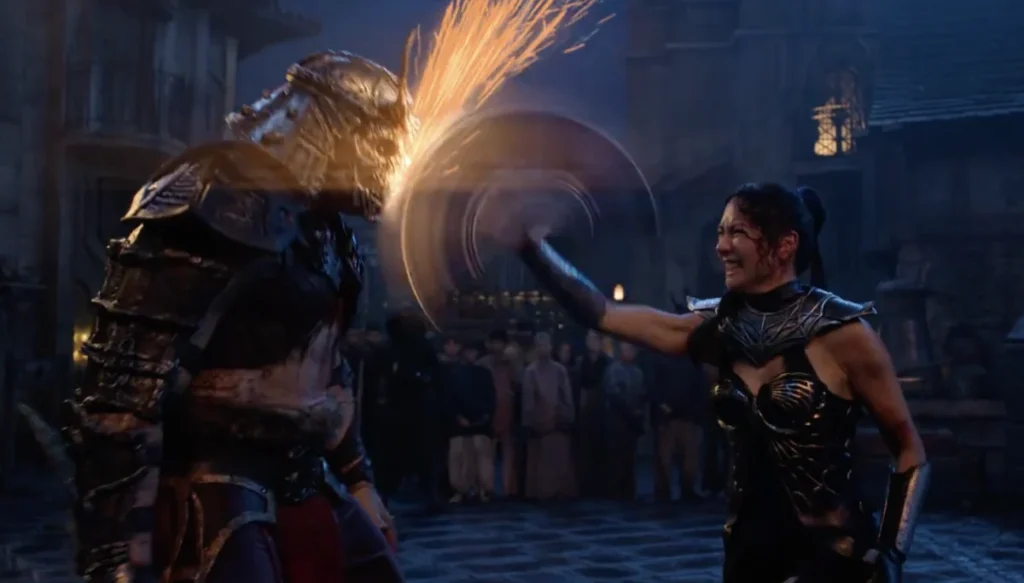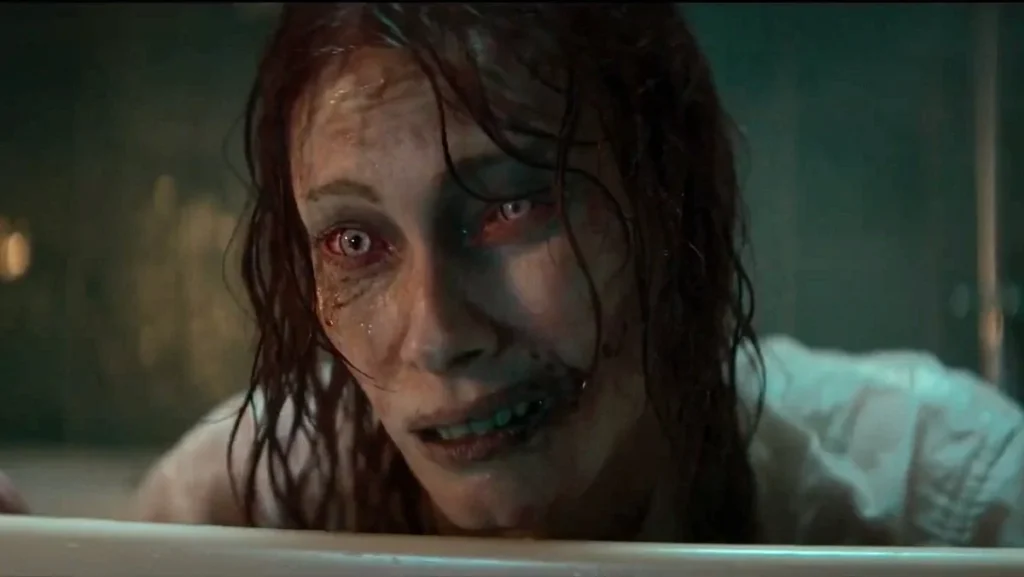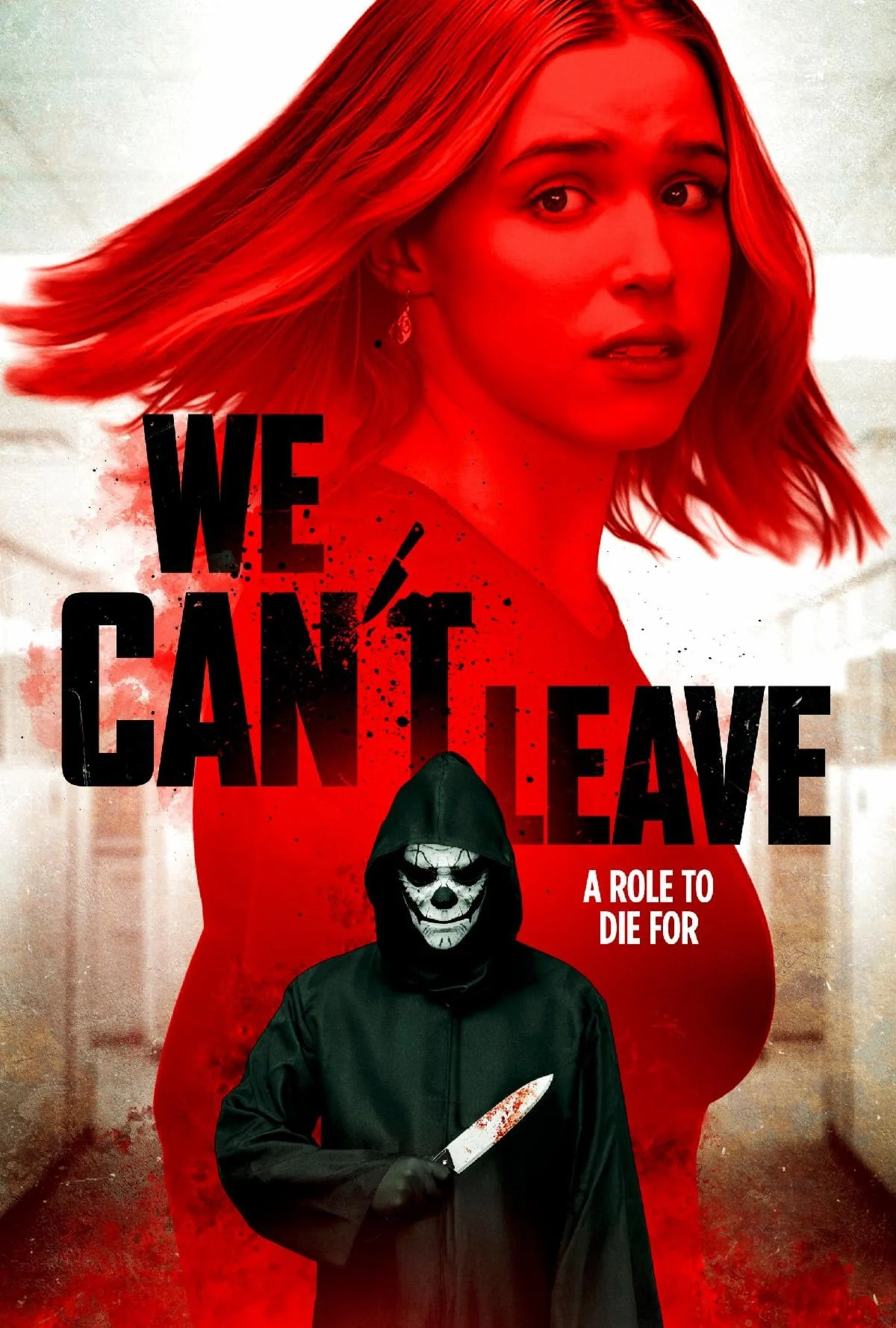
Auditions can be a brutal business, a high-stakes gamble where dreams are forged and dashed with equal ferocity. For a group of aspiring actors in the upcoming slasher film We Can’t Leave, this familiar professional crucible transforms into a nightmarish fight for survival. The recently released trailer paints a chilling picture of a seemingly innocent casting call that devolves into a deadly game of cat and mouse within the confines of a labyrinthine building.
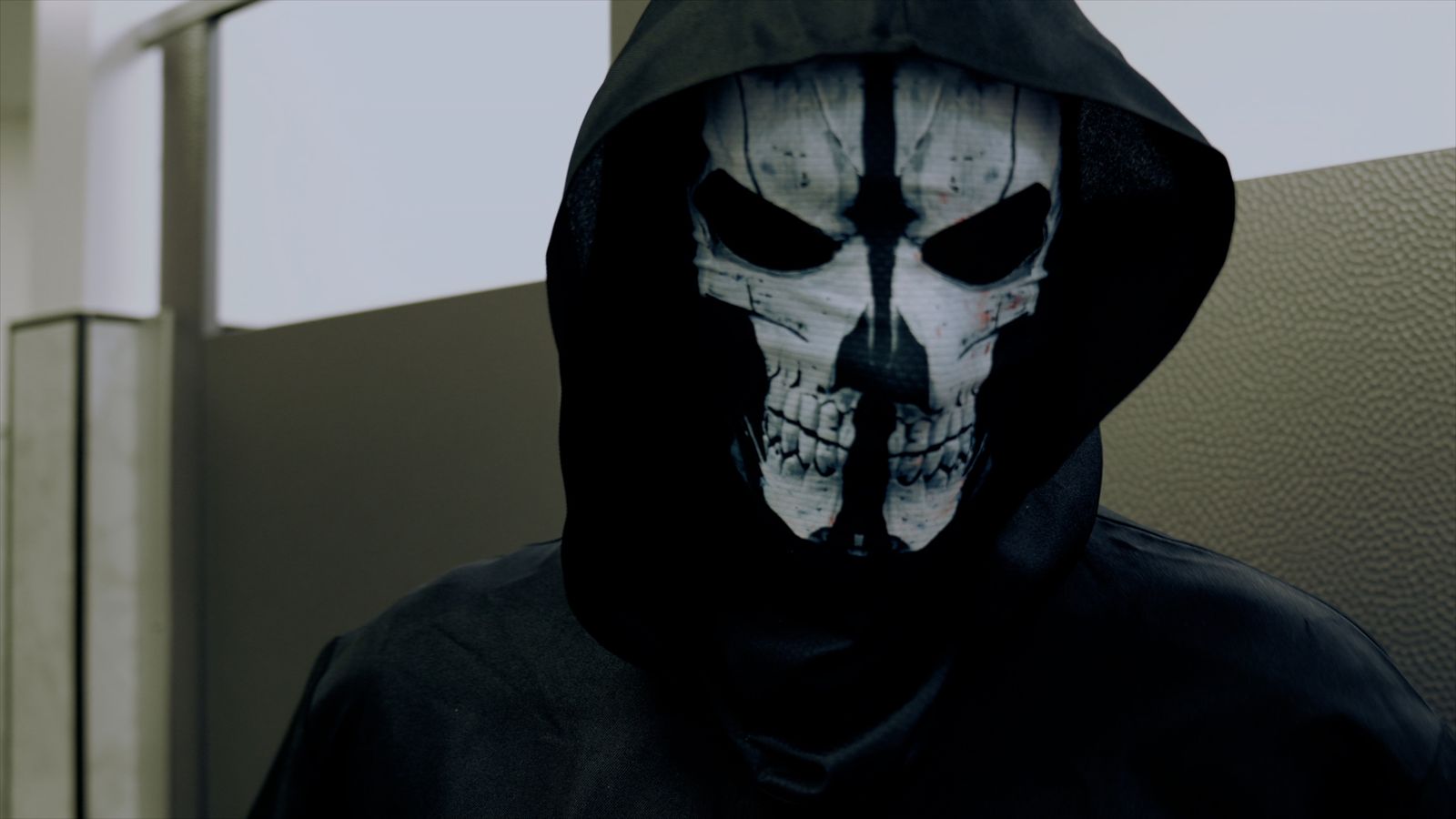
The film’s premise centers on a group of actors who, having eagerly entered a remote, maze-like facility for what they believed to be an audition, soon discover the horrifying truth. The endless corridors, perpetually locked doors, and the chilling presence of masked figures stalking them are not part of any theatrical script. As the fear escalens and the line between performance and reality blurs, the screams become genuine, and the body count begins to rise. The once-promising opportunity for a career breakthrough morphs into a desperate struggle for existence, where survival itself becomes the only role that matters.
A Vision of Old-School Horror and Independent Grit
We Can’t Leave is the brainchild of writer and director Mike Lordi, known for his previous work on Abandoned in the Dark. Lordi has articulated a clear artistic intention for this project, aiming to deliver a visceral and engaging horror experience by emphasizing "practical tension, stripped-down storytelling, and a high body count." This approach suggests a return to the roots of the slasher genre, prioritizing atmosphere and relentless dread over elaborate special effects or complex narrative arcs.
Lordi’s own words shed further light on the film’s genesis and thematic core. " We Can’t Leave was born from a love of old-school horror and the grind of independent filmmaking," he stated. "I wanted to take the familiar world of auditions and twist it into something bloody, fun, and darkly humorous, dragging the audience through the worst audition night imaginable." This statement highlights a deliberate subversion of a common, relatable experience, infusing it with the macabre and the absurd. The intention is to create a darkly comedic yet terrifying narrative that resonates with audiences by tapping into the anxieties associated with performance and the pursuit of fame.
Thematic Resonance and Genre Conventions
The premise of We Can’t Leave taps into several established horror tropes while offering a fresh perspective. The "trapped in a confined space" scenario is a staple of the genre, from The Texas Chain Saw Massacre to Saw, and the maze-like building provides an ideal setting for escalating tension and disorientation. The masked killer(s) are also a classic element, allowing for an anonymous and relentless threat. However, by situating these elements within the context of an audition, Lordi introduces a meta-narrative layer. The actors’ desire to impress and secure a role becomes their undoing, a tragic irony that adds a psychological dimension to the physical terror.
The emphasis on "practical tension" and "stripped-down storytelling" suggests a focus on suspenseful sequences, chase scenes, and the psychological torment of the characters. This contrasts with some modern horror films that rely heavily on jump scares or CGI-heavy creature effects. Lordi’s stated commitment to a "high body count" promises a relentless pace and a sense of genuine danger for the protagonists, a hallmark of effective slasher films.
A Look at the Trailer and its Implications
The trailer for We Can’t Leave, released in conjunction with the announcement of its VOD and Digital release, offers a potent glimpse into the film’s tone and visual style. It showcases fragmented scenes of desperate actors navigating dark hallways, the unsettling appearance of masked figures, and the palpable sense of fear. The quick cuts and suspenseful score typical of horror trailers effectively build anticipation for the film’s release.
While the trailer provides a strong sense of atmosphere and the core conflict, specific details regarding the nature of the antagonists or the precise motivations behind the deadly auditions remain largely undisclosed. This is a strategic choice by the filmmakers, designed to pique audience curiosity and encourage viewers to discover the film’s secrets for themselves. The visual design of the masked figures, though not fully revealed, appears to be menacing and deliberately unsettling, contributing to the film’s overall horror aesthetic.
Release Details and Distribution Strategy
Dark Star Pictures is set to distribute We Can’t Leave, a company that has established a presence in the independent horror market. The film is scheduled to make its debut on Digital and Video on Demand (VOD) platforms on May 12th. This distribution strategy is increasingly common for independent horror films, allowing for a wider reach and accessibility to audiences who prefer to watch films at home. The VOD release bypasses the traditional theatrical distribution model, which can be cost-prohibitive for smaller productions.
This release date places We Can’t Leave within a competitive landscape of horror film releases. The early to mid-May period often sees a surge in genre content as studios and distributors prepare for the summer movie season. The film will need to cut through the noise and capture the attention of horror enthusiasts seeking new and engaging content.
The Independent Film Landscape and the Slasher Revival
The independent film scene, particularly within the horror genre, has become a fertile ground for creative and often groundbreaking work. Many acclaimed horror films have emerged from this sector, offering unique visions and pushing the boundaries of the genre. We Can’t Leave appears to be a product of this vibrant ecosystem, leveraging the flexibility and creative freedom inherent in independent filmmaking to bring a specific horror vision to life.
The slasher subgenre, while having experienced periods of decline and resurgence, continues to hold a strong appeal for audiences. Recent successes like the Scream franchise and independent films like Terrifier have demonstrated that there is still a significant appetite for well-crafted slasher narratives. We Can’t Leave aims to capitalize on this enduring popularity by offering a fresh take on familiar elements, infused with a dark sense of humor and a commitment to practical horror.
Potential Impact and Audience Reception
The success of We Can’t Leave will likely depend on its ability to deliver on the promises made in its trailer and director’s statements. Critics and audiences will be looking for a film that effectively balances its comedic and horrific elements, offers compelling characters despite the genre’s focus on their demise, and provides a satisfyingly terrifying experience. The emphasis on practical effects and stripped-down storytelling could be a significant draw for horror fans who appreciate a more grounded and atmospheric approach.
The film’s exploration of the anxieties surrounding the acting profession might also resonate with a broader audience, adding an extra layer of relatable dread to the proceedings. The idea of a dream job turning into a death sentence is a potent concept that could leave a lasting impression.
Conclusion
We Can’t Leave is poised to enter the horror landscape with a compelling premise that blends the familiar terrors of the slasher genre with the relatable anxieties of the audition process. Director Mike Lordi’s commitment to old-school horror sensibilities, practical effects, and a high body count suggests a film that aims for a visceral and darkly humorous experience. With its VOD and Digital release on May 12th via Dark Star Pictures, the film offers an accessible entry point for horror enthusiasts looking for a new thrill. The success of We Can’t Leave will ultimately hinge on its execution, but its thematic depth and genre-specific appeal position it as a noteworthy entry in the ongoing evolution of independent horror cinema. The trailer alone hints at a bloody good time for those who enjoy their scares served with a side of dark comedy and a healthy dose of dread, proving that in the world of We Can’t Leave, the only audition that truly matters is the one for survival.