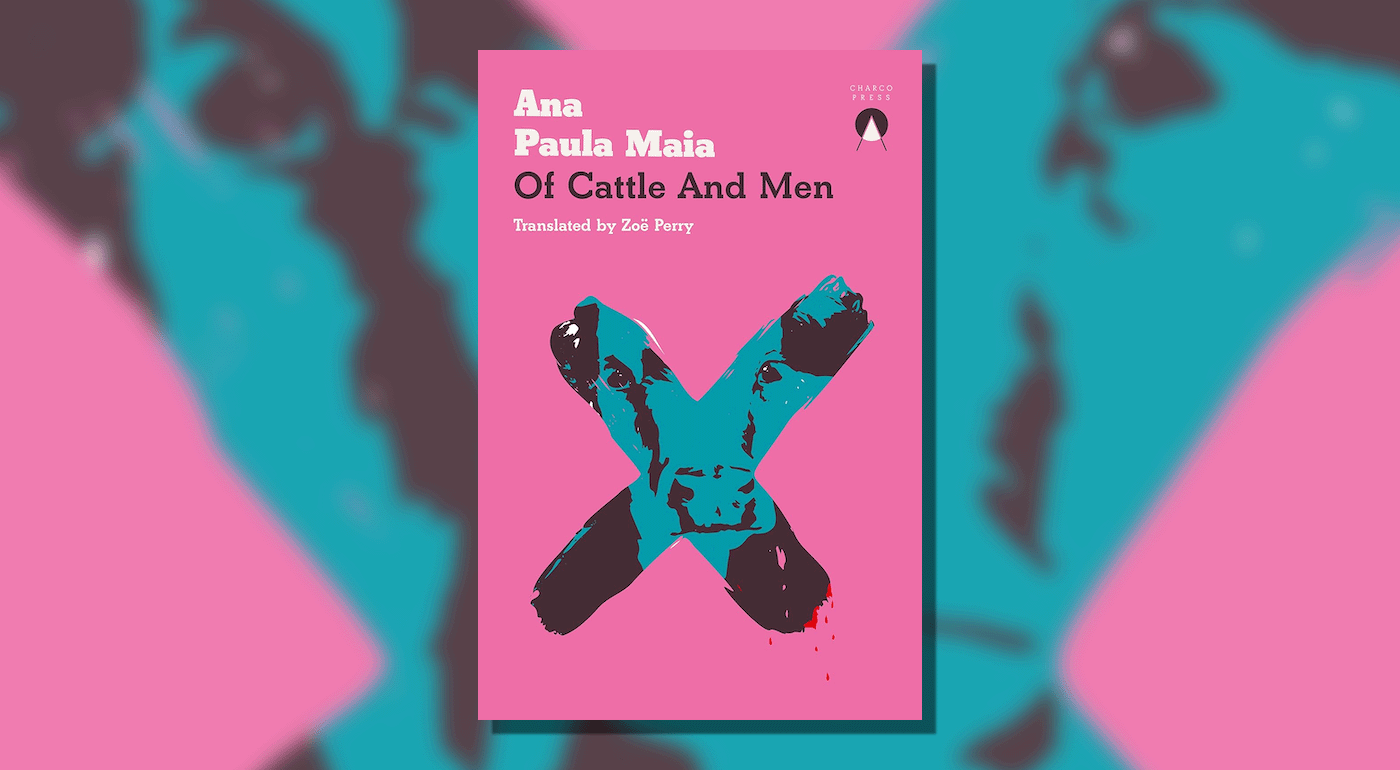
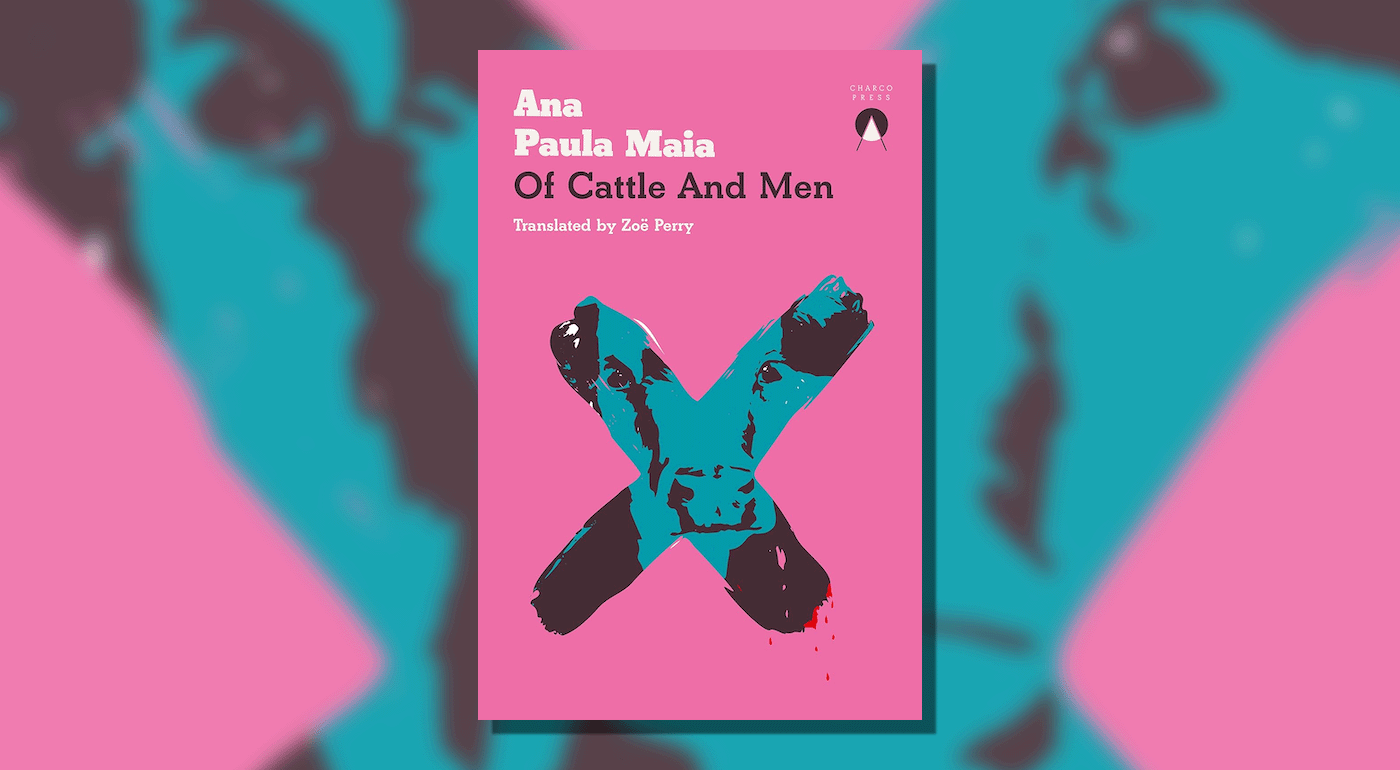
The grim realities of Brazil’s industrial underbelly and the unsettling, almost supernatural, shifts in the natural world converge in Ana Paula Maia’s Of Cattle and Men, a stark and haunting novel translated into English by Zoë Perry and published by Charco Press. This bimonthly column, "Found in Translation," seeks to explore speculative fiction in its myriad forms, and Of Cattle and Men certainly fits this bill, offering a powerful, albeit disturbing, glimpse into a Brazil rarely depicted in mainstream literature. The novel immerses readers in the desolate landscape surrounding the Rio das Moscas, or "River of Flies," a place choked by the byproducts of extensive slaughterhouses, where the very water seems to carry the weight of death.
At the heart of this grim tableau is Edgar Wilson, a stun operator at one of these facilities. His life is defined by the repetitive, brutal act of ending bovine lives, an existence he navigates with a profound, almost empathetic detachment. Wilson’s skill lies in his preternatural understanding of the animals he dispatches, ensuring their end is swift and without suffering. He doesn’t question the necessity of his work; in a world where meat consumption is the norm, he sees himself as fulfilling a vital, if unglamorous, role. His stoicism extends beyond his professional duties, suggesting a man resigned to the harshness of his existence, where the taking of human life, if necessary, is simply part of the grim calculus of survival.
The narrative takes a sharp turn when the predictable order of Wilson’s world begins to fray. The cattle, typically oriented northward, inexplicably begin facing west. This subtle yet significant shift, unnoticed by others, plants a seed of unease in Wilson. The animals’ subsequent erratic behavior—a departure from their usual placidity—initially sparks suspicions of external predators. However, the true horror unfolds with a chilling, almost ritualistic event: twenty-two cows deliberately hurl themselves off a cliff, a scene of mass suicide that defies rational explanation and plunges the narrative into a deeper abyss of the uncanny.
Of Cattle and Men paints a gruesome dystopia that extends beyond the immediate plight of the slaughterhouse workers and livestock. The poisoned river, the unnatural luminescence of dead fish, and the sterile births of stillborn calves all contribute to an atmosphere of pervasive decay and ecological collapse. The human inhabitants of this dying world, while seemingly resigned to their fate, are not entirely devoid of humanity. Wilson’s quiet empathy for the animals, Burunga’s desperate efforts to afford reading glasses for his daughter, the defensive solidarity among the cattlemen, and even the foreman Bronco Gil’s inability to turn away from the daily spectacle of desperate women and children begging for scraps of meat, reveal glimmers of resilience and shared humanity amidst the desolation. These characters, though shaped by their brutal environment, demonstrate a complex web of interconnectedness and a silent yearning for something beyond their grim reality.
Ana Paula Maia’s literary universe is vast and interconnected, with Of Cattle and Men serving as a foundational piece within a larger narrative tapestry. Originally published in Portuguese in 2013, this novel is part of a broader body of work that explores similar themes and characters, most notably Edgar Wilson. Maia has authored two standalone novels that have been translated into English: Of Cattle and Men and On Earth as it is Beneath, both published by Charco Press. Additionally, she has two distinct trilogies that delve deeper into her apocalyptic vision. The Saga of Brutes, a trilogy, has been consolidated into a single volume by Dalkey Archive Press. More recently, her Trilogia do Fim (Trilogy of the End) explores an escalating apocalyptic scenario. The first book in this trilogy, Bury Your Dead, is slated for release in English by Charco Press in 2026. Notably, this trilogy has been adapted for the screen in a project also titled Bury Your Dead, starring Selton Mello, an actor recognized internationally for his roles in films like I’m Still Here and the Anaconda reboot. While the books can be read independently, the reviewer notes that readers do not need to adhere to a strict chronological order, with at least half of Maia’s translated works offering accessible, self-contained narratives, including Of Cattle and Men.
Challenges in Translation and Cultural Representation
While Zoë Perry’s translation of Of Cattle and Men is generally competent, it is not without its challenges. As a native speaker of Brazilian Portuguese, the reviewer identifies specific instances where the translation choices create an unintended effect, potentially exoticizing the source material. The decision to retain certain Portuguese terms, such as "Senhor Milo" instead of "Mr. Milo" or "São Roque" instead of "Saint Roch," is flagged as problematic. The reviewer argues that while some words are inherently difficult to translate or carry significant cultural weight, terms like "senhor" (Mr.) are straightforward and have direct English equivalents. Maintaining these untranslated words, the reviewer contends, can impose an "exotifying lens" on Latin American literature, suggesting a misplaced emphasis on perceived cultural uniqueness when a simple translation would suffice and be more effective for the reader. This practice, the reviewer notes, is a broader issue within the translation of Latin American works into English, where perfectly translatable words are sometimes kept in their original language, ostensibly for cultural flavor, but often resulting in jarring and unnecessary linguistic barriers. The reviewer expresses hope that future translations of Ana Paula Maia’s work will navigate this issue more effectively, particularly as more of her apocalyptic trilogy becomes available in English.
Context and Authorial Intent
Ana Paula Maia’s work is often characterized by its exploration of marginalized professions and the visceral realities of human existence. Her fascination with the mundane yet often brutal labor that underpins society—such as slaughterhouse work, fishing, and even the intricacies of the circus—provides a unique lens through which to examine the human condition. Of Cattle and Men can be seen as an extension of this thematic exploration, using the stark setting of industrial agriculture to comment on themes of environmental degradation, the dehumanizing effects of labor, and the thin veneer of civilization that can crack under pressure.
The novel’s publication in 2013 predates the widespread global awareness of climate change and the increasing scrutiny of industrial food production. However, its prescient depiction of ecological collapse and the moral complexities of meat consumption resonates strongly with contemporary concerns. Maia’s ability to weave elements of the surreal and the uncanny into her otherwise grounded narratives suggests an author deeply interested in the liminal spaces between the known and the unknown, the natural and the unnatural. The inexplicable behavior of the cattle can be interpreted not just as a plot device but as a manifestation of a world pushed beyond its breaking point, where the natural order itself begins to revolt.
Broader Impact and Implications
The translation of Of Cattle and Men into English serves as a significant cultural bridge, offering English-speaking readers access to a distinct and vital voice in contemporary Brazilian literature. Ana Paula Maia’s work challenges conventional narrative structures and expectations, pushing the boundaries of speculative fiction. The novel’s unflinching depiction of violence and decay, coupled with its moments of profound humanism, invites readers to confront uncomfortable truths about their own relationship with the natural world and the systems that sustain their daily lives.
The critical reception of Maia’s translated works, including Of Cattle and Men, signals a growing appreciation for diverse international voices in the speculative fiction landscape. The “Found in Translation” column itself is a testament to the burgeoning interest in works that offer unique cultural perspectives and explore the vast spectrum of human experience. As more of Maia’s oeuvre becomes accessible, readers can anticipate a deeper engagement with her complex, often unsettling, but always compelling literary universe. The ongoing translation efforts by publishers like Charco Press are crucial for broadening the literary horizons of English-speaking audiences and fostering a more nuanced understanding of global literature. The success of these translations not only highlights the talent of individual authors but also underscores the importance of literary exchange in a globalized world, reminding us that "there is always more out there."