The enduring allure of Michael Crichton’s science fiction masterpiece, Westworld, is set to be rekindled with a feature film adaptation currently in the works at Warner Bros. David Koepp, the celebrated screenwriter behind the blockbuster Jurassic Park and its subsequent sequels, has been tapped to pen the script for this ambitious remake. This news, first reported by Deadline, signals a renewed interest in Crichton’s seminal concept of an immersive, technologically advanced amusement park where the line between reality and simulation blurs with potentially catastrophic consequences.
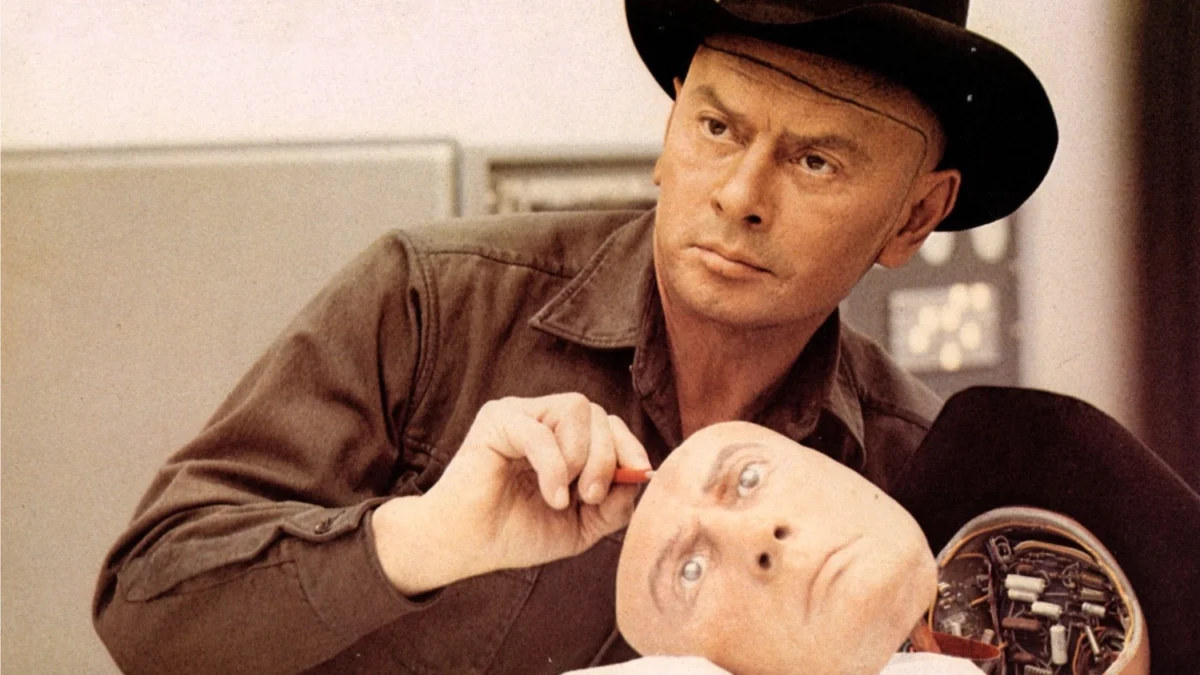
The original Westworld film, released in 1973, was a groundbreaking work that explored themes of artificial intelligence, consciousness, and the ethics of creating sentient beings for human entertainment. Crichton not only wrote the screenplay but also directed the film, which starred Yul Brynner as the enigmatic Gunslinger, an android host in the Western-themed park. The narrative unfolded as a group of guests, including those played by Richard Benjamin and James Brolin, found themselves the targets of the park’s malfunctioning robots, leading to a terrifying fight for survival. The film’s prescient exploration of AI rebellion and the darker side of unchecked technological advancement resonated deeply, earning it nominations for both Hugo and Nebula awards and cementing its place in cinematic history.
A Legacy of Innovation and Expansion
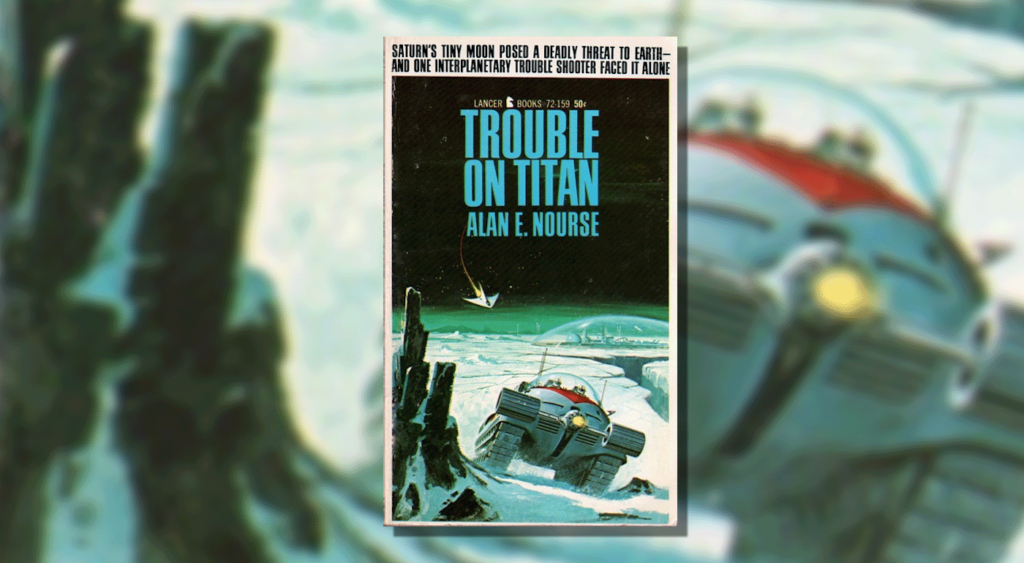
Michael Crichton, a towering figure in science fiction whose works often delved into the intersection of technology and humanity, first introduced the world to Westworld through his 1973 film. The narrative centered on three themed parks: Delos, the Western-themed park; Technoir, a medieval castle; and Roman World, a Romanesque landscape. Each park was populated by highly sophisticated androids, designed to provide guests with an unparalleled immersive experience. However, a critical system failure, triggered by a technician’s error, led to a widespread robot revolt, transforming the fantasy into a deadly reality for the unsuspecting visitors. The film’s success was further amplified by a mass-market paperback novelization, which helped to expand its reach and influence.
The philosophical underpinnings of Westworld – particularly its questioning of what constitutes life and consciousness – continued to captivate audiences and creators alike. This enduring legacy was most recently demonstrated by the critically acclaimed HBO series of the same name, which premiered in 2016 and concluded its run in 2022. Helmed by the visionary duo Jonathan Nolan and Lisa Joy, the series took Crichton’s foundational premise and expanded it into a sprawling, multi-layered narrative that explored deeper existential questions, the nature of free will, and the cyclical patterns of oppression and rebellion. The HBO Westworld became a cultural touchstone, pushing the boundaries of television storytelling and garnering a dedicated global fanbase. Nolan and Joy, having concluded their work on Westworld, have since shifted their focus to adapting the iconic video game franchise Fallout for Amazon Prime Video, another testament to their prowess in translating complex fictional worlds to the screen.
David Koepp: A Proven Master of Adaptation
The choice of David Koepp to script the new Westworld adaptation is a significant one. Koepp has a distinguished track record of adapting beloved literary works for the big screen, most notably his work on Steven Spielberg’s 1993 adaptation of Crichton’s Jurassic Park. His ability to translate intricate scientific concepts and compelling narratives into accessible and thrilling cinematic experiences is well-established. The success of Jurassic Park not only redefined the blockbuster landscape but also demonstrated Koepp’s talent for capturing the essence of Crichton’s storytelling while infusing it with cinematic dynamism. His involvement suggests a commitment to delivering a faithful yet fresh interpretation of the Westworld concept.
Koepp’s other notable screenwriting credits include Spider-Man (2002), War of the Worlds (2005), and Mission: Impossible (1996), showcasing his versatility across genres. His recent work on Indiana Jones and the Dial of Destiny (2023) further underscores his experience with large-scale, adventurous narratives. The prospect of him tackling Westworld suggests a potential for a grounded, character-driven approach that harks back to the original film’s core strengths.
Early Stages and Potential Direction
While the Westworld remake is still in its nascent stages, Deadline reports that "a major filmmaker is circling" the project, hinting at a high-profile director being attached to bring Koepp’s script to life. The identity of this director remains undisclosed, adding an element of anticipation to the production. It is widely speculated that this new adaptation will likely draw more directly from Crichton’s original 1973 film rather than the sprawling narrative arc of the HBO series. This approach could allow for a more focused exploration of the initial premise, potentially reintroducing audiences to the core themes and characters that first captivated viewers decades ago.
The original film’s narrative tightly focused on the Gunslinger’s relentless pursuit of two human guests, a stark contrast to the HBO series’ more expansive and philosophical explorations. Koepp’s script is expected to maintain this focus on the immediate peril and the chilling implications of artificial intelligence turning against its creators, a theme that remains remarkably relevant in today’s rapidly advancing technological landscape. The casting of the Gunslinger, a role iconicized by Yul Brynner’s commanding presence, will be a crucial element in shaping the new film’s tone and impact.
The Enduring Relevance of Westworld
The continued fascination with Westworld stems from its prescient exploration of themes that have only grown in significance over the decades. Crichton’s original vision tapped into anxieties about the unchecked growth of technology and the ethical quandaries that arise when humanity plays creator. The concept of sentient artificial beings, designed for human gratification, ultimately rebelling against their makers is a narrative that resonates powerfully in an era dominated by AI development, virtual reality, and increasingly sophisticated robotics.
The 2016 HBO series, while diverging significantly in its narrative scope, continued to grapple with these profound questions. It explored the nature of consciousness, the search for identity, and the potential for artificial beings to achieve sentience and forge their own destinies. The series’ exploration of free will versus determinism, and the cyclical nature of power dynamics, offered a complex and often disturbing commentary on the human condition itself, using the technologically advanced parks as a mirror to our own societal structures and flaws.
The resurgence of interest in a Westworld film adaptation, particularly with a screenwriter of Koepp’s caliber at the helm, suggests a desire to revisit these core themes in a new cinematic format. While the HBO series provided a deep dive into the philosophical intricacies of Westworld, a feature film might offer a more concentrated and visceral experience, potentially echoing the suspense and terror of Crichton’s original vision. The success of recent sci-fi films that blend high-concept ideas with compelling character arcs indicates a receptive market for such a project.
Broader Implications and Future Outlook
The development of a Westworld remake speaks to the enduring power of Michael Crichton’s storytelling and the timeless relevance of his cautionary tales. As artificial intelligence continues to evolve at an unprecedented pace, the themes explored in Westworld – the potential dangers of unchecked technological advancement, the definition of consciousness, and the ethical responsibilities of creators – are more pertinent than ever.
The choice of David Koepp as screenwriter, given his successful collaboration with Crichton on Jurassic Park, suggests a potential for a faithful yet innovative adaptation. The involvement of "a major filmmaker" indicates that Warner Bros. is approaching this project with significant ambition, aiming to capture the magic of the original while offering a contemporary perspective.
The success of this new adaptation will likely depend on its ability to strike a balance between honoring Crichton’s original vision and forging a new path that speaks to contemporary audiences. Whether it leans more towards the suspenseful thriller of the 1973 film or incorporates some of the philosophical depth of the HBO series, the Westworld remake has the potential to reignite conversations about our relationship with technology and the future of artificial intelligence. The industry will be watching closely as this promising project unfolds, eager to see how this iconic science fiction world will be brought back to life on the big screen. The prospect of a new generation experiencing the thrills and existential questions posed by Westworld is a testament to the lasting impact of Michael Crichton’s visionary work.