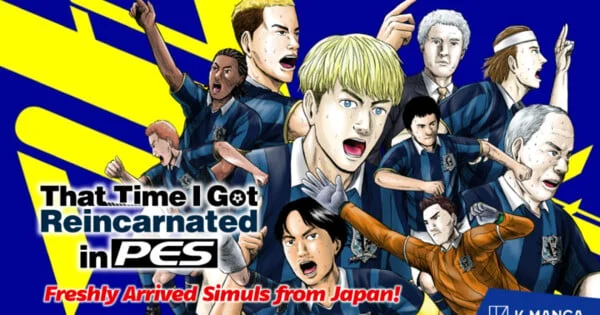
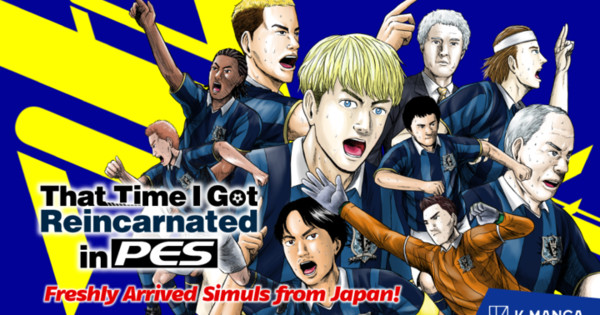
The highly anticipated manga adaptation of Konami’s iconic eFootball, formerly known as Pro Evolution Soccer and Winning Eleven, has officially concluded its serialization. Kiminori Wakasugi’s unique take on the beloved football simulation series, titled That Time I Got Reincarnated in PES (or Tensei Shitara Winning Eleven Datta Ken in its original Japanese), published its final chapter on April 30th. The manga was serialized on Kodansha’s digital manga platform, Magazine Pocket, and its completion marks a significant moment for fans of both Wakasugi’s distinctive storytelling and the enduring legacy of the eFootball franchise.
A Unique Crossover: From Pixels to Panels
The launch of That Time I Got Reincarnated in PES on April 9th represented an unusual yet intriguing fusion of the gaming and manga worlds. The series was developed under the creative direction of Kiminori Wakasugi, an artist renowned for his previous works such as Detroit Metal City and It’s Time to Go to His Stomach, OK?. These prior creations are characterized by their offbeat humor, raw energy, and often surreal narratives, qualities that fans anticipated would translate into a distinctive adaptation of the eFootball universe.
The premise of the manga, as described by Kodansha’s K MANGA service, which has made the complete series available in English, centers on an unexpected manga adaptation of eFootball, the successor to the Pro Evolution Soccer franchise. This description hints at a narrative that likely leverages the inherent drama and excitement of professional football, filtered through Wakasugi’s unique comedic and possibly absurd lens. The choice to adapt a sports simulation game into a manga is itself a testament to the growing cross-media appeal of established entertainment franchises.
Chronology of a Football Manga Phenomenon
The journey of That Time I Got Reincarnated in PES began with its debut on Magazine Pocket on April 9th. This launch date signaled the start of its serialized run, allowing readers to follow the story week by week. The decision to serialize on a digital platform like Magazine Pocket is indicative of the modern publishing landscape, catering to a global audience with accessible digital distribution.
The manga’s conclusion on April 30th, just over three weeks after its debut, suggests a potentially condensed narrative arc or a deliberate decision by the creators and publisher to bring the story to a swift and impactful close. This relatively short run, while perhaps surprising to some, can also be indicative of a focused story with a clear beginning, middle, and end, designed to maintain reader engagement throughout.
Behind the Scenes: Konami’s Gaming Empire and Wakasugi’s Artistic Vision
The eFootball series, developed and published by Konami Digital Entertainment Co., Ltd., has a storied history. Launched initially as International Superstar Soccer in the 1990s, it evolved into the Pro Evolution Soccer (PES) franchise in the early 2000s. In Japan, the series has always been known by its distinct title, Winning Eleven. Konami’s commitment to the football genre has cemented its place as one of the industry’s most recognizable developers in this space, competing with other major sports franchises.
The decision by Konami to license its popular game series for a manga adaptation speaks to a broader strategy of intellectual property expansion. By venturing into new media formats, companies like Konami aim to reach different demographics and deepen engagement with their existing fan bases. This approach is not uncommon in the entertainment industry, where successful video games, films, and television shows frequently spawn comic books, manga, and other related merchandise.
Kiminori Wakasugi’s involvement was crucial to the manga’s identity. His previous works, particularly Detroit Metal City, achieved significant critical and commercial success. Detroit Metal City, a satirical comedy about a death metal band, was serialized by Hakusensha in the magazine Young Animal and later published by Viz Media in North America. Its popularity led to adaptations including a live-action movie and an original video anime, demonstrating Wakasugi’s ability to translate his unique comedic sensibilities across various media.
Furthermore, Wakasugi’s All Esper Dayo! manga, which ran from 2009 to 2015, also enjoyed considerable success and spawned a live-action television series, a special, a film, and a web series. This track record highlights his proficiency in crafting engaging narratives that resonate with audiences and have the potential for broad media appeal. The distinctive visual style and comedic timing honed in these previous projects were undoubtedly brought to bear in That Time I Got Reincarnated in PES.
Global Reach and English Availability
The availability of That Time I Got Reincarnated in PES on Kodansha’s K MANGA service has been instrumental in its accessibility to an international audience. K MANGA, a platform designed to offer a wide range of manga titles in English, has been actively expanding its catalog. By hosting this eFootball-inspired manga, K MANGA has provided fans worldwide with a convenient way to access the story legally and in their preferred language.
The fact that the complete manga has been published in English on K MANGA shortly after its original release suggests a coordinated effort to ensure global distribution. This strategy is vital in today’s interconnected media landscape, where fans often expect immediate access to content regardless of their geographical location. The availability of the manga in English allows for a broader discussion and appreciation of the series beyond its initial Japanese readership.
Industry Implications and Fan Reception
The conclusion of That Time I Got Reincarnated in PES offers a point of reflection on the broader trend of video game-to-manga adaptations. These crossovers, while not entirely new, have become increasingly common as game developers seek to diversify their revenue streams and engage with fans on new platforms. The success of such projects often hinges on the creative talent involved and the ability to capture the essence of the source material while offering a fresh perspective.
While specific sales figures or detailed fan reception data for That Time I Got Reincarnated in PES are not readily available in this report, the existence of the manga and its international release indicate a level of publisher and creator confidence in its appeal. The unique premise likely garnered attention from both dedicated eFootball fans eager to see their favorite game interpreted in a new light, and from followers of Kiminori Wakasugi’s work curious to see his take on a different genre.
The fact that the manga is based on the eFootball series, which has a long and competitive history, suggests that the narrative might explore themes of rivalry, sportsmanship, and the dedication required to excel in professional gaming or football. The "reincarnation" aspect of the title also hints at a potential meta-narrative or a character who gains a unique perspective or ability related to the game.
The successful serialization and completion of That Time I Got Reincarnated in PES can be seen as a positive indicator for future cross-media collaborations between the gaming and manga industries. It demonstrates that with the right creative team and a compelling concept, even a sports simulation game can be the foundation for an engaging and unique manga experience. As the digital landscape continues to evolve, such innovative partnerships are likely to become even more prevalent, offering fans diverse and exciting ways to engage with their favorite entertainment properties. The legacy of this particular adaptation will be measured not only by its narrative success but also by its contribution to the growing library of video game-inspired manga.