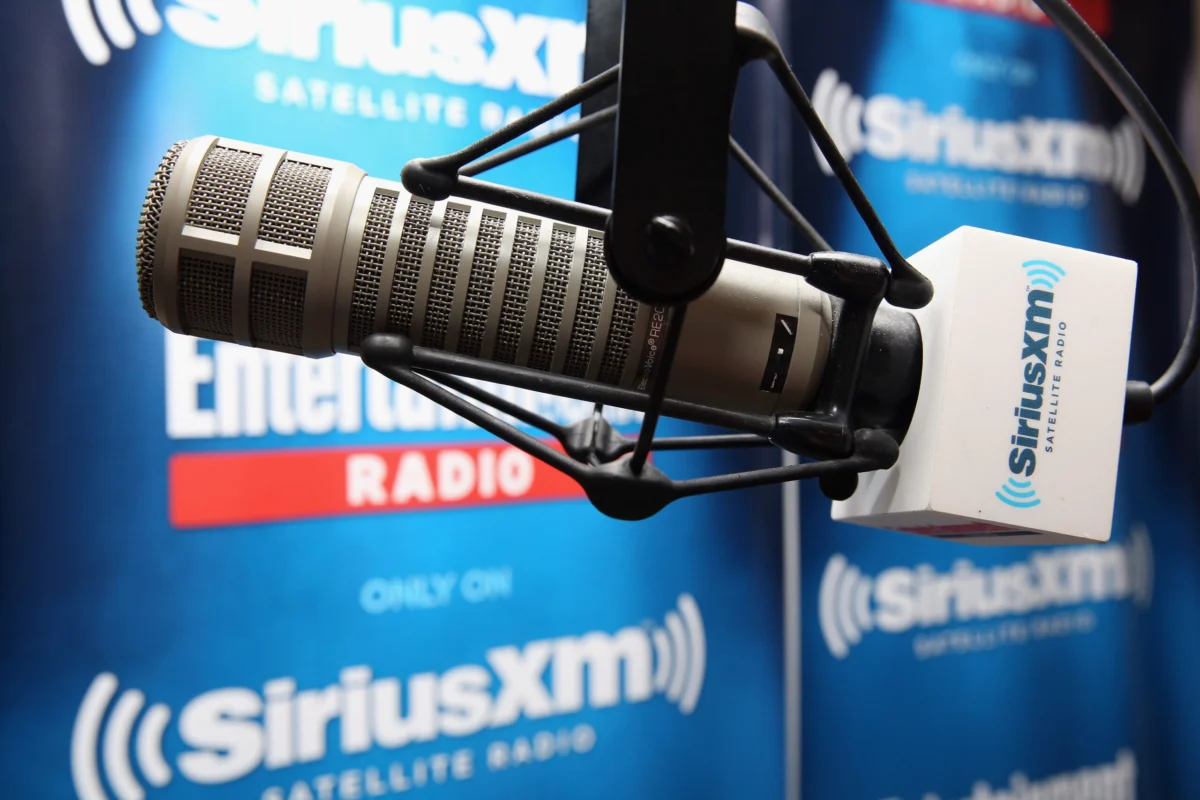
In a move that could fundamentally reorganize the American media landscape, iHeartMedia and SiriusXM are reportedly in the preliminary stages of discussions regarding a potential merger. According to sources familiar with the negotiations, the talks are being facilitated by two of the most influential forces in the entertainment and finance sectors: music industry veteran Irving Azoff and the private equity titan Apollo Global Management. The proposed combination would unite the nation’s largest terrestrial radio broadcaster with its dominant satellite radio provider, creating an audio powerhouse with unprecedented reach across traditional airwaves, satellite subscriptions, and the rapidly expanding podcasting sector.
While the discussions are described as being in the early phases, the involvement of Apollo and Azoff suggests a serious effort to navigate the complex financial and industrial hurdles inherent in such a massive consolidation. Apollo Global Management has long sought a larger footprint in the media world, while Azoff, the former CEO of Ticketmaster and a manager for legendary acts such as the Eagles and U2, brings a deep understanding of artist relations and intellectual property rights. If successful, the deal would represent the most significant consolidation in the audio industry since the merger of Sirius and XM in 2008.
The Financial and Operational Profiles of the Parties Involved
iHeartMedia stands as the preeminent owner of radio stations in the United States. The company currently operates more than 860 live broadcast stations across 160 markets. Despite its massive physical infrastructure, iHeartMedia has faced significant financial headwinds over the last decade. The company filed for Chapter 11 bankruptcy protection in 2018, burdened by a debt load exceeding $20 billion—a legacy of its 2008 leveraged buyout by Bain Capital and Thomas H. Lee Partners. Since emerging from bankruptcy in 2019, the company has aggressively pivoted toward digital platforms and podcasting to offset the slow decline of traditional radio advertising. This strategy appears to be gaining traction, as evidenced by a 10 percent increase in share value year-to-date.
SiriusXM, by contrast, operates on a primary subscription-based model. As the sole satellite radio provider in North America, it has built a business around exclusive content and high-profile talent. Its roster includes some of the most recognizable names in media, such as Howard Stern, Andy Cohen, and Alex Cooper. SiriusXM has also been a pioneer in the "walled garden" approach to audio, though it has recently expanded its reach through the acquisition of podcast platforms like Stitcher and the development of its own ad-supported tiers.
The facilitation of this deal by Apollo Global Management underscores the private equity firm’s ongoing ambition to consolidate media assets. Earlier in 2024, Apollo made a significant bid for Paramount Global, though it was ultimately outmaneuvered by David Ellison’s Skydance Media. By turning its attention to the iHeart-SiriusXM talks, Apollo is signaling its belief that there is still significant value to be extracted from the traditional and satellite radio sectors through scale and operational synergy.
A Strategic Pivot Toward Podcasting and Digital Growth
The primary driver behind a potential iHeartMedia and SiriusXM merger is the explosive growth of the podcasting market. As terrestrial radio listenership faces a generational decline, both companies have identified digital audio as their primary engine for future revenue.
In the most recent fiscal reports, the disparity between traditional revenue and digital growth was stark. SiriusXM reported that while it expects relatively flat total revenue for the upcoming year as it struggles to reduce "churn" (the rate at which subscribers cancel their service), its podcast advertising revenue surged by 41 percent in 2025. This follows a year of double-digit growth in 2024. SiriusXM currently holds the title of the largest podcast network in the U.S. by reach, boasting a portfolio that includes "Call Her Daddy," "SmartLess," and "The Mel Robbins Podcast."
iHeartMedia has seen a remarkably similar trend. In its fourth-quarter earnings report, the company noted that while its total revenue grew by a modest 0.8 percent, its podcasting revenue jumped by 24.5 percent year-over-year. iHeartMedia is currently ranked as the third-largest podcast network in the country, with a diverse slate of programming that includes "My Favorite Murder," "The Breakfast Club," and "Las Culturistas."
A merger would allow the two entities to pool their advertising sales teams, creating a dominant force in the digital audio advertising space. By offering advertisers a "one-stop shop" for reaching audiences across broadcast radio, satellite, and podcasts, a combined iHeart-SiriusXM entity could more effectively compete for ad dollars against tech giants like Spotify, YouTube, and Amazon.
The Role of Irving Azoff and Artist Relations
The involvement of Irving Azoff adds a layer of strategic depth to the talks that extends beyond mere financial engineering. Azoff is widely considered one of the most powerful figures in the history of the music business. His resume includes serving as the CEO of Ticketmaster, where he was instrumental in the company’s merger with Live Nation, and co-founding the Oak View Group and Global Music Rights (GMR).
Azoff’s GMR is a performing rights organization that represents a boutique roster of high-value songwriters. His participation in the merger talks suggests that the deal may involve a broader strategy for artist integration. A combined iHeart-SiriusXM platform would offer a unique value proposition to artists: the ability to be promoted on over 800 local radio stations, featured on national satellite channels, and integrated into the world’s largest podcasting network. For Azoff, who has spent his career advocating for artist equity and control, this merger could provide a massive distribution ecosystem that reduces the industry’s reliance on traditional record labels and streaming services like Spotify, which have often been criticized for low royalty payouts.
A Chronology of Industry Consolidation
To understand the context of these talks, it is necessary to look at the timeline of events that led the audio industry to this juncture:
- 2008: Sirius and XM Satellite Radio merge after a grueling regulatory battle, creating a monopoly in the satellite radio space. In the same year, Clear Channel (later iHeartMedia) is taken private in a $24 billion leveraged buyout.
- 2018: iHeartMedia files for Chapter 11 bankruptcy to restructure its massive debt. The reorganization allows the company to shed billions in liabilities and refocus on its digital "iHeartRadio" app.
- 2020: SiriusXM acquires Stitcher for $325 million, signaling its intent to dominate the podcasting space. Meanwhile, iHeartMedia acquires Voxnest to bolster its podcast ad-tech capabilities.
- 2023: Both companies face a cooling advertising market and begin implementing cost-cutting measures, including layoffs and the streamlining of local programming.
- 2024: Apollo Global Management enters the media fray with bids for Paramount, while SiriusXM undergoes a major rebranding effort to attract younger listeners through its revamped streaming app.
- Early 2025: Reports emerge of the iHeart-SiriusXM talks, with Azoff and Apollo acting as the primary architects of the potential deal.
Official Responses and Market Reactions
As news of the potential merger broke, the companies involved maintained a cautious public stance. A representative for iHeartMedia issued a standard industry rebuttal, stating, "We don’t comment on rumors or speculation." Representatives for SiriusXM declined to comment officially, and Apollo Global Management did not respond to requests for clarification.
Despite the lack of official confirmation, market analysts have already begun weighing the pros and cons. Shares of iHeartMedia saw a localized spike following the reports, as investors reacted to the possibility of a buyout or a favorable merger ratio. Conversely, some SiriusXM investors expressed concern over the "debt baggage" that iHeartMedia might bring to the table, despite its successful 2019 restructuring.
Regulatory Hurdles and Antitrust Concerns
Perhaps the most significant obstacle to a successful merger is the current regulatory environment in Washington. Under the leadership of Lina Khan at the Federal Trade Commission (FTC) and Jonathan Kanter at the Department of Justice (DOJ) Antitrust Division, the federal government has taken an increasingly skeptical view of large-scale media consolidations.
A merger between iHeartMedia and SiriusXM would likely trigger an intense antitrust review for several reasons:
- Monopsony Power in Audio Advertising: The combined entity would control a staggering percentage of the local and national audio advertising market. Regulators may worry that this would allow the company to dictate prices to advertisers, hurting small businesses.
- Podcast Market Concentration: With the #1 and #3 podcast networks under one roof, the new company would have significant leverage over podcast creators and distribution platforms.
- The "Live Nation" Precedent: Given Irving Azoff’s history with the Live Nation-Ticketmaster merger—which is currently the subject of a massive DOJ lawsuit seeking to break up the company—regulators may be predisposed to block another deal involving his participation that aims to vertically integrate an entertainment sector.
Future Implications for the Audio Ecosystem
If the merger proceeds, the implications for the average listener would be profound. A combined company could offer bundled subscription packages that include satellite radio, ad-free podcasting, and premium digital radio features. For the music industry, it would create a gatekeeper of unparalleled proportions, capable of "breaking" an artist across every conceivable audio medium simultaneously.
However, the deal also highlights the defensive nature of the current media climate. Both iHeartMedia and SiriusXM are fighting for relevance in a world dominated by Big Tech. By joining forces, they are betting that scale is the only way to survive against the algorithmic might of Spotify, the data-rich ecosystem of Amazon Music, and the video-centric dominance of YouTube.
As the talks continue, the industry will be watching closely to see if Irving Azoff and Apollo can thread the needle between financial viability and regulatory approval. Whether this results in a new "Audio Giant" or serves as a cautionary tale of over-consolidation remains the defining question for the future of the American airwaves.