The world of anime, often perceived through narrow lenses of genre or perceived maturity, holds a treasure trove of narratives that transcend superficial assumptions. One such series, Princess Tutu, stands as a testament to the power of storytelling to explore profound themes of identity, fate, and the very nature of heroism, all wrapped in the guise of a magical girl ballet. Initially met with skepticism by even those who would later champion it, Princess Tutu has cultivated a devoted following over two decades, cementing its status as a cult classic that continues to resonate with audiences for its intricate plotting, emotional depth, and groundbreaking approach to narrative structure.
The Unlikely Introduction: Overcoming Preconceptions
The journey of many viewers, including the author of the original piece, toward appreciating Princess Tutu often begins with a similar hesitancy. The very title suggests a saccharine, child-oriented fantasy, far removed from the gritty realism or complex character studies that some anime enthusiasts prefer. This initial dismissal is frequently rooted in societal conditioning that often undervalues stories centered on female protagonists, a phenomenon the article aptly attributes to patriarchal structures. The author’s own past inclination towards male leads, particularly those grappling with trauma, disability, or queer identities, highlights a broader trend of seeking validation in narratives that mirror perceived societal hierarchies.

The author’s college roommate, a figure described as "odd" and possessing a rabbit in her room, became the unlikely evangelist for Princess Tutu. Her fervent advocacy for the series, described as a "long-standing hyperfixation," contrasted sharply with the author’s self-imposed intellectualism. The author’s desire to appear as an "obnoxious fucking hipster," a desire to only enjoy anime for "artistic reasons" and to avoid the perceived stigma of liking shows like Naruto in the early 2000s, further illustrates the prevalent cultural gatekeeping around anime consumption at the time. This environment fostered an environment where even a well-intentioned recommendation could be met with disdain, fueled by a need to curate a specific, "serious" image.
A Deeper Dive: The Allure of Gold Crown Town
Despite the initial reservations, a grudging agreement to watch a few episodes led to a profound reevaluation. Princess Tutu is set in Gold Crown Town, a displaced European-esque village where the lines between reality and fiction blur. This town, characterized by its inescapable charm and mysterious bordering walls, serves as a unique stage for a narrative that is as much about the characters within the story as it is about the story itself. The series draws inspiration from classic fairy tales and ballet, weaving elements of Swan Lake, Giselle, and Sleeping Beauty into its fabric. This integration of well-known narratives, combined with its unique setting and the seamless incorporation of composers like Tchaikovsky, Mussorgsky, Strauss, and Delibes, elevates Princess Tutu beyond a simple children’s program. The use of German for episode titles and the setting in a timeless village further contribute to its distinctive, almost dreamlike atmosphere.
Metanarrative Mastery: The Authorial Voice and Free Will
Central to Princess Tutu‘s brilliance is its masterful exploration of metanarrative. The story is framed by the presence of Herr Drosselmeyer, the deceased author whose consciousness persists through a cogwork writing machine. Drosselmeyer acts as an omnipresent narrator, manipulating events to create a compelling narrative. His pursuit of entertainment, even at the expense of his characters’ well-being, mirrors the complex relationship between creator and creation.

The series posits a fundamental tension between Drosselmeyer’s predetermined plot and the burgeoning free will of his characters. When Drosselmeyer, observing a duckling’s sadness, sees the potential for tragedy and gifts the duck an amulet to transform into Princess Tutu, he sets in motion a chain of events designed to conclude the story. However, the characters, imbued with newfound life, begin to deviate from their prescribed roles. This literal interpretation of creators losing control of their characters is handled with "masterful panache," avoiding convolution despite the layered narrative structure. The writers skillfully navigate this tightrope, ensuring the metacognitive elements enhance rather than overshadow the suspense and emotional core of the story.
Each episode, while beginning with a summary of its folktale inspiration, still manages to surprise. The recurring formula—storybook intro, credits, exposition leading to a heart shard, Duck’s transformation into Tutu, a dance-battle, and the liberation of the shard—never grows stale due to the inherent emotional stakes and the characters’ persistent fight for agency. The article highlights that this formula, far from being repetitive, becomes a canvas for exploring how characters, even when confined by genre conventions and authorial intent, strive to define themselves.
The Pillars of the Troupe: Character Arcs and Complex Relationships
The narrative’s strength lies in its meticulously crafted characters, each grappling with their assigned roles and personal desires.

-
Duck/Tutu: The protagonist, Duck, is more than just a clumsy student or an elegant magical girl. Her journey is one of self-acceptance, navigating the dissonance between her various personas. She grapples with confidence issues, questioning if she can truly be the heroic Princess Tutu. The series masterfully illustrates that her core goodness—her passion, bravery, and empathy—remains constant, regardless of her form. Her struggle to see that her heart is unchanged, while others eventually do, is a poignant arc of self-realization.
-
Mytho: Initially presented as an "emotionless husk" due to shattering his heart to trap an enemy, Mytho serves as Duck’s foil. His self-sacrifice renders him charismatic as a "wet sock," but his inherent protective nature persists. As fragments of his heart return, they manifest as negative emotions—bitterness, loneliness, sadness, and fear—transforming him from an empty vessel into a creature consumed by pain. Duck’s unwavering devotion, even at her own expense, is crucial to his journey toward becoming a whole person.
-
Fakir: Mytho’s roommate and protector, Fakir, is an abrasive yet deeply nuanced character. His overprotectiveness stems from his life’s purpose being tied to Mytho’s fate, a burden inherited after his mother’s death. The inherent uncertainty of Mytho’s evolving emotions terrifies Fakir, who has only known the blank prince. Their relationship, though fraught, is presented as a profound love. Fakir also fears his own fate, as Drosselmeyer has written him as a tragic character destined for sacrifice. His resistance to this fate requires immense willpower, and through his kindness to Duck, he emerges as the series’ second hero, deserving of a narrative beyond his assigned role.

-
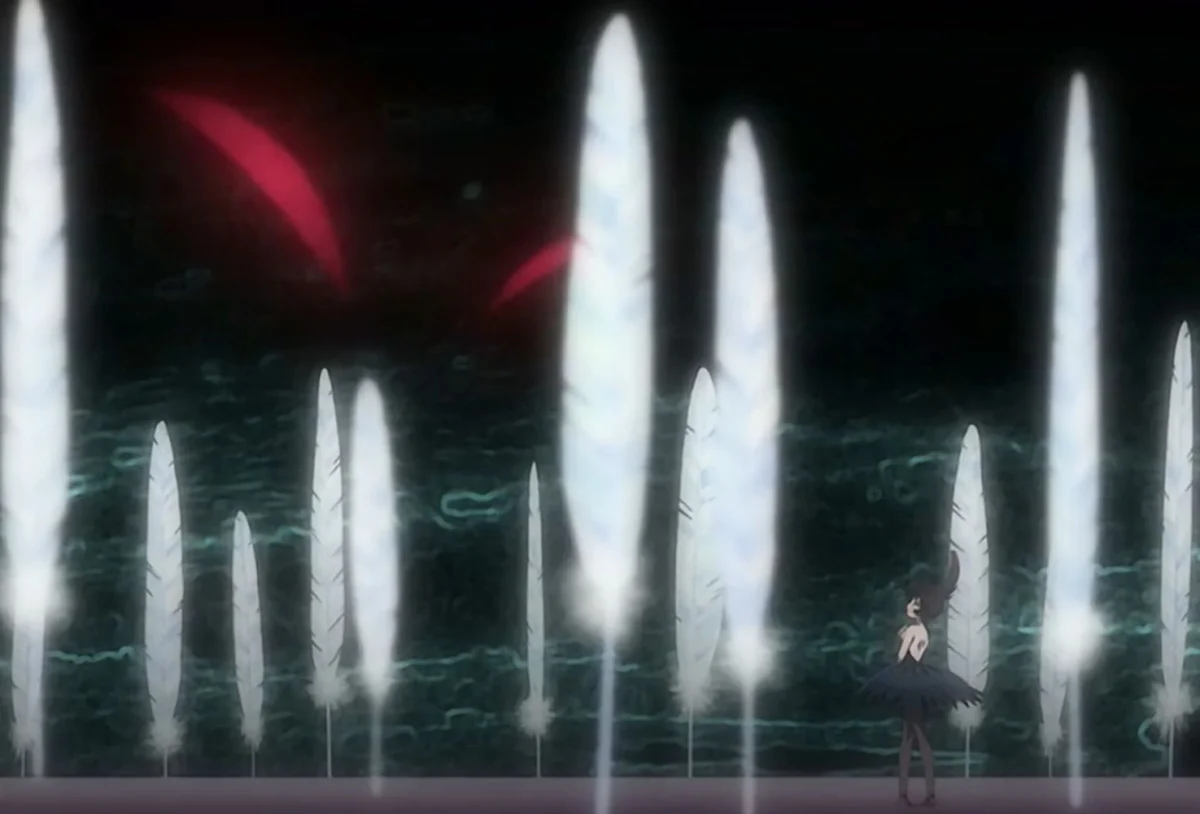
Rue/Princess Kraehe: The series antagonist, Princess Kraehe, is introduced as Rue, the haughty prima ballerina of the school and Mytho’s apparent love interest. Rue’s reluctance to form friendships, contrasted with Duck’s persistence, hints at her underlying turmoil. Her exterior cracks as she remembers her true identity: the crow’s daughter, Princess Kraehe, a character designed to harm Mytho and gain her father’s approval. Her struggle with self-dehumanization and her father’s abuse is a tragic element, emphasizing her lack of agency. Duck’s simple affirmation, "You must have existed, because you were my friend," underscores the importance of genuine connection in overcoming assigned destinies. Kraehe, like the other characters, must reframe love and embrace its myriad forms to find herself again.
Supporting Characters and Thematic Resonance
Beyond the central quartet, a rich tapestry of supporting characters further enriches Princess Tutu‘s thematic exploration. Mr. Cat, the ballet teacher, provides comic relief with his threats of marriage, yet also offers moments of pathos. His encouragement of Duck, reminding her that "Everyone must practice the basics to succeed," highlights the value of effort and grit, contrasting with the effortless talent of savants. This resonates with the author’s own past struggles with art and the fear of ridicule.
Miss Edel, a mysterious barrel organ player, represents Drosselmeyer’s influence but also demonstrates the power of affection to foster emotional attachment, even in an inanimate object. This reinforces the theme of shared emotions and the interconnectedness of beings.

Drosselmeyer, despite his manipulative tendencies, is portrayed as someone who "truly loves stories more than anyone else." The article posits that judging him is hypocritical, as the audience is also a consumer of narrative, seeking entertainment. This invites introspection on the audience’s role in perpetuating narrative expectations.
Artistic Merit and Enduring Impact
Princess Tutu is lauded for its artistic achievements, particularly considering its "small budget." The stylized character designs, careful background rendering, and strategic animation—saving the best for dance sequences and employing still frames as deliberate artistic choices—create a theatrical, tableau-like experience. The article draws a parallel to the Ghibli archives, suggesting the storyboards for Tutu are equally wondrous. The involvement of Junichi Sato, director of Aria, before his work on that acclaimed series, further solidifies its artistic pedigree.
The series’ enduring appeal lies in its profound thematic exploration of heroism, love, and villainy, challenging conventional definitions. The core message—that what makes us real are not the roles we are assigned but the actions we take—resonates deeply. Like Duck and her companions, individuals often spend their lives seeking self-understanding and appreciation. Princess Tutu suggests that by reflecting on our life’s journey, we can find that we have "danced a lot longer and more beautifully than our old selves ever dreamed we could." This optimistic conclusion, delivered through a narrative that initially defied expectations, solidifies Princess Tutu‘s place as a masterpiece that continues to inspire and move audiences. Its ability to contain "as much existential extrapolation as Evangelion, as much symbolism as Utena, and as much artistry as it could muster under limited circumstances" is a testament to its unparalleled depth and enduring artistic merit.