The upcoming feature film adaptation of Kane Parsons’ viral analog horror phenomenon, Backrooms, has generated significant buzz, not only for its ambitious translation of an internet sensation to the big screen but also for the unexpected and impactful mentorship provided by established horror auteur Osgood Perkins. Attendees at recent screenings of the A24 and Atomic Monster production were reportedly surprised to discover Perkins’ name in the credits, not as a director, but in a crucial producer and guiding role for the 19-year-old directorial prodigy. This collaborative effort signals a significant moment for both Parsons and the burgeoning subgenre of liminal space horror.
A Young Visionary Guided by a Modern Master
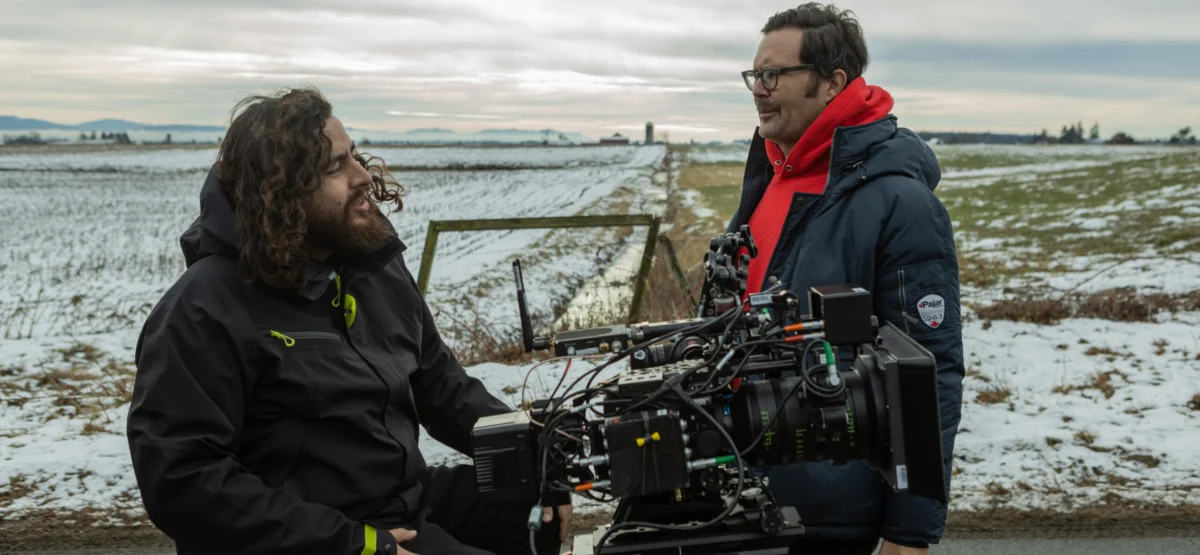
Kane Parsons, the mastermind behind the original Backrooms YouTube series, has embarked on an extraordinary journey, transitioning from internet creator to helming a major studio feature at an exceptionally young age. The immense pressure and unique challenges of adapting a concept born from online lore into a cinematic experience are considerable. According to multiple sources close to the production, Osgood Perkins, known for his distinctive artistic vision in contemporary horror, played an instrumental role in navigating these complexities. Perkins reportedly provided invaluable assistance in developing the screenplay, offering on-set guidance by occasionally shadowing Parsons, and acting as a consistent mentor throughout the demanding production process.
This mentorship was not merely an informal arrangement but a formally acknowledged contribution. Perkins himself publicly confirmed his involvement during a red carpet interview with Discussing Film, shedding light on the symbiotic relationship he fostered with the young director. His presence at recent screenings, reportedly observing the film quietly from the back, underscores his vested interest and commitment to the project’s success.
Osgood Perkins: A Defining Voice in Contemporary Horror
Osgood Perkins has steadily cemented his reputation as one of the most compelling and distinctive voices in modern horror cinema. His career trajectory began with the atmospheric and critically acclaimed The Blackcoat’s Daughter (initially titled February), which premiered at the Toronto International Film Festival. This was followed by a string of increasingly successful and stylistically unique films, including the dark fairy tale Gretel & Hansel, the unsettling thriller Longlegs, and the recent folk horror offering The Monkey. Perkins’ work is characterized by its deliberate pacing, potent atmosphere, and a profound understanding of psychological dread, often eschewing jump scares for a more pervasive sense of unease.
The Synergistic Appeal of the Backrooms Collaboration
The pairing of Perkins with Parsons for Backrooms is particularly compelling when considering the inherent qualities of the source material. The Backrooms phenomenon is built upon a foundation of disorienting, uncanny environments – endless, seemingly abandoned spaces that evoke a deep sense of psychological discomfort and isolation. These "liminal spaces," characterized by their transitional nature and unsettling familiarity, are visually and tonally specific. Perkins, with his proven ability to craft immersive and artistically driven horror narratives, is an ideal creative partner for a project that hinges on atmosphere, texture, and a unique visual language.
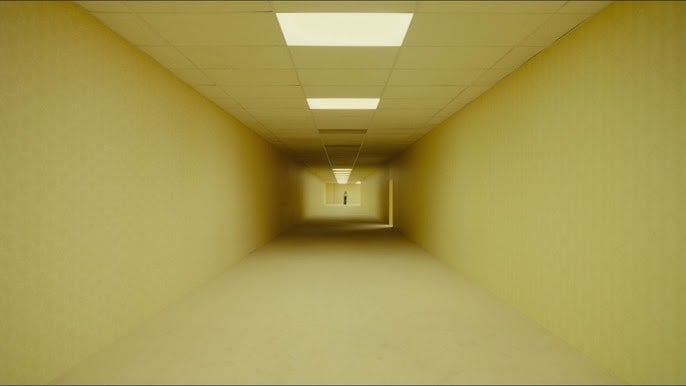
His expertise in translating abstract fears into tangible cinematic experiences aligns perfectly with the task of bringing the claustrophobic, maze-like architecture of the Backrooms to life. The synergy between Perkins’ established artistic sensibility and Parsons’ fresh, internet-native perspective promises a film that is both faithful to its origins and capable of reaching a broader cinematic audience. This collaborative approach suggests a deliberate effort to imbue the film with a sophisticated artistic depth, moving beyond a simple adaptation to a nuanced exploration of the Backrooms‘ inherent terrors.
The Genesis and Evolution of the Backrooms Phenomenon
The Backrooms concept first emerged in 2019 on the /x/ (paranormal) board of 4chan, as a user-generated creepypasta. The premise describes an endless labyrinth of empty office rooms, hallways, and stairwells, characterized by the unsettling hum of fluorescent lights and damp, yellowed wallpaper. This seemingly mundane yet profoundly unsettling environment became a fertile ground for collective imagination, spawning countless iterations, video games, and, most notably, Kane Parsons’ groundbreaking YouTube series.
Parsons’ initial short film, "The Backrooms (Found Footage)," released in January 2022, went viral, amassing millions of views and earning widespread praise for its authentic found-footage aesthetic, unsettling atmosphere, and effective use of sound design. The series, which has continued to expand the lore and narrative of the Backrooms universe, established Parsons as a significant talent in digital horror filmmaking. The subsequent announcement of a feature film adaptation by A24 and James Wan’s Atomic Monster, with Parsons at the helm, marked a significant moment for internet-born horror, signaling a growing recognition of its potential within mainstream cinema.
The development timeline for the feature film has been relatively swift, fueled by the immense popularity of Parsons’ series. The project entered production with the intention of capturing the raw, unnerving essence of the original concept while leveraging the resources of a major studio. The involvement of Osgood Perkins in a producer and mentorship capacity likely began during the early stages of script development and pre-production, providing a crucial bridge between Parsons’ raw creative vision and the demands of feature film production.
Data and Context: The Rise of Liminal Horror
The success of The Backrooms phenomenon is indicative of a broader trend in online horror culture: the rise of "liminal horror." This subgenre taps into a primal fear of transitional or in-between spaces, places that are familiar yet unsettlingly empty or altered. Examples include deserted shopping malls, empty school hallways at night, and eerie, endless corridors. These spaces often evoke feelings of isolation, nostalgia, and a sense of being out of place or time.
The internet has provided a powerful platform for the exploration and dissemination of these themes. Platforms like YouTube, TikTok, and Reddit have allowed creators to share short films, images, and stories that tap into these specific anxieties. The aesthetic of found footage, with its inherent sense of immediacy and authenticity, has also been a crucial component in the popularization of liminal horror, making the viewer feel as though they are witnessing something real and unfiltered.
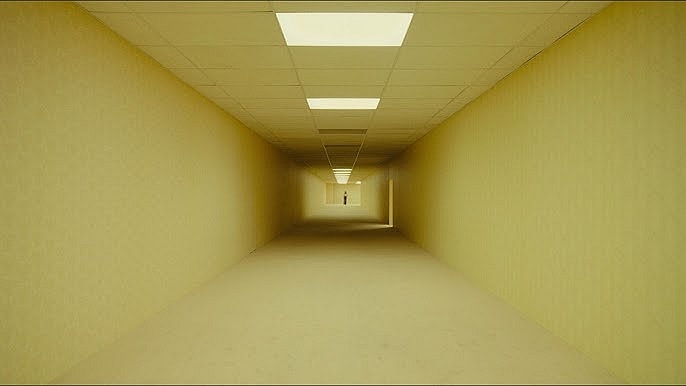
Backrooms is poised to be a significant cultural touchstone for this subgenre, potentially bringing liminal horror to a wider audience than ever before. The film’s success could pave the way for further exploration of these themes in mainstream cinema, inspired by the vast and creative landscape of internet horror.
Official Statements and Industry Reactions
While specific details regarding the production’s day-to-day operations remain under wraps, the public confirmation of Osgood Perkins’ involvement via the Discussing Film interview provides a key insight into the film’s creative backbone. Perkins’ own words about the project, though not extensively detailed in public forums, have consistently highlighted his respect for Parsons’ talent and the unique potential of the Backrooms concept. His presence as a mentor suggests a belief in Parsons’ directorial capabilities and a desire to nurture the raw talent that propelled the original series to stardom.
The choice of A24, a studio renowned for its critically acclaimed and artistically driven films, including a strong track record in the horror genre (Hereditary, Midsommar, The Witch), further underscores the project’s artistic ambitions. Atomic Monster, James Wan’s production company, brings a proven expertise in crafting successful horror franchises, suggesting a balance between creative integrity and commercial viability.
Broader Impact and Implications
The release of Backrooms on May 29 is anticipated with considerable excitement. There is a growing sentiment within the horror community and among industry observers that this film could represent a significant breakout moment for Kane Parsons, solidifying his transition from viral sensation to a formidable directorial talent. Furthermore, the film holds the potential to be a landmark moment for liminal horror as a genre, elevating its profile and demonstrating its capacity for compelling cinematic storytelling.
The success of Backrooms could have several far-reaching implications:
- Legitimization of Internet-Born Horror: A commercially and critically successful adaptation of an internet phenomenon like Backrooms could further legitimize other viral horror concepts and creators, encouraging more studios to look to online platforms for inspiration and talent.
- Elevated Profile for Liminal Horror: The film has the potential to introduce a broader audience to the unique anxieties and aesthetics of liminal spaces, potentially sparking a wave of similar projects.
- New Talent Pipeline: The success of Kane Parsons could inspire a new generation of young filmmakers who have honed their craft on platforms like YouTube, showcasing a viable pathway into mainstream cinema.
- A24 and Atomic Monster’s Continued Genre Dominance: The collaboration between these two powerhouses in the horror space, with Perkins’ guidance and Parsons’ vision, suggests a continued commitment to pushing the boundaries of the genre.
As the release date approaches, the industry and fans alike are keenly observing Backrooms. The unique fusion of internet culture, a burgeoning horror subgenre, and the mentorship of a respected filmmaker like Osgood Perkins positions the film as a potentially groundbreaking entry in the contemporary horror landscape. The collective hope is that Backrooms will deliver a terrifying, atmospheric, and artistically resonant experience, a testament to the power of collaborative creativity and the evolving nature of horror storytelling.